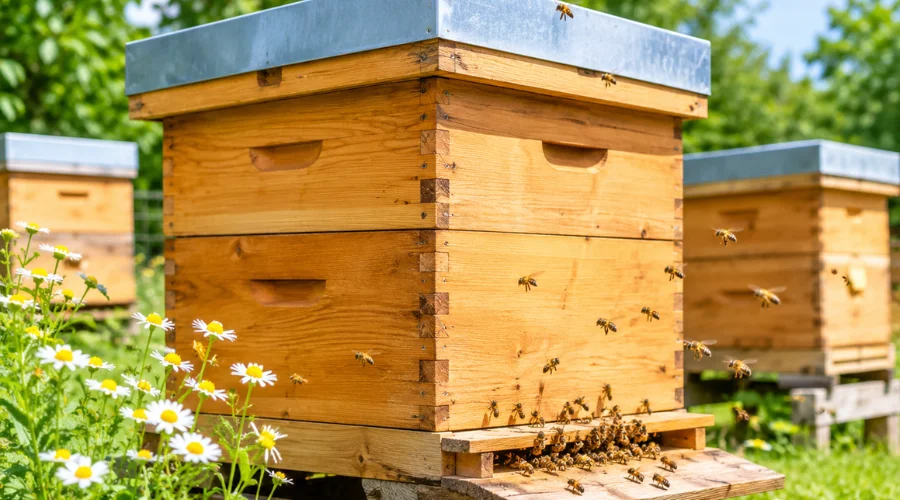
At Ingrained Recovery, an active onsite apiary with several hives provides an opportunity for voluntary, supervised learning and observation alongside adult addiction treatment. Our animal handler supervises the activity, and clients do not have direct contact with the hives.
People often search for this kind of nature-based activity as “beekeeping therapy.” It is an addition to care rather than a stand-alone addiction treatment.
Each client’s interest and allergy risks are considered before participation.
What Is Therapeutic Beekeeping?
A therapeutic beekeeping program combines activities involving honey bees with goals such as participation, social connection, or practicing attention. The setting and staff vary. Some programs are part of recreational therapy, while others are community hobbies or educational projects.
The word “therapy” does not tell you whether a mental health professional is involved. Ask who leads the activity, what training they have, and how it connects with any clinical care you receive.
Beekeeping also differs from simply watching insects in a garden. Managing a colony involves training, appropriate equipment, and ongoing care for living animals. It should not be treated as an activity that anyone can begin safely without preparation.
Get Accredited Treatment at Ingrained
Find Help At Ingrained Recovery
Our Onsite Apiary and Voluntary Participation
We have several hives at our onsite apiary in Eastman, Georgia. The activity is supervised by our onsite animal handler. Clients do not have direct hive contact, and participation is completely voluntary.
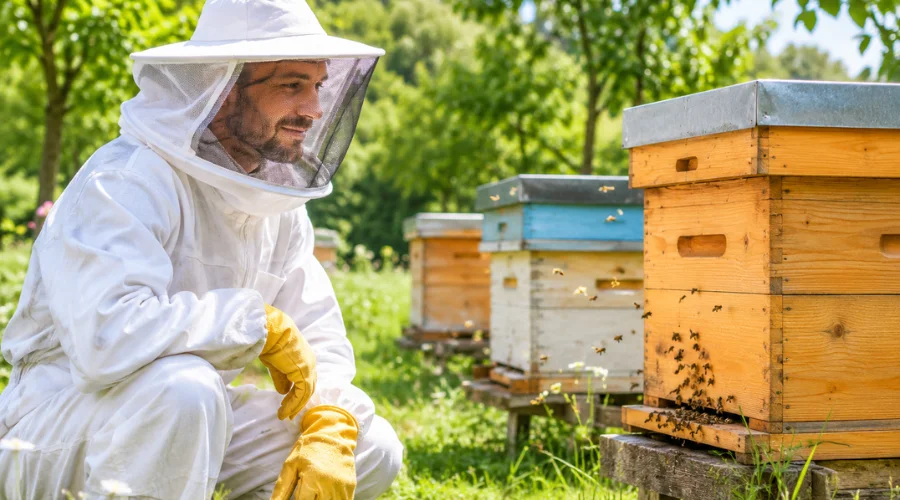
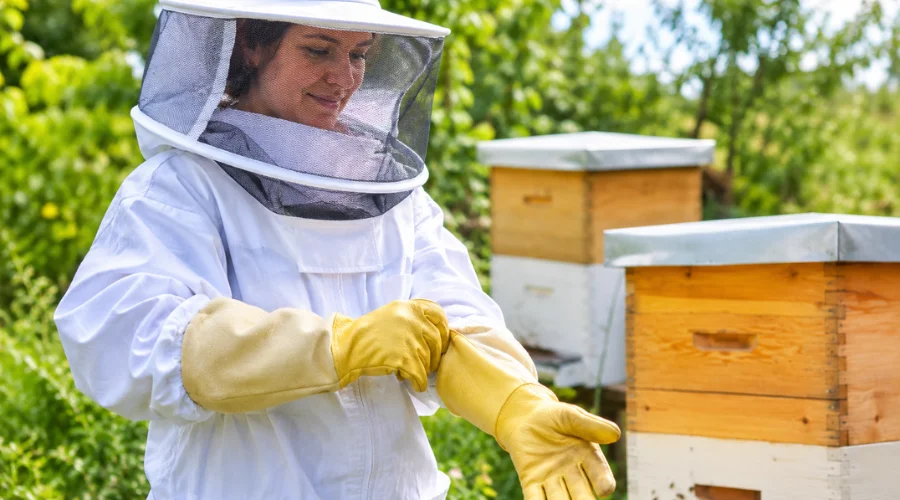
The hives are located apart from areas used by clients who choose not to participate. Protective equipment is offered, and allergy screening is considered individually. The location and equipment do not eliminate the possibility of a sting or allergic reaction.
This is an opportunity to learn about and observe bees with supervision. The movement and buzzing can make observing a hive a strong sensory experience. Tell staff if it feels overwhelming or you would prefer another activity. Clients are not expected to open hives, handle frames, or manage a colony. Ask the team about the current format and whether the activity is appropriate for your health and comfort.
Beekeeping and Mental Wellbeing: What Research Shows
Research is still developing. Burke and Corrigan’s 2024 qualitative study explored beekeepers’ experiences in an Irish environmental project. Interviews identified themes such as pride, connection, and meaningful activity. These accounts offer reasons to study possible therapeutic benefits; they do not establish them.
Because the study explored experiences rather than testing a controlled treatment, it cannot establish that beekeeping caused clinical improvements or treated addiction (Burke & Corrigan, 2024).
The U.S. Department of Veterans Affairs also describes the HIVES program, which combines beekeeping with mindfulness practices and recreational therapy. Its program reports include changes in short-term wellbeing measures. Those observations do not establish that beekeeping alone produced the changes or that the findings apply to people receiving addiction treatment (U.S. Department of Veterans Affairs, n.d.).
These sources provide reasons for further study. They do not establish beekeeping as a way to prevent relapse, treat withdrawal, or replace treatment for depression, anxiety, or PTSD.
How Could the Activity Fit Into Recovery?
A new interest can give someone a practical way to spend time without alcohol or drugs and find an activity to return to in daily life. Beekeeping is one possibility among many. Its value does not require a medical claim.
For example, a participant might:
- Enjoy learning a skill with other people.
- Practice asking for help with an unfamiliar task.
- Follow an agreed routine and discuss barriers to keeping it.
- Notice frustration and choose to pause.
- Find a community interest to explore after treatment.
People may be interested in stress relief, a calming activity, or a sense of connection. A report of feeling calmer during a session does not prove lasting stress reduction or treatment of anxiety and depression. These are possible experiences and discussion points, not proven addiction outcomes. Similar goals might be explored through gardening, art, volunteering, or another accessible activity.
A person should continue the counseling, medical care, and medications recommended for their situation. A hobby can be part of a fuller life while clinical treatment addresses needs that the hobby cannot meet.
Sting Safety and Allergy Risks
Bees can sting despite protective equipment and careful supervision. A sting may cause local pain and swelling. For some people, venom can cause anaphylaxis, a severe allergic reaction that requires immediate emergency care (Centers for Disease Control and Prevention [CDC], 2026).
Before considering participation, discuss any history of sting reactions with a healthcare professional. A program should have training, appropriate protective equipment, a clear response plan, and a way to obtain emergency help.
Questions to ask include:
- Who assesses whether participation is appropriate?
- What beekeeping training does the supervisor have?
- What protective clothing is provided?
- What happens if a participant is stung?
- How does the program respond to a severe allergic reaction?
- Can I decline or stop without pressure?
- What alternatives are available?
Someone with a severe sting allergy should not assume that watching from a distance is safe. Ask a medical professional about exposure risks before visiting an apiary. Follow any prescribed emergency plan (CDC, 2026).
When a sting needs emergency help
Trouble breathing, swelling of the tongue or throat, fainting, or collapse after a sting requires immediate emergency medical help. Follow a prescribed allergy emergency plan while help is on the way. A treatment-program admissions call is separate from an emergency response (CDC, 2026).
Get Effective Detox and Rehab Options
Find Help At Ingrained Recovery
Beekeeping Therapy Is Different From Bee Venom Treatments
Supervised beekeeping is about learning and caring for a colony. It does not require intentional stings or exposure to venom.
Products or services marketed as “bee therapy” may instead involve venom, hive air, or beds placed over hives. Do not treat these as interchangeable with therapeutic beekeeping, or assume that research about a beekeeping activity supports them.
The sting risks remain relevant regardless of a wellness label. Discuss any proposed bee-related exposure with an appropriate healthcare professional, especially if you have allergies.
Choosing an Activity That Fits Your Needs

Physical demands can include standing, bending, working in warm weather, or handling equipment. A program should explain those demands before participation and consider whether adaptations are suitable.
You do not need to work near bees to take part in recovery. Alternatives might include:
- An accessible gardening or plant-care activity.
- A nature walk suited to your health and mobility.
- Indoor creative activities.
- A community class or another shared interest.
- An appropriate animal-assisted activity following assessment.
Outdoor alternatives can still involve insects, heat, and other risks. Choose based on your own needs and the supervision available, rather than assuming any activity is risk-free.
Allergy Screening and Emergency Arrangements at Ingrained
We assess allergy-related concerns for each client before participation in apiary activities. Tell the team about any previous sting reaction, prescribed allergy emergency plan, or other concern. Participation remains voluntary, and a client can choose another activity.
Epinephrine auto-injectors, including EpiPens, are kept onsite for allergic emergencies. We also have emergency arrangements with local hospitals. These provisions support emergency response; they do not remove the need for immediate emergency medical care when a severe reaction occurs.
Our apiary activity sits alongside adult Residential Treatment, medical detox, and other experiential options, including equine-assisted programming. The clinical plan remains focused on the individual’s treatment needs.
Explore Nature-Based Activities Alongside Treatment
Our apiary offers a supervised way for interested clients to learn and observe without direct hive contact. Other activities may fit better for someone with different health needs or preferences.
Call our admissions team confidentially to discuss adult addiction treatment at Ingrained Recovery and the experiential options available within our program.
Many Forms of Insurance Accepted
Find Help At Ingrained Recovery
Frequently Asked Questions
Is beekeeping therapy proven to treat addiction?
The research discussed here does not establish it as an addiction treatment or a way to prevent relapse. It is better considered a possible recreational or wellbeing activity alongside appropriate care.
Do I need to own bees?
No. An organized educational or supervised program may offer a way to learn without owning a colony. For those who later want to become beekeepers, taking care of bees requires training, suitable equipment, and continuous learning. Community members and local beekeeping groups can be starting points for education. Check the program’s training, safety practices, and participation requirements before enrolling.
What if I am afraid of bees?
You can choose another activity. Participation should be voluntary. You do not need to confront a fear of bees to make progress in addiction treatment.
Can people with sting allergies participate?
That needs individualized medical advice. Protective clothing and distance do not eliminate exposure. A history of a serious reaction should be discussed with a healthcare professional before visiting a beekeeping site.
Does Ingrained offer beekeeping-related activities?
Yes. We have an active onsite apiary with several hives and voluntary activities supervised by our animal handler. Clients do not have direct hive contact. Allergy concerns are assessed individually, protective equipment is offered, and clients can choose not to participate.
References
- Burke, J., & Corrigan, S. (2024). Bee Well: A positive psychological impact of a pro-environmental intervention on beekeepers’ and their families’ wellbeing. Frontiers in Psychology, 15, Article 1354408.
- Centers for Disease Control and Prevention. (2026, September 28). Insects and scorpions at work. National Institute for Occupational Safety and Health.
- U.S. Department of Veterans Affairs. (n.d.). HIVES. Diffusion Marketplace.