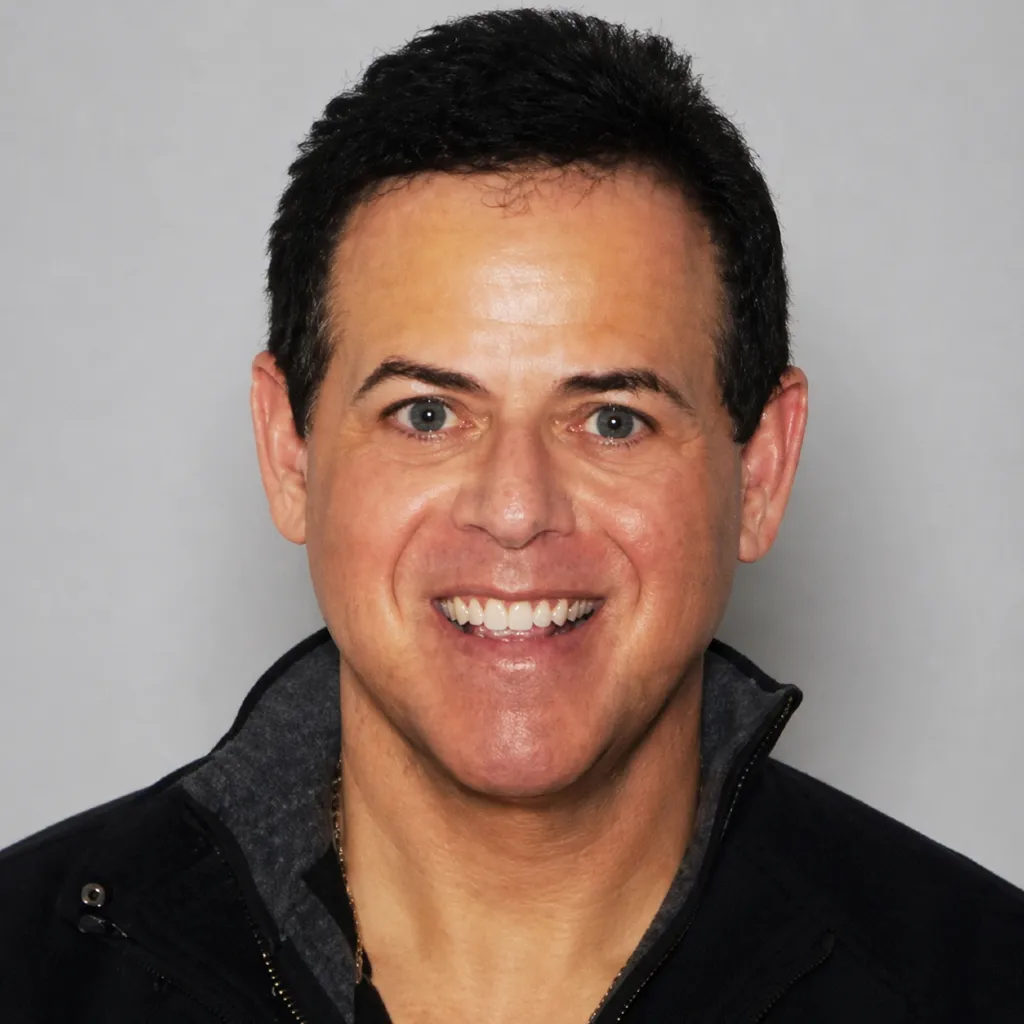
Clinically Reviewed By

Christa Patterson, LMHC, is Clinical Director and reviewer for Ingrained Recovery in Eastman, Georgia.
Christa Patterson, LMHC, is a licensed mental health counselor with over a decade of experience in substance use and behavioral health treatment.
Insurance Accepted
Free Insurance Benefits Check
Call Ingrained Recovery’s admissions team to discuss potential benefits and out-of-pocket costs.
View Insurance InformationAsk our admissions team about privacy practices before sharing personal information.
Admissions
Contact Admissions
Our approach blends evidence‑based therapies with compassionate, personalized care.
Working With Horses at Ingrained Recovery
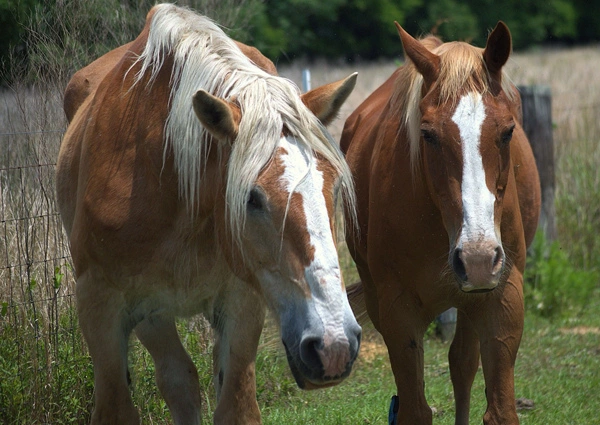
On our 50-acre campus in Eastman, Georgia, horses are part of the setting for adult substance-use treatment. Our equine-assisted program can give you space to try something new, pay attention to how you respond, and talk through what you notice with your treatment team.
A session might begin with observing the horses at a distance. As you become more comfortable, the team may suggest an activity that gives you space to notice your choices, reactions, or boundaries. The setting can make it easier to talk about what you noticed when you are ready.
Explore Equine Assisted Therapy at Ingrained Recovery!
Understanding Equine-Assisted Psychotherapy
Ingrained Recovery uses an Eagala-based approach. Eagala describes a ground-based, team-facilitated model of equine-assisted psychotherapy. PATH Intl. distinguishes equine-assisted therapy, learning, and horsemanship as different types of services (Eagala, n.d.; Professional Association of Therapeutic Horsemanship International, n.d.). Our guide to the OK Corral approach describes another way of working with horses in therapy.
How Equine-Assisted Activities Fit Into Care
Working around horses can offer a setting to reflect on emotions, coping, boundaries, and communication alongside other parts of your treatment.
An activity may invite you to observe the horses, notice their cues, or reflect on how you respond when an interaction goes differently than you expected. The team can discuss which activities fit your care plan.
Equine-Assisted Activities in Substance-Use Care
Adults receiving substance-use treatment may also be managing grief, anxiety, depression, or trauma-related symptoms. A session gives you a chance to notice your reactions and talk about what comes up. Our page on equine activities and emotional regulation explains how those conversations may fit into care.
- If anxiety makes an unfamiliar task difficult, you can ask to observe first and join at a pace that feels manageable.
- If you are working through a stressful experience, ask how the team helps you choose activities that feel comfortable.
- If a session brings up a concern you want to explore, you can bring it to a conversation with your treatment team.
If you prefer less direct interaction, you can still ask about observing the herd and discussing what you notice. For example, a horse moving away can prompt a conversation about space and boundaries. The facilitator can help you draw your own conclusions and connect the discussion to goals you have already identified.
Dual Diagnosis and Horse-Assisted Therapy
For some adults seeking substance-use treatment, anxiety, depression, or trauma-related symptoms may also be part of the picture. Our team can discuss support for co-occurring needs and how different activities may fit your care plan.
Equine-Assisted Activities and Support for Veterans
Veterans exploring adult substance-use treatment may want to ask how the team supports trauma-related needs and adapts activities to their comfort. Learn more in our guide to equine activities for veterans.
Ask about who leads sessions, whether you can opt for a different activity, and how your priorities will be discussed before participation.
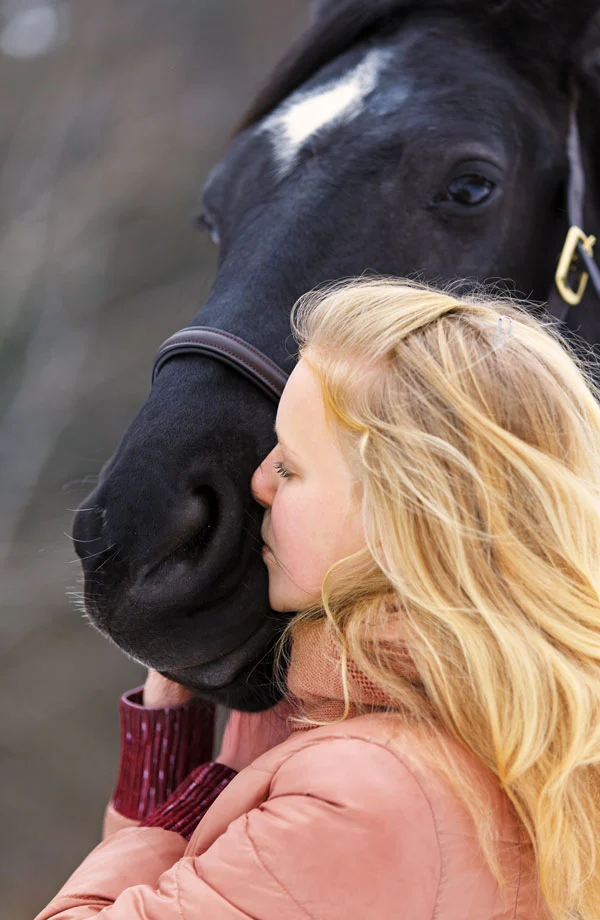
Are you looking for support with addiction and co-occurring mental health concerns? Our equine program offers another way to explore recovery. Horses offer space to connect without the pressure of a conversation. You can explore difficult emotions in a supportive environment.
Building Self-Confidence and Self-Esteem with Horses
A facilitator may invite you to try a task at your own pace and reflect on what felt manageable, frustrating, or rewarding. That conversation can help you consider how you approach unfamiliar situations.
You might notice when you want to step back or when it feels easier to ask for help. A facilitator can help you reflect on how those responses show up in other daily situations.
Support for Social Skills and Communication
A session can give you room to practice noticing nonverbal cues and talking through your response. Our guide to hippotherapy and equine-assisted therapy explains the difference between an equine-assisted psychotherapy model and services that use equine movement within a rehabilitation profession.
What to Expect Physically During a Session
Activities take place on the ground. You can ask what a session involves, whether it can be adapted to your mobility and comfort, and what other options are available.
For example, you can ask whether you can observe while seated, stand at a comfortable distance, or take a break during an activity. Tell the team if you have accessibility needs, allergies, or concerns about being around large animals.
Find Hope And Help In Georgia At Ingrained Recovery.

The Ingrained Recovery Approach to Equine Assisted Therapy
Talk with the team about what you would like to work on and what feels comfortable around horses. A facilitator can help connect a session to goals you are already discussing in treatment.
Some people are drawn to a hands-on activity, while others prefer to observe. Discuss what you are comfortable trying and how you could bring any useful observations back to individual or group sessions.
Equine-Assisted Activities Within Treatment
Our onsite care includes adult medical detox and residential treatment. Equine-assisted sessions can be one part of a plan that supports your work toward sobriety.
Recovery may involve several kinds of support over time. You can ask which parts of your care plan are intended to address substance use, which address co-occurring needs, and when your team reviews the plan with you.
Qualifications of Equine Therapy Mental Health Professionals
Ask who facilitates equine sessions, how the clinical and horse-handling roles work together, and how the team makes sure activities fit your needs and comfort.
During an assessment, explain any concerns about working around horses and ask how facilitators choose activities. If you prefer not to participate, you can discuss other ways to work on the same goals with your treatment team.
Your treatment plan may include individual and group sessions. If you’re considering equine-assisted activities, ask how the team would connect them with the work you are doing in your other sessions.
If you are comparing programs, ask which activities are available during your stay, how other sessions are scheduled, and how aftercare is planned. For benefit questions, see insurance questions about equine therapy or call Admissions for exact details.
Questions About Relationships and Family Support
You may choose to discuss trust, personal boundaries, or relationships during a session. You can bring those reflections to individual counseling and ask whether family support would fit your care plan.
Visit our recovery center in Georgia page to learn about the setting. When you talk with the team, ask how work on communication or boundaries could fit your plan and when family support is available.
Integrated Treatment Approach for Substance Use Disorders
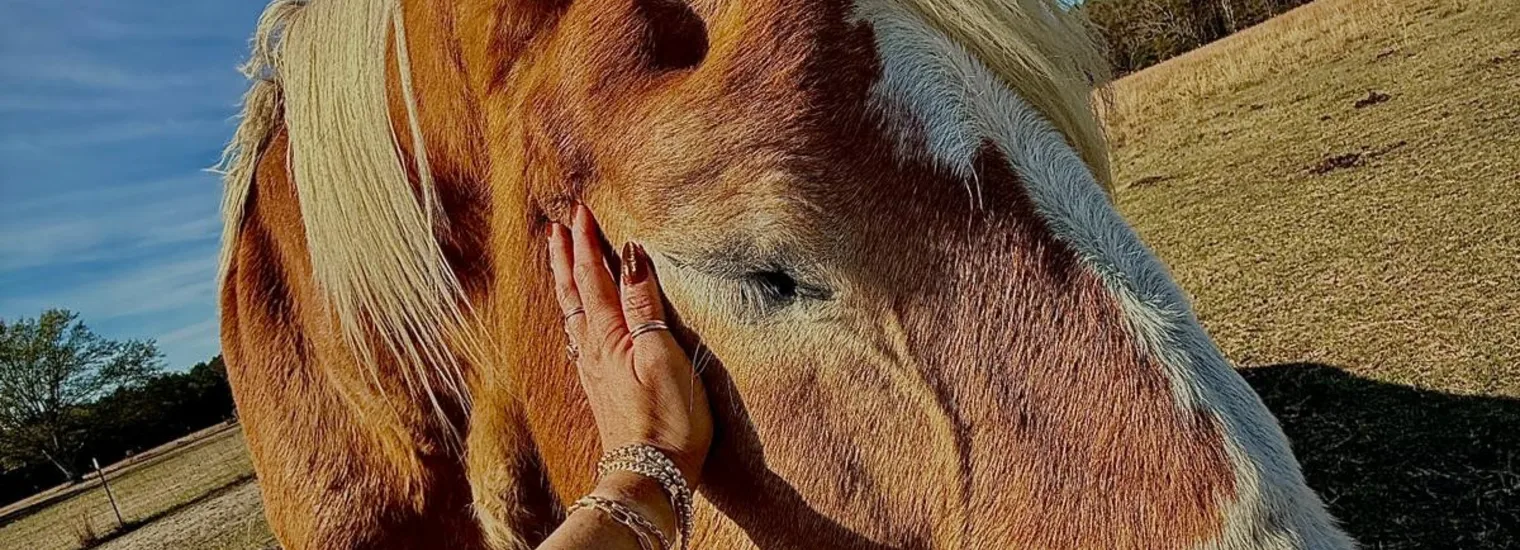
Equine-assisted activities are one part of adult substance-use care. Our team can help you decide how they may complement your clinical goals and help you build a stable foundation for sobriety.
The observations that feel useful in the arena can become topics for a conversation afterward. For example, you might discuss how you handled uncertainty or what made it easier to ask for help, then identify one way to practice that skill outside the session.
Get Solutions and Find Help at Ingrained Recovery Now
Start an Equine Therapy Program at Ingrained Recovery, Georgia
Call Admissions to ask what a session looks like, how participation is planned, and how the equine program fits into adult substance-use treatment in Eastman.
References
- Eagala. (n.d.). What is the Eagala model?.
- Professional Association of Therapeutic Horsemanship International. (n.d.). Equine-assisted services definitions guide for researchers.