Clinically Reviewed By

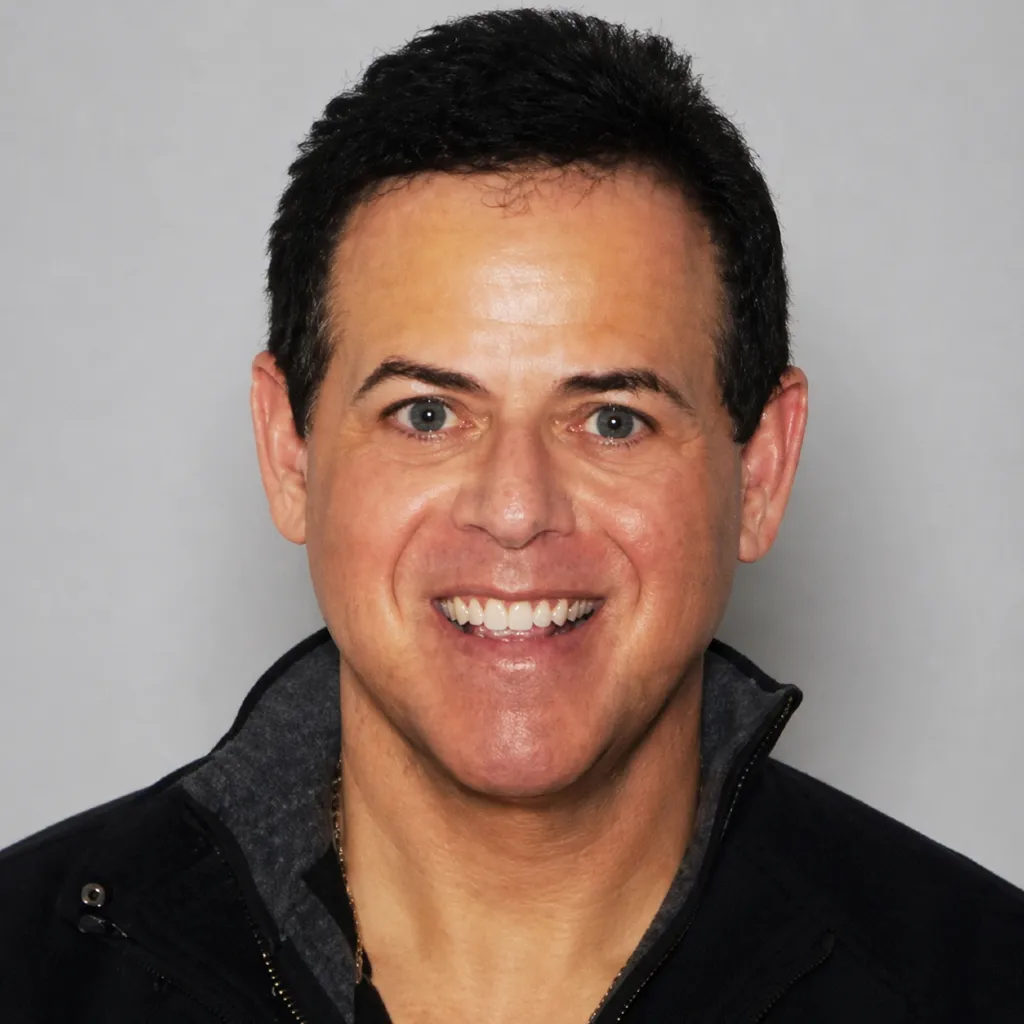
Brittney Wilcox, LPC-MHSP, is a licensed mental health professional and psychology faculty member with over a decade of experience serving justice-involved and high-risk populations.
Insurance Accepted
Free Insurance Benefits Check
Call Ingrained Recovery’s admissions team to discuss potential benefits and out-of-pocket costs.
View Insurance InformationAsk our admissions team about privacy practices before sharing personal information.
Admissions
Contact Admissions
Our approach blends evidence‑based therapies with compassionate, personalized care.
A Georgia Treatment Guide for Adults
Finding addiction treatment in Georgia starts with understanding the care you need and the setting that can provide it. At Ingrained Recovery, we offer medical detox and residential treatment for adults at our Eastman campus. People may consider our program from elsewhere in Georgia or from out of state.
This guide explains levels of care, questions to ask about treatment and insurance, and practical considerations before admission. Our community guides below provide more local context. If you are considering care with us, call our admissions team to discuss your needs, current availability and the next steps.
Explore Your Treatment Options
Georgia programs differ in clinical services, setting, admission criteria and costs. A clinical assessment can help identify an appropriate level of care; a program’s name or amenities cannot make that decision for you.
Our onsite services in Eastman are medical detox and residential treatment. If a partial hospitalization program, IOP or outpatient care is recommended, ask about referrals to other providers and confirm their services, availability and payment arrangements.
You can also explore information about rehab retreat settings and non-12-step approaches. Discuss which features matter to you alongside your clinical needs and practical responsibilities.
Discuss Care in Eastman

Understanding Addiction Treatment
Treatment may involve counseling, recovery skills, support planning and, when appropriate, medications for substance use disorders. The mix of services depends on the person’s assessment and goals.
Tell our clinical team about physical health conditions, current medications and mental health concerns. Ask who will assess these needs and how care is coordinated when another clinician or service is needed.
Medical Detox in Eastman
Medical detox addresses withdrawal needs when clinically appropriate. A clinician considers the substances used, health history and withdrawal risks when recommending a setting and plan.
Detox is not a complete treatment for addiction. The American Society of Addiction Medicine (2020) places alcohol withdrawal management within the process of engaging a person in ongoing treatment. Ask our admissions team how assessment, withdrawal care when needed and the next stage of treatment would be arranged for you.
Residential Treatment in Eastman
Residential addiction treatment provides an onsite setting for structured care. At our Eastman campus, treatment planning takes account of your needs and goals rather than assuming every person needs the same stay or sequence of services.
Ask how progress is reviewed, which services are appropriate for you and how your support network can be involved. Planning for continued care after discharge should include confirming any receiving provider’s arrangements.
Alcohol and Drug Treatment Options
When considering treatment, explain the substances you use, any previous treatment and the concerns that brought you to seek help. An assessment can help determine whether our Eastman program is appropriate.
- Alcohol treatment information: Discuss your drinking pattern, withdrawal history, health needs and goals with our clinical team.
- Drug treatment information: Tell our admissions team about opioids, stimulants, prescription medicines or other substances, including use of more than one substance. The appropriate plan depends on your circumstances.
Substance Use and Co-Occurring Mental Health Needs
A substance use disorder and a mental health disorder can occur together. This is often called a co-occurring disorder or dual diagnosis. It does not mean that every addiction is simply a symptom of another mental illness (Substance Abuse and Mental Health Services Administration, n.d.).
- Substance use needs: Ask about assessment, withdrawal risks and treatment for the substances involved.
- Mental health needs: Share current symptoms, diagnoses and medications so our team can consider their relevance to care.
- Coordination: Confirm which concerns our program can address and how existing clinicians or additional providers would be involved.
Please speak with us directly before admission so we can review your mental health and substance use needs and confirm whether our program is appropriate for you.

Comparing Georgia Programs
Talk with our admissions team about the program features that matter to you, alongside your preferences and clinical needs:
- Couples treatment: Ask us whether both adults meet our admission criteria and how individual care and relationship needs would be handled.
- Whole-person approaches: Ask how our program considers health, daily habits and practical recovery needs alongside clinical treatment.
- Amenities and accommodation: Ask us what is included in your care, including accommodation and amenities, alongside the clinical services you need.
- Ranch settings: Our rural setting may suit your preferences; discuss the clinical services you need with our team as well.
- Retreat-style programs: Ask us about the level of care, clinical staffing and services at our Eastman campus.
- Treatment methods: Ask our clinicians why an approach is recommended, what evidence supports its use for your needs and how progress will be assessed.
- DUI and legal requirements: Confirm the requesting authority’s requirements and whether a specific provider or assessment is accepted before enrolling. Treatment cannot guarantee a legal outcome.
- 12-step approaches and other options: Discuss your preferences and how peer support and clinical treatment would fit together.
Therapies and Clinical Fit

Therapy should be chosen with a qualified clinician based on the condition being addressed and your individual circumstances. The National Institute of Mental Health (2024) recommends asking about a therapist’s training, approach, goals and experience with your needs.
- Individual and group sessions: Ask how each format contributes to your plan.
- Cognitive behavioral therapy and related approaches: Ask which methods are available and why a clinician recommends them.
- Trauma-related needs: Discuss assessment, clinician qualifications and whether specialist care is appropriate.
- Equine-assisted activities: Ask about current availability, participation requirements and how any activity relates to your clinical plan.
- Family involvement: Discuss the role of loved ones, consent and appropriate boundaries.
- Medication: A qualified prescriber can discuss options relevant to your needs.
Educational resources, including our REBT worksheets, can support a discussion with your clinician. They do not establish that a particular therapy is available or suitable for everyone.
Planning for Continued Support
Consider how a treatment stay would connect with life afterward. Ask about follow-up care, medication needs when applicable, peer support and practical concerns such as housing or transportation.
Location may affect access to your support network and existing providers. Discuss referrals before discharge and confirm appointments, eligibility, fees and any insurance requirements with the receiving provider. A proposed referral does not guarantee placement.
Talk With Admissions About Your Needs

Traveling to Georgia for Treatment
If you are considering traveling to Georgia for treatment, plan the journey around confirmed admission arrangements.
- Air travel: Hartsfield-Jackson Atlanta International Airport handled approximately 106.3 million passengers in calendar year 2025 and ranked as the world’s busiest airport that year, according to Airports Council International–North America (2026). Its size does not guarantee a suitable flight or a short onward drive to Eastman; check your actual itinerary.
- Onward transportation: Confirm your arrival airport or pickup point, destination, timing and any costs with our admissions team before booking travel.
- Your practical needs: Consider weather, luggage, medications, mobility needs and how you will return home.
- Clinical and financial arrangements: Confirm suitability, availability and payment or insurance requirements before departure.
Understanding Treatment Costs
Costs depend on the services provided, the length of care and your payment arrangements. Ask our admissions team for an estimate explaining what is included and any separately billed services.
If you plan to use insurance, check network status, deductibles, copayments or coinsurance, authorization requirements and expected out-of-pocket costs. An initial benefits check is not a guarantee that an insurer will pay every charge (HealthCare.gov, n.d.).
Checking Your Insurance Benefits
HealthCare.gov (n.d.) explains that Marketplace plans include mental health and substance use services as essential health benefits. That does not establish coverage for every program, service or length of stay, or describe every type of insurance plan.
For substance use disorder treatment at our Eastman campus, our admissions team can help discuss plan-specific benefits and payment questions. Confirm details with your insurer, including whether our facility and your recommended services are covered and whether authorization is required.
Ask for the estimated costs you would be responsible for before committing to treatment or travel.
Choosing a Georgia Recovery Center

Discuss your clinical needs with us, and ask about our services, staff qualifications, licensing, admission criteria and costs. Ask us how we review your plan and what happens if you need a service we do not provide.
At Ingrained Recovery, our admissions team can discuss our medical detox and residential services in Eastman. If you need transportation assistance, tell us your pickup point so we can discuss eligibility, timing and costs before you make arrangements.
Georgia Community and Treatment Guides
Explore information for residents of the communities below. We provide treatment at our Eastman campus. Our broader Atlanta guide also provides information for residents of nearby communities, including Roswell, South Fulton and Sandy Springs.
- Alpharetta
- Albany
- Atlanta
- Athens
- Augusta
- Brunswick
- Columbus
- Cumming
- DeKalb County
- Fort Benning
- Macon
- Roswell
- South Fulton
- Sandy Springs
- Savannah
- Valdosta
- Warner Robins
- Information about IATSE rehab for union members in Georgia
- Other Georgia communities.
Discuss Your Next Step
Contact Admissions at Ingrained Recovery
Call 844-450-1700 to discuss your needs, current availability and plan-specific costs. We provide medical detox and residential treatment for adults in Eastman.
Confirm clinical acceptance, any authorization requirements and travel arrangements before departure. If another level of care is recommended, ask about referrals and confirm the receiving provider’s arrangements.
Visiting Our Eastman Campus
Our address is 3352 Antioch Church Road, Eastman, GA 31023. Use current driving directions to our campus from your starting point. Coordinate your arrival and any transportation assistance with our admissions team; routes and travel times vary.
References
Airports Council International–North America. (2026, July 27). Airports Council releases 2025 North American airport traffic rankings. https://airportscouncil.org/press_release/airports-council-releases-2025-north-american-airport-traffic-rankings/
American Society of Addiction Medicine. (2020). The ASAM clinical practice guideline on alcohol withdrawal management. https://www.asam.org/quality-care/clinical-guidelines/alcohol-withdrawal-management-guideline
HealthCare.gov. (n.d.). Mental health & substance abuse coverage. Retrieved October 26, 2026, from https://www.healthcare.gov/coverage/mental-health-substance-abuse-coverage/
National Institute of Mental Health. (2024, February). Psychotherapies. https://www.nimh.nih.gov/health/topics/psychotherapies
Substance Abuse and Mental Health Services Administration. (n.d.). Co-occurring disorders and other health conditions. Retrieved October 26, 2026, from https://www.samhsa.gov/substance-use/treatment/co-occurring-disorders