Medically Reviewed By

Kimberlynn Richards, MD, is Medical Reviewer at Ingrained and a Georgia-based addiction medicine specialist and internist with over 10 years of experience.
Insurance Accepted
Free Insurance Benefits Check
Call Ingrained Recovery’s admissions team to discuss potential benefits and out-of-pocket costs.
View Insurance InformationAsk our admissions team about privacy practices before sharing personal information.
Admissions
Contact Admissions
Our approach blends evidence‑based therapies with compassionate, personalized care.
Residential Addiction Treatment in Eastman, Georgia
Ingrained Recovery provides residential substance-use treatment for adults in Eastman, Georgia. If you’re looking for help with alcohol or drug use, our Admissions team can talk through the next step, including support for co-occurring mental health needs.
Getting Ready for Your Residential Stay
Before you arrive, our Admissions team can explain what to bring, check which records we need, and help with travel arrangements. Have a list of your current prescriptions and your insurance card if you plan to use insurance.
We’ll help you pack for the season and the activities you’re interested in. You might bring walking shoes for our marked trails or binoculars for birdwatching. If you’d like to fish in our stocked pond, ask what gear to bring (or use our equipment if you prefer).
Your care team will work with you on an aftercare and relapse prevention plan. After you leave, our team follows up by phone to see how you’re doing and discuss additional support if you need it.
Get Effective Residential Treatment Programs at Ingrained
What to Expect in Residential Treatment
In a residential program, you live onsite and follow a daily treatment schedule. At Ingrained, your team works with you to set goals, plan your care, and make time to practice skills you can use after discharge.
We also support co-occurring mental health needs as part of adult substance-use treatment. Tell Admissions what concerns you want the care team to consider.
As your stay progresses, ask how the team reviews your goals, who to contact when symptoms change, and how medication decisions are communicated.
How Residential Care and Medical Detox Fit Together
Residential care focuses on ongoing treatment and recovery skills. Medical detox focuses on managing withdrawal under medical care when an assessment indicates it is needed. Your starting point depends on your needs. Ask how the transition from detox to residential care is arranged, if both are recommended.
See our guide to planning the length of your stay for questions about timing, work, and travel.
The Many Benefits of Residential Treatment at Ingrained Recovery
Living onsite can give you time to establish a routine, work on treatment goals, and practice ways to respond to stress or triggers. Your care plan can include counseling, structured activity, and preparation for the transition home.
Comprehensive and Evidence-Based Care
Your care team can discuss substance use, medication needs, and mental health concerns when planning treatment. Depending on your needs, you may take part in individual and group counseling or activities that complement your care. Ask how each service fits into your plan.
Before you leave, the team can help put together an aftercare and relapse prevention plan. See our aftercare resources for questions to bring to that conversation.

Our Gorgeous Campus Offers a Structured Environment
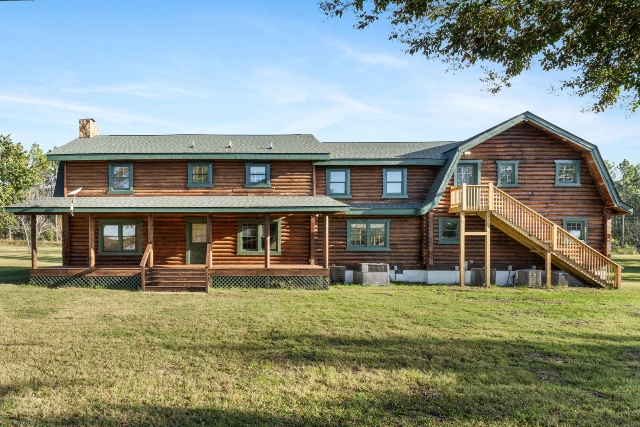
Our 50-acre campus in Eastman includes walking trails, outdoor gardens, a hoop house, and an onsite equine program. Ask what a typical day looks like and how activities fit around treatment and rest.
As you compare residential programs, consider what routines would help you participate. Ask when sessions and meals are scheduled, how downtime works, and what you can bring. Our packing guide can help you prepare.
Intensive Support and Trained Clinicians
Ask who you’ll meet at intake, how medication is reviewed, and who to contact when a need comes up during your stay.
What to Ask Before Admission
- Which level of care is being considered, and how is that decision made?
- What should I bring, including current medications or a medication list?
- How will the team review my treatment goals and plan follow-up support?
- What is included in care, and what costs should I plan for?
Ask About Residential Care at Ingrained

How Much Does Residential Treatment Cost in Georgia?
Contact Ingrained Recovery’s admissions team for current residential treatment costs, what is included in the proposed care and any charges that may be separate.
Ingrained Recovery accepts insurance. Call Ingrained Recovery’s admissions team to confirm potential benefits for the proposed services and any out-of-pocket responsibilities.
If you are considering self-pay, ask about current costs and any available payment options. Confirm their terms directly before admission.
Does Health Insurance Cover Inpatient Rehab in Georgia?
Benefits depend on your plan and the services being considered. Call Admissions for exact rehab insurance benefits, any authorization requirements, and expected out-of-pocket responsibilities.
Making Residential Treatment Programs Accessible at Ingrained
Contact Ingrained Recovery’s admissions team to discuss current treatment costs, insurances accepted and any available payment options.
Confirm which options apply to your proposed care and their terms before admission.
What Treatment Programs Does Ingrained Offer?
With our residential treatment program, Ingrained supports adults seeking care for issues involving the following substances:
Questions About Family and Individual Needs

If military experience, a partner’s needs, or family responsibilities affect your plans for treatment, bring them up when you speak with Admissions. We can discuss the needs of each person and what to consider when planning a residential stay.
Intensive Outpatient Programs
An intensive outpatient program is one option a care team may discuss when planning follow-up. Ingrained offers medical detox and residential treatment onsite. If outpatient services are appropriate, referrals are considered based on individual needs, location, and the aftercare plan.
If your care team recommends outpatient follow-up, ask about appointment frequency, location, transportation, and how the new provider will receive information about your care. A relapse prevention worksheet can help you organize questions for that planning conversation.
Does Ingrained Offer Inpatient Dual Diagnosis Treatment?

Our dual diagnosis care addresses co-occurring mental health needs within substance-use treatment. Let Admissions know if you already have a diagnosis or want the care team to consider particular symptoms or medications.
The Criteria for an Effective Residential Treatment Center
When choosing an effective residential treatment center, whether seeking rehab for executives or otherwise, it is essential to evaluate the treatment approaches and facility amenities offered. Here are some key factors to consider.
- Ensure that the center provides evidence-based therapies.
- Look for personalized treatment plans that cater to individual needs.
- Check for comfortable living spaces that promote a sense of well-being.
- Consider the availability of recreational activities that support holistic healing.
By considering these factors, you can contribute to a more positive treatment experience and a higher likelihood of successful recovery.
Evaluating Residential Addiction Treatment Approaches
Ask how the program decides which services to use, how your progress is reviewed, and how your care plan can change. You can also ask who coordinates medications, counseling, and aftercare.
Assessing Amenities at a Georgia Inpatient Rehab Facility

Assessing facility amenities is essential to ensure that the residential treatment facility offers a secure and comfortable atmosphere for individuals to receive treatment, whether someone is court ordered to rehab or simply looking for an upscale treatment center.
Comfortable living spaces, recreational activities, and a positive environment can contribute to a more successful recovery process.
We find that having access to a range of amenities and activities can help clients remain engaged and motivated throughout their treatment.
When evaluating facility amenities, consider factors such as:
- The ability to effectively address a range of mental health and behavioral disorders
- Providing a structured environment with 24-hour supervision
- Offering a range of counseling, education, and treatment services
- Having a history of research demonstrating effectiveness.
Explore Ingrained’s residential care and supportive campus, and speak with our admissions team about whether the program fits your needs.
We invite you to reach out with any questions about our residential programs, and can even schedule a virtual tour to help you see our gorgeous setting firsthand.
Reach Out Now for Support at Ingrained Recovery
Call Admissions to talk about residential treatment in Eastman, which level of care may fit, and what to expect at intake.
Check Insurance Benefits for Residential Treatment
FAQs on Our Inpatient Treatment Programs in Georgia
What services does Ingrained Recovery provide during residential treatment?
What does your inpatient rehab center offer for therapeutic approaches?
What are the advantages of a structured environment in residential treatment?
Does health insurance cover inpatient rehab at Ingrained?
References
- Substance Abuse and Mental Health Services Administration. Treatment types for mental health, drugs, and alcohol.