At our Eastman, Georgia facility, animal therapy for addiction recovery includes observing, grooming, and leading horses alongside adult clinical care. An onsite animal handler and clinician support the work.
Participation is completely voluntary. We consider each client’s interests, health, and comfort around animals, with alternatives that include clinician-guided videos.
We should note that horse-based activities add an experiential option to care; they do not replace counseling or medical treatment.
What Is Animal-Assisted Therapy?
Animal-assisted therapy is a planned professional service that includes an animal in work toward a person’s treatment goals. The International Association of Human-Animal Interaction Organizations describes professional oversight, appropriate training, and review of progress as features of formal therapy (International Association of Human-Animal Interaction Organizations [IAHAIO], 2018).
For example, an activity might be designed to explore communication or participation. The clinician remains responsible for the clinical work. The therapeutic alliance, meaning the working relationship between a person and their clinician, remains central to how the activity is planned and discussed. An animal’s presence does not turn an informal visit into psychotherapy.
Animal-assisted services is a broader term used for several types of work. When comparing programs, ask which service is being described and who delivers it.
Get Accredited Treatment Programs at Ingrained Recovery
Animal-assisted activities
These may include planned visits or recreational interactions intended to offer support or enjoyment. They differ from a formal treatment service with individualized clinical goals (IAHAIO, 2018).
Some programs use therapy dogs in canine-assisted therapy or planned visits. A friendly animal can be welcome without the interaction being clinical therapy. Programs should describe the service accurately so people know what to expect.
Equine-assisted services
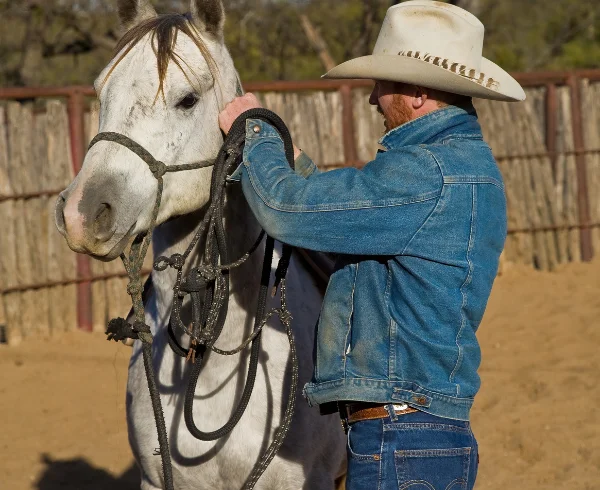
Equine-assisted services involve horses and can include treatment, learning, or other structured activities. Different approaches have different staffing and goals. The term should not automatically be read as psychotherapy or riding (Diaz et al., 2022).
Ask whether an activity involves observation, contact from the ground, riding, or another format. Confirm the training and supervision required for the specific activity rather than making assumptions from photographs or a program name.
What Does Addiction Research Say?
A 2022 scoping review identified nine studies of equine-assisted services involving people receiving treatment for substance use disorders. Some findings suggested possible effects on engagement, completion, or participants’ experiences. However, small samples, differing methods, and limited studies made effectiveness inconclusive (Diaz et al., 2022).
Participants in qualitative studies described experiences such as connection with horses, confidence, and motivation. Those reports help explain why some people value the approach. They do not prove that it causes long-term abstinence or that every participant will benefit.
The review maps an evidence base rather than establishing superiority over standard treatment. More research is needed to clarify who benefits and whether changes persist into long-term recovery. Its findings about horses also should not be applied automatically to dogs, other species, or informal pet companionship.
Get Proven Detox and Rehab Options at Ingrained
Communication Skills and Other Goals for Animal-Assisted Work
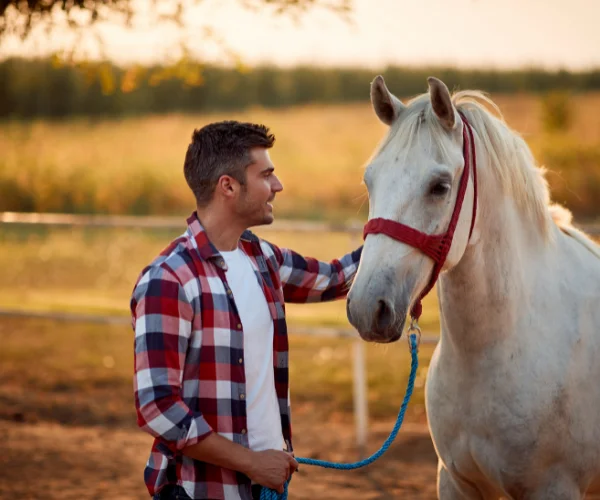
The goals should be chosen with the person receiving care. Communication skills, emotional management, and comfort participating in treatment sessions are examples to discuss with a clinician. Illustrative examples include:
- Practicing a clear request.
- Asking a staff member for help.
- Recognizing when to pause an unfamiliar task.
- Respecting another being’s space.
- Discussing frustration without judging it as a failure.
- Taking part in a shared activity at a comfortable level.
These examples are opportunities for practice, not established outcomes for everyone. A treatment team can consider what happened and whether it relates to the person’s care.
A possible reflection after an activity
Imagine that an animal moves away during a supervised activity. A useful conversation might explore how the participant responded and whether they asked for guidance. It should not assume that the animal rejected the person or detected a hidden diagnosis.
Animals have their own needs, behavior, and preferences. Their reactions are not a test of a person’s worth, honesty, or commitment to recovery.
Animal-Assisted Work Within Addiction Treatment
A treatment plan should address substance use, physical health, mental health care, and ongoing support. Clients with co-occurring mental health conditions still need individualized assessment and appropriate treatment options. An animal-related activity is one possible component rather than the organizing principle for every clinical decision.
Ask how the provider:
- Assesses whether participation is suitable.
- Chooses goals with the participant.
- Coordinates the activity with counseling and medical care.
- Reviews useful and difficult experiences.
- Changes the plan when an activity is not helping.
No one should be asked to stop a prescribed medication in order to participate. Needed medical assessment, withdrawal management, and counseling should keep their place in care.
An animal-assisted session also cannot manage an overdose, dangerous withdrawal, or another medical emergency. Immediate safety needs require appropriate emergency care.
Our Equine-Assisted Program at Ingrained Recovery
At Ingrained Recovery, we provide adult Residential Treatment and medical detox at our facility in Eastman, Georgia. Our equine-assisted program is an adjunct to clinical care.
What clients can do with horses
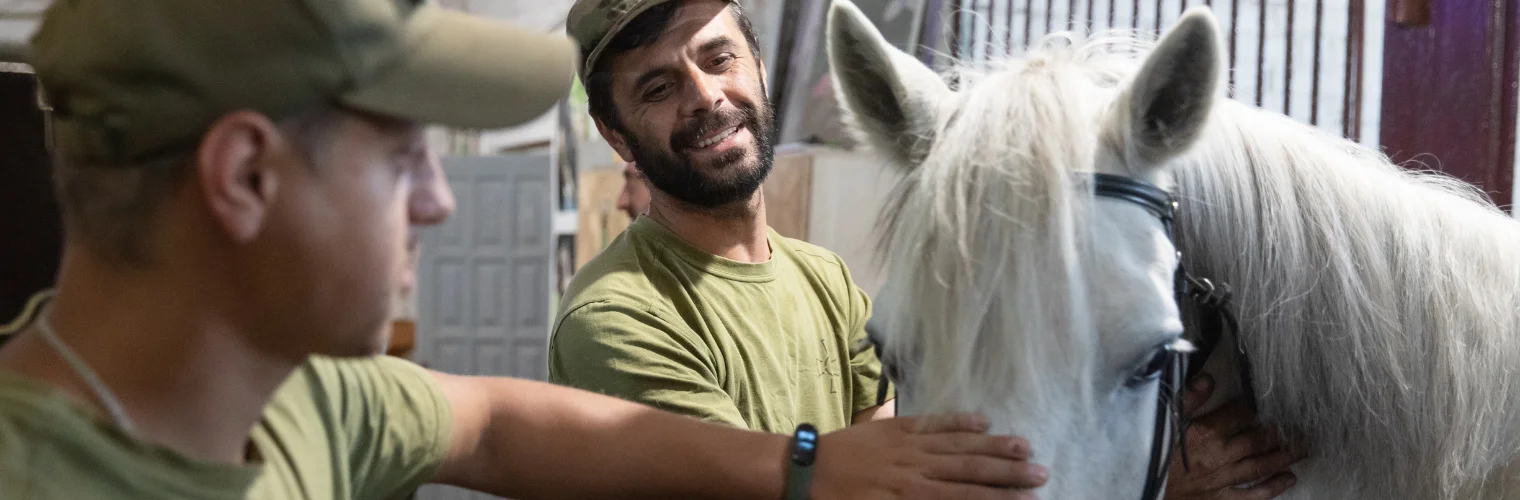
Our current activities include observing horses, grooming horses, and leading horses. A session can offer a starting point for discussing body language, asking for help, or noticing a response to an unfamiliar task. Riding is not typically part of our offerings. Activities are considered within the client’s treatment plan and comfort around animals.
Cows, donkeys, and pigs are also present on the property. Our structured animal-assisted activities described here focus on the horses.
Our onsite team
An onsite animal handler with PATH certification handles the horses. We also have an onsite clinician certified in equine therapy approaches. The handler’s animal-related role and the clinician’s treatment role support the work together. We use an EAGALA-based approach, with seven resident horses and a certified EAGALA trainer.
Voluntary participation and alternatives
Participation is completely voluntary. Tell the team about allergies, fear, physical limitations, or another reason you prefer a different activity.
Alternatives include observation when appropriate for the individual’s health and comfort, and videos describing the process with guided support from clinicians. Observation still involves the setting and possible exposure, so it should not automatically be assumed suitable for someone with an allergy.
Who Might Prefer Another Approach?
Interest in animals is personal. Some people enjoy animal contact; others find it uncomfortable or would rather focus on another activity.
Tell the treatment team about:
- Allergies or asthma affected by animal exposure.
- Fear of a particular species.
- A distressing past experience involving animals.
- Mobility, balance, or other physical limitations.
- Health conditions that could affect infection risk.
- Sensory needs or discomfort with an outdoor setting.
- Cultural, religious, or personal preferences.
Individual assessment matters. Ask what adaptations or alternatives are available, and whether you can observe before deciding. Observation may still involve exposure, so it should not be assumed safe for every allergy or health concern.
Declining an activity is not evidence of poor motivation. Treatment planning should consider what the person can safely and willingly do.
Safety for People and Animals
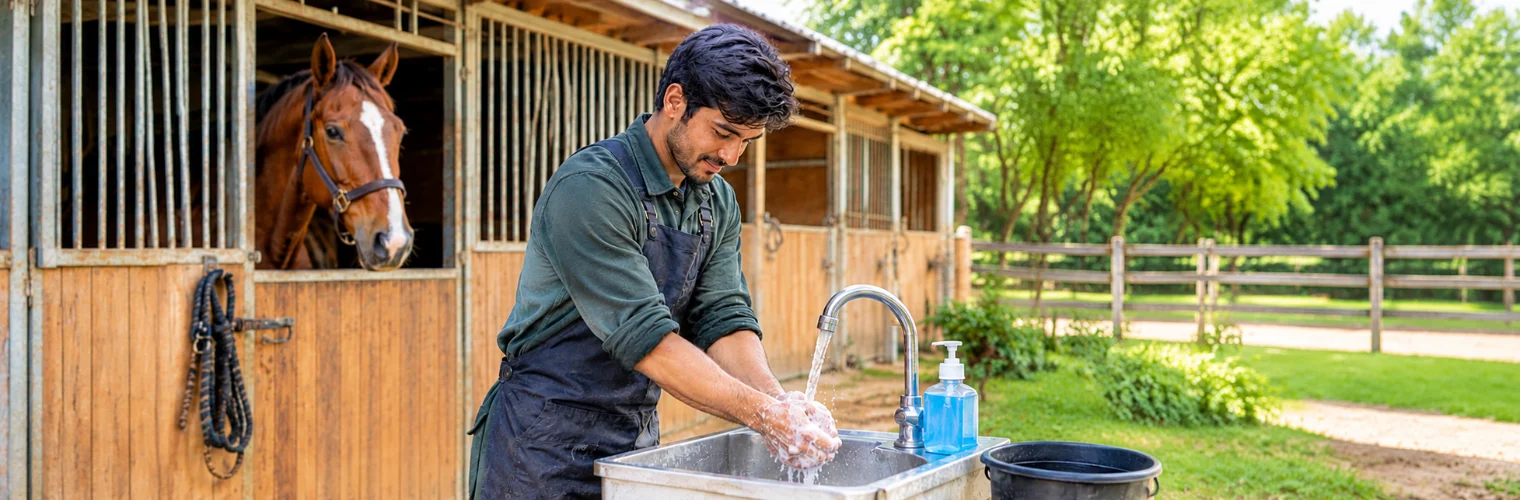
Professional guidance emphasizes protecting both human participants and animals. Relevant issues include suitability, staff preparation, supervision, and the animal’s health and wellbeing (IAHAIO, 2018, n.d.).
Supervision and physical safety
Before contact, ask who is responsible for handling the animal and who is responsible for the clinical activity. Those may be different people. IAHAIO’s education guidance distinguishes activity-based and professionally led services and describes training relevant to each role (IAHAIO, n.d.).
The program should explain boundaries, safe approaches, appropriate clothing, and what to do if you feel uneasy. Follow staff instructions and report discomfort rather than pushing through an activity. Bites, scratches, falls, and kicks can cause injury and should be reported promptly.
Hygiene and infection precautions
Animals that look healthy can still carry germs. The CDC recommends washing hands after touching farm animals or their surroundings and avoiding hand-to-mouth contact before washing. Animal areas also need appropriate cleaning and other precautions (Centers for Disease Control and Prevention [CDC], 2026).
Ask how the program handles handwashing, wounds, and individual health risks. A clinician can advise whether a particular exposure is appropriate for someone with a weakened immune system or another relevant condition.
A serious injury, breathing difficulty, or collapse needs urgent emergency assessment. Do not wait for a routine follow-up conversation.
Animal welfare and choice
Animals need appropriate care, rest, handling, and protection from stressful interactions. Staff should recognize signs of discomfort and end or adapt an activity when needed (IAHAIO, 2018).
Ask how the animal can withdraw from contact and how staff decide when a session should stop. An animal should not be forced into interaction to complete a participant’s task.
Therapy Animals, Service Animals, and Emotional Support Animals
These terms describe different roles.
A therapy animal participates in a service or activity involving other people. A service animal, under the Americans with Disabilities Act, is generally a dog individually trained to perform work or tasks related to a person’s disability. Comfort from an animal’s presence alone is different from trained disability-related tasks (U.S. Department of Justice, 2020).
An animal-assisted program does not determine a facility’s rules for a participant’s own animal. If you use a service animal, have an accommodation need, or want to ask about a personal pet, discuss the specific circumstances with admissions before arranging a stay. Different legal requirements and policies can apply; this article does not decide an individual access question.
For more about trained assistance tasks, see our guide to deep pressure therapy dogs.
Questions About Treatment Options, Costs, and Availability

Do not rely on a general online estimate for the cost of animal-assisted services. The charge can depend on the program, setting, provider, and how the service is billed.
Ask:
- Is the activity included in the program fee or billed separately?
- What service is actually being provided?
- Is a particular activity guaranteed, or does availability vary?
- Does the provider bill insurance for it?
- What should I verify with my insurer?
- What costs could remain my responsibility?
The presence of an animal or a clinical professional does not, by itself, establish coverage. Request an explanation specific to the service and your plan.
Explore Equine-Assisted Support at Ingrained Recovery
Our horse-based activities offer interested clients opportunities for observation, grooming, and leading with support from our onsite animal handler and clinician. Participation is voluntary, with alternatives considered for individual needs.
Call our admissions team confidentially to discuss adult addiction care at our Eastman facility and how equine-assisted work may fit your treatment plan.
Many Forms of Insurance Accepted for Treatment
Frequently Asked Questions
Is animal therapy proven to prevent relapse?
The equine-assisted review discussed here does not establish relapse prevention or long-term abstinence. The approach should be considered in context with the rest of a treatment plan.
Do I need experience with horses?
Ask the provider about beginner participation, instruction, and physical requirements. Do not assume prior experience is required or that every activity is suitable for a beginner.
Does equine-assisted therapy always involve riding?
No. At Ingrained, observing, grooming, and leading horses are part of our offerings. Riding is not typically included. The team can explain the activities appropriate for an individual client.
Can I choose an activity without animals?
Yes. Participation in our animal-related activities is completely voluntary. Alternatives include clinician-guided videos describing the process. Observation may also be considered when it fits the client’s health, comfort, and preferences.
Can I bring a pet or service animal to treatment?
Ask admissions about your specific situation before making arrangements. A facility’s own equine or therapy-animal program is separate from questions about a person’s animal and accommodation needs.
References
- Centers for Disease Control and Prevention. (2026, June 15). Farm animals.
- Diaz, L., Gormley, M. A., Coleman, A., Sepanski, A., Corley, H., Perez, A., & Litwin, A. H. (2022). Equine-assisted services for individuals with substance use disorders: A scoping review. Substance Abuse Treatment, Prevention, and Policy, 17, Article 81.
- International Association of Human-Animal Interaction Organizations. (n.d.). IAHAIO international guidelines for minimum standards for education and training in animal-assisted interventions (AAI).
- International Association of Human-Animal Interaction Organizations. (2018). The IAHAIO definitions for animal assisted intervention and guidelines for wellness of animals involved in AAI [White paper].
- U.S. Department of Justice. (2020, February 28). Frequently asked questions about service animals and the ADA.