Put simply, woodland therapy uses guided, intentional time in a natural setting to support calm, attention, emotional awareness, and recovery skills as part of a broader addiction treatment program.
For adults in addiction recovery who respond well to movement, sensory grounding, and experiential learning alongside counseling, it offers a practical way to manage stress, navigate cravings, build sober routines, and strengthen emotional regulation in an outdoor setting.
At Ingrained Recovery, our rural Eastman, Georgia, environment gives clients room to step away from familiar triggers and practice grounding in a setting that feels open, quiet, and connected to daily life.
This article explains what woodland therapy is, how it relates to forest bathing and other nature-based approaches, what research says about its benefits, how we use specific outdoor activities in treatment, who tends to benefit most, how it fits with clinical care, and how to keep a nature connection going after treatment.
Essential Takeaways
- Woodland therapy, also called Forest Therapy, is a practical term for structured nature-based activities in wooded or green settings. It may include mindful walking, sensory grounding, reflection, movement, and guided discussion.
- Forest bathing, or shinrin-yoku, focuses on slow sensory contact with the forest rather than distance, speed, or athletic performance.
- Research suggests forest-based activities may support short-term reductions in stress, anxiety, depressed mood, and blood pressure, but study quality and methods vary.
- Nature-based work is most useful when it supports a clear treatment goal, such as managing cravings, improving emotional regulation, or building a healthy routine.
- Woodland therapy is different from wilderness survival programs, outdoor recreation alone, and licensed psychotherapy conducted outdoors.
- At Ingrained Recovery, outdoor and experiential activities complement medically supervised detox, residential care, counseling, and relapse-prevention planning.
Get Accredited Treatment Programs at Ingrained Recovery
What Is Woodland or Forest Therapy?
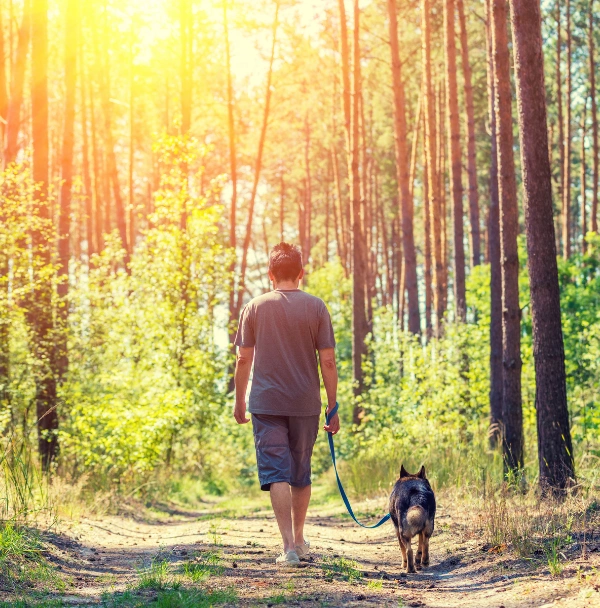
The term woodland therapy does not describe one universal clinical method. It is often used to describe guided activities that help people engage with trees, trails, wildlife, light, weather, and other features of a natural environment.
A woodland session may include:
- A slow walk with attention to the senses
- A brief grounding or breathing exercise with prompts to breathe deeply
- Quiet observation of a tree, plant, sound, or landscape
- Journaling or reflection
- Gentle movement
- A discussion about stress, cravings, emotions, or values
- A practical plan for using nature after treatment
The goal is not to cover miles. It is to become more aware of the present moment and use that awareness in recovery, because a repeated forest therapy experience can make a noticeable difference over time.
At Ingrained Recovery, the term describes nature-based and experiential support within our clinical program. It does not mean that the woods replace a therapist, medical care, medication, or other evidence-based services.
Get Proven Detox and Rehab Options at Ingrained
Woodland Therapy, Forest Bathing, and Forest Therapy
Several related terms appear in research and wellness programs.
Forest bathing
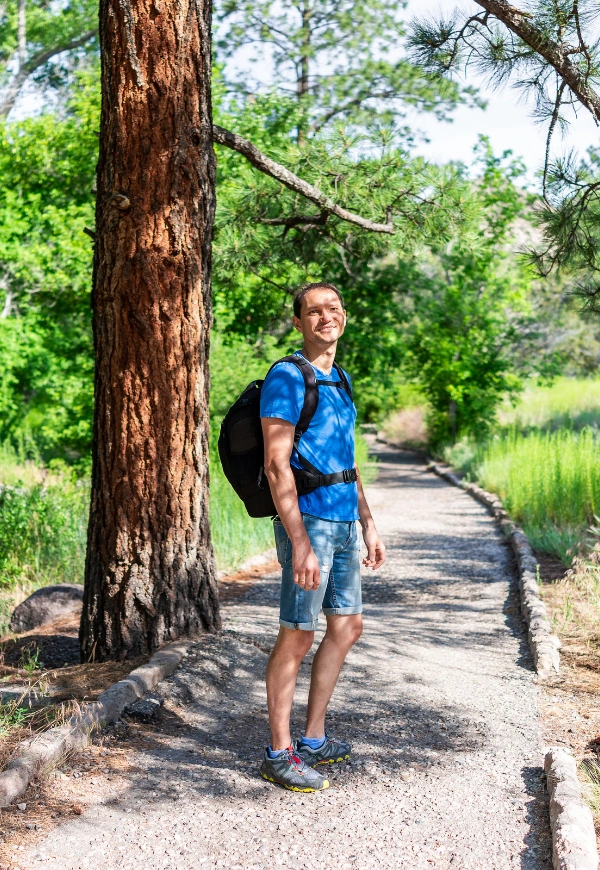
Forest bathing comes from the japanese practice of shinrin-yoku. It involves slowly taking in the atmosphere of a forest through sight, sound, smell, touch, and movement, a method used since 1982. It is not bathing in water, and it is not primarily exercise.
Forest therapy
Forest therapy may refer to a more structured nature-based intervention with specific health or well-being goals. Some programs are led by a trained forest therapy guide who may guide visitors through structured experiences and offer advice on walking and exercise, drawing on knowledge of environmental science and physiology as well as current science; others are designed by healthcare or mental health teams for visitors. In therapeutic practice, forest is often used interchangeably with woodland.
Nature-based therapy
Nature-based therapy is a broader category. It can include counseling outdoors, horticultural activities, adventure-based work, mindfulness in green spaces, and other structured experiences.
Wilderness therapy
Wilderness therapy usually describes a separate treatment model involving extended outdoor living, remote settings, and intensive programming. Woodland therapy at Ingrained Recovery should not be confused with a survival expedition or a remote wilderness placement.
How Nature Connection Can Support Addiction Recovery
Substance use can narrow a person’s life. Time becomes organized around obtaining, using, recovering from, or hiding alcohol and drugs. Recovery requires new routines, sources of meaning, and ways to respond to stress.
Nature-based activities can support that process in several practical ways.
Grounding during stress and cravings
A craving can pull attention toward one urgent thought: use now. Sensory grounding redirects attention to what is happening in the body and environment, which can also support stress reduction. A person may notice the feeling of the ground, the temperature of the air, several shades of green, or the farthest sound they can hear.
The exercise does not make every craving disappear. It can create enough space to use another part of the relapse-prevention plan, such as calling support, leaving a risky setting, eating, resting, or attending a meeting.
Slowing automatic reactions
Woodland settings encourage a different pace. Walking slowly and observing before reacting can become practice for handling conflict, anxiety, and impulsive decisions. The person learns to pause, gather information, and choose the next action.
Building a sober routine
Recovery becomes stronger when daily life includes meaningful, repeatable activities. Walking in a park, caring for plants, sitting outside with a journal, or joining a sober hiking group can provide structure without centering alcohol or drugs.
Supporting emotional awareness
Some people find it easier to identify feelings while moving or looking outward rather than sitting face-to-face in a room. A counselor can help connect an outdoor experience to grief, anger, fear, shame, or hope without forcing the setting to produce a breakthrough.
Practicing connection
A group walk can create a sense of community through cooperation, comfortable silence, and shared attention. Clients can practice being with others without needing to perform, entertain, or disclose more than they are ready to share, and for some, that shared outdoor practice can feel healing.
What the Research Says About Forest Therapy

Research on forest bathing and forest therapy has expanded. Systematic reviews and meta-analyses have reported encouraging short-term results for stress, anxiety, depressed mood, and some physical measures, including blood pressure and heart rate. Research has examined both mental and physical health outcomes in human beings and has also explored potentially beneficial effects on the immune system linked to forest exposure.
Some studies report increases in cancer-killing proteins and immune cells after forest walks, and inhaling phytoncides from trees may help support the immune system.
A 2026 meta-analysis of 25 studies found that forest therapy was associated with reductions in psychological stress, depressive symptoms, and anxiety symptoms. The researchers also reported substantial differences between studies and lower confidence for some emotional-health outcomes.
Earlier reviews reached a similar conclusion. Forest-based interventions appear promising, but many studies have small samples, short follow-up periods, varied activities, and limited geographic diversity. Participants also know whether they are in a forest, so blinding is not possible.
This evidence supports using nature as a complementary recovery tool. It does not support claims that woodland therapy cures addiction, replaces standard mental health treatment, or can yet be framed as disease prevention.
Potential Mental and Physical Health Benefits
Woodland therapy may support several areas that matter during recovery.
Stress and anxiety
Natural settings may help reduce short-term psychological stress and support a calmer state. A quieter environment can make grounding, paced breathing, and reflective walking easier to practice.
Mood
Forest-based programs have been associated with reduced depressive symptoms in several studies. For a person in recovery, the most practical benefit may be renewed activity, attention, and connection rather than a promise of immediate happiness.
Attention and rumination
Repetitive negative thinking can make cravings, shame, and anxiety feel larger. Sensory attention gives the mind a specific task outside the thought loop. The person notices wind, birds, texture, light, or movement and then returns to the present when attention drifts.
Blood pressure and physical tension
Some studies have found lower blood pressure after forest exposure, a beneficial effect that is usually short term and supportive. Slow walking and calm breathing may also help a person notice and release muscle tension. These effects are supportive, not a replacement for medical evaluation or treatment.
Sleep and daily rhythm
Daylight, movement, and regular activity can support a healthier routine. An outdoor practice earlier in the day may also help a person separate daytime activity from evening rest.
What Nature-Based Activities Can Look Like at Ingrained

Our Eastman retreat-style addiction treatment setting gives clients access to open land, wooded views, outdoor movement, and other experiential activities. The exact activity can change based on the treatment schedule, weather, mobility, and the client’s goals.
Examples may include:
Sensory walks
Clients move at a comfortable pace and notice what they can see, hear, smell, and feel. The focus remains on awareness rather than distance.
Grounding in a natural setting
A clinician or facilitator may guide an eyes-open breathing exercise, a five-senses check, or a brief body scan while the client remains seated or standing outdoors.
Reflective journaling
A prompt can connect the outdoor experience to recovery. Examples include:
- What did I notice after slowing down?
- Where do I feel pressure to move too quickly?
- What does steady growth look like in my recovery?
- Which outdoor practice could fit my life after treatment?
Group problem solving and movement
Outdoor tasks can support communication, pacing, and cooperation. These activities may overlap with our adventure therapy resources while remaining matched to the group’s safety and clinical needs.
Quiet observation
Not every activity needs a long discussion. Sitting quietly, watching weather change, or listening to a natural sound can help clients practice tolerating stillness without escaping into substance use.
Integrating Woodland Therapy With Clinical Treatment
Nature-based activities become more useful when they connect to the rest of treatment. A client may practice grounding outside, then discuss the experience in individual therapy.
A group may identify stress cues during a walk and later add them to a relapse-prevention plan.
Our clinical program can connect outdoor work to goals such as:
- Recognizing craving and stress signals
- Improving emotional regulation
- Building a daily routine
- Increasing healthy movement
- Practicing communication
- Reducing isolation
- Finding sober recreation
- Preparing for aftercare
This integration keeps woodland therapy from becoming a disconnected wellness activity. The experience supports the same recovery plan followed in counseling and residential care.
Who May Be a Good Fit for Forest Therapy Sessions?
Nature-based work may appeal to adults who:
- Feel restless or shut down in indoor settings
- Benefit from movement and sensory grounding
- Struggle with stress, anxiety, or repetitive thoughts
- Need new sober activities
- Want to improve attention and emotional awareness
- Prefer experiential learning alongside counseling
Activities can often be adapted for different fitness and mobility levels, and some outdoor options may also be adjusted for people managing physical pain or rehabilitation needs when medical guidance and safety allow. A client may walk a short route, use a seated outdoor practice, or work near a building rather than on uneven terrain, especially when they are participating in our tranquil Georgia setting.
Participation should be planned carefully for people with severe allergies, heat sensitivity, heart or lung conditions, fall risk, medication-related sun sensitivity, or intense fear of outdoor environments. Weather, insects, hydration, footwear, and access to help all matter.
Nurturing Your Nature Connection After Residential Treatment

A useful recovery practice should be repeatable after discharge. Clients do not need a remote forest to continue the basic skills.
Nature connection can include:
- A daily walk under neighborhood trees
- Sitting in a park before or after a support meeting
- Gardening or caring for indoor plants
- Eating lunch outside without a phone
- Visiting a trail with a sober friend
- Using natural sounds during an eyes-open grounding exercise
- Keeping a small journal of seasonal changes
The goal is not to complete a perfect number of minutes. It is to build a realistic habit that supports attention, movement, and sober connection, whether someone continues care in Georgia or has an aftercare plan after having visited Ingrained as an out of state rehab client.
Get Started With Nature-Based Recovery Support at Ingrained
Woodland therapy can help recovery feel grounded in real life. A quiet trail, changing weather, and a steady walking pace create opportunities to practice coping skills outside the counseling room and discover healthy routines that can continue long after treatment.
Ingrained Recovery combines the privacy of our rehab ranch in Eastman, Georgia setting with medically supervised detox, residential addiction treatment, counseling, equine-assisted activities, and individualized recovery planning.
Call our admissions team to learn how nature-based and experiential care may support your next step.
Many Forms of Insurance Accepted for Treatment
Frequently Asked Questions About Woodland Therapy
Is woodland therapy the same as hiking?
No. Hiking usually focuses on a route, distance, pace, or recreation. Woodland therapy emphasizes sensory awareness, emotional regulation, reflection, and connection to a treatment or wellness goal. A slow walk may be part of it, but athletic performance is not the purpose.
Is forest bathing a form of psychotherapy?
Not automatically. Forest bathing is a nature-connection practice. Psychotherapy requires an appropriately qualified professional and a clinical relationship. Some organized programs use a certified forest therapy guide rather than a psychotherapist, with the forest therapy guide leading the experience under a formal certification pathway.
Forest therapy certification began in Japan in 2006, more than 60 forests there are certified, and some schools now offer training online or in person; the Forest Therapy School has also trained over 500 certified guides in a wider global community around this work. A mental health provider may incorporate nature into therapy, but a guided forest walk alone should not be described as psychotherapy.
Do I need to be physically fit?
Not necessarily. Activities can often be shortened, slowed, or adapted to a seated outdoor setting. The treatment team should consider mobility, medical needs, terrain, and weather before participation.
Can woodland therapy treat addiction on its own?
No. Nature-based activities can support stress management, routine, and coping skills. Addiction treatment may also include detox, residential care, behavioral therapy, medication support, peer connection, and aftercare planning.
What happens during bad weather?
Outdoor activities should change or move indoors when heat, storms, poor air quality, or other conditions make participation unsafe. Indoor options can use natural light, plants, sensory objects, nature imagery, or a discussion about using nature in daily recovery.
Can I practice forest bathing after treatment?
Yes. Many people continue with slow walks, park visits, gardening, or short sensory exercises. Choose safe locations, build the practice into a realistic schedule, and connect it to the rest of your recovery support.
References
- Ideno, Y., Hayashi, K., Abe, Y., Ueda, K., Iso, H., Noda, M., Lee, J. S., & Suzuki, S. (2017). Blood pressure-lowering effect of Shinrin-yoku (forest bathing): A systematic review and meta-analysis. BMC Complementary and Alternative Medicine, 17, Article 409.
- Qin, G., Yang, J., Liu, F., Zhang, Z., & Pan, C. (2026). Forest therapy for psychological stress and emotional disorders: A systematic review and meta-analysis. BMC Public Health, 26, Article 1736.
- Siah, C. J. R., Goh, Y. S., Lee, J., Poon, S. N., Ow Yong, J. Q. Y., & Tam, W. S. (2023). The effects of forest bathing on psychological well-being: A systematic review and meta-analysis. International Journal of Mental Health Nursing, 32(4), 1038-1054.
- Yeon, P. S., Jeon, J. Y., Jung, M. S., Min, G. M., Kim, G. Y., Han, K. M., Shin, M. J., Jo, S. H., Kim, J. G., & Shin, W. S. (2021). Effect of forest therapy on depression and anxiety: A systematic review and meta-analysis. International Journal of Environmental Research and Public Health, 18(23), 12685.
- Yi, Y., Seo, E., & An, J. (2022). Does forest therapy have physio-psychological benefits? A systematic review and meta-analysis of randomized controlled trials. International Journal of Environmental Research and Public Health, 19(17), 10512.