If you or someone you care about has consumed too much cannabis and is wondering how long does greening out last, you are not alone-and this guide is here to help.
Greening out is one of the more distressing experiences a cannabis user can go through, but the good news is that it almost always passes on its own.
Below, you will find a clinically grounded breakdown of what greening out is, how long it typically lasts depending on how cannabis was consumed, what to do during an episode, and when to seek medical attention.
Quick Takeaways
- Most greening out episodes from smoking weed or vaping last between one and four hours of intense symptoms, while edibles can cause six to twelve hours of significant discomfort and up to twenty-four hours of residual effects. Greening out symptoms usually last 30 minutes to 24 hours overall.
- Greening out is an acute cannabis overdose-meaning too much THC at once. It is not usually life-threatening but can be extremely distressing and may pose genuine danger to people with underlying health conditions such as heart disease or anxiety disorders.
- Low THC tolerance, high potency cannabis products, edibles with delayed onset, and mixing cannabis with alcohol or other substances all increase the risk of greening out and can make episodes last longer.
- You can generally ride out mild to moderate symptoms at home if they are improving over a few hours. Seek emergency care for chest pain, difficulty breathing, repeated vomiting, severe confusion, loss of consciousness, or symptoms that persist beyond twenty-four hours.
- Frequent greening out can be a red flag for cannabis use disorder. Ingrained Recovery offers evidence-based addiction treatment programs for cannabis and other substances if you or a loved one needs support.
Get Accredited Treatment Programs at Ingrained Recovery

What Is Greening Out? A Clinical Definition and Context
Greening out is a colloquial term for acute cannabis intoxication, sometimes called a marijuana overdose or cannabis overdose. It happens when someone takes in more THC than their body can comfortably handle, resulting in a wave of uncomfortable symptoms-nausea, panic, dizziness, vomiting, and more. Common symptoms include dizziness, nausea, and anxiety, though the full picture can vary widely from person to person.
This typically follows consuming cannabis too quickly or in amounts that exceed a person’s tolerance. Since the 2010s, the average THC concentration in commercial flower, concentrates, and edibles has risen dramatically, making it easier than ever for someone-particularly a person with low tolerance or someone returning to marijuana use after a break-to accidentally consume too much marijuana. Overconsumption of cannabis products is the root cause of greening out.
It is important to understand that “cannabis overdose” here does not mean the same kind of life threatening respiratory failure seen with opioids. While greening out is not usually life-threatening, it can feel terrifying, and it can be medically risky for people with certain health conditions. And if greening out keeps happening, it may be one sign of risky cannabis use patterns or developing cannabis use disorder.
Get Proven Detox and Rehab Options at Ingrained

Quick Answers on How Long Does Greening Out Last
For most people, the intense phase of a greening out episode peaks for about four to six hours and then gradually eases. Acute symptoms of greening out can last between 30 minutes to 6 hours, and symptoms typically resolve within 24 hours for most users. That said, the exact timeline depends heavily on how cannabis was consumed.
Here is a simple breakdown by method of use:
- Smoking or vaping: Intense phase lasting roughly 30–90 minutes, usually over in 2–4 hours.
- Dabbing or high-THC concentrates: Faster onset, potentially more intense, lasting 3–6 hours.
- Edibles: Onset delayed 30–120 minutes; peak symptoms around 2–4 hours after the last dose; intense symptoms 4–12 hours; residual grogginess up to 24 hours.
Individual biology such as body weight and metabolism affects how quickly THC is processed, and factors like dose, THC potency, hydration, and underlying health conditions all influence how long greening out lasts. If severe symptoms remain unchanged beyond twenty-four hours, this is not typical and warrants medical assessment.
Comparing Typical Duration by Method of Cannabis Use
The way cannabis enters the body shapes how quickly a greening out experience begins, peaks, and fades. Here is a closer look at each route.
Smoking cannabis flower:
- Onset within seconds to a few minutes after inhalation.
- Peak greening out symptoms-panic, dizziness, nausea-usually hit 10–30 minutes after the last puff.
- Total duration is 2–4 hours for most cannabis users, with residual fatigue or brain fog sometimes lingering into the next morning. Mild aftereffects may linger for 1–2 days after greening out.
Vaping and dabbing:
- Faster THC delivery and higher peak blood levels than smoking cannabis.
- The greening out experience can feel more intense even if total time is similar (3–6 hours).
- Concentrates like wax, shatter, or oil cartridges are a common trigger for first-time greening out because of their extreme THC concentration.
Edibles (gummies, baked goods, drinks, swallowed tinctures):
- Onset is often delayed 30–120 minutes, creating the trap of “dose stacking” when people take more because they think nothing is happening.
- Peak symptoms of greening arrive around 2–4 hours after the last dose.
- Edibles can extend greening out effects up to 10 hours or longer, with total discomfort reaching 12–24 hours including grogginess, nausea, and anxiety aftereffects.
Sublingual tinctures and capsules usually fall somewhere between smoking and edibles in timing and duration.
Why Does Greening Out Last So Long? (What's Happening in the Body)
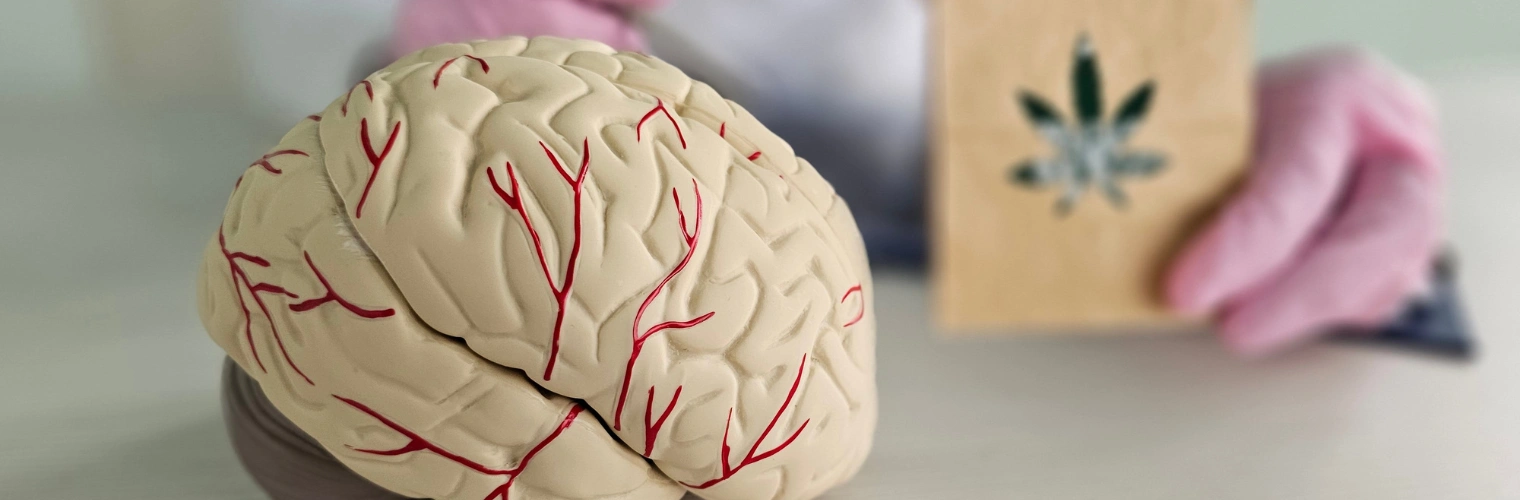
When you consume cannabis, THC activates CB1 receptors throughout your central nervous system. These receptors influence perception, heart rate, blood pressure, balance, and anxiety circuits-which is why a greening out episode hits so many systems at once.
With edibles specifically, the liver converts THC into a metabolite called 11-hydroxy-THC, which crosses the blood-brain barrier very efficiently and tends to produce a longer, more intense effect. This is the primary reason edible-related greening out lasts so much longer than episodes from smoking weed.
Once THC is in your system, there is no way to stop consuming cannabis consumption immediately and “switch it off.” Your body needs time to metabolize and clear the drug. Individual biology such as body weight, liver function, and genetic enzyme variants (especially CYP2C9) all determine how quickly that happens. People with slower metabolism, dehydration, or those taking certain medications may experience longer or more intense episodes.
A Greening Out Timeline of Symptoms: What You Might Feel and When
A greening out episode typically moves through recognizable phases. While everyone’s experience differs, here is a general timeline of what physical symptoms and psychological symptoms tend to look like.
Early phase (first 15–60 minutes for inhaled; 1–3 hours for edibles):
- Rising euphoria turning into anxiety, racing thoughts, or a sense of losing control.
- Physical signs like increased heart rate, dry mouth, and mild dizziness.
- For edibles, a subtle onset that may suddenly feel overwhelming once it peaks.
Peak phase (1–4 hours after last dose; longer for high doses of edibles):
- Intense panic attacks or a “sense of impending doom”-a feeling like something is medically very wrong.
- Greening out can cause rapid heart rate and vomiting. Intense nausea and sweating are also common symptoms.
- Difficulty standing or walking, tunnel vision, confusion, or short-term memory problems.
- Symptoms may include hallucinations and panic attacks in more severe cases.
Late phase (4–12 hours, sometimes up to 24):
- Gradually easing anxiety but persistent fatigue, weakness, and mental fog.
- Residual nausea or headache, especially after severe vomiting or poor hydration.
- For some, lingering depersonalization (feeling detached or “unreal”) or flattened mood into the next day.
Most people fully recover within a day. However, rare individuals may have prolonged anxiety, depersonalization, or sleep disruption lasting days-mental symptoms that should prompt professional evaluation.
How Long Does Greening Out Last with Edibles Specifically?
Edibles deserve their own section because they are the single most common cause of prolonged, severe greening out episodes. Typical edible greening out lasts 6–12 hours of noticeable intoxication and discomfort, plus up to 24 hours of feeling “off.” Recovery from greening out can take up to 24 hours for lingering effects, and this is especially true when doses exceed 20–30 mg of THC in someone with low tolerance.
The biggest trap with edibles is dose-stacking: taking more 45–90 minutes after the first dose “because nothing is happening.” The combined doses then peak at the same time 2–4 hours later, leading to extreme anxiety, hallucinoid experiences, and prolonged vomiting. High potency edibles-50 to 100 mg THC or more-in inexperienced users can produce unwanted symptoms that feel almost psychedelic and may last most of a full day.
If severe vomiting continues more than 12–24 hours or keeps recurring over weeks or months, clinicians consider cannabinoid hyperemesis syndrome, a condition linked to chronic cannabis consumption that requires medical intervention and typically means the person needs to stop consuming cannabis entirely. Uncontrollable vomiting may indicate cannabinoid hyperemesis syndrome and should always be evaluated.
What Factors Can Make Greening Out Last Longer or Feel Worse?
Several variables determine how severe and how long a greening out episode runs. Understanding these can help you assess your own risk of greening or that of someone you care about.
Low tolerance:
- New cannabis users or those who stopped for months and then restart are far more vulnerable. Low tolerance increases the risk of greening out. Even small doses can trigger overwhelming adverse effects when the body is not accustomed to THC.
High-THC products and large doses:
- THC potency in commercial flower and concentrates has increased dramatically since the 1990s. High THC potency can lead to greening out episodes. Marijuana products over 20–30% THC, or edibles with 10–50 mg THC per serving, significantly raise the chance and duration of a cannabis overdose episode.
Mixing with alcohol or other drugs:
- Drinking too much alcohol alongside cannabis increases THC absorption-a phenomenon sometimes called “crossfading.” Mixing cannabis with alcohol heightens greening out risks and makes symptoms more intense and longer lasting. Mixing marijuana with stimulants or certain prescription medications can worsen anxiety, heart rate, and blood pressure. Combining substances of any kind adds unpredictability.
Underlying health conditions:
- Heart disease, arrhythmias, high blood pressure, and anxiety disorders all increase the risk of dangerous or prolonged reactions. Existing mental health conditions like bipolar disorder or psychosis may flare with high THC exposure, potentially extending mental symptoms well beyond 24 hours.
Individual biology:
- Body weight, liver function, genetics, and current medications all influence how quickly THC is metabolized. Poor sleep, an empty stomach, or dehydration before consuming cannabis can make the episode worse and longer.
When to Ride It Out at Home vs When to Get Emergency Help
Not every greening out episode requires a trip to the emergency room-but some do. Here is how to tell the difference.
Generally manageable at home:
- Symptoms like mild to moderate anxiety, dizziness, and nausea that begin to improve within a couple of hours.
- No chest pain, normal breathing, ability to stay calm and oriented, and no history of serious heart or psychiatric illness.
- Rest, drinking water and electrolytes, and having a trusted sober person present are usually sufficient.
Seek medical attention or call 911 when you notice:
- Chest pain, pressure, or shortness of breath. Seek emergency care for chest pain or difficulty breathing.
- Fainting, seizure-like activity, or inability to stay awake. Loss of consciousness requires immediate medical evaluation.
- Repeated, forceful vomiting or inability to keep down fluids.
- Hallucinations combined with confusion indicate a medical emergency.
- Rapid heart rate that does not settle warrants immediate medical attention.
- Symptoms not improving or getting worse after 4–6 hours, or significant distress still present at 24 hours. Seeking medical attention is advised if symptoms persist beyond 24 hours.
Do not hesitate to call 911 or seek medical help. Clinicians are increasingly familiar with cannabis overdose and would rather evaluate a false alarm than miss a serious problem. People with known heart disease, pregnancy, serious mental illness, or those taking multiple medications should seek medical assistance at a lower symptom threshold.
What to Do While You're Greening Out: Practical Coping Steps

If you or someone near you is in the middle of a greening out episode, these steps can help.
- Stop all cannabis and alcohol use immediately. Do not take another hit, sip, or bite of any cannabis products or other substances. Mixing substances only drives THC levels higher.
- Move to a safe space. Find a quiet, comfortable environment. Dim the lights, reduce noise, and lie or sit down to minimize the risk of falling. Consume cannabis in a safe, familiar environment whenever possible.
- Hydrate slowly. Sip water or an electrolyte drink-hydration is important in managing the symptoms of greening out. If you can tolerate it, eat small, bland snacks like crackers or a banana to stabilize blood sugar. Some people also find that fruit juice helps.
- Use grounding and breathing techniques. Slow, diaphragmatic breathing-inhale for 4 seconds, exhale for 6–8 seconds-can ease panic attacks. Try naming 5 things you can see, 4 you can feel, and 3 you can hear to counter racing thoughts.
- Stay with someone. Have a trusted, sober person stay with you, remind you that the episode will pass, and monitor for concerning symptoms.
- Avoid triggers. Caffeine, intense music, crowded places, or scrolling alarming content online can all worsen psychological symptoms.
- Do not drive, swim, or operate machinery until you are fully recovered, even if symptoms seem to have eased.
Preventing Future Greening Out Episodes
Whether you plan to continue cannabis use or are considering stopping, these harm-reduction strategies can help you avoid another greening out experience.
- Start low and go slow. Start with low doses to avoid greening out. For edibles, wait at least 2–3 hours before considering an additional dose. With new marijuana products or higher-THC strains, begin with very small amounts.
- Know your products. Buy cannabis from reputable, legal sources to ensure safety. Stick with familiar cannabis products that provide clear THC content and lab testing so you are not blindsided by unknown thc potency.
- Avoid mixing. Avoid mixing cannabis with alcohol or other drugs to reduce risks, especially if you have greened out before or have a low thc tolerance.
- Set and setting matter. Use cannabis in predictable environments, with people who know how to respond if something goes wrong.
- Stay hydrated. Stay hydrated before and during cannabis use-dehydration worsens nearly every symptom.
If you find yourself repeatedly pushing past your limits, needing more to feel any effect, or frequently greening out, this may indicate a developing cannabis use disorder that deserves attention.
When Greening Out Signals the Larger Issue of a Cannabis Use Disorder
A single greening out episode does not necessarily mean someone has a problem with cannabis. But a pattern of greening out-especially when it does not lead to meaningful changes in behavior-can signal something deeper.
Cannabis use disorder, sometimes called marijuana use disorder, involves loss of control over marijuana use, continued use despite negative consequences, cravings, and withdrawal symptoms when cutting back. Key signs that cannabis use may be moving from casual to problematic include:
- Needing more cannabis over time to get the same effect (tolerance).
- Using cannabis in the morning or throughout the day to “feel normal.”
- Greening out multiple times but continuing or escalating use anyway.
- Cannabis use affecting school, work, mood, or relationships.
Research suggests that roughly 3 in 10 regular cannabis users develop some level of cannabis use disorder, and modern high-THC cannabis products from the cannabis plant make this more likely. Mental health challenges-including anxiety, depression, and PTSD-often exist as co occurring disorders alongside cannabis addiction and should be treated together for the best outcome.
How Ingrained Recovery Approaches Cannabis Addiction Treatment

Ingrained Recovery offers structured residential addiction treatment programs for cannabis use disorder, often alongside treatment for alcohol and other substances. Our approach is grounded in current clinical research and tailored to each individual.
Typical components of care include:
- Comprehensive assessment of cannabis use, mental health history, and physical health conditions, including mental health conditions that may be fueling use.
- Individual therapy-such as CBT and motivational interviewing-to address patterns driving marijuana abuse and repeated greening out episodes.
- Group and family therapy to build support systems and healthier communication.
Treatment can be outpatient or more intensive depending on severity, and is designed around each person’s goals-whether that means cutting back or pursuing full abstinence. If you are worried about how often you are greening out, feel unable to cut down despite wanting to, or are concerned about a loved one’s cannabis consumption, we encourage you to reach out for a confidential consultation.
Many Forms of Insurance Accepted for Treatment
Frequently Asked Questions About How Long Greening Out Lasts
Can greening out last more than 24 hours?
The intense phase of greening out almost always improves within 6–12 hours. It is unusual for severe symptoms to remain unchanged beyond 24 hours. However, lingering fatigue, brain fog, or mild anxiety can last 1–2 days, especially after high-dose edibles or for people with low tolerance. If someone still feels very unwell, confused, or unable to keep down fluids at the 24-hour mark, they should seek immediate medical attention to rule out other causes or complications.
Does greening out cause permanent brain damage or long-term health problems?
Current evidence does not show that a single greening out episode causes permanent brain damage in otherwise healthy adults. However, repeated heavy cannabis use-especially beginning in early adolescence-has been linked to cognitive changes, mood issues, and increased risk of psychosis in vulnerable individuals. Frequent greening out is a warning sign that cannabis use is too heavy or risky, and that cutting back or pursuing treatment can greatly reduce long-term harms to mental health.
Can someone green out from CBD products without THC?
Pure CBD without THC does not cause intoxication and is very unlikely to cause a classic greening out episode. However, many “CBD” or “hemp” products contain small or undisclosed amounts of THC, which can trigger greening out in people with low tolerance or when taken in large amounts. Use third-party lab-tested products and check labels carefully for THC content if you want to avoid intoxication.
Is greening out more dangerous if I have heart or mental health conditions?
Yes. Underlying heart disease, high blood pressure, arrhythmias, or serious mental health conditions like bipolar disorder or psychosis can make greening out more dangerous. THC can raise heart rate and change blood pressure, and can also trigger intense anxiety or psychotic-like symptoms in susceptible people. Anyone with significant medical or psychiatric history should talk with a healthcare provider before smoking cannabis or using any marijuana products, and should seek medical care if greening out symptoms overlap with their usual warning signs.
How can I tell the difference between a panic attack from cannabis and a true medical emergency?
From the inside, panic and a genuine medical emergency can feel remarkably similar-which is exactly why erring on the side of safety matters. While panic attacks cause intense fear, rapid heart rate, and shortness of breath, they usually do not involve chest pressure that worsens with exertion, one-sided weakness, slurred speech, or loss of consciousness. If you or someone nearby has consumed way too much weed and you are unsure whether the situation is panic or something more serious, it is safest to seek medical assessment. Clinicians can quickly check heart rhythm, oxygen levels, and other vital signs to distinguish panic from a medical emergency-and they would rather see you than not.
References
1. Simonetto, D. A., Oxentenko, A. S., Herman, M. L., & Szostek, J. H. (2012). Cannabinoid hyperemesis: A case series of 98 patients. Mayo Clinic Proceedings, 87(2), 114–119. https://doi.org/10.1016/j.mayocp.2011.10.005 (source of the modern clinical criteria for cannabinoid hyperemesis syndrome)
2. Sorensen, C. J., DeSanto, K., Borgelt, L., Phillips, K. T., & Monte, A. A. (2017). Cannabinoid hyperemesis syndrome: Diagnosis, pathophysiology, and treatment—a systematic review. Journal of Medical Toxicology, 13(1), 71–87. https://pmc.ncbi.nlm.nih.gov/articles/PMC3576702/ (overview of CHS mechanism and clinical phases)
3. Hasin, D. S., Saha, T. D., Kerridge, B. T., et al. (2015). Prevalence of marijuana use disorders in the United States between 2001–2002 and 2012–2013. JAMA Psychiatry, 72(12), 1235–1242. https://doi.org/10.1001/jamapsychiatry.2015.1858 (this is the study underlying the CDC’s “3 in 10” cannabis use disorder figure — confirmed accurate)
4. Centers for Disease Control and Prevention. (2025). Understanding your risk for cannabis use disorder. https://www.cdc.gov/cannabis/health-effects/cannabis-use-disorder.html
5. Huestis, M. A. (2007). Human cannabinoid pharmacokinetics. Chemistry & Biodiversity, 4(8), 1770–1804. (standard pharmacology reference for THC → 11-hydroxy-THC metabolism, CYP2C9/CYP3A4 involvement, and increased blood-brain-barrier penetration of the metabolite)