Know the Basis of Alcoholics Anonymous Terms For Your Recovery
For a lot of us, attending Alcoholics Anonymous for the first time can feel like a crash course in a new language.
This is because AA members share a unique vocabulary of shorthand sayings and acronyms that capture the essence of the AA program’s goal of sustained sobriety.
It might sound like alphabet soup at first. Still, each phrase represents an inner truth that can serve as a reminder to maintain a positive attitude while you live life free from alcohol abuse.
Ingrained Recovery recommends that each client who achieves sobriety in our treatment program find a local AA, NA, or SMART Recovery and attend regularly.
A successful recovery process is a lifelong commitment, and having connections and community support can make a world of difference.
Reading about the AA acronyms before you attend your first Twelve Step meeting can help you follow the AA framework right away.
Get Accredited Treatment Programs at Ingrained Recovery

Understanding Alcoholics Anonymous Acronyms and Their Purpose
The unique AA language and acronyms were formed from decades of fellow alcoholics learning how to live without drinking.
Each abbreviation or slogan is a mental cue, reminding members of the steps they must take to live a life centered on complete sobriety. The terms refer to real-world strategies and help:
- Manage emotions
- Overcome cravings
- Avoid substance use in the future.
Some might argue that AA’s phrases help guide members through the ups and downs as they set their own recovery pace. It helps them stay focused on recovery instead of choosing well-intended but frantic efforts at sobriety.
No two AA members follow the exact same pace or path, so these reminders make sobriety feel achievable.
Get Proven Detox and Rehab Options at Ingrained
The Role of AA Meetings in Recovery Support
Alcoholics Anonymous meetings are a crucial first step (pun intended) for people starting a recovery journey.
Walking through the door for that first meeting signifies the choice of seeking additional support and choosing fellowship over isolation.
In meetings, those who struggle with alcohol share their stories, strategies, and progress, making new members see that they don’t have to stop drinking alone.
Success in Alcoholics Anonymous relies on honesty, humility, and a commitment to the core principles of the AA program.
Meetings offer encouragement and a clear pathway to becoming a sober person, primarily through newcomers’ suggestions like regular attendance, connecting with a sponsor, and listening to stories. The process evolves from avoiding alcohol use to spiritual growth that aids sobriety.
The Idea of a “Higher Power” in Alcoholics Anonymous
The AA founders believed that recovery meant listening to God, relaying messages, and treading the Twelve Step path. But that doesn’t mean you must subscribe to any particular religion. AA meetings invite each person to define their Higher Power in a way that works for them.
This power, greater than the self, can be faith-based, spiritual, or even refer to the fellowship found in the AA program. The point is not religious “correctness,” but humility and making genuine connections.
AA Acronyms to Know Before You Attend a Meeting
Keep reading to learn a few of the key acronyms that make it easy to focus on overcoming alcoholism:
The Importance of “Keep It Simple, Stupid” in Sobriety
The words “Keep it Simple Stupid,” can be triggering to some, but their use intends to remind people in recovery not to overthink their recovery plan. Sobriety happens when you take small, consistent actions, not when you push to make everything perfect.
When you try complicated strategies or let guilt creep up on you, you create unnecessary stress on yourself. You set yourself up for a situation where no peace exists. KISS encourages you to focus on making one positive action at a time: Stay sober today. Attend a meeting. Follow the steps.
“HALT”: Hungry, Angry, Lonely, Tired — A Relapse Warning Sign

HALT is one one the most important AA acronyms. It reminds members to notice four common states that can cloud judgment: Hungry, Angry, Lonely, Tired. If you ignore these basic needs, emotions grow in intensity, and the mind falls back to old, unhealthy coping habits.
Meeting those needs right away by grabbing a quick snack or calling a friend to vent can help make a different choice. It’s a reminder to use whatever tools you have to stop a backslide into a painful cycle of alcoholic ruin. HALT reminds you to take time for self-healing when your own sobriety is at heightened risk.
“FEAR”: False Evidence Appearing Real
FEAR is a mental trap that can set you up for a relapse. The mind may focus on pain or worst-case scenarios and start to treat them as facts. AA teaches group members to pause, challenge these thoughts, and share them to disarm them.
Facing these challenges in a meeting or with a sponsor can help derail this false information.
“GOD”: Good Orderly Direction for Those Seeking Faith
GOD can mean God’s Orderly Direction or Good Orderly Direction for those uncomfortable with faith discussions. These refer to some of the daily actions necessary to stay on track in the program.
They can mean checking in with a sponsor, making amends, or practicing service to others.
By taking these steps, God beats confusion with clear direction. Following GOD helps you recover by reminding you of daily, doable tasks.
BB: The Heart of Alcoholics Anonymous Meetings
The Big Book, BB, is AA’s instruction manual, full of stories and practical instructions for sober living forever. it explains the cycle of returning to drinking when faced with an overwhelming situation as incomprehensible demoralization.
But it also offers solutions grounded in spiritual principles, fellowship, and eventually, service to others.
You will read, discuss, and apply the principles of the BB to exchange bad habits for new, healthy habits. The principles you learn in the BB have helped countless people transform their lives and stay sober.
“ODAT”: One Day at a Time

One day at a time might be the most famous Alcoholics Anonymous phrase. It suggests that instead of fixing everything at one time, you take each day as it comes and do your best with it.
You might find something useful to do, tell the truth, or avoid friends who drink. Doing these every day leads to momentum that you cannot achieve through willpower alone.
And, as we like to remind people, it is impossible to live life two days at a time (so stay in the present and make the most of each day!)
“HOW”: Honesty, Open-Mindedness, and Willingness
The HOW acronym, honesty, open-mindedness, and willingness, help you examine past behaviors without shame and help shape new habits. These qualities will help you reflect on your past actions and consider them without guilt or shame.
It suggests that recovery requires transparency with yourself and others, especially early in your recovery. When you start living authentically and stay open to help, change becomes a reality.
“SLIP”: Sobriety Losing Its Priority
A SLIP begins in the mind when sobriety loses its priority. That can look like skipped AA meetings, neglected prayer, or a return to self-isolation. These choices open the door to destructive habits.
You might believe that you can control your drinking or think back to the good old days with rose-colored glasses. Recognizing a SLIP early provides a chance to reach out to a sponsor or friend for support and protect your progress.
“ES&H”: Experience, Strength, and Hope
ESH is a sign of unity in AA, and the desire for members to share their experiences, strength, and hope to help each other. Sharing personal ES&H stories can help people move from despair and isolation to connection and accountability. By sharing, the fellowship becomes a lifeline and a power greater than we can achieve alone.
"WITK": Willingness is the Key (to a Successful Recovery Journey)
WITK reminds members that learning and planning for recovery requires action. Being willing to make the changes that it takes to recover it necessary before one can progress in the Twelve Steps.
WITK means a total surrender, allowing yourself to make all the changes it will take to experience the spiritual transformation possible with AA.
“EGO”: Edging God Out

EGO reminds us that pride can be as dangerous to a person seeking sobriety as despair. When people in AA reject their Higher Power and start believing they can manage addiction alone, they often repeat painful mistakes.
Accepting help in AA from a sponsor, other members, or a Higher Power keeps you grounded.
“PAWS”: Post-Acute Withdrawal Syndrome
Post-acute withdrawal symptoms (PAWS) describe the ongoing mental and emotional aftermath of addiction. Some symptoms, including fatigue, brain fog, or anxiety, can persist for weeks or months in early recovery.
Recognizing PAWS helps you take care of yourself in early recovery, thus avoiding a relapse.
“90 in 90”: Understanding Early Recovery Commitment
The 90 in 90 phrase encourages AA members to attend ninety AA meetings in their first ninety days of recovery.
It helps jumpstart the recovery pace by building accountability, routine, and support. Committing to daily meetings helps build structure and early stability.
PNP: “Progress, Not Perfection” — The Foundation of Lifelong Sobriety
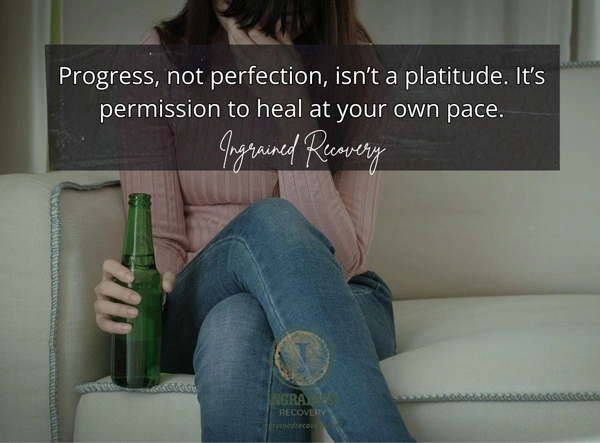
“Progress, not perfection” is a frequent battle cry of folks in Alcoholics Anonymous. It suggests that recovery requires each of us to commit to steady growth, making consistent headway instead of focusing on flawlessness. You will often hear about making progress without perfection as you embark on your recovery journey.
Many Forms of Insurance Accepted for Treatment
Call Ingrained Recovery for Alcohol Addiction Support
If you envision a future full of alcohol-free, brighter days, the Ingrained team is here to help. We can provide you with an evidence-based, individualized treatment plan that will help you reach your recovery goals.
We provide treatment services on a beautiful 50-acre campus in Eastman, GA; our location allows you to leave all distractions behind and focus on your healing.
If you’re ready to make lasting change, call us confidentially today. Our admissions team is always happy to help you.