When you're struggling with addiction, your environment becomes part of the problem. Every corner, every routine, every familiar face can trigger the cycle you're desperately trying to break. You've probably tried to get sober in the same place where you used, surrounded by the same stresses, the same people, the same reminders. And you've probably discovered what so many others have learned the hard way: recovery in your usual environment is like trying to swim upstream in a rushing river.
The first 30 days of recovery are the most critical: and the most fragile. Your brain is rewiring itself, your body is healing, and your emotions are raw. During this vulnerable time, you need more than willpower. You need distance, structure, and peace. You need what we call a rural escape.
Why Your Environment is Working Against You
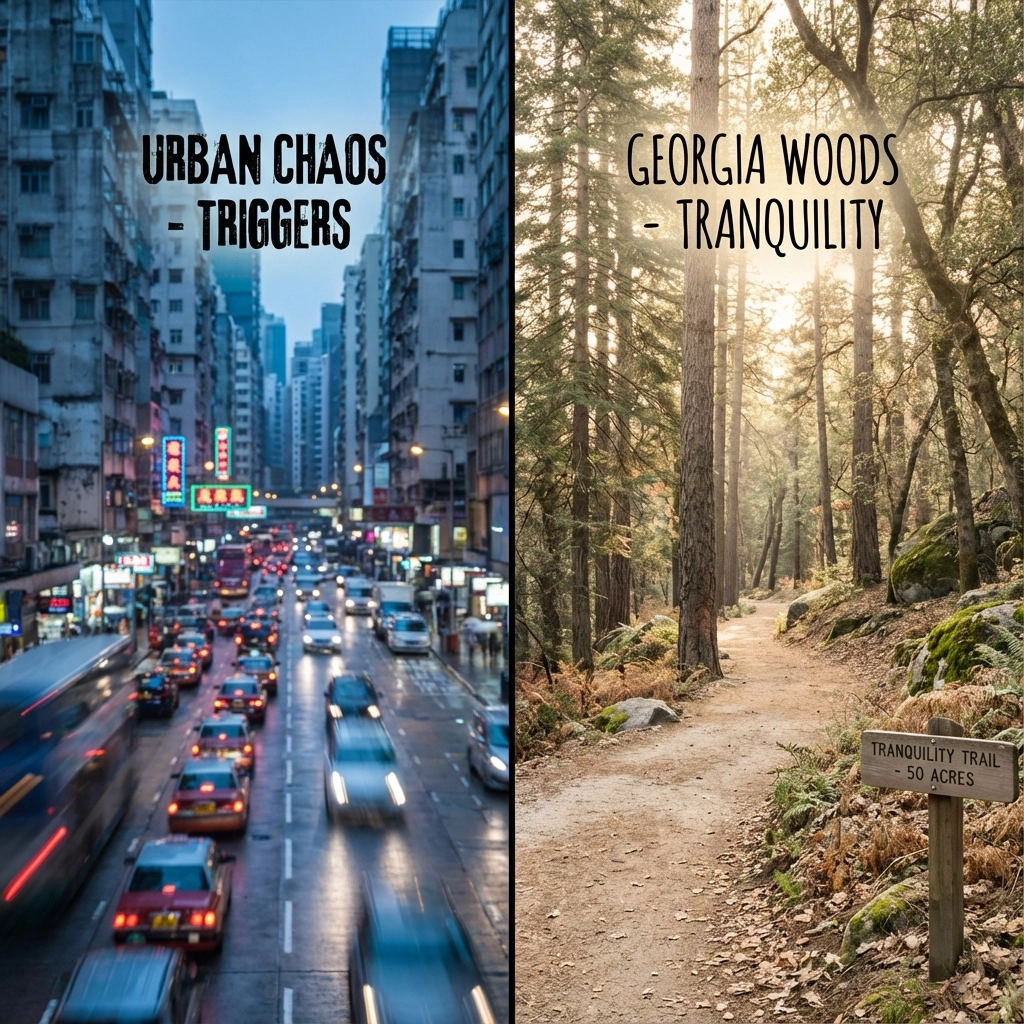
Most people underestimate how deeply their surroundings influence their recovery. Your brain has created powerful associations between specific places, people, and substances. The corner where you used to buy drugs. The bar where you always stopped after work. Even the couch where you'd sit and drink every evening. These aren't just memories: they're neurological triggers that can overwhelm even your strongest intentions.
In your familiar environment, you're constantly fighting these triggers while simultaneously trying to build new, healthy habits. It's exhausting, and it's why so many people relapse within the first few weeks. Your brain is literally working against you, pulling you back toward familiar patterns.
When you step away from these triggers: really step away, not just change apartments or avoid certain streets: something remarkable happens. Your nervous system begins to calm down. The constant state of hypervigilance starts to ease. For the first time in months or years, you can actually hear yourself think.
This is why upscale residential treatment in a completely different environment isn't just helpful: it's often essential for lasting recovery.
The Science of Solitude and Space
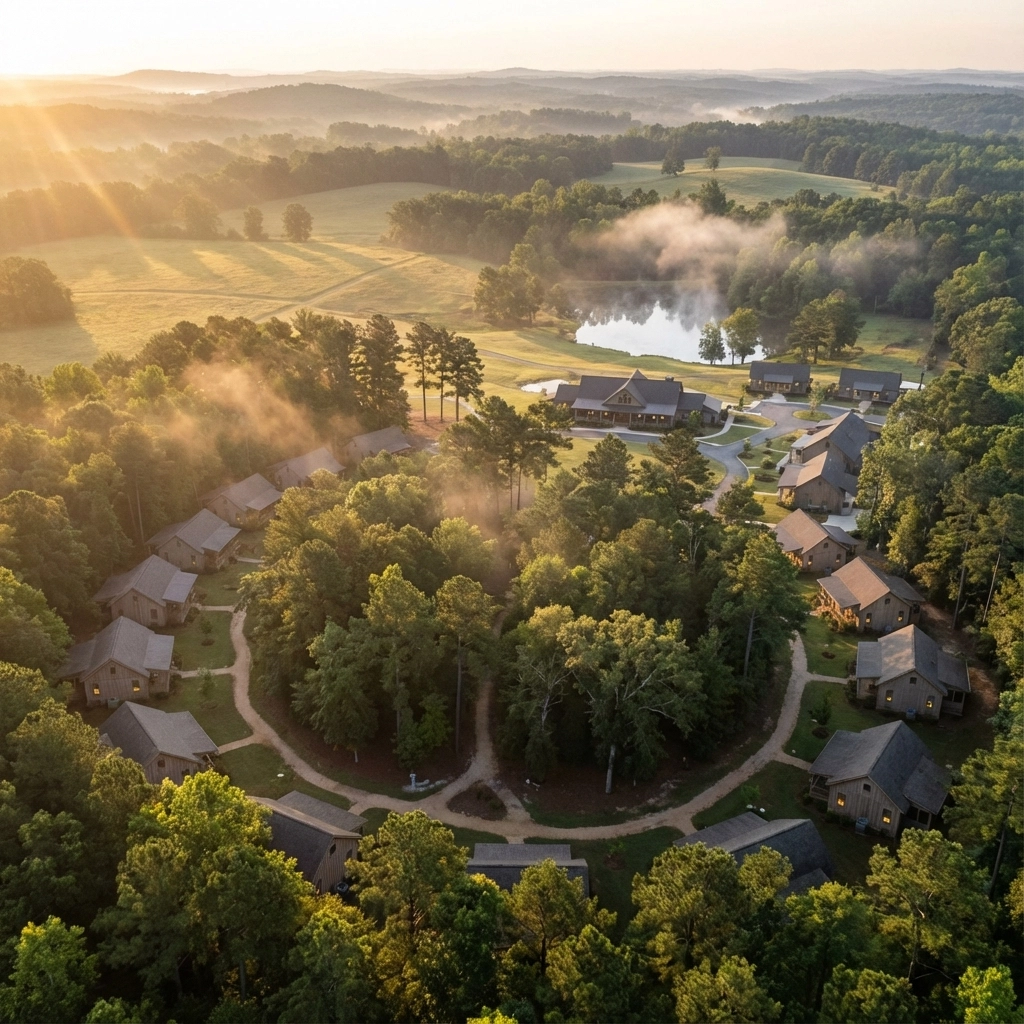
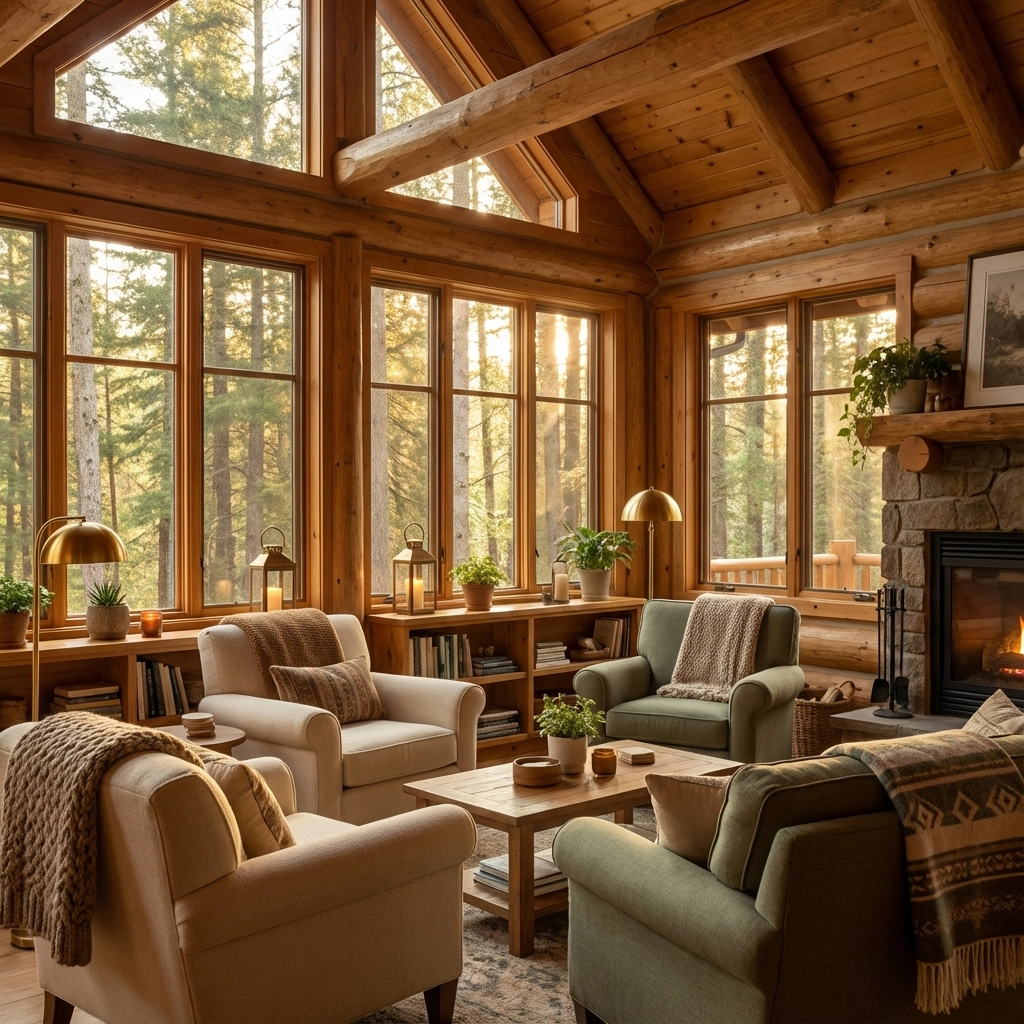
Our 50-acre wooded retreat in Georgia offers something you can't find in urban treatment centers: genuine solitude and space to heal. When we say 50 acres, we're talking about enough room that you could walk for an hour and still be on our property. Enough space that the only sounds you hear are wind through the trees and birds calling to each other.
This isn't just about pretty scenery. Research consistently shows that natural environments reduce cortisol levels, lower blood pressure, and decrease the production of stress hormones. When your body isn't constantly managing stress, it can focus its energy on healing and rebuilding.
More importantly, distance creates clarity. When you're removed from the chaos of daily triggers, your mind starts to settle. You begin to see patterns you couldn't notice before. You start to understand the difference between what you actually need and what your addiction convinced you that you needed.
Many of our clients describe the first week as feeling like they can finally breathe again. That's not metaphorical: when your nervous system isn't in constant fight-or-flight mode, your breathing literally deepens and steadies.
What 30 Days of Rural Peace Actually Provides
Neurological Reset
Your brain needs time to recalibrate, and that process works best in a calm, consistent environment. In recovery in Georgia's peaceful setting, away from urban chaos and familiar triggers, your neural pathways can begin forming new, healthier patterns. The first 30 days are when the most dramatic neurological healing occurs, and a rural setting supports this process naturally.
Emotional Regulation
In the woods, away from the constant stimulation and stress of regular life, you learn what your emotions actually feel like without substances. Many people discover they haven't felt their genuine emotions in years. This can be intense, but it's also the foundation of authentic recovery.
Physical Restoration
Your body has been through trauma. Whether from substances, poor nutrition, lack of sleep, or chronic stress, you need time to heal physically. Clean air, natural light cycles, and the absence of urban pollution all contribute to faster physical recovery.
Spiritual Grounding
We don't mean religious necessarily: though many people deepen their faith during treatment. We mean reconnecting with something larger than immediate cravings or daily stress. For many, this happens naturally in a forest setting where they're reminded of life's bigger picture.
Breaking the Cycle of Immediate Gratification
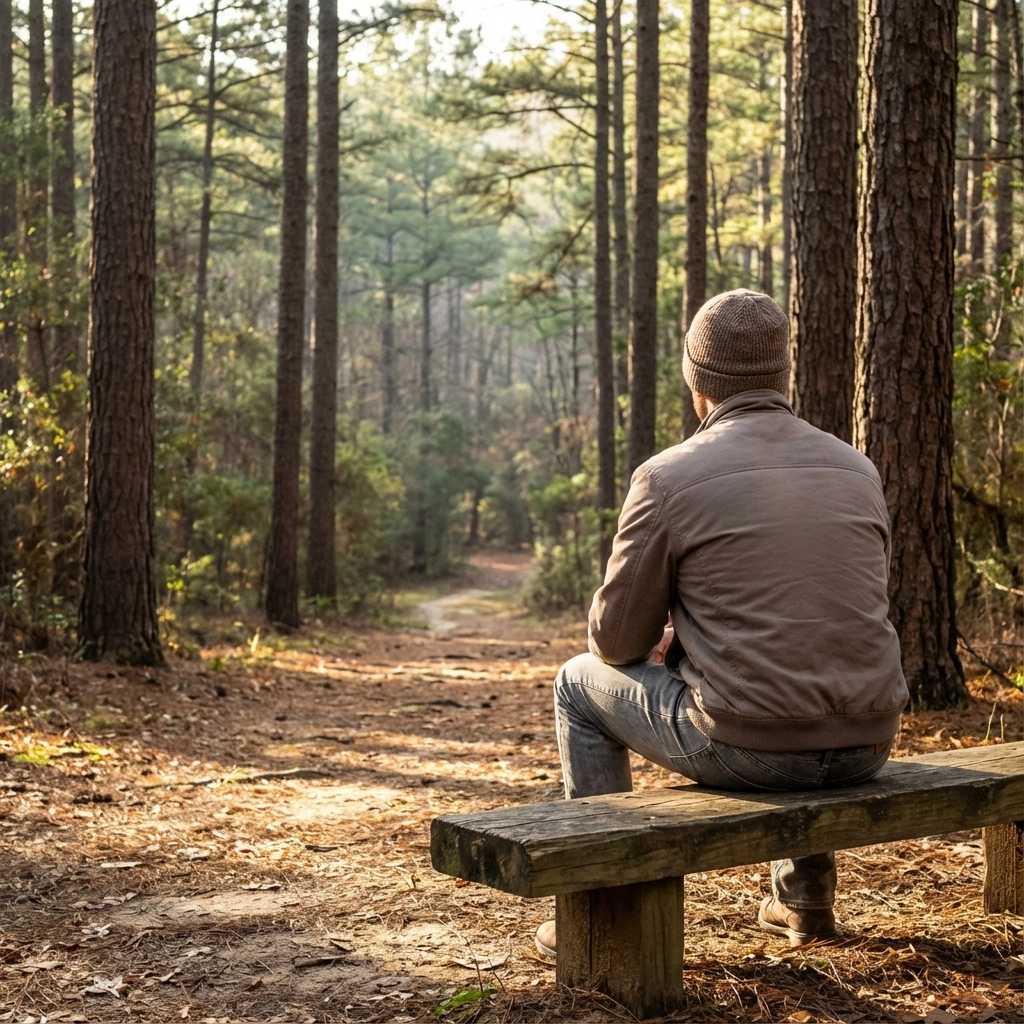
One of addiction's cruelest tricks is training your brain to need immediate relief from any discomfort. Bored? Use. Stressed? Use. Happy? Use. Sad? Use. In your regular environment, relief is always just a phone call or a short drive away.
On our 50-acre campus, that's simply not possible. Not because we're holding you prisoner, but because you've chosen to place yourself in an environment where impulsive decisions can't derail your progress. This physical distance gives your rational mind time to engage before your addiction brain takes over.
This isn't about white-knuckling through cravings: that's not sustainable. It's about creating space between impulse and action. In that space, real recovery happens. You learn to sit with discomfort without immediately needing to escape it. You discover that emotions, even painful ones, have a beginning, middle, and end.
This is one of the most powerful advantages of upscale residential treatment: you're not just changing your mindset, you're changing your entire environment to support your new mindset.
The Practical Benefits of Rural Residential Care
24/7 Clinical Support in a Healing Environment
When you're dealing with withdrawal, emotional storms, or mental health crises, you need immediate access to trained professionals. But you also need these interactions to happen in a setting that supports healing, not one that adds stress.
Our clinical team provides the same level of medical and psychological support you'd find in any top-tier facility, but the conversations happen under Georgia pines instead of fluorescent lights. The difference in how people respond to treatment in natural versus clinical environments is remarkable.
Structured Days Without Urban Distractions
Every day has structure, but it's the kind of structure that supports growth rather than feeling institutional. Morning walks through the woods. Group sessions in rooms with natural light. Individual therapy sessions where the only sounds are leaves rustling outside.
This structure helps retrain your brain to find fulfillment in healthy activities, but it does so gradually and gently. You're not fighting to maintain structure while managing work stress, relationship drama, and a thousand daily decisions about where to go and what to do.
Time to Actually Process What's Happened
Most people enter treatment in crisis mode, but crisis mode isn't where deep healing happens. You need calm, consistent time to process what's been happening in your life, why it's been happening, and what needs to change going forward.
In our rural setting, you have the mental space to engage with these questions meaningfully. Many clients tell us they accomplish more psychological work in 30 days of residential treatment than in years of outpatient therapy, largely because they finally have an environment where they can think clearly.
When Higher Levels of Care Make the Difference
Not everyone needs residential treatment, but if you're reading this article, you're probably wondering if you do. The honest answer is that most people who are asking this question would benefit from a higher level of care than they're currently receiving.
If you've tried outpatient treatment, support groups, or managing recovery on your own and found yourself back where you started, the problem probably isn't your willpower or commitment. The problem is that you're trying to change your life while remaining in the environment that supported your addiction.
Recovery in Georgia's rural setting offers something that day treatment or weekly therapy simply can't: complete immersion in recovery-focused living. Every conversation, every meal, every activity is designed to support your healing. There are no mixed messages, no competing priorities, no daily negotiations with triggers.
This level of environmental control and clinical intensity is especially crucial for people dealing with:
- Multiple previous attempts at sobriety
- Co-occurring mental health conditions
- Complex trauma histories
- Severe withdrawal symptoms
- Lack of sober support systems at home
Your Next Step Toward Peace
If you've been struggling to find stability in your current environment, it might be time to consider a different approach. Our 50-acre retreat offers the distance, structure, and clinical support that make lasting recovery possible.
We understand that leaving your familiar environment: even one that's contributing to your struggles: feels scary. That's normal. But staying stuck in patterns that aren't working is scarier.
Ready to learn more about whether rural residential treatment makes sense for your situation? Our admissions team can help you understand your options and determine if our program aligns with your needs. Call us today for a confidential conversation about your next step toward recovery.
Recovery doesn't have to feel like swimming upstream. Sometimes the most powerful thing you can do is step out of the current entirely, catch your breath in a peaceful place, and build the strength to move forward from solid ground.
Don't wait for the perfect moment: it doesn't exist. But this moment, right now, might be exactly what you need to begin.
