When addiction has left you feeling disconnected from others, the idea of accountability and community can feel overwhelming: or even threatening. You might wonder how you’ll ever trust people again, or how others could possibly understand what you’re going through. But there’s something profound we can learn from watching horses live together naturally, something that reveals how healthy accountability and genuine community actually work.
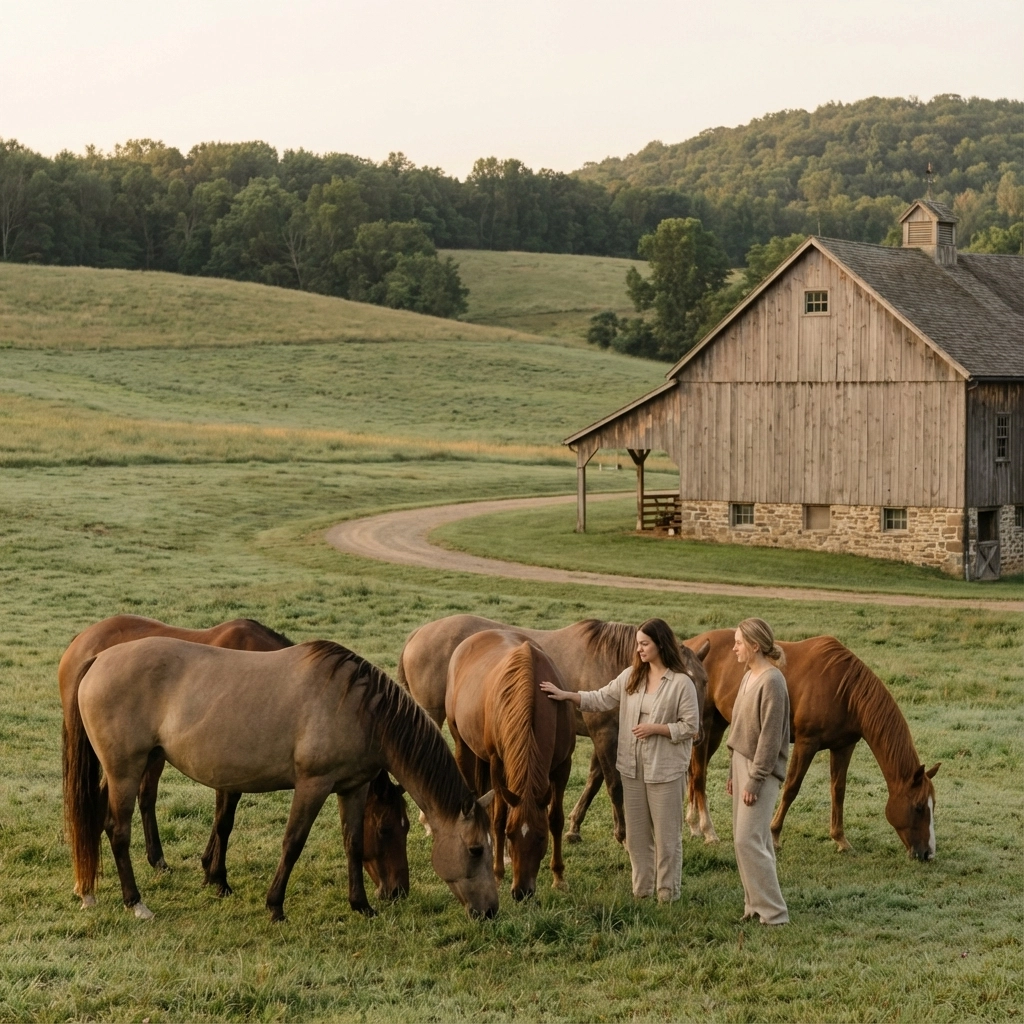
At Ingrained Recovery, our equine therapy program gives you a front-row seat to observe these dynamics in action. What horses teach us about living together goes far beyond therapy sessions: it mirrors the kind of supportive environment that makes group counseling and residential rehab so effective for lasting recovery.
The Structure That Creates Safety
Wild horses don’t live in chaos. They establish clear hierarchies that serve one essential purpose: creating safety and reducing conflict within the group. When you watch a herd, you’ll notice there’s usually a lead mare who guides daily decisions and a protective stallion who watches for threats. But this isn’t about power or control: it’s about ensuring every member of the group knows where they stand and what’s expected.
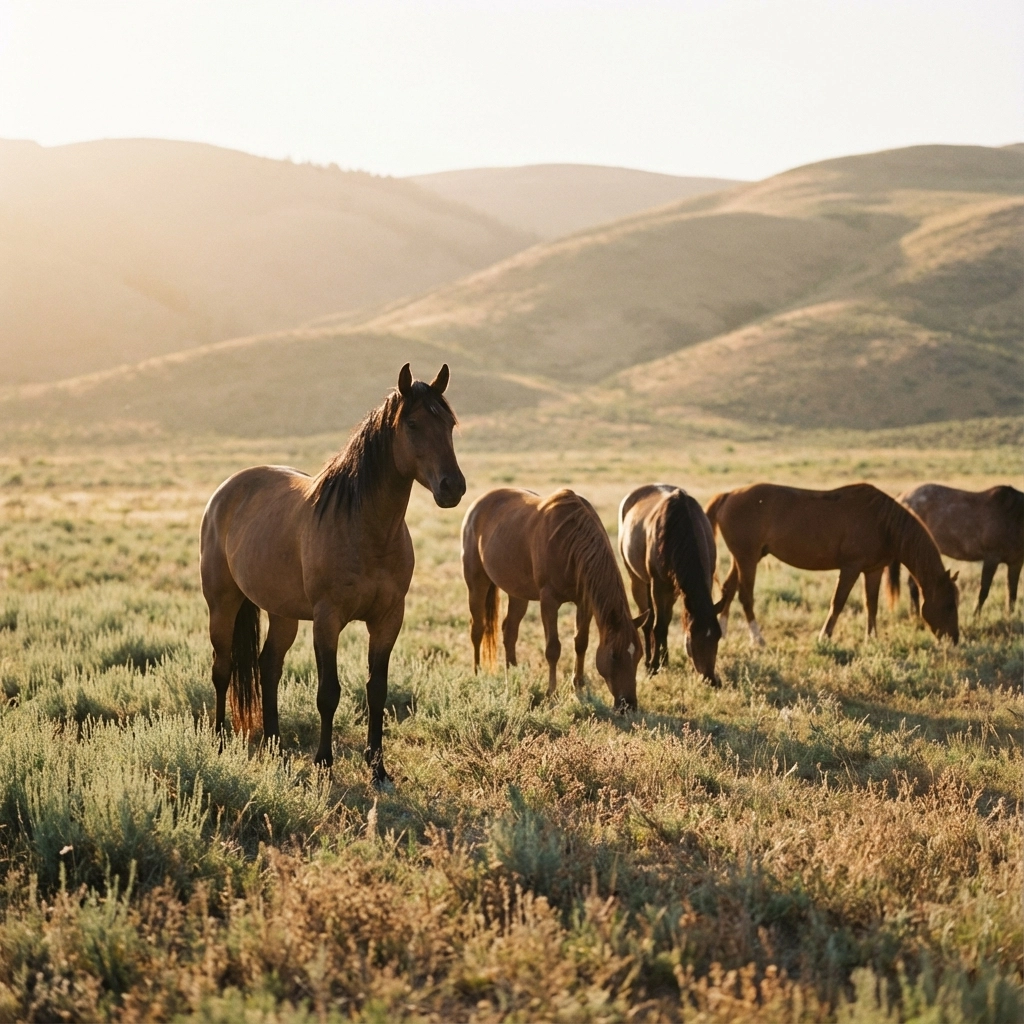
This natural structure teaches us something crucial about accountability: clarity reduces anxiety. When horses understand their role in the group, they can relax into being themselves rather than constantly fighting for position. In residential rehab, group counseling works on the same principle. Having clear guidelines, consistent expectations, and defined roles helps you focus on healing rather than navigating social uncertainty.
You might be thinking, “But I’ve always been terrible with groups” or “I don’t do well with authority.” That’s exactly why watching horses is so revealing. Even the most independent horses thrive within herd structure because it’s not about submission: it’s about finding your place in something bigger than yourself.
Communication That Builds Connection
Horses are constantly communicating with each other through body language, vocal sounds, and even scent. They stand close to horses they trust, engage in mutual grooming, and use subtle ear movements to signal their intentions. What’s remarkable is how much of their communication is about maintaining relationships rather than establishing dominance.
In group counseling sessions, you’ll discover similar patterns of healthy communication. Learning to express your needs clearly, listen without defending, and offer support to others creates the same kind of natural cohesion you see in horse herds. The difference is that in residential treatment, you have trained therapists helping facilitate these interactions until they become second nature.
Many people worry about being vulnerable in group settings, especially early in recovery when trust feels risky. Horses show us that connection happens gradually: they don’t immediately trust every member of the herd, but they create space for relationships to develop safely over time.
Distributed Leadership and Shared Responsibility
One of the most fascinating aspects of horse herds is that leadership isn’t concentrated in one individual. While there may be a lead mare and a protective stallion, different horses take on different roles. Some horses act as stabilizers, diffusing tension when conflicts arise. Others serve as scouts, alerting the group to potential dangers. Young horses learn by observing and gradually taking on more responsibility.
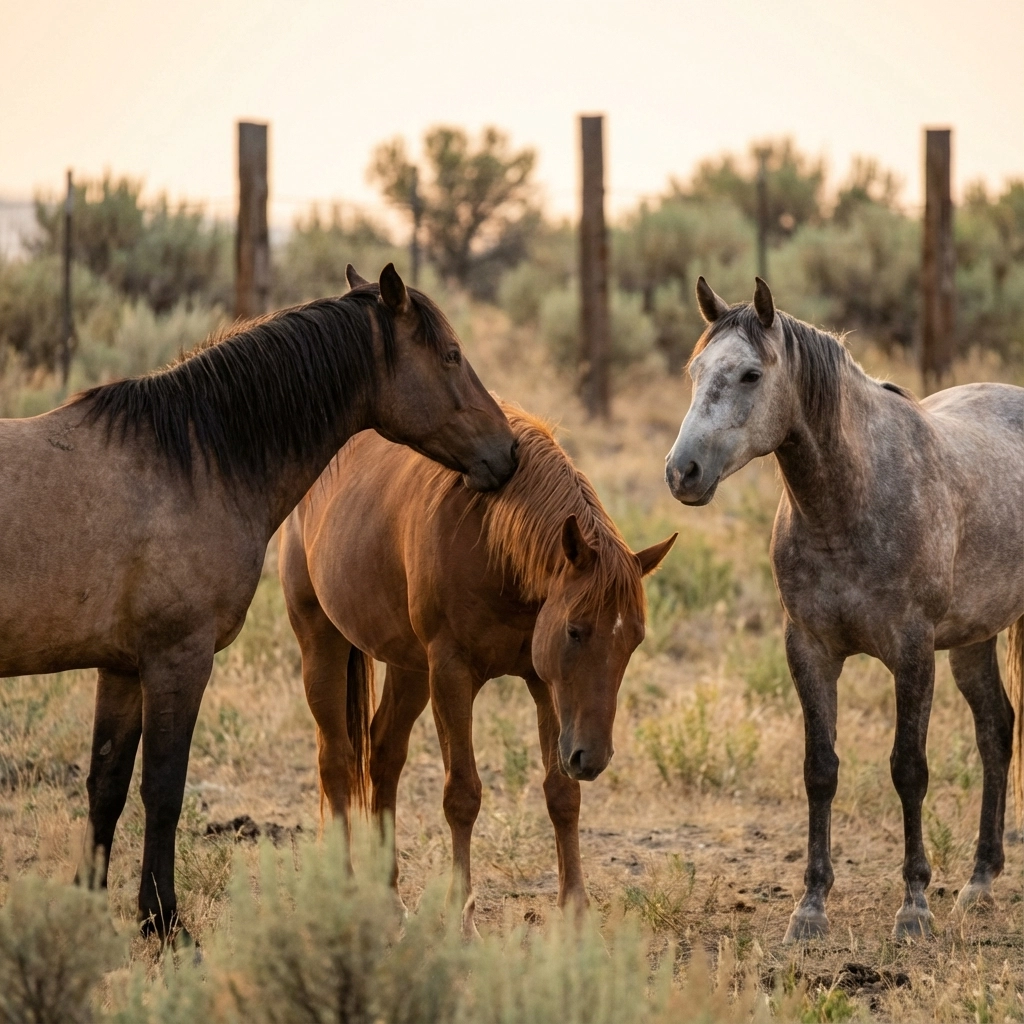
This distributed model reflects what happens in effective residential rehab communities. In group counseling, you’re not just a passive recipient of treatment: you become an active participant in everyone’s healing process. When you share your experience with someone who’s struggling with the same issue you faced last month, you’re practicing the same kind of distributed leadership horses demonstrate naturally.
You might feel like you have nothing to offer others, especially early in treatment. But horses teach us that every member of the community has value. The quiet horse who provides stability is just as important as the alert horse who spots danger first. Your unique perspective and experiences contribute to the group’s collective wisdom.
Accountability Through Natural Consequences
In horse herds, accountability isn’t enforced through punishment: it emerges through natural consequences and group dynamics. If a horse becomes too aggressive or disruptive, the group naturally distances itself until the behavior changes. If a horse doesn’t contribute to group safety by staying alert, it loses certain privileges within the hierarchy.
This natural accountability system is what makes group counseling so effective in residential treatment. When you’re living in a therapeutic community 24/7, the consequences of your choices become immediately apparent: not through harsh rules, but through how your actions affect your relationships and your own progress.
The beauty of this system is that it encourages growth without shame. Horses don’t hold grudges or permanently exile members for mistakes. They respond to current behavior, not past actions. In residential rehab, you experience the same kind of grace: each day is an opportunity to show up differently, and the community responds to who you’re becoming, not who you’ve been.
The Safety of Structured Freedom
Perhaps the most powerful lesson from horse herds is how structure actually creates freedom. Within the clear boundaries of herd dynamics, horses can express their personalities, form friendships, and pursue their individual needs without constant conflict or uncertainty.
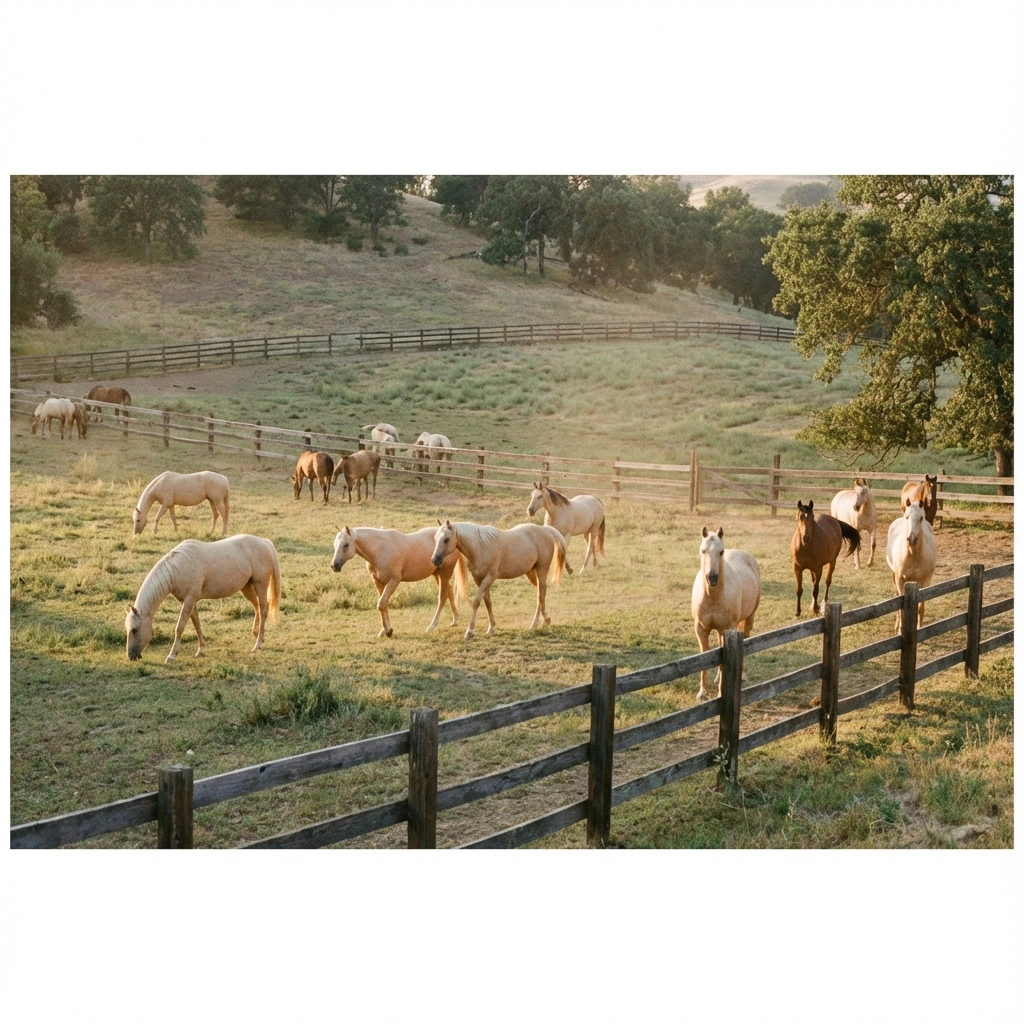
Residential rehab works the same way. The structured environment: regular group counseling sessions, consistent daily routines, and clear expectations: isn’t about restricting your freedom. It’s about creating enough safety and predictability that you can focus on the deep work of recovery without constantly managing chaos or making survival decisions.
You might resist the idea of structure, especially if you’ve used substances to avoid feeling controlled or confined. But horses show us that the right kind of structure supports authenticity rather than suppressing it. In a well-functioning herd, you can clearly see each horse’s distinct personality and preferences within the safety of group cohesion.
Learning to Trust the Process
Horses demonstrate something essential about community: trust develops through consistent, positive interactions over time. They don’t trust immediately, but they remain open to connection. They respond to how others behave now, not just how they’ve behaved in the past.
In group counseling, you’ll practice this same kind of graduated trust. You don’t have to share your deepest struggles on day one, but you can start with small acts of honesty and see how the group responds. As you experience acceptance and support repeatedly, your capacity for vulnerability and connection naturally increases.
The residential treatment environment provides the time and space necessary for this process to unfold. Unlike outpatient programs where you return to familiar environments and triggers after each session, residential rehab allows you to practice new ways of relating consistently, just like horses do in their stable herd environment.
Building Your Recovery Herd
Watching horses live together reveals that healthy community isn’t about finding perfect people: it’s about creating an environment where imperfect people can grow together safely. The horses in our program at Ingrained Recovery have their own personalities, quirks, and challenges, but they’ve learned to function as a supportive unit.
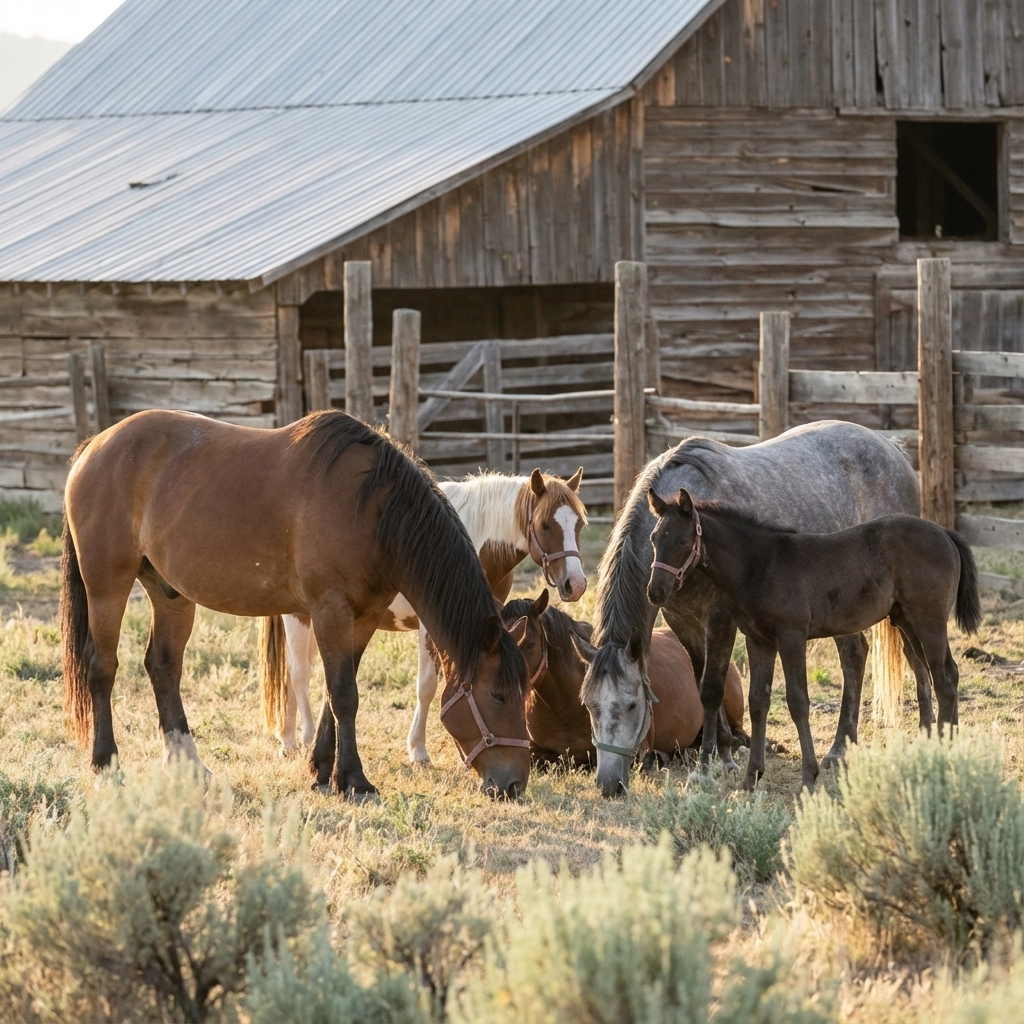
Your journey through group counseling and residential treatment follows a similar path. You’re not looking for people who have it all figured out: you’re learning to be part of a community where everyone is committed to growth, honesty, and mutual support.
The 50-acre setting of Ingrained Recovery provides the same kind of natural environment where these dynamics can unfold organically. Away from the triggers and chaos of daily life, you have space to observe, practice, and gradually develop the skills necessary for healthy relationships and personal accountability.
Taking the First Step
If you’re wondering whether residential treatment and group counseling could work for you, consider what horses teach us: community thrives when there’s clear structure, honest communication, and shared commitment to the group’s wellbeing. You don’t have to be perfect to belong: you just have to be willing to show up authentically and grow alongside others who are doing the same.
The natural accountability and community dynamics you’ll experience in residential rehab aren’t about judgment or control: they’re about creating the conditions where lasting change becomes possible. When you’re surrounded by others who understand your struggles and are committed to similar goals, recovery shifts from something you’re trying to do alone to something you’re participating in together.
Ready to experience the power of authentic community in your recovery journey? Our admissions team can help you understand how residential treatment and group counseling might fit your specific situation. Don’t wait for the perfect moment: like horses joining a new herd, the best time to begin is when you’re ready to take the first step toward connection and healing.
Call us today to learn more about our residential program and how our unique approach to community-based healing can support your recovery. You deserve the kind of support and accountability that makes lasting change not just possible, but natural.