
The Critical Truth About These High-Risk Substances
If you’re searching for information about pseudo kratom or 7-OH, you need to understand one thing immediately: both of these compounds carry severe addiction and overdose risks that far exceed anything associated with traditional kratom. These are not natural botanicals or harmless herbal supplements – they are high potency synthetic substances and semi synthetic derivatives that function as de facto opioids in the brain and body.
The short answer: Neither pseudo kratom (mitragynine pseudoindoxyl) nor 7-OH (7-hydroxymitragynine) is safe. Both interact aggressively with mu opioid receptors, produce rapid physical dependence, and carry significant risk of respiratory depression and overdose. Mitragynine pseudoindoxyl is more potent than 7-hydroxy mitragynine at opioid receptors, while 7-OH has more documented cases of fatal overdose. Anyone currently using either substance should seek professional addiction treatment – not try to determine which is “less dangerous.”
This comparison guide from our clinical team at Ingrained Recovery exists to help you understand what these compounds actually are, how they differ, and why professional intervention is essential for anyone who has developed kratom dependence involving these concentrated products.
Get Accredited Treatment Programs at Ingrained Recovery
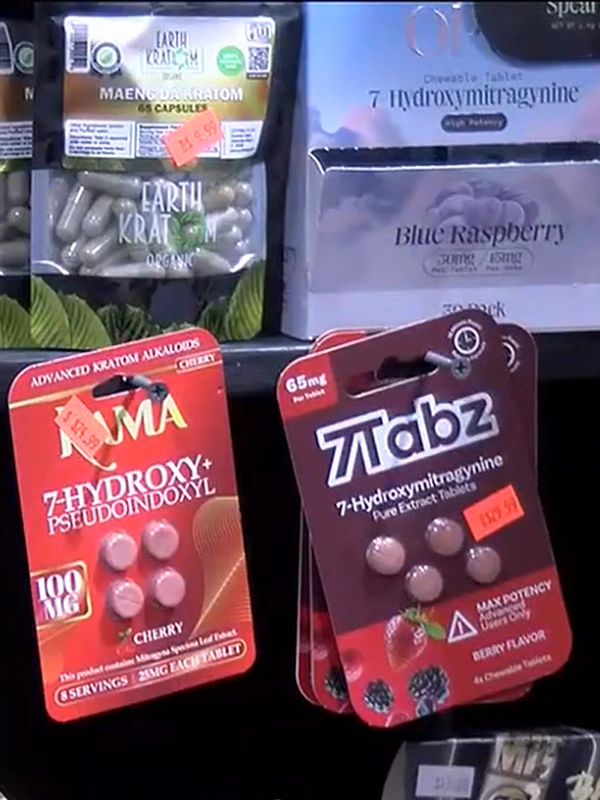
What Is Pseudo Kratom or Mitragynine Pseudoindoxyl?
Mitragynine pseudoindoxyl (commonly called “pseudo kratom” or MP) is a synthetic compound derived from kratom alkaloids – specifically, it is created by further converting 7-hydroxy mitragynine through an oxidative chemical rearrangement.
Pseudoindoxyl is typically not found in significant amounts in the kratom plant itself. Instead, it emerges either through deliberate laboratory synthesis or as a kratom alkaloid metabolite formed during hepatic metabolism after ingestion.
What makes pseudo-kratom alarming is its extreme opioid potency. Laboratory data show MP has a binding affinity (Kᵢ) at mu opioid receptors of approximately 1.5 nM – roughly 50 times stronger than 7-OH and nearly 500 times stronger than mitragynine, the primary active compound in natural kratom. Pseudoindoxyl interacts strongly with opioid receptors, acting as a potent agonist at mu receptors while antagonizing delta and kappa opioid receptors. This mixed profile makes its effects difficult to predict.
Animal studies suggest MP produces analgesic effects at approximately 10 times lower doses than mitragynine, with a more rapid onset of opioid like effects, including sedation and pain relief.
An additional concern is MP’s structural plasticity: in aqueous and biological environments, the molecule exists as a dynamic mixture of stereoisomers, each potentially differing in potency and toxicity. This unpredictability means that even experienced users cannot reliably gauge their dose or response.
Perhaps most concerning, many users consume mitragynine pseudoindoxyl unknowingly. Forensic laboratories have identified MP in commercial kratom products – pills, tablets, and kratom extracts marketed as “enhanced” or “natural” – often mislabeled or sold without any mention of MP content.
This mitragynine pseudoindoxyl product marketing creates a situation where consumers obtaining products from smoke shops and convenience stores have no idea what they’re actually ingesting.
Get Proven Detox and Rehab Options at Ingrained

What Is 7-OH or 7-Hydroxymitragynine?
7-Hydroxymitragynine (7 oh) is a naturally occurring alkaloid present in kratom leaves, but only in trace amounts – typically less than 1% of the total alkaloid content of the Mitragyna speciosa tree. Under normal circumstances, a person consuming whole leaf or kratom powder from the raw leaf would encounter minimal 7-OH. However, 7-hydroxy mitragynine is present in trace amounts in natural kratom leaves and is also formed as an active metabolite of mitragynine through CYP3A liver enzymes.
The problem has emerged through concentrated products. Manufacturers now isolate, synthetically enrich, or add 7-OH to create high potency products with dramatically higher concentrations than any kratom leaf could naturally contain. These include gummies, drink mixes, tablets, and powders sold as dietary supplements or herbal medicines. A recent survey of commercial 7-OH products found that over 98% appear to be semisynthetic in origin, with 7-OH content ranging wildly from 0.001 mg to 33.6 mg per serving – and many label claims did not match laboratory analysis.
7-OH products can exceed morphine potency levels. Animal studies demonstrate analgesic potency up to approximately 13 times that of morphine. 7-OH products activate opioid receptors immediately and intensely, producing classical opioid-type effects: sedation, analgesia, respiratory depression, tolerance, and physical dependence. The FDA has assessed 7-OH and documented pharmacokinetic properties including a Tmax of approximately 1 hour, a half-life of roughly 5.67 hours, and plasma concentrations that can climb substantially with enriched product use.
7-hydroxy mitragynine is linked to rapid tolerance and severe withdrawal symptoms. 7-hydroxy mitragynine has high abuse potential and can lead to severe side effects including respiratory depression and death, particularly when combined with other drugs such as benzodiazepines, alcohol, or other opioids. No kratom products have FDA approval for safety, and the FDA has not approved kratom or its derivatives for any medical use.
Pseudo Kratom vs 7-OH: Risk Comparison at a Glance
| Risk Factor | Pseudo Kratom (MP) | 7-OH (7-Hydroxymitragynine) |
|---|---|---|
| Opioid Receptor Binding | ~1.5 nM (extremely high) | ~78 nM (very high) |
| Potency vs Morphine | Estimated significantly higher | Up to 13× morphine |
| Addiction Potential | Very high; unpredictable onset | Very high; rapid tolerance |
| Withdrawal Severity | Poorly documented; likely severe | Severe; mimics opioid withdrawal |
| Documented Overdose Deaths | Few confirmed (compound is newer) | Multiple fatalities documented |
| Detectability | Rarely detected on standard panels | Rarely detected; often misidentified |
| Legal Status | Largely unscheduled; tracked as emerging substance | Increasingly banned; FDA pursuing Schedule I |
| Treatment Protocols | Not yet established | Emerging protocols; naloxone effective |
Both substances pose serious and potentially life-threatening health and addiction risks. The core difference is that 7-OH has a longer track record of documented harm while pseudo kratom’s higher potency and chemical unpredictability may represent an even greater – though less well-characterized – threat.
Addiction Potential and Dependence Risk

Both pseudo kratom and 7-OH produce addiction through the same fundamental mechanism: aggressive activation of mu opioid receptors in the brain. When these receptors are stimulated repeatedly by high potency substances, the brain rapidly adapts, requiring increasing doses to achieve the same effect and producing withdrawal when the substance is removed. This is the same cycle that drives opioid addiction with traditional opioids like oxycodone or heroin – except these kratom-derived compounds often reach users who believe they are consuming harmless herbal supplements.
Mitragynine pseudoindoxyl can cause dependency and withdrawal similar to opioids. Its binding affinity at mu opioid receptors is roughly 50 times greater than 7-OH, meaning lower doses can trigger the neurochemical changes that lead to physical dependence. Animal models demonstrate that MP produces reinforcing properties – the behavioral hallmark of addiction potential. Pseudoindoxyl may lead to dependence without awareness, particularly because users often don’t know they’re consuming it. The structural plasticity of MP, with multiple active stereoisomers shifting in biological environments, adds another layer of danger: two identical-looking doses may produce different intensities of effect.
7-OH products can activate opioid receptors more aggressively than morphine, and according to Yale Medicine, users consuming high-potency 7-OH products can develop addiction faster than with natural kratom or raw leaf preparations. Users of synthetic compounds derived from kratom often experience severe withdrawals that they did not anticipate. Individuals with prior opioid use disorder face approximately 2.8 times higher odds of developing kratom dependence after controlling for usage patterns.
The takeaway: Both compounds carry very high addiction potential. Pseudo kratom shows slightly higher unpredictability in addiction patterns due to its extreme potency and chemical instability, while 7-OH has more clinical documentation confirming rapid dependence formation. Neither is a safe alternative to the other.
7-OH and Pseudo Kratom Withdrawal Severity and Medical Complications
Withdrawal from both pseudo kratom and 7-OH produces physical symptoms that closely resemble – and in some cases match – opioid withdrawal from controlled substances like heroin or prescription painkillers.
7-OH withdrawal is better documented. According to Missouri Department of Health advisories, withdrawal symptoms include restlessness, body aches, cold sweats, irritability, insomnia, and gastrointestinal distress. The severity intensifies with dose and duration of use. 7-OH withdrawal may require intensive medical treatment, and withdrawal from 7-OH can require medical detoxification protocols to manage safely. Kratom withdrawal symptoms may resemble mild opioid discontinuation when involving traditional kratom, but concentrated 7-OH products produce withdrawal that is anything but mild.
Pseudoindoxyl withdrawal is harder to manage due to unpredictability. Human data on MP withdrawal remain extremely limited – most knowledge comes from animal models showing dependence and reinforcing effects. What we do know is that given MP’s far higher receptor affinity, the neurological adaptation driving dependence is likely more profound, and withdrawal symptoms could be more intense. The absence of established treatment protocols for MP withdrawal means that addiction specialists and medical teams must navigate this process with extra caution, adjusting dosing strategies in real time.
Kratom can cause seizures and liver damage, adding medical complications beyond the withdrawal itself. Kratom products can cause seizures and liver damage even outside of withdrawal contexts. These adverse events demand that anyone experiencing withdrawal from either compound seek professional clinical care rather than attempting unsupervised detox.
Both compounds require professional detox support. 7-OH has more established treatment protocols, including demonstrated effectiveness of naloxone for overdose reversal and adaptation of existing opioid-detox frameworks. MP’s treatment landscape remains uncharted, making medical supervision even more critical.
Knowing the Potency and Overdose Risk of Concentrated Products
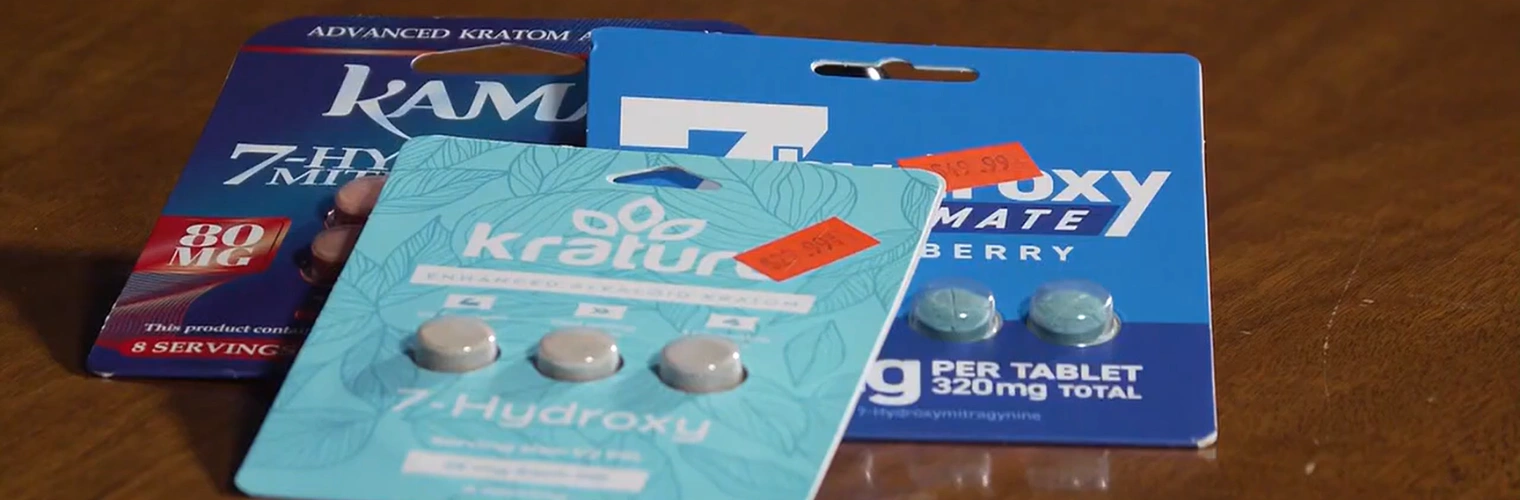
The gap between a “dose” and a lethal overdose narrows dramatically with these high potency products compared to traditional kratom from the kratom plant.
To put the potency differences in perspective: mitragynine – the dominant alkaloid in kratom leaves from the Mitragyna speciosa tree, historically used in southeast Asia – has a receptor binding affinity of approximately 709 nM. 7-OH binds at roughly 78 nM. Pseudo kratom binds at approximately 1.5 nM. This means MP is active at doses hundreds of times lower than the active compounds found in whole leaf kratom.
7-OH products can exceed morphine in potency, with animal studies showing analgesic effects up to 13 times greater than morphine. Concentrated 7-OH has been implicated in multiple fatal overdoses, including six deaths in Los Angeles County linked directly to 7-OH. Concentrated kratom products can cause respiratory depression, especially when mixed with other sedatives – a combination that public health officials have repeatedly warned about. Kratom use can result in life-threatening respiratory depression, particularly with these enhanced formulations.
Pseudo kratom carries higher unpredictability. While fewer documented human fatalities have been confirmed from MP alone (the compound is newer on the market), its dramatically higher receptor affinity means the margin between an effective dose and a dangerous overdose is extremely narrow. The structural plasticity of MP – existing as shifting stereoisomers in the body’s aqueous environment – means that toxicity can vary unpredictably from dose to dose. Additionally, research has identified toxic byproducts such as 3-dehydromitragynine (3-DM) present in commercial synthetic products, adding another layer of toxicological concerns.
Detox from high-potency kratom derivatives is becoming more common in emergency departments and treatment centers. Kratom products lack FDA approval and quality control, meaning consumers have no reliable way to verify what they’re actually consuming. A survey of labeled products found per-serving content varying by a factor of more than 33,000 – from 0.001 mg to 33.6 mg – with frequent discrepancies between labels and actual content.
The bottom line: Both compounds carry serious overdose risk. 7-OH has more documented overdose fatalities. Pseudo kratom’s extreme potency and chemical unpredictability suggest its overdose risk may be even higher as it becomes more prevalent. Neither compound offers reliable dosing or safety margins.
What are the Most Common Kratom Detection and Treatment Challenges?
Neither pseudo kratom nor 7-OH reliably appears on standard drug tests, creating dangerous blind spots for healthcare providers, families, and individuals seeking help.
Standard toxicology panels typically screen for mitragynine (the primary kratom alkaloid), but they frequently fail to distinguish between mitragynine, 7-OH, and MP. Accurate identification requires advanced techniques such as ultrahigh-performance liquid chromatography-high-resolution mass spectrometry (UHPLC-HRMS) – equipment unavailable at most hospitals and treatment centers. Pseudoindoxyl’s real-world effects are less understood than 7-OH, partly because forensic and toxicology labs are only now developing the capability to distinguish MP from other kratom alkaloids in human plasma.
This detection gap has real consequences. Deaths involving 7-OH or MP may be misclassified as general “kratom-related” fatalities. Treatment providers may not recognize the specific compound driving a patient’s dependence, leading to inadequate clinical care. Poison centers receive calls about adverse effects from kratom products without the analytical tools to determine whether concentrated 7-OH, MP, or other substances are responsible.
Kratom withdrawal can require medical management regardless of which specific compound is involved. For 7-OH, treatment protocols are adapting from existing opioid withdrawal frameworks – naloxone has proven effective for reversing 7-OH-induced respiratory depression, and gradual taper approaches from addiction medicine are being modified for these compounds. For pseudo kratom, no standardized treatment protocols yet exist. Treatment centers experienced in opioid addiction are best positioned to manage these cases, but they must account for unique pharmacodynamic properties – particularly MP’s stereoisomer-based variability and extreme potency at lower doses.
Both compounds require specialized kratom addiction treatment approaches that go beyond what general substance abuse programs typically offer. Warning signs of use may include rapid escalation of dose, switching between kratom products of increasing potency, and withdrawal symptoms that appear disproportionate to reported kratom use.
The Clear Reality: Neither Substance Is Safe
This comparison is not about selecting between two options. It is about understanding that both pseudo kratom and 7-OH represent a dangerous escalation from the traditional kratom leaf historically used as a natural botanical – and that neither belongs in anyone’s self-treatment regimen.
Kratom and its derivatives can pose significant public health risks. The American Kratom Association and advocates for a kratom consumer protection act have focused primarily on traditional kratom use and regulation of the raw leaf, but these concentrated and synthetic products represent an entirely different category of risk. They are, functionally, high potency synthetic substances that act on the same receptors as other opioids – producing the same patterns of tolerance, dependence, and life-threatening withdrawal.
The legal status of these compounds is shifting rapidly. As of July 1, 2026, Kansas made possession of 7-OH a felony, and the Food and Drug Administration is recommending that 7-OH be classified under the Controlled Substances Act as Schedule I.
Pseudo kratom is tracked by forensic monitoring agencies like the CFSRE as an emerging new psychoactive substance, and also on July 1, 2026, the DEA moved well past a recommendation: it filed two Notices of Intent to temporarily schedule 7-OH itself into Schedule I, and – critically – a second notice to place mitragynine pseudoindoxyl (MP) itself, along with two related analogs (MGM-15, MGM-16), into Schedule I.
Both notices were published in the Federal Register on July 6, 2026, with the temporary scheduling expected to take effect roughly 30 days later. Still the perceived and ongoing public ambiguity means many people may be consuming these substances unknowingly under labels claiming “kratom,” “herbal supplement,” or “pain reliever.”
If you or someone you know is using kratom extracts, enhanced kratom products, or any product containing 7-OH or mitragynine pseudoindoxyl, professional help is essential. Attempting to stop on your own risks severe withdrawal symptoms, medical complications, and relapse. Evidence-based treatment – including medical detox, residential care, and relapse prevention programming – offers the safest and most effective path to recovery.
Our Professional Kratom Treatment Options in Georgia

At Ingrained Recovery, we understand that addiction to kratom derivatives like pseudo kratom and 7-OH requires specialized, evidence-based care. Our treatment campus in Georgia provides comprehensive programs specifically designed for individuals struggling with dependence on high-potency kratom products and other substances.
Medical Detox: Our medically supervised detoxification protocols address the unique challenges of withdrawing from potent opioid receptor agonists like 7-OH and MP.
Our medical team monitors vital signs continuously, manages withdrawal symptoms with appropriate medications, and adjusts treatment in real time – particularly important for compounds like MP where standard protocols are still developing. We help reduce withdrawal symptoms safely under 24/7 clinical supervision.
Residential Treatment: Following detox, our residential program provides the structured environment and therapeutic support necessary for lasting recovery. Treatment includes individual and group therapy, dual-diagnosis care for co-occurring mental health conditions, and comprehensive relapse prevention planning.
Our addiction specialists work with each client to address the underlying factors that contributed to substance use – whether that began with pain management, self-medication, or progression from traditional kratom to concentrated products.
Evidence-Based Approach: Every aspect of our program is grounded in proven clinical methodologies from addiction medicine. We recognize that dependence on synthetic and semi-synthetic kratom compounds shares significant overlap with opioid addiction but also presents unique challenges in pharmacology, detection, and withdrawal management. Our team stays current with emerging research on these compounds to provide the most effective care possible.
If you’re struggling with dependence or 7-OH withdrawal symptoms, pseudo-kratom addiction, or issues with any kratom-derived product, you don’t have to navigate this alone.
Contact Ingrained Recovery confidentially to learn about your treatment options and take the first step toward recovery today.
Many Forms of Insurance Accepted for Treatment
FAQs on 7OH vs Pseudo Kratom
Are pseudo kratom and 7-OH the same thing?
No. While both are derived from the kratom alkaloids found in the Mitragyna speciosa tree, they are chemically distinct compounds. 7-hydroxymitragynine (7-OH) is a naturally occurring minor alkaloid present in trace amounts in kratom leaves and also an active metabolite of mitragynine. Mitragynine pseudoindoxyl is created by further converting 7-hydroxy mitragynine through oxidative rearrangement – making it one step further removed from the natural plant. MP has a different molecular structure (a spiro-pseudoindoxyl core), different receptor binding profile, and significantly higher potency than 7-OH. Both are dangerous: 7-OH products can exceed morphine potency levels, and MP binds to opioid receptors roughly 50 times more strongly than 7-OH.
Can I detox from these substances on my own?
Self-directed detox from high potency kratom derivatives is strongly discouraged by public health officials and addiction specialists. Both 7-OH and pseudo kratom act on the same opioid receptors as drugs like morphine and heroin, producing physical dependence that can cause severe and potentially dangerous withdrawal symptoms – including autonomic instability, severe gastrointestinal distress, and psychological crisis. 7-OH withdrawal may require intensive medical treatment with specific detox medications and monitoring. Pseudoindoxyl withdrawal is harder to manage due to unpredictability and the absence of standardized protocols. Attempting to quit without medical supervision increases the risk of medical emergencies and relapse.
How long does withdrawal from these compounds last?
Acute opioid withdrawal from 7-OH typically begins within hours of the last dose (given its ~1-hour Tmax and ~5.6-hour half-life) and may peak within 2–4 days, with physical symptoms gradually improving over 1–2 weeks. Post-acute withdrawal symptoms – including anxiety, sleep disturbance, and cravings – can persist for weeks or months. Pseudo kratom withdrawal timelines are less well-established due to limited human data, but given its higher potency, acute withdrawal may be at least as intense and potentially longer in duration. Individual variation is significant and depends on factors including dose, duration of use, concurrent substance use, and overall health. Ongoing therapeutic support is essential beyond the acute phase.
What makes these substances more dangerous than regular kratom?
Traditional kratom from the raw leaf contains multiple alkaloids – primarily mitragynine – at relatively modest concentrations, producing stimulant like effects at lower doses and mild opioid like effects at higher doses. Kratom withdrawal symptoms from whole leaf use may resemble mild opioid discontinuation. By contrast, 7-OH products can activate opioid receptors more aggressively than morphine, and pseudo kratom binds to those receptors with nearly 500 times the affinity of mitragynine. These concentrated products collapse the distance between a functional dose and a life-threatening overdose. They produce rapid tolerance, severe dependence, and withdrawal profiles that match or exceed those of traditional opioids. The progression from plant-based kratom powder to synthetic products represents a fundamental shift in risk – from an unregulated but relatively low-potency botanical to high potency products that function as potent opioid agonists.
References
- Crowley, R. S., Le Rouzic, V., Vardanyan, R., et al. (2021). Assessment of contribution of 7-hydroxymitragynine and mitragynine pseudoindoxyl to the mu-opioid activity of mitragynine [Conference abstract]. The FASEB Journal, 35(S1). (source of the exact Ki values: MP = 1.5 nM, morphine = 4.0 nM, 7-OH-MG = 78 nM, MG = 709 nM — confirmed to match the article precisely)
- Obeng, S., Kamble, S. H., Reeves, M. E., et al. (2020). Pharmacological comparison of mitragynine and 7-hydroxymitragynine: In vitro affinity and efficacy for μ-opioid receptor and opioid-like behavioral effects in rats. Journal of Pharmacology and Experimental Therapeutics.
- Kruegel, A. C., Gassaway, M. M., Kapoor, A., et al. (2019). 7-Hydroxymitragynine is an active metabolite of mitragynine and a key mediator of its analgesic effects. ACS Central Science, 5(6), 992–1001. (CYP3A-mediated metabolism of mitragynine into 7-OH — confirmed accurate)
- Los Angeles County Department of Public Health. (2025, October 10). Additional fatal overdoses tied to synthetic kratom in Los Angeles County [Press release].
- U.S. Drug Enforcement Administration. (2026, July 1). DEA to temporarily schedule 7-OH and related substances to protect public safety [Press release].
- Axios Kansas City. (2026, July 8). Kansas kratom and 7-OH ban makes possession a felony as DEA moves toward national ban.