
If you’ve been prescribed opioid pain medication, you’re likely comparing hydrocodone vs oxycodone to understand which might work better for your specific situation.
Both are powerful Schedule II opioids used for moderate to severe pain, but they differ in potency, side effects, and formulations. The single biggest difference: oxycodone is approximately 50% stronger than hydrocodone at equal doses.
The short answer: Oxycodone is more potent and may be better for severe pain, while hydrocodone (often combined with acetaminophen) may be preferable for moderate pain with potentially fewer euphoric effects.
However, both carry significant risks for addiction and dependence, making medical supervision essential regardless of which is prescribed.
Our resource from Ingrained Recovery looks at these two pain medications in terms of both their qualities, relative strength, and potential for causing dependence. And as you read and learn more, remember our medically supervised detox and treatment options are only a confidential call away.
Get Accredited Treatment Programs at Ingrained Recovery
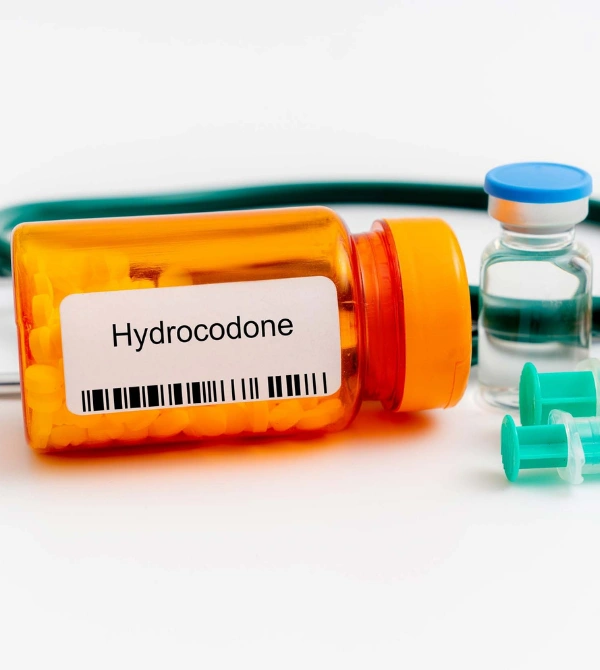
What Is Hydrocodone?
Hydrocodone is a semi-synthetic opioid analgesic classified as a Schedule II controlled substance, meaning it has accepted medical uses but carries a high potential for opioid abuse and physical dependence. Hydrocodone is derived from codeine, a naturally occurring opiate.
It works by binding to opioid receptors in the brain and spinal cord, blocking pain signals and altering the way you perceive pain. Hydrocodone is commonly combined with acetaminophen in brand-name formulations like Vicodin, Norco, and Lortab. It’s one of the most commonly prescribed medications for moderate to moderately severe pain – often after surgery, dental procedures, or injury.
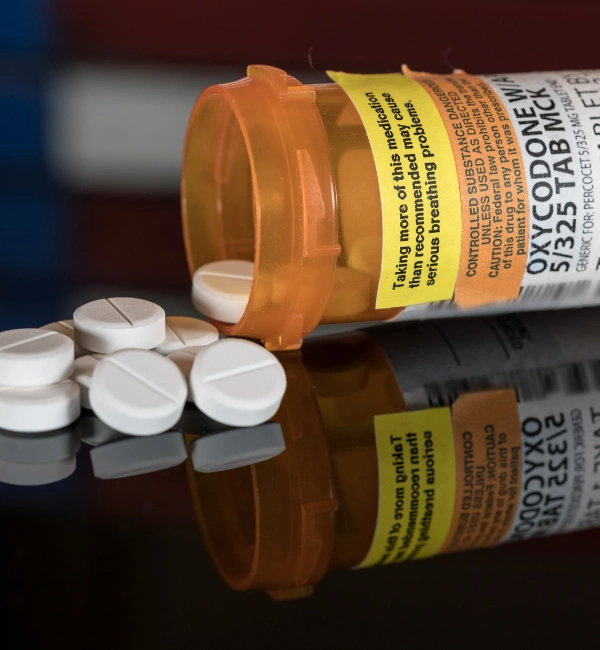
What Is Oxycodone?
Oxycodone is also a semi-synthetic opioid analgesic and Schedule II controlled substance, but it is derived from thebaine, a different opium alkaloid. Like hydrocodone, it targets central nervous system opioid receptors to reduce how you perceive pain.
Oxycodone can be prescribed as a single-ingredient medication (OxyContin, Xtampza ER) or in combinations with acetaminophen (Percocet, Endocet). It’s available in both immediate-release and extended release medications, and oxycodone is often used for more severe pain – including post-surgical recovery, cancer-related pain, and chronic pain conditions where other pain medications have proven insufficient.
Get Proven Detox and Rehab Options at Ingrained
Hydrocodone vs Oxycodone: How They Compare at a Glance
| Factor | Hydrocodone | Oxycodone |
|---|---|---|
| Best for | Moderate pain; combination therapy | Severe pain; standalone or combination therapy |
| Potency (MME factor) | 1.0 (equal to morphine) | 1.5 (about 50% stronger than hydrocodone) |
| Common formulations | Vicodin, Norco (with acetaminophen) | OxyContin (ER), Percocet (with acetaminophen) |
| Onset (IR) | 10–30 minutes | 10–30 minutes |
| Duration (IR) | 4–6 hours | 4–6 hours |
| Half-life | ~4.2 hours | ~3.2-3.5 hours |
| Notable side effects | Higher incidence of constipation, drowsiness | More euphoria, dizziness, dry mouth |
| Schedule | Schedule II | Schedule II |
The core takeaway: these two drugs share a similar onset and duration profile, but oxycodone delivers roughly 50% more analgesic potency per milligram – which means both stronger pain relief and greater risk at equivalent doses.
Potency and Pain Relief Effectiveness
Potency is often the first factor patients and providers weigh when choosing between hydrocodone and oxycodone, because it directly determines dosing, pain control, and risk exposure.
According to the CDC’s Morphine Milligram Equivalent (MME) conversion tables, oxycodone is about 50% stronger than hydrocodone. In practical terms, 10 mg of oral oxycodone provides roughly the same level of pain relief as 15 mg of oral hydrocodone. A pharmacodynamic study in non-abusing volunteers confirmed this ratio, finding that oxycodone/acetaminophen combinations were approximately 1.5 times more potent than equivalent hydrocodone acetaminophen combinations on objective measures.
Both medications are prescribed for moderate to severe pain. Oxycodone generally starts working within 10 to 30 minutes, with peak plasma levels around 30–60 minutes. Hydrocodone’s onset is similar – also 10 to 30 minutes – though hydrocodone’s long-acting forms last 7 to 9 hours, while oxycodone’s effects last about 4 to 6 hours in immediate-release form (extended-release oxycodone is designed for up to 12 hours, though many patients treated with it report effects wearing off earlier).
In a randomized controlled trial involving emergency department patients with acute extremity pain from fractures, 5 mg oxycodone plus acetaminophen and 5 mg hydrocodone plus acetaminophen produced comparable pain relief at 30 and 60 minutes – pain scores did not differ significantly between the two groups. This suggests that for many cases of acute pain, both drugs perform similarly when dosed appropriately.
However, in a dental pain model, oxycodone 5 mg combined with ibuprofen 400 mg delivered greater pain relief over 6 hours than either oxycodone/acetaminophen or hydrocodone/acetaminophen at standard doses – pointing to the importance of the companion analgesic, not just the opioid drug itself.
Winner: Oxycodone – for raw analgesic potency and severe pain scenarios, oxycodone is generally considered the stronger option. But for moderate pain, hydrocodone combinations often provide the same level of relief with a lower dose of opioid, which can translate to fewer risks.
What are the Side Effects and Tolerability of Oxycodone and Hydrocodone

Understanding adverse effects matters enormously because side effect profiles often determine whether a patient can stick with a medication long enough for it to help. Both oxycodone and hydrocodone share similar side effects – common side effects include nausea, constipation, dizziness, and respiratory depression – but the incidence and type of those effects differ in clinically meaningful ways.
Hydrocodone tends to produce a higher incidence of gastrointestinal side effects. Hydrocodone commonly causes drowsiness and constipation. In the fracture trial referenced above, 21% of hydrocodone patients developed constipation compared to 0% in the oxycodone group. Hydrocodone can also cause nausea, headache, and dizziness. Long-term hydrocodone use may suppress adrenal function and increase the risk of hormonal disruption.
Oxycodone is more likely to cause euphoria and dry mouth. It also tends to produce more dizziness and mental clouding. In laboratory studies with non-drug-abusing volunteers, oxycodone combinations were slightly more likely than hydrocodone to produce “liking” and “good effects” – subjective experiences tied to the brain’s reward pathways that can increase addiction risk.
Both drugs can cause serious side effects like confusion and seizures, particularly at a higher dose or when combined with other drugs that depress the central nervous system (benzodiazepines, alcohol, muscle relaxants). Respiratory depression remains the most dangerous shared risk and the primary cause of opioid overdose deaths.
Tolerability also depends on individual factors: age, liver and kidney function, medical history, genetic makeup (especially CYP2D6 polymorphisms that affect how the body metabolizes these drugs), and concurrent medication use. Your healthcare provider should review these factors before prescribing either hydrocodone or oxycodone.
Winner: Draw with caveats. Hydrocodone has worse digestive side effects (especially constipation), while oxycodone carries more euphoria and cognitive effects. The “better” choice depends on which adverse effects a patient can tolerate and which pose greater risk given their medical condition.
Is the Addiction Risk and Abuse Potential Higher for Vicodin or Percocet?
This is the question that matters most – and the one that brings many people to our door at Ingrained Recovery. Both hydrocodone and oxycodone are highly addictive, and both medications have a high potential for addiction and misuse. Understanding the difference between oxycodone and hydrocodone in terms of abuse liability can inform safer prescribing and help individuals recognize when opioid use has crossed into opioid use disorder.
Both drugs can create a euphoric high, increasing addiction risk. Hydrocodone and oxycodone can lead to physical dependence with repeated use – sometimes in as little as a few weeks of daily dosing. Withdrawal symptoms for either include anxiety, muscle aches, insomnia, sweating, mood swings, and gastrointestinal distress. These typically begin within 12–24 hours after the last dose of an immediate-release formulation.
The scale of the problem is staggering. Over 9 million Americans misused prescription opioids in 2021, including youth as young as 12. And, even more alarmingly, 5.9 million Americans suffer from opioid dependency as of 2023 data.
In abuse liability studies, oxycodone edged out hydrocodone on certain measures of reward and euphoria, which may contribute to its higher overdose risk in population studies. In opioid-naïve patients, oxycodone monotherapy increased the hazard of opioid overdose by approximately 2.18 times compared with hydrocodone acetaminophen in the first year after an initial prescription. Even oxycodone combined with acetaminophen carried an increased risk (about 1.26 times higher).
Interestingly, the same study found that hydrocodone had slightly higher odds of leading to chronic use after an initial prescription – possibly because it is prescribed more frequently and in larger volumes. Hydrocodone has been cited as one of the most commonly prescribed medications that is also misused in the United States, largely due to sheer prescription volume.
Both hydrocodone and oxycodone are both Schedule II drugs, reflecting the DEA’s assessment that each carries similar risks of drug use disorder. In 2014, hydrocodone was rescheduled from Schedule III to Schedule II, tightening prescribing rules to match oxycodone’s regulatory controls.
Winner: No clear winner – both carry high risk. Oxycodone may have a somewhat higher individual overdose risk due to its greater potency and euphoric effects, but hydrocodone’s massive prescription volume means it contributes broadly to opioid dependence at a population level. Either medication demands careful monitoring, honest conversation with your healthcare provider, and awareness of the signs of developing opioid addiction.
Hydrocodone vs Oxycodone: Help is Available at Ingrained Recovery

Choosing between these two drugs is a clinical decision that should always involve your healthcare provider – factoring in the severity of your pain, your medical history, your risk profile, and the availability of non-opioid treatment options. Current guidelines from the American Family Physician and the CDC emphasize using the lowest effective dose for the shortest duration, considering multimodal pain management, and conducting regular risk evaluations.
But we also know that for many people, the conversation doesn’t start with “which opioid should I take?” It starts with “I think I have a problem.”
If you or someone you love is struggling with either hydrocodone or oxycodone – whether it’s needing a higher dose to feel normal, experiencing withdrawal symptoms between doses, or finding that opioid use has taken over daily life – help is available. Detoxification is the first stage of opioid addiction recovery, and it should always be medically supervised, especially after prolonged use or high doses of either medication.
At Ingrained Recovery, we offer supervised medical detox and residential programs in a safe and supportive environment. Medication-assisted treatment (MAT) – including buprenorphine and methadone – can ease withdrawal and reduce cravings. Counseling is essential in opioid addiction treatment programs, and intensive outpatient programs (IOP) offer structured support for recovery as you work toward an opioid free life.
If you’re ready to talk, call us. We understand these opioid medications, the similar risks they carry, and the treatment options that work.
Many Forms of Insurance Accepted for Treatment
FAQs on Oxycodone vs Hydrocodone and Comparing Addictive Potential
Can you switch between hydrocodone and oxycodone?
Yes, but switching should only be done under medical supervision. The standard conversion uses equianalgesic dosing: 10 mg of oxycodone is roughly equivalent to 15 mg of hydrocodone. However, cross-tolerance between the two drugs is never complete, so clinicians typically reduce the starting dose of the new medication by 25–50% from the calculated equivalent to avoid overdose. Your provider will then titrate the dose based on your pain control and how your body responds.
Which is safer for long-term pain management?
Neither opioid is inherently “safe” for chronic pain management. Both carry substantial risks of tolerance, physical dependence, and addiction with prolonged use. Population data suggests hydrocodone may carry a slightly lower overdose hazard at comparable pain relief levels, particularly when oxycodone is used as a standalone medication at a higher dose. However, long-term opioid use of either drug requires regular medical monitoring – including evaluation of pain relief effectiveness, functional improvement, side effects, and signs of opioid misuse. Guidelines recommend avoiding doses above 50 MME per day without careful justification and considering non-opioid adjuncts for pain management.
What should I do if I’m developing dependence on either medication?
Early signs of opioid dependence include needing a higher dose to achieve the same level of relief, craving the medication between doses, using it more frequently than prescribed, and experiencing withdrawal symptoms (anxiety, sweating, muscle aches, insomnia, mood swings) when you miss a dose. If you recognize these patterns, don’t try to quit abruptly – sudden cessation can cause severe withdrawal and carries its own risks.
Reach out to a healthcare provider or contact Ingrained Recovery to discuss medically supervised detox and treatment. Our medical detox and inpatient programs are designed to help you withdraw safely, manage symptoms, and begin the work of lasting recovery with clinical support and counseling every step of the way.
References
1. Centers for Disease Control and Prevention. (2024, May). Calculating total daily dose of opioids for safer dosage: Morphine milligram equivalent (MME) conversion factors. National Center for Injury Prevention and Control. https://www.cdc.gov/overdose-prevention/hcp/clinical-guidance/index.html (confirms hydrocodone = 1.0, oxycodone = 1.5 MME conversion factors)
2. Marco, C. A., Plewa, M. C., Buderer, N., Black, C., & Roberts, A. (2005). Comparison of oxycodone and hydrocodone for the treatment of acute pain associated with fractures: A double-blind, randomized, controlled trial. Academic Emergency Medicine, 12(4), 282–288. https://doi.org/10.1197/j.aem.2004.12.005 (this is the ED fracture trial the article references)
3. Litkowski, L. J., Christensen, S. E., Adamson, D. N., Van Dyke, T., Han, S. H., & Newman, K. B. (2005). Analgesic efficacy and tolerability of oxycodone 5 mg/ibuprofen 400 mg compared with those of oxycodone 5 mg/acetaminophen 325 mg and hydrocodone 7.5 mg/acetaminophen 500 mg in patients with moderate to severe postoperative pain: A randomized, double-blind, placebo-controlled, single-dose, parallel-group study in a dental pain model. Clinical Therapeutics, 27(4), 418–429. (the dental pain study cited)
4. Zacny, J. P., & Gutierrez, S. (2009). Within-subject comparison of the psychopharmacological profiles of oral hydrocodone and oxycodone combination products in non-drug-abusing volunteers. Drug and Alcohol Dependence, 101(1–2), 107–114. https://doi.org/10.1016/j.drugalcdep.2008.11.013 (the “1.5x potency” and “liking/good effects” pharmacodynamic study)
5. Weiner, S. G., Hendricks, M. A., El Ibrahimi, S., Ritter, G. A., Hallvik, S. E., Hildebran, C., Weiss, R. D., Boyer, E. W., Flores, D. P., Nelson, L. S., Kreiner, P. W., & Fischer, M. A. (2022). Opioid-related overdose and chronic use following an initial prescription of hydrocodone versus oxycodone. PLOS ONE, 17(4), e0266561. https://doi.org/10.1371/journal.pone.0266561 (source of the 2.18 and 1.26 hazard ratios — confirmed exact)
6. U.S. Food and Drug Administration. (2008). OxyContin (oxycodone hydrochloride controlled-release) tablets: Prescribing information. https://www.accessdata.fda.gov/drugsatfda_docs/label/2008/020553s059lbl.pdf (oxycodone half-life)
7. Regina, A. C., Goyal, A., & Mechanic, O. J. (2025, January 22). Hydrocodone and acetaminophen. In StatPearls. StatPearls Publishing. https://www.ncbi.nlm.nih.gov/books/NBK538530/ (hydrocodone half-life; also contains the dental-pain-model citation)
8. U.S. Drug Enforcement Administration. (2014, August 22). Schedules of controlled substances: Rescheduling of hydrocodone combination products from Schedule III to Schedule II. Federal Register, 79(163), 49661–49682.