Using Kratom in Addiction Recovery: Risks and Considerations
Let’s get short answer out of the way here: taking kratom may count as a relapse when it goes against the recovery plan you are following.
In an abstinence-based program, intentional use of kratom to change how you feel will usually be treated as a return to use because kratom is psychoactive and can produce opioid-like and stimulant-like effects.
Other recovery paths may use different language, but the safest next step is still honesty.
To be clear: one episode of taking kratom does not erase the work you have done. Though it does show that something in the current plan needs attention.
At Ingrained Recovery, we help people look at what they used, why they reached for it, whether withdrawal or other risks are present, and what level of support can help them move forward.
Essential Takeaways
- Kratom is a psychoactive plant product. Its best-studied compounds affect opioid receptors and can also produce stimulant-like effects.
- Whether kratom use is called a lapse, relapse, or return to use depends partly on the person’s recovery goals. In an abstinence-based plan, intentional kratom use will often count as a return to use.
- Kratom can lead to tolerance, physical dependence, withdrawal symptoms, cravings, and patterns that resemble other substance use disorders.
- There is no reliable rule for how quickly dependence develops or exactly how long withdrawal will last. Product strength, frequency, health, and other substances all matter.
- Concentrated 7-hydroxymitragynine products are not the same as traditional kratom leaf. They may carry greater opioid-related risk.
- A direct response works better than shame. Tell your support team, assess immediate safety, and address the pain, cravings, stress, or other need behind the use.
Get Accredited Treatment at Ingrained
Find Help At Ingrained Recovery
What Kratom Is and How It Affects Opioid Receptors
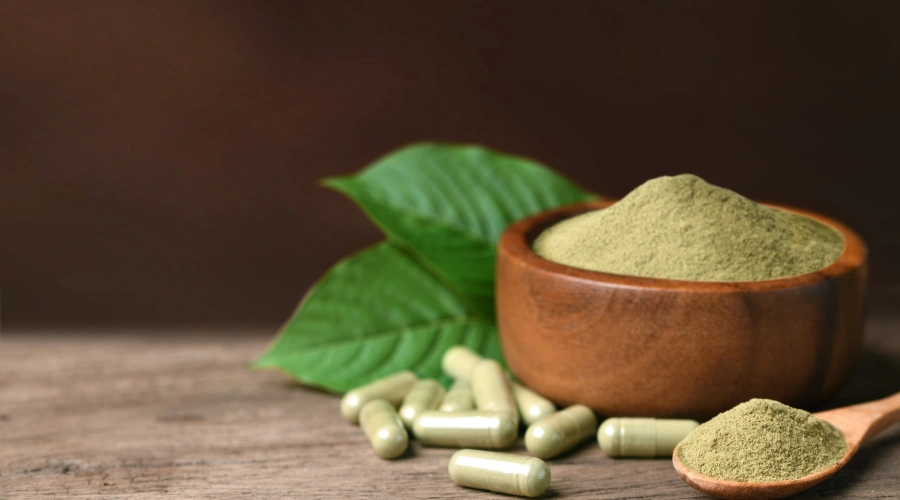
Kratom is the common name for Mitragyna speciosa, a tree native to Southeast Asia. Products made from its leaves are sold as powders, capsules, teas, extracts, drinks, gummies, and tablets. Although kratom has an herbal origin, its chemical compounds can change mood, alertness, pain, and perception.
The two most studied compounds are mitragynine and 7-hydroxymitragynine, often shortened to 7-OH. Both can activate mu-opioid receptors in the brain and body. These are some of the same opioid receptors affected by prescription opioids and heroin, although kratom’s overall effects do not perfectly match those drugs.
People report different effects from kratom. Some describe increased energy or alertness. Others describe relaxation, pain relief, drowsiness, or confusion. It is common to hear that lower doses always stimulate and higher doses always sedate, but research has not established a dependable dosing rule. Product strength, the form used, medications, other substances, health conditions, and prior experience can all change the response.
Kratom products also vary from one package to another. A label may not fully show the concentration of active compounds, and some products have contained heavy metals, harmful bacteria, or ingredients that were not expected. The U.S. Food and Drug Administration has not approved kratom or its known compounds to treat pain, withdrawal, anxiety, depression, or another medical condition.
Is Taking Kratom a Relapse in Addiction Recovery?

There is no single recovery definition that applies to every person. Recovery can include abstinence-based programs, medication-supported treatment, harm-reduction plans, peer support, faith-based pathways, and other recovery programs. The written or clearly understood plan matters, especially in early recovery.
For many people, the answer starts with these questions:
- Did you intentionally take kratom to feel high, numb distress, manage cravings, sleep, gain energy, or change your mood?
- Does your recovery plan require abstinence from non-prescribed mind-altering substances?
- Did you hide the use from a sponsor, therapist, prescriber, family member, or treatment team?
- Did one use lead to another purchase, stronger products, or repeated dosing?
- .Is kratom replacing an evidence-based treatment or a medication that was part of your plan?
In an abstinence-based recovery program, intentional kratom use will often be considered a relapse or return to use. In a harm-reduction plan, the team may focus first on whether the use reduced or increased harm, became compulsive, or interfered with treatment. That review should also consider mental health challenges and whether kratom’s effects are undermining stability. Accidental exposure may be handled differently from planned use, but it still deserves a safety review and professional guidance.
At Ingrained Recovery, we focus on what happened and what needs to change next. A label can help people communicate, but it should not become a reason to hide, give up, or delay support. When needed, clinical support, professional support, and professional treatment can help people reconnect with addiction specialists and protect long term recovery and long term sobriety.
Lapse, Relapse, and Return to Use
People use the words lapse and relapse in different ways. A lapse may describe one episode. Relapse may describe a broader return to an earlier pattern of substance use. Many clinicians use the neutral phrase return to use because it describes the event without turning it into a moral judgment.
The pattern matters more than winning an argument over terminology. Consider:
- Was this one event or repeated use?
- Was the product traditional leaf, an extract, or a concentrated 7-OH product?
- Were alcohol, opioids, sedatives, stimulants, cannabis, medications, or other substances also involved?
- Have the amount, strength, or frequency increased?
- Are you using kratom to prevent withdrawal or feel normal?
- Has use affected sleep, mood, relationships, work, money, or treatment participation?
One use does not erase the skills, insight, relationships, or sober time you have built. Continuing in secrecy can make the situation harder. Early disclosure gives the recovery team a chance to strengthen the plan before a short event becomes an ongoing cycle.
Why Do Some People in Recovery Turn to Kratom?

Most people do not reach for kratom without a reason. Understanding the need behind the use helps identify safer ways to meet it.
Withdrawal symptoms and cravings
Some people use kratom to manage opioid withdrawal, reduce cravings, or avoid returning to prescription opioids or heroin. Some pursue ‘kratom recovery support’ methods because they believe it will ease withdrawal or cut cravings at home.
Others try kratom during alcohol or stimulant recovery because they want energy, relief, or a way to change how they feel. Kratom has not been established as a safe and effective home treatment for withdrawal or substance use disorders, and major health organizations advise against using it for these conditions.
It can lead to dependence within two to eight weeks in some users, though the timing varies by product and pattern of use.
For opioid use disorder, approved medications such as buprenorphine, methadone, and naltrexone can be considered with a qualified clinician as part of professional treatment guided by medical professionals rather than relying on kratom alone. The right medication and setting depend on an assessment, not a one-size-fits-all rule.
Chronic pain
A person may want pain relief without returning to prescription opioids, and some people view kratom as a natural pain reliever in that situation. That concern is valid, but kratom poses serious risks and is not considered kratom safe for self-treatment of chronic pain.
A medical team can review the cause of pain, non-opioid medications, physical therapy, behavioral pain care, and other options, with professional guidance and support from medical professionals instead of using kratom to relieve pain.
Anxiety, depression, trauma, or poor sleep
Kratom may feel calming or energizing for a short time, and some people use it for improved mood or calming effects even when that relief is temporary. It has not been approved to treat a mental health condition, and higher or repeated use may also contribute to cognitive impairment. When anxiety, low mood, trauma symptoms, fatigue, or insomnia are driving substance use, integrated care can address underlying mental health challenges rather than repeatedly covering them up, including evidence-based options such as cognitive behavioral therapy.
Access and marketing
Kratom may be sold online and in local shops. Words such as natural, herbal, and legal can make the health risks seem smaller than they are, especially as its growing popularity leads more people to view it as low risk. Whether kratom legal status is permissive in a given area does not resolve the underlying safety concerns. Easy access does not mean a product is medically approved or compatible with a person’s recovery goals.
Noticing the Red Flags for Kratom Use When in Recovery
Kratom use deserves attention when it begins to look or feel like earlier addictive patterns. Warning signs can include:
- Using more or more often than planned
- Needing stronger extracts or concentrated products
- Feeling unable to cut back
- Experiencing intense cravings or planning the day around the next dose
- Using to avoid withdrawal symptoms
- Hiding purchases, packages, or use
- Missing treatment, meetings, work, or family responsibilities
- Continuing despite health, money, relationship, or legal problems
- Returning to alcohol, opioids, sedatives, or other addictive substances after using kratom
A checklist cannot diagnose a substance use disorder. It can show when a professional assessment is warranted.
Our kratom rehab resources explain how structured support may fit when use has become difficult to control.
Get Effective Detox and Rehab Options at Ingrained
Find Help At Ingrained Recovery
Dependence, Withdrawal Symptoms, and Relapse Risk
Regular kratom use can lead to tolerance. This means a person may seek more kratom, use it more often, or move to a stronger product to pursue the same effects. Physical dependence can also develop, and for some people this may happen within two to eight weeks, which means withdrawal symptoms may appear when use stops.
Reported kratom withdrawal symptoms include:
- Muscle aches and restlessness
- Trouble sleeping
- Anxiety and irritability
- Nausea, diarrhea, or stomach discomfort
- Sweating or chills
- Low mood and fatigue
- Strong urges to use again
There is no medically reliable statement that dependence always develops within a certain number of weeks. There is also no exact withdrawal timeline that fits every person, although symptoms may begin within 6 to 24 hours after the last dose. The pattern can be influenced by the product, concentration, amount, frequency, length of use, physical health, medications, and other substances.
Withdrawal may be uncomfortable enough to restart use, especially when intense cravings raise the risk of returning to kratom or other drugs. A detox and level-of-care assessment can help determine whether medical monitoring, residential support, outpatient follow-up, or another service is appropriate.
Kratom Products, Concentrated 7-OH, and Health Risks
The word kratom can describe products with very different chemical composition and strength. Traditional leaf powder is not the same as an extract, shot, tablet, or product with added or enhanced 7-OH.
Federal agencies have raised particular concern about concentrated 7-OH products. The Drug Enforcement Administration considers kratom a drug of concern rather than a federally controlled substance. In 2026, federal action focused on 7-OH above a proposed threshold and several related synthetic compounds. The stated goal was to target concentrated and synthetic products rather than natural leaf with trace levels of 7-OH.
Possible kratom-related effects range from nausea, constipation, dizziness, and drowsiness to rare reports of confusion, tremors, seizures, slow breathing, liver damage, and other serious problems. Risk can change when kratom is combined with alcohol, opioids, benzodiazepines, sleep medications, stimulants, or other drugs.
Legal status varies by location and product. Whether something is legal does not determine whether kratom safe, medically appropriate, or allowed within a recovery program, especially given ongoing safety concerns.
What to Do After Taking Kratom in Recovery

A calm, direct response can protect the progress you have made.
- Tell someone on your recovery team. Share what you took, when you took it, and the amount or product name if known. A sponsor, therapist, prescriber, peer-support contact, or treatment provider can help you respond without minimizing or catastrophizing the event and help you get professional guidance or professional support right away.
- Check immediate safety. Review whether alcohol, medications, opioids, sedatives, stimulants, or other substances were involved. Do not drive or operate equipment if you feel impaired.
- Pause access. Avoid buying more while arranging support. If you have been using regularly or feel sick when you miss a dose, ask for clinical support rather than creating a home detox plan.
- Identify the need behind the use. Pain, cravings, anxiety, poor sleep, fatigue, and loneliness require different solutions.
- Review the recovery plan. You may need closer appointments, more peer contact, a medication review, withdrawal monitoring, a higher level of care, or recovery programs if you need more structure.
- Remove shame from the decision. Accountability is useful. Self-attack often drives more secrecy and avoidance.
When Kratom Use Requires Urgent Medical Help
Call 911 or seek emergency medical care if a person has trouble breathing, cannot be awakened, has a seizure, collapses, or develops severe confusion. If poisoning or an unexpected reaction may have occurred in the United States, Poison Control can be reached at 1-800-222-1222.
Tell emergency clinicians what product was used and when. Share the amount, if known, and any other substances or medications involved. Bring the package or a clear photo of the label when it is safe to do so.
After the immediate danger has passed, a treatment team can assess withdrawal risk, other substance use, mental health concerns, and the recovery support that may be needed.
Safer Alternatives for Pain, Cravings, and Mental Health
There is no single substitute for kratom because people use it for different reasons. Safer alternatives begin with a clear assessment.
For opioid cravings or opioid withdrawal, ask a qualified clinician or other medical professionals about FDA-approved options, evidence-based medications, and behavioral support. For chronic pain, a medical team may consider physical therapy, non-opioid medication, activity changes, behavioral pain care, or specialty treatment; unlike kratom, prescription medications are regulated. Do not start, stop, or change prescription medication on your own.
For anxiety, depression, trauma symptoms, or sleep problems, individual therapy and appropriate medical care can address the underlying concern. When substance use and mental health symptoms overlap, our dual-diagnosis support connects both parts of the treatment plan, including care informed by addiction specialists.
Peer support also matters. Twelve-Step groups, SMART Recovery, and other communities use different approaches, but each can provide connection and accountability between clinical visits.
Get Support for Kratom Use at Ingrained Recovery

If kratom use is affecting your health, daily life, or recovery, Ingrained Recovery can help you understand the next step. Our team reviews the product, pattern of use, withdrawal history, other substances, medications, physical health, and mental health concerns. Professional treatment can support kratom recovery when use starts to affect your well-being, functioning, or sobriety.
Our adult program in Eastman, Georgia, offers medically supervised detox and residential addiction treatment within a structured setting. Individual counseling, group work, relapse-prevention planning, clinical support, and support for co-occurring concerns help clients address both the substance and the reason they were using it.
You do not need to settle the word relapse before asking for help. Call our admissions team for a confidential conversation about what has been happening and how our program may support your return to recovery, long term recovery, and long term sobriety.
Many Forms of Commercial Insurance Accepted for Treatment
Find Help At Ingrained Recovery
Frequently Asked Questions About Kratom and Relapse
Does any kratom use count as a relapse?
Not in every recovery pathway. In an abstinence-based plan, intentional kratom use will often count as a return to use because kratom is psychoactive and has opioid-like effects. A harm-reduction plan may use different language and focus on whether use increased risk or became compulsive. Apply the definition in your own treatment agreement while responding honestly to the event.
Does kratom count as an opioid?
Kratom is a plant, not a prescription opioid. However, kratom acts on the brain’s opioid receptors through compounds such as mitragynine and 7-OH, which can produce some opioid-like effects. Kratom can also produce stimulant-like effects, and product strength varies.
Is kratom withdrawal dangerous?
Many reported cases involve mild to moderate symptoms, but risk can rise when symptoms follow heavy use, concentrated products, serious medical conditions, use with alcohol, medications, or other drugs, or the last dose of an unknown product. Seek medical guidance if symptoms are severe, you cannot keep fluids down, or you do not know what the product contained.
Does one use erase my recovery?
No. One use does not remove the skills or progress you have built. Tell your support team, check for immediate risk, and change the conditions that led to the event. Acting early can keep one use from becoming a longer pattern.
Can treatment help if kratom is the only substance I use?
Yes. Our admissions and clinical teams can assess kratom use on its own or alongside other substances. The assessment looks at safety, withdrawal, control over use, mental health, and daily functioning so the next step matches the situation.
References
- National Institute on Drug Abuse. (n.d.). Kratom. Retrieved August 25, 2026
- Stanciu, C. N., Gnanasegaram, S. A., Ahmed, S., & Penders, T. (2019). Kratom withdrawal: A systematic review with case series. Journal of Psychoactive Drugs, 51(1), 12-18.
- Substance Abuse and Mental Health Services Administration. (2024, November 25). About recovery
- Swogger, M. T., & Walsh, Z. (2018). Kratom use and mental health: A systematic review. Drug and Alcohol Dependence, 183, 134-140.
- U.S. Food and Drug Administration. (2025, December 2). FDA and kratom.
- U.S. Food and Drug Administration. (2026, July 13). Hiding in plain sight: 7-OH products.
- Yang, Y., Müller, C. P., & Singh, D. (2024). Kratom (Mitragyna speciosa) use and mental health: A systematic review and multilevel meta-analysis. European Addiction Research, 30(4), 252-274.