A residential marijuana addiction program may be the right choice when cannabis use has become difficult to control, and outpatient support is not enough.
Living at a treatment facility like ours creates structure, distance from everyday triggers, and regular access to care for marijuana use and related mental health concerns.
Let’s be forthright, though: residential care is not necessary for everyone. The right level of care depends on the severity of the cannabis use disorder, withdrawal symptoms, safety, previous attempts to quit, other substance use, and the home environment.
At Ingrained Recovery, our adult treatment program in Eastman, Georgia, begins with an individual assessment. We offer medical detox when clinically indicated, residential treatment, therapy, support for co-occurring disorders, and discharge planning.
Essential Takeaways
- Cannabis use disorder is a recognized substance use disorder. Warning signs include failed attempts to cut back, cravings, tolerance, withdrawal symptoms, and continued use despite harm.
- Residential marijuana treatment may fit people with severe symptoms, repeated returns to use, an unstable home environment, or co-occurring mental health concerns.
- Marijuana withdrawal is not usually managed in the same way as severe alcohol or sedative withdrawal, but sleep problems, irritability, anxiety, appetite changes, and cravings can still disrupt recovery.
- There is no medication approved specifically to treat cannabis use disorder. Behavioral therapies, recovery skills, and treatment of related mental health needs are central parts of care.
- Insurance coverage for marijuana addiction rehab depends on the person’s plan, network, medical necessity requirements, and authorization rules.
Get Accredited Treatment Programs at Ingrained Recovery
What Is a Marijuana Addiction Residential Program?
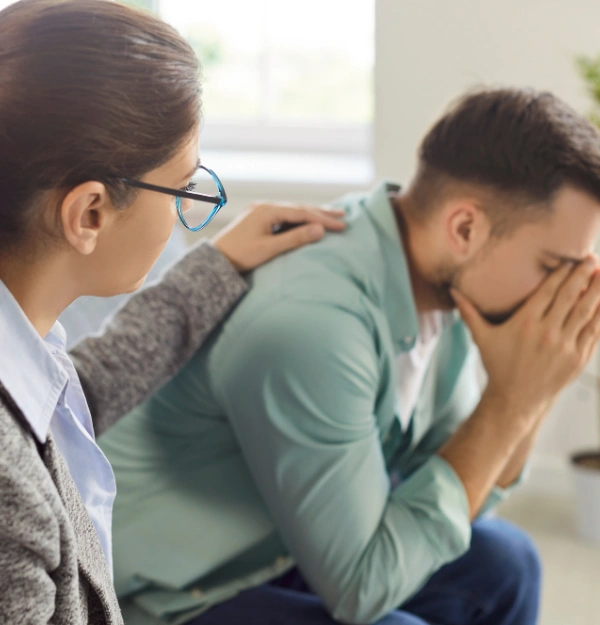
A marijuana addiction residential program is a live-in form of substance abuse treatment. A person stays at an addiction treatment center while taking part in a structured schedule of clinical services and recovery activities. This setting is different from outpatient treatment, where the person returns home after appointments.
Residential treatment can be helpful when daily routines, access to marijuana, or relationships around substance use make it hard to stop. The setting reduces immediate exposure to those triggers while the person learns new coping skills. It also gives the treatment team more time to understand patterns that may be missed during brief weekly visits.
This care may also be called residential marijuana treatment, inpatient rehab for marijuana addiction, or marijuana addiction rehab.
At Ingrained, our residential treatment program combines a structured living setting with individualized addiction and mental health care.
Detox focuses on withdrawal and early stabilization. Residential treatment addresses the behaviors, emotions, relationships, and routines that keep marijuana use going. Some people enter residential care without a separate detox phase, while use of alcohol, benzodiazepines, opioids, or other substances may require closer monitoring first.
Get Proven Detox and Rehab Options at Ingrained

When Residential Marijuana Treatment May Be Appropriate
A clinical assessment should guide the level-of-care decision. Daily use alone does not automatically mean someone needs residential treatment, and occasional use does not rule out a serious problem.
The more useful question is how marijuana use affects control, safety, health, and daily life.
Signs that marijuana use has become hard to control
A person may need a closer assessment when they:
- Use more marijuana, or use it more often, than they planned
- Try to stop or cut back but repeatedly return to use
- Spend a large part of the day obtaining, using, or recovering from cannabis
- Need stronger products or larger amounts to feel the same effects
- Experience irritability, anxiety, poor sleep, low appetite, or cravings when they stop
- Continue using despite problems at work, school, home, or in relationships
- Drive, work, or take other risks while impaired
- Give up activities that once mattered because marijuana use takes priority
These signs may point to cannabis use disorder, but an online list cannot diagnose it. A qualified clinician looks at the whole pattern, including how long the problem has lasted and how much it interferes with the person’s life.
Factors that indicate an inpatient setting should be considered
Residential marijuana addiction treatment may be considered when several of the following are present:
- Severe or persistent symptoms: The person has strong cravings, repeated failed quit attempts, or major problems caused by marijuana abuse.
- Co-occurring disorders: Anxiety, depression, trauma symptoms, psychosis, or another mental health condition needs to be treated alongside marijuana addiction.
- Use of other substances: Alcohol, opioids, sedatives, stimulants, or prescription drugs may change withdrawal risk and treatment needs.
- An unsafe or unstable environment: Marijuana is readily available at home, supportive housing is not available, or family conflict makes early recovery harder.
- Previous treatment did not hold: Outpatient counseling or self-directed attempts have not produced enough stability.
- High-potency products: Concentrates, extracts, and other high-THC products may be linked with stronger intoxication, tolerance, anxiety, or other complications.
- Loss of daily functioning: Work, school, parenting, relationships, finances, or physical health have been seriously affected.
The purpose of residential care is not to punish a person for using weed. It is to match the intensity of treatment to the level of need.
Marijuana Withdrawal and the First Days of Care

Some people are surprised that marijuana can cause withdrawal. Regular, heavy use can lead to physical dependence. When the person stops, the brain and body may need time to adjust.
Common marijuana withdrawal symptoms include:
- Irritability or anger
- Anxiety or restlessness
- Trouble falling or staying asleep
- Vivid dreams
- Lower appetite
- Depressed mood
- Headaches, sweating, or stomach discomfort
- Strong urges to use marijuana
Symptoms often begin during the first day or two after stopping and may feel strongest during the first week. The course is different for each person. Frequency of use, THC strength, other substances, medications, physical health, and mental health can all affect the experience.
There is no single detox protocol that fits everyone. During intake at Ingrained, our team reviews the person’s marijuana use, other drug and alcohol use, medical history, medications, and past withdrawal. Medical detox is used when the assessment shows that closer monitoring or withdrawal management is needed. Support may also focus on hydration, sleep, nutrition, anxiety, and a safe transition into the daily residential schedule.
Evidence-Based Inpatient Marijuana Addiction Treatment
Stopping marijuana is only one part of recovery. Treatment also needs to address why the person uses it, what triggers use, and what will replace it in daily life.
There is no FDA-approved medication specifically for cannabis use disorder or marijuana withdrawal. A clinician may still treat related symptoms or a co-occurring mental health condition when appropriate. Medication decisions are based on the individual, not on a standard marijuana rehab prescription.
Behavioral approaches used in marijuana addiction treatment may include:
- Cognitive behavioral therapy: CBT helps people recognize triggers and practice more effective responses.
- Motivational approaches: These conversations help a person compare the effects of continued use with longer-term goals.
- Contingency management: Positive reinforcement supports treatment participation and recovery behaviors.
- Individual and group therapy: Sessions address personal triggers while building connection, accountability, and communication skills.
- Relapse prevention and life skills: Clients practice managing cravings, stress, sleep, time, and high-risk situations.
The treatment plan should match the person’s symptoms, goals, and progress rather than rely on one method for everyone.
Treating Co-Occurring Mental Health Conditions
Marijuana use and mental health can affect each other. Some people begin using cannabis to cope with anxiety, low mood, trauma memories, pain, or poor sleep. Over time, frequent use may make it harder to tell which symptoms came first. High-THC products may also worsen anxiety, paranoia, or confusion in some people.
Treating marijuana dependence without addressing the underlying mental health condition can leave a major trigger untouched. At Ingrained, our dual diagnosis treatment supports adults who have substance use and co-occurring mental health concerns. The clinical team can coordinate therapy, medication support when appropriate, and recovery planning within one treatment plan.
A person experiencing hallucinations, severe paranoia, suicidal thoughts, or a major change in behavior needs prompt professional assessment. These symptoms should not be treated as a routine part of quitting marijuana.
What We Offer at Ingrained Recovery

Our marijuana addiction residential program is built around an individual plan rather than a fixed track. Depending on the assessment, care may include:
- A medical, psychiatric, and substance use evaluation
- Medically supervised detox when clinically indicated
- A structured residential schedule in a substance-free setting
- Individual therapy and group counseling
- Cognitive behavioral and motivational approaches
- Support for co-occurring disorders
- Family education or sessions when clinically appropriate
- Relapse-prevention and life-skills work
- Experiential activities that complement the clinical plan
- Discharge planning and referrals for continuing care
Our Eastman campus also offers equine-assisted therapy and other hands-on activities. These experiences may help clients practice patience, trust, emotional regulation, and responsibility. They are additions to treatment, not replacements for medical care or evidence-based therapy.
How Long Does Residential Marijuana Rehab Last?
There is no standard length of stay for marijuana addiction rehab. Treatment length can depend on symptom severity, other substance use, mental health needs, insurance authorization, progress, home stability, and the continuing-care plan.
A short stay may help one person stabilize, while another person may need more time to build reliable coping skills and a safe discharge plan. Admissions staff can discuss the program, but the clinical team should determine the recommended duration after assessment and continue reviewing it during treatment.
Does Insurance Cover Marijuana Addiction Rehab?
Health insurance may cover some marijuana addiction treatment when the service is included in the plan and is considered medically necessary. Coverage does not depend only on the insurance company’s name. It can also depend on:
- The exact plan and benefit year
- Whether the treatment center is in network or out of network
- The person’s deductible, copay, and coinsurance
- Prior authorization or pre-certification requirements
- The level of care requested
- Clinical documentation supporting residential treatment
- Any exclusions or limits in the plan documents
Our admissions team can complete an insurance benefits review and explain what the insurer reports. Verification is an important planning step, but it is not a guarantee that every service or day of care will be paid. Self-pay options may also be discussed when insurance is unavailable or does not fit the program.
Preparing for an Admissions Conversation

Having a few details ready can make the first call more useful:
- How often marijuana is used, in what form, and at what strength if known
- Recent attempts to stop, withdrawal symptoms, and cravings
- Alcohol, prescriptions, and other drug use
- Mental and physical health concerns and current medications
- Previous treatment and home supports
- Insurance card information, when applicable
It is fine not to have every answer. The conversation is meant to clarify what assessment and level of care should come next.
Find Residential Support for Marijuana Addiction at Ingrained
Marijuana addiction can be serious even when the substance is legal or widely accepted. If cannabis use is controlling daily life, worsening mental health, or continuing despite repeated efforts to stop, structured care may provide the distance and support needed to change the pattern.
Contact Ingrained Recovery to discuss your marijuana use, ask about our residential program in Eastman, and learn how an assessment can clarify the right level of care. Our admissions team can also review insurance benefits and practical next steps without promising a particular admission, length of stay, or outcome.
Many Forms of Insurance Accepted for Treatment
FAQs About Residential Marijuana Treatment
Do I need rehab if I use marijuana every day?
Daily use does not automatically mean residential rehab is necessary. It does raise concern when the person cannot cut back, needs stronger products, experiences withdrawal, or keeps using despite problems. A professional assessment can distinguish frequent use from a cannabis use disorder and recommend the least restrictive level of care that is likely to help.
Can marijuana cause withdrawal symptoms?
Yes. People who use marijuana regularly may experience irritability, anxiety, poor sleep, appetite changes, restlessness, depressed mood, or cravings after stopping. Symptoms vary in timing and severity. Other substance use or a serious mental health condition may require additional medical attention.
What is the most common treatment for marijuana addiction?
Behavioral treatment is central to care. Cognitive behavioral therapy, motivational approaches, contingency management, individual counseling, group therapy, and relapse-prevention planning may all be used. The best combination depends on the person’s needs.
Are there medications for cannabis use disorder?
There is no FDA-approved medication specifically for cannabis use disorder. Clinicians may treat sleep problems, anxiety, depression, or another co-occurring condition when appropriate, but medication should be selected after an individual evaluation.
Can residential treatment help with anxiety or depression too?
It can when the facility is equipped to provide integrated dual diagnosis care. At Ingrained, the treatment plan can address marijuana addiction and co-occurring mental health concerns together. A separate or higher-acuity mental health service may be recommended when symptoms fall outside the program’s scope.
What happens after residential marijuana treatment?
Discharge planning may include outpatient therapy, psychiatry, peer support, recovery meetings, sober housing resources, family support, and a written relapse-prevention plan. Ingrained does not treat discharge as the end of recovery. Our team helps identify appropriate continuing-care resources based on the person’s location and needs.
References
- Centers for Disease Control and Prevention. Understanding Your Risk for Cannabis Use Disorder.
- National Institute on Drug Abuse. Cannabis (Marijuana).
- National Institute on Drug Abuse. Treatment.
- Connor, J. P., Stjepanovic, D., Budney, A. J., Le Foll, B., & Hall, W. D. Clinical Management of Cannabis Withdrawal. Addiction, 2022.