Our agriculture therapy for addiction options include voluntary, structured activities in our outdoor gardens, small growing area, and year-round greenhouse/hoop house.
Our offerings include recreational gardening, therapeutic horticulture, and clinician-led horticultural activities.
Participation is completely voluntary. Activities and precautions are considered individually, taking account of a client’s wishes, physical abilities, and treatment needs.
The program adds a practical, nature-based option alongside adult addiction care at our Eastman, Georgia facility.
What Does Agriculture Therapy Mean?
Programs use several related terms. Understanding them can help you compare services without assuming they all offer the same care.
Horticultural therapy
The American Horticultural Therapy Association defines horticultural therapy as plant-related activities facilitated by a registered horticultural therapist to meet goals within a treatment, rehabilitation, or vocational plan. The process and the participant’s goals matter more than the finished garden (American Horticultural Therapy Association [AHTA], n.d.).
For example, a structured activity might address participation, communication, or following an agreed plan. Ask how the provider selects goals and reviews progress.
Therapeutic horticulture
Therapeutic horticulture also uses plant activities to support program goals and wellbeing. It may be led by a registered horticultural therapist or another professional trained in using horticulture for this purpose. It is distinct from a formal, individualized horticultural therapy service (AHTA, n.d.).
A pleasant gardening group is not automatically either service. The facilitator’s training, the program’s purpose, and its structure help explain what is being offered.
Care farming
Care farming uses agricultural settings and activities in a supported context. Programs differ, and participants may include people with a range of health or social needs. Purposeful farm work may involve growing food, feeding animals, or other supervised tasks. The actual activities depend on the program (Murray et al., 2019).
A working farm is not necessarily an addiction treatment provider. Ask which clinical services are available and whether the agricultural activity is recreation, rehabilitation, vocational training, or employment.
Get Accredited Treatment Programs at Ingrained Recovery
What Does Research Support?
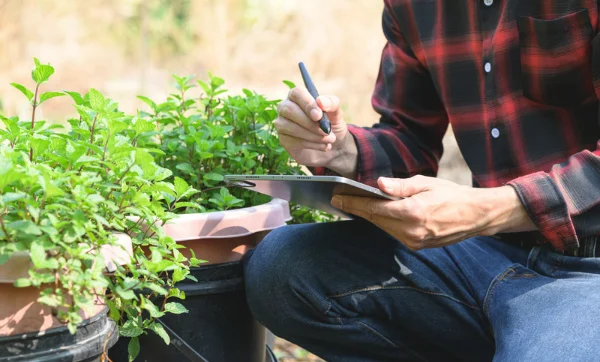
A systematic review of care farms found no evidence that they improved quality of life and some evidence suggesting possible effects on depression and anxiety. The authors described limitations in the available studies and called for stronger research (Murray et al., 2019).
The review included different populations and program designs. It does not establish that farming treats substance use disorders, prevents relapse, or outperforms standard addiction care. A finding from a general mental health setting also cannot automatically be applied to someone receiving addiction treatment.
It is reasonable to explore an activity because you find it meaningful. That personal value is different from a proven clinical effect. Programs should explain both the purpose of an activity and the limits of the evidence.
Get Proven Detox and Rehab Options at Ingrained
Our Garden and Greenhouse in Addiction Recovery
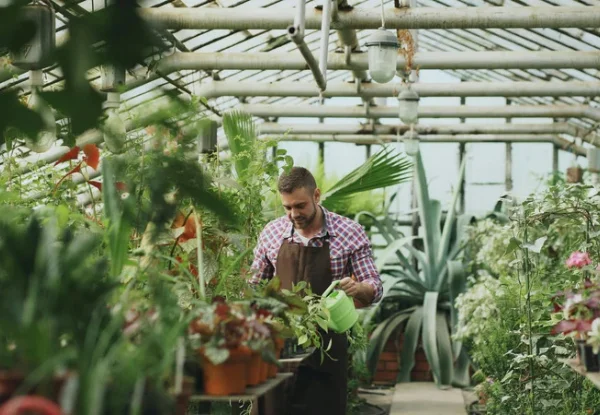
Our garden, greenhouse, and small crop-growing area provide settings for structured agricultural activities. A client may be interested in gardening for enjoyment, taking part in therapeutic horticulture, or taking part in clinician-led horticultural activities.
For residents interested in planting or learning about crops, the setting offers a concrete activity to focus on. You can talk with the clinician about what the task involves and how it relates to your own goals. It is also reasonable to enjoy the activity without expecting a particular emotional response.
The purpose and level of clinical involvement matter. We consider activities with the client rather than assuming that everyone wants the same tasks or physical demands.
Choosing an activity that fits
Discuss your interests, abilities, and concerns with the team. Participation can be shaped around what you want to try and what is appropriate for your situation. Physical limitations, heat exposure, access to tools, and contact with soil or chemicals are considered on a case-by-case basis.
Plant-related tasks might include watering, seed starting, or planning a growing area in a horticultural setting. These are examples to discuss with the team, rather than a guaranteed session menu. Available tasks depend on the program’s current activities and the individual plan.
Connecting an activity with a practical goal
A clinician-led activity may offer an opportunity to discuss following a routine, asking for help, working with others, or responding when a task becomes frustrating. These are possible areas of practice rather than guaranteed benefits.
The discussion should relate to the client’s needs. A person can enjoy growing plants without having to assign a recovery meaning to every task.
How Agriculture-Based Activities Fit With Addiction Care
A treatment plan for alcohol or drug addiction should address substance use, medical care, co-occurring mental health conditions, and ongoing support. Gardening and farm tasks cannot take the place of those services.
Ask a prospective program how it protects time for counseling and medical appointments. Outdoor participation should not interfere with prescribed medication, needed rest, or a clinician’s assessment of withdrawal.
At Ingrained Recovery, we offer adult Residential Treatment and medical detox in Eastman, Georgia. Our agricultural activities and equine-assisted programming provide experiential options alongside clinical care. Our team considers which activities fit a person’s needs and readiness to participate.
Other options within our residential program include art therapy, adventure therapy, and therapist-led music sessions.
Safety and Accessibility Questions to Ask
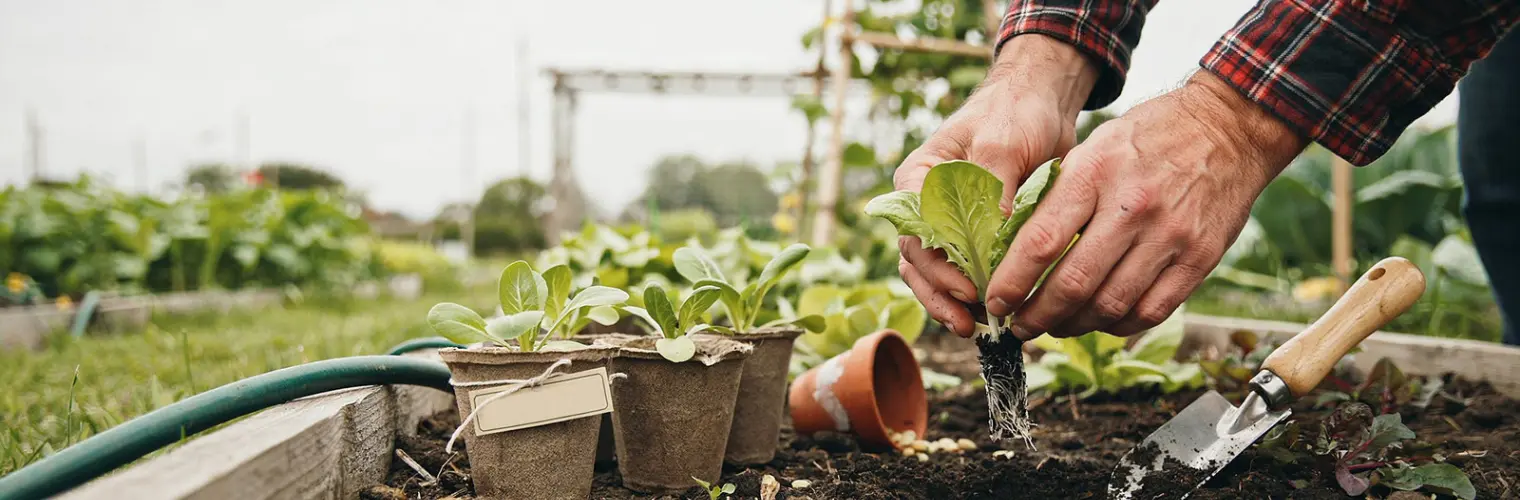
Farm and garden environments involve weather, soil, tools, and sometimes animals or chemicals. A program should explain the actual risks and supervision before participation.
Health and physical demands
Discuss mobility limitations, fatigue, balance concerns, allergies, and other health needs with the treatment team. Ask about lifting, bending, standing, and walking on uneven ground.
Possible adaptations could include seated tasks, raised containers, shorter activities, or indoor alternatives. Whether an adaptation is suitable depends on the person and the setting. Someone who is medically unstable or experiencing significant withdrawal may need clinical care and rest instead.
Weather and outdoor conditions
Ask how the program responds to heat, severe weather, and changing conditions. Families planning a stay can also ask how activities change with the season, including winter, and what alternatives are available. Shade, breaks, access to water, and an indoor alternative should be part of the discussion.
Tell medical staff about symptoms or medication concerns before participating. Follow their advice rather than changing or skipping medication to make outdoor work easier.
Tools, soil, and chemicals
Useful questions include:
- Who demonstrates and supervises tool use?
- Which tools are participants expected to handle?
- What protective clothing is needed?
- How are cuts, injuries, and other exposures handled?
- Are pesticides or fertilizers involved?
- What handwashing facilities are available?
- How are individual infection risks or open wounds considered?
A participant should not be expected to handle unfamiliar equipment or chemicals without appropriate preparation and oversight. Tasks that appear simple can still need adaptation.
Animals and insects
If a program includes animals, ask about the species, staff training, animal welfare, and injury precautions. Discuss any fear of animals or history of a serious sting allergy before going into the setting.
Gardening and outdoor observation can still involve insects. “Nature-based” does not mean risk-free.
Voluntary Participation and Individual Adaptations
Participation in our agricultural activities is completely voluntary. We consider each client’s wishes and assess relevant adaptations and precautions individually.
Tell the team if a task is uncomfortable, too demanding, or something you would rather not do. Physical limitations, weather, tool access, and soil or chemical exposure are part of the discussion. You can ask about a different activity or choose not to participate.
A client’s interest in gardening is not a measure of commitment to recovery. Activities should fit the person and support the broader care plan.
Comparing Programs and Costs
A useful comparison starts with core care rather than the attractiveness of a farm setting. Ask about medical assessment, counseling, co-occurring mental health support, and aftercare planning, as well as the outdoor activities.
For a gardening or horticultural service, ask about:
- The person leading it and their relevant qualifications.
- Current availability and how participants are selected.
- The goals and how progress is reviewed.
- Coordination with clinical staff.
- Any separate charge or participation requirement.
Insurance coverage depends on the plan and the service. Ask the provider and insurer what is covered, how it is billed, and what you may owe. Do not assume a farm activity is a covered clinical service.
Explore Agricultural Activities at Ingrained Recovery
Our garden, greenhouse, and crop-growing area offer clients a practical way to take part in nature-based activities while receiving adult addiction care. A trained clinician leads our horticultural activities, and participation is shaped around individual needs and preferences.
Call our admissions team confidentially to discuss treatment at our Eastman facility and ask how agricultural activities may fit your care.
Many Forms of Insurance Accepted for Treatment
Frequently Asked Questions
Is agriculture therapy a recognized addiction treatment on its own?
The phrase describes several different activities and services. It should not be treated as a substitute for evidence-based addiction care. Ask which specific service a program means and who delivers it.
Can gardening prevent relapse?
The care-farming review discussed here does not establish relapse prevention. Gardening may be a meaningful interest or part of a planned activity, but clinical claims need evidence that matches the outcome.
Do I need farming experience?
Requirements vary by activity and provider. Ask about beginner options, instruction, physical demands, and supervision. No one should be expected to use unfamiliar tools or manage animals without preparation.
What if I cannot do physical work?
Ask about adaptations and alternative activities. A person’s ability to lift, bend, or work outdoors should not be treated as a measure of commitment to recovery.
Does Ingrained provide agriculture therapy?
Yes. We offer structured agricultural activities using our garden, greenhouse, and small crop-growing area. These include recreational gardening, therapeutic horticulture, and clinician-led horticultural activities. Participation is voluntary, with adaptations and precautions assessed individually.
References
- American Horticultural Therapy Association. (n.d.). Definitions and positions.
- Murray, J., Wickramasekera, N., Elings, M., Bragg, R., Brennan, C., Richardson, Z., Wright, J., Llorente, M. G., Cade, J., Shickle, D., Tubeuf, S., & Elsey, H. (2019). The impact of care farms on quality of life, depression and anxiety among different population groups: A systematic review. Campbell Systematic Reviews, 15(4), Article e1061.