Medically Reviewed By

Kimberlynn Richards, MD, is Medical Reviewer at Ingrained and a Georgia-based addiction medicine specialist and internist with over 10 years of experience.
Insurance Accepted
Free Insurance Benefits Check
Call Ingrained Recovery’s admissions team to discuss potential benefits and out-of-pocket costs.
View Insurance InformationAsk our admissions team about privacy practices before sharing personal information.
Admissions
Contact Admissions
Our approach blends evidence‑based therapies with compassionate, personalized care.
What to Have Ready for a Benefits Check
Have your current insurance card handy when you call Admissions for a free benefits check. We’ll review your plan for the care you’re considering and explain what we can verify about coverage, your deductible, and expected out-of-pocket costs before you arrive.
If you’re paying for care yourself, ask us for an itemized written Good Faith Estimate so you can review the expected charges before making a decision.
Call Ingrained Recovery for a Free Benefits Check
Insurance Coverage for Rehab: Does Insurance Cover Rehab?
Ingrained Recovery accepts insurance. Potential insurance benefits for rehab depend on the terms of your plan and the services proposed. Call Ingrained Recovery’s admissions team to discuss your care and potential out-of-pocket responsibilities.
Before admission, ask about current costs, what is included in the proposed care and any charges that may be separate.
Marketplace Plans and Substance-Use Benefits
Health Insurance Marketplace plans include mental health and substance-use services as essential health benefits. The rules governing other types of insurance can differ. The plan’s terms determine which services and providers are covered and what you may pay.
Insurance and Payment Resources
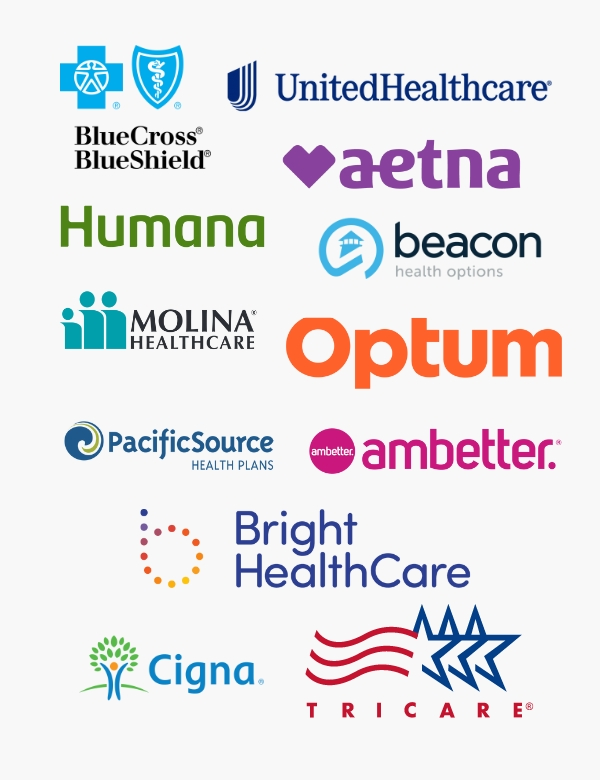
Use these articles to learn about individual insurers and payment options. The directory is a starting point for questions about benefits. Call Admissions to discuss current participation for the specific plan and service you are considering.
- Aetna
- Alliant
- Anthem
- Blue Cross Blue Shield
- Bright Health
- Carelon (formerly Beacon Health)
- Cigna
- EmblemHealth (GHI)
- Evernorth
- GEHA
- Medical Mutual
- Molina
- Multiplan
- NYSHIP
- Optum
- Regence
- Pacific Source
- Private Pay (also known as self-pay)
- TRICARE
- UnitedHealthcare
- UMR
What Types of Rehab Does Insurance Cover?
Substance-use benefits may apply to services such as counseling, residential care, or withdrawal management. The setting, network, and any prior authorization requirements can affect coverage. Ingrained offers medical detox and residential treatment onsite.
What Does Health Insurance Cover for Drug & Alcohol Treatment?
Ask about benefits for the level of care proposed for you. The covered setting, services included, and any separate charges can vary. Our Admissions team can help you discuss what that means for the care you’re considering.
What Kinds of Addictions Does Health Insurance Cover?
Plan benefits usually describe categories of services and eligibility requirements. If you’re seeking help for a specific substance or a co-occurring condition, tell Admissions about the care you’re considering so we can discuss program fit and benefits.
Common Types of Healthcare Plans and Benefits
Network rules vary by plan type. When comparing HMO, PPO, POS, or EPO benefits, look for referral requirements, how out-of-network services are handled, and how cost sharing is calculated. Read our out-of-network rehab guide for common terms, then ask Admissions how your specific plan applies.

Find Out Insurance Coverage for Rehab Details

How Much Does Rehab Cost with Insurance?
Benefits and any out-of-pocket responsibilities vary by plan and the services proposed. Call Ingrained Recovery’s admissions team to discuss potential benefits for medical detox or residential treatment.
Ask about current treatment costs, what is included and any charges that may be separate before deciding on admission.
What are Out-of-Pocket Expenses for Rehab Treatment?
Even when rehab treatment is covered by insurance, there may be some out-of-pocket expenses to pay. Insurance coverage is a huge help, of course, but there may still be costs that you’ll need to cover. Some of the possible expenses that you may incur when seeking treatment for substance abuse issues include the three points below –
- Premium: The premium is the monthly payment you make to the insurance company to maintain your policy.
- Copays: When treatment is provided under your insurance policy, that policy may dictate that you make a copay at the time of service. This copay is usually a modest amount, but it will vary depending on what the treatment is and where it is being provided.
- Deductibles: Your deductible is a set amount that must be paid out-of-pocket before insurance benefits kick in.
How to Use Insurance to Pay for Alcohol Rehab
Call Admissions to ask about benefits, whether any authorization is required, and expected out-of-pocket costs for the services you are considering.
What to Have Ready When You Call Admissions
- Your insurance card and the plan or member details printed on it.
- The name of the policyholder if the plan is through someone else.
- The care you’re asking about, such as medical detox or residential treatment.
- Questions about network participation, authorization, and expected costs.
How to Get Insurance Coverage for Rehab

Before insurance can cover a treatment program in a rehab facility, you will need to have an active insurance policy. For that, there are many options available today, although not all of them will apply to your situation.
Ways to Explore Health Coverage
- Marketplace enrollment. Review the current enrollment window and whether a qualifying change may open a Special Enrollment Period.
- Employer coverage. Ask HR what health plan choices and enrollment windows are available to you.
- Family coverage. Check whether you are eligible through a parent’s or partner’s plan.
- Public programs. Eligibility and benefits vary by program and state.
Finding an Alcohol Rehab That Accepts Private Insurance
Private plans differ in which facilities and services they cover. Call Admissions to ask about your plan, the treatment you’re considering, and expected out-of-pocket costs.
Can I Go to Rehab without Insurance?
Absolutely, many people go to rehab without insurance coverage and use another option to pay for the services they receive.
If you don’t have an insurance policy that covers rehab, or if you don’t have any insurance in place at all, the options below might be a suitable solution:
- Purchase insurance: Your best bet is likely to purchase an insurance policy that will allow you to go to a rehab center and have your care covered.
- Paying out of pocket: If you have the means available, you can simply pay for your treatment out of your own funds and get started right away.
- Payment plans: Even if you can’t pay for everything up front, it might be possible to work out a payment plan with the treatment center or facility to pay for your services over time.
- Scholarships: Some organizations offer scholarship programs to help individuals in need of further mental health services or rehab pay for the services they require.
- Loans: Finally, taking out a loan to pay for rehab might be a possibility, although this will depend on your financial status and other factors.
- Friends & Family: Your friends and family and family are a good source of assistance when it comes to getting help for drugs and alcohol. It may seem hard, but you would be surprised at the support you receive when you truly want help and ask for it from your loved ones.
Does Medicare Cover Drug and Alcohol Rehab?
Medicare covers some mental health and substance-use services. Which benefits apply depends on the service, the setting, and Medicare requirements. See Medicare’s coverage guide for general information.
Please note: at this time Ingrained Recovery does not accept Medicaid or Medicare coverage for treatment.
Does Medicaid Cover Rehab?
Medicaid coverage depends on the state, the enrolled provider, and the service. See Medicaid’s behavioral health information for general program details.
Using COBRA Rehab Coverage From a Former Employer
Some people who lose job-based coverage can choose temporary continuation under COBRA. Eligibility, timing, and costs depend on the circumstances and the plan. Check the Department of Labor’s COBRA guidance for general rules.
What is the Difference Between an In-Network and Out-of-Network Rehab Program?
An in-network provider has a contract under the applicable plan. Out-of-network benefits, if available, may involve different rules and costs. Ask Admissions about the current network status for your specific plan and the services being considered.
What is the Difference Between Commercial Insurance and State-Funded Insurance?
Commercial plans may come through an employer or be purchased individually. Public programs follow their own eligibility, provider, and benefit rules. The plan type is a starting point for checking what may apply to proposed care.
Ask Ingrained Recovery About Rehab Benefits and Costs

Ingrained Recovery accepts insurance for onsite adult medical detox and residential care in Eastman. Call Admissions to discuss program fit, exact benefits and expected costs for your proposed care.
Get a Complimentary Assessment of Benefits for Treatment
FAQs on Using Insurance for Addiction Treatment
Do I need a referral to come into your program?
Will mental health or dual diagnosis services be covered?
Are treatment medications covered at inpatient rehab?
Is addiction considered a pre-existing condition?
References
- HealthCare.gov. Mental health and substance abuse coverage.
- HealthCare.gov. Special Enrollment Period.
- Medicare. Mental health and substance use disorders.
- Medicaid.gov. Behavioral health services.
- U.S. Department of Labor. COBRA continuation coverage.