When you're drowning in the chaos of active addiction, the last thing your brain needs is more stimulation. Yet most people seeking treatment end up in urban centers surrounded by the exact triggers, stressors, and environmental chaos that contributed to their struggle in the first place.
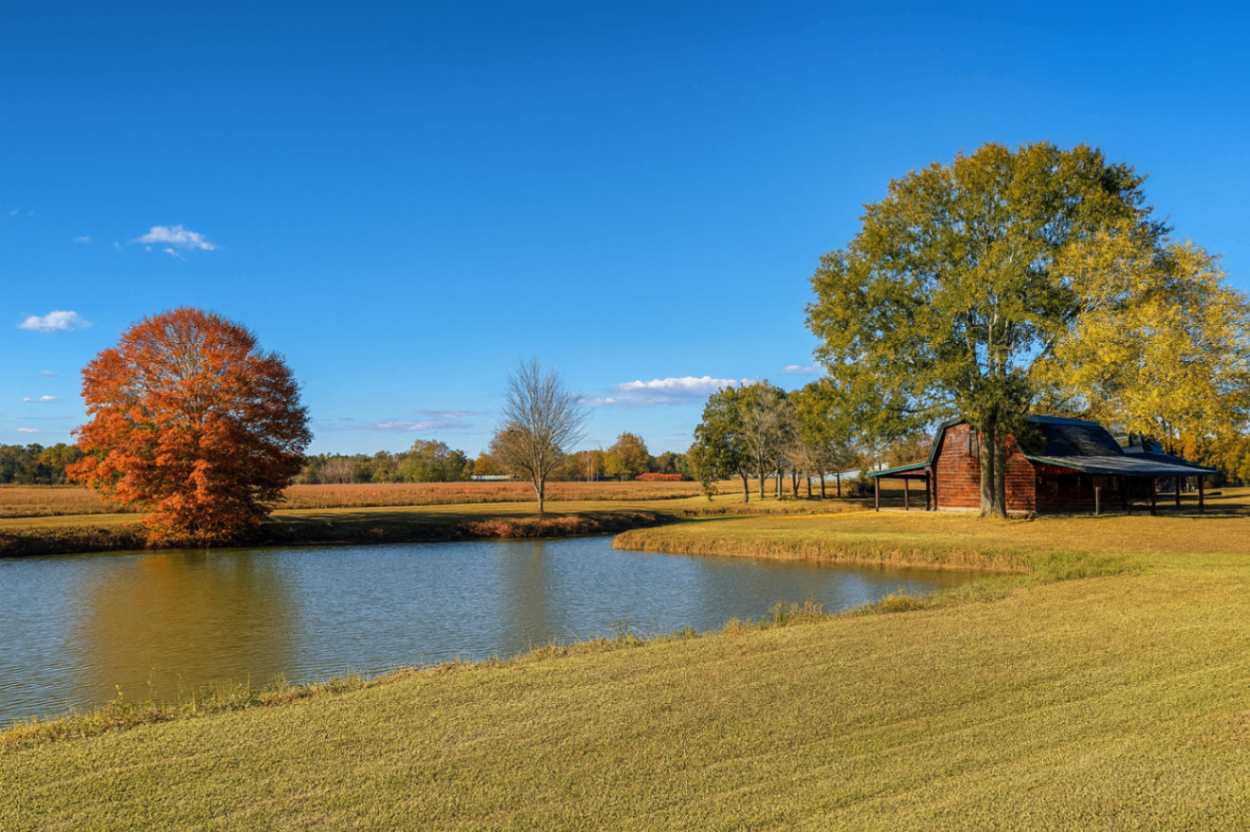
After running a residential program on 50 acres of Georgia woods for years, I've watched people arrive here completely fried from failed attempts at urban treatment centers. They're exhausted from trying to get sober while surrounded by sirens, traffic, crowds, and the constant buzz of city life that keeps their nervous system in perpetual fight-or-flight mode.
The truth most people don't want to hear? Your environment during early recovery isn't just important: it's everything.
The Urban Treatment Trap: Why City Centers Miss the Mark
Urban treatment centers face an impossible challenge: they're asking people to heal in the same type of environment that often triggered their addiction in the first place. The numbers tell part of the story, but what they don't capture is the day-to-day reality of trying to rebuild your life while surrounded by chaos.
In most city-based programs, you're dealing with:
Constant sensory overload that prevents your nervous system from truly settling. Your brain is trying to rewire itself while processing sirens, construction noise, and the general chaos of urban life.
Proximity to old triggers and dealers. Even if you're in a different neighborhood, the urban environment itself: the stress, the pace, the anonymity: can trigger the same mental patterns that led to substance use.
Cramped, institutional settings where privacy is impossible and genuine connection becomes difficult. When you're sharing space with dozens of other people in a concrete building, it's hard to find the quiet moments necessary for real introspection.
Limited outdoor space and nature access, which research consistently shows is crucial for mental health recovery and stress reduction.
The most telling sign? I regularly get calls from people who've been through multiple urban programs but still feel like something's missing. They did the work, attended the groups, learned the tools: but they never experienced the deep, cellular-level calm that makes lasting change possible.
Why Distance and Quiet Actually Heal the Brain
There's real science behind why rural recovery environments work differently. When your nervous system finally gets permission to downshift from constant hypervigilance, your brain can actually begin the rewiring process that makes sobriety sustainable.
Neuroplasticity requires calm. Your brain needs extended periods of low-stimulation environment to create new neural pathways and break old, destructive patterns. This doesn't happen when you're constantly processing urban stress signals.
Sleep quality improves dramatically away from city noise, traffic, and light pollution. Real sleep: not the restless, interrupted sleep most people get in urban settings: is when your brain does most of its healing work.
Nature exposure reduces cortisol levels and activates the parasympathetic nervous system, creating the optimal internal environment for recovery work. This isn't just feel-good theory: it's measurable brain chemistry.
At our 50-acre facility, people often tell me the first thing they notice is how differently they sleep. Not just longer, but deeper. Their shoulders drop. Their jaw unclenches. For the first time in months or years, their body gets the message that it's actually safe.

Addressing the "What About Medical Care?" Concern
The biggest worry families express about rural treatment is medical access. It's a legitimate concern: many rural programs do lack comprehensive medical support. But this is where specific program design matters more than location.
Our facility maintains 24/7 medical supervision with board-certified addiction medicine physicians and psychiatric staff on-site. We didn't choose rural Georgia and then compromise on medical care: we chose this location specifically because it allows us to provide intensive medical support in an environment that actually promotes healing.
For medical detox services, the rural setting actually provides advantages. Detox is often more comfortable and successful when people aren't dealing with the additional stress of urban noise, crowds, and constant stimulation while their body is already under significant physiological stress.
The combination of comprehensive medical oversight with the nervous system benefits of a rural environment creates optimal conditions for both safety and healing: something most urban programs struggle to achieve.
The Privacy Factor: Why Discretion Matters in Recovery
One advantage of rural programs that families often underestimate is privacy. Recovery requires vulnerability, and vulnerability requires safety. When you're worried about running into colleagues, neighbors, or business contacts, you can't fully engage in the therapeutic process.
Professional anonymity becomes possible when you're away from your usual networks. Many of our clients are executives, healthcare professionals, or public figures who need to be able to focus on recovery without worrying about their professional reputation.
Family protection also matters. Rural treatment allows family members to tell friends and colleagues that their loved one is "taking time away" or "dealing with health issues" without the specificity that local treatment might require.
Social media concerns disappear when you're not running into people who might post pictures or make comments about seeing you at a local facility.
This privacy isn't about shame: it's about creating the psychological safety necessary for genuine therapeutic work.
What 50 Acres Actually Provides: Beyond the Marketing
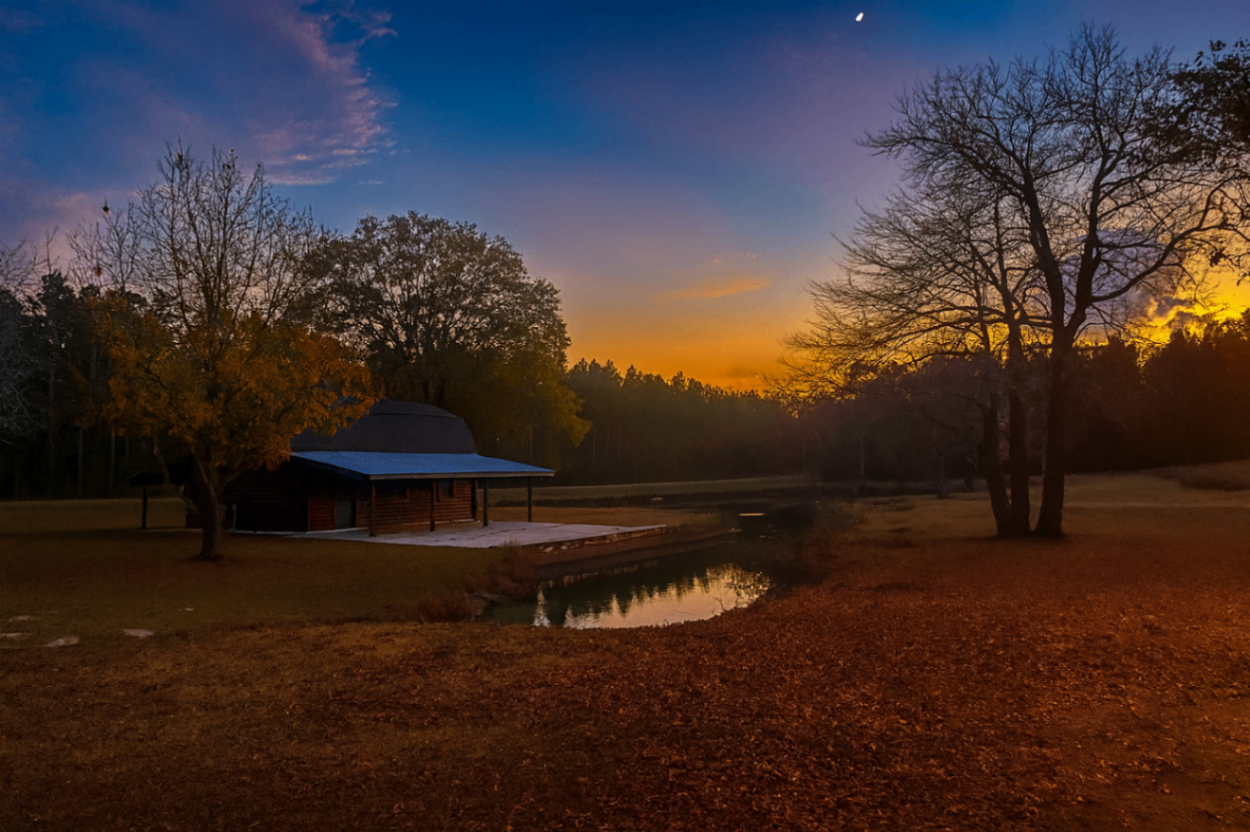
When we tell people about our 50-acre facility, some assume it's just a nice marketing detail. But space: real space: changes how treatment works on a fundamental level.
Individual processing time becomes possible when people can walk trails, sit by the pond, or find a quiet spot under trees to think through difficult emotions or therapy sessions. Urban facilities rarely offer this kind of solitary reflection space.
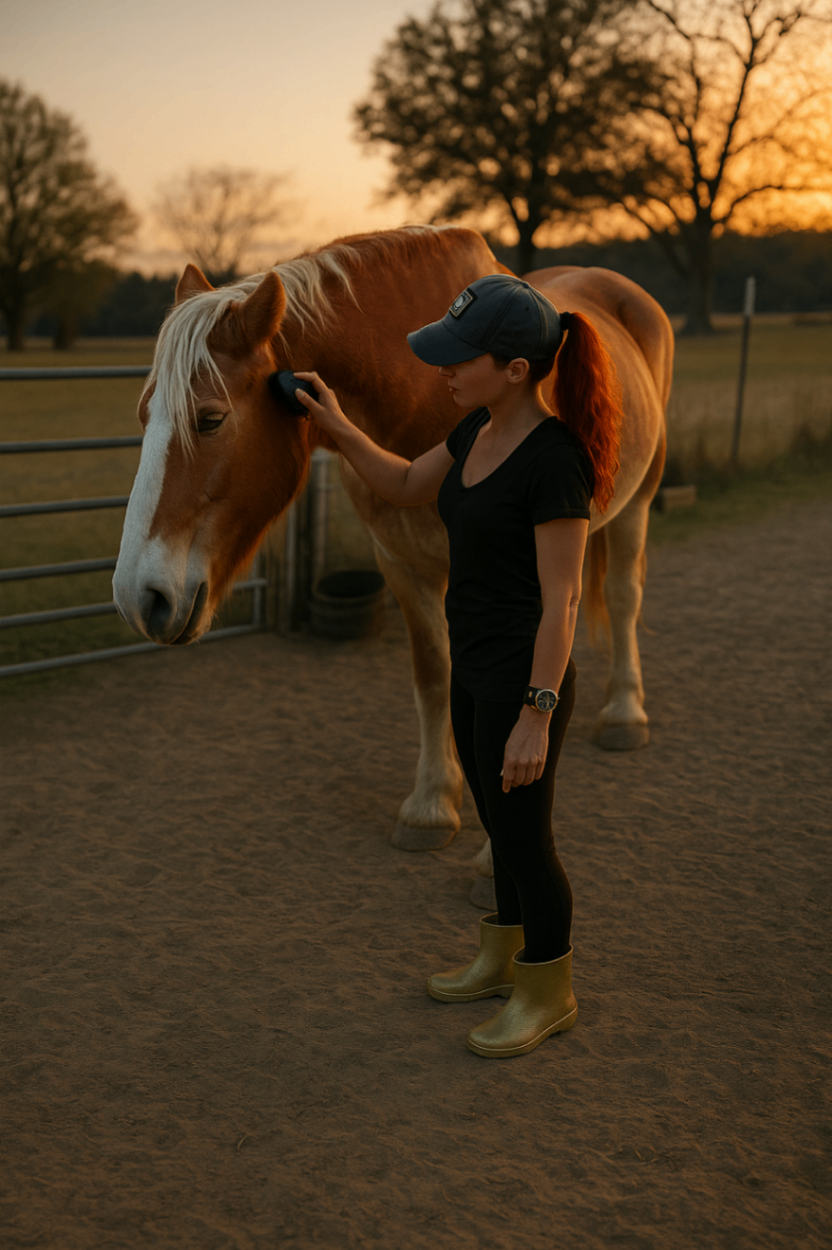
Equine therapy requires significant acreage and proper facilities. Our equine-assisted therapy program isn't possible in cramped urban settings, yet it provides breakthrough moments for people who haven't responded to traditional talk therapy approaches.
Group variety expands when you have different spaces for different types of therapeutic work: outdoor group sessions around the fire pit, walking groups on trails, meditation sessions in quiet meadows.
Stress reduction happens automatically when people can step outside and not see buildings, traffic, or crowds. The simple act of looking at horizon lines and natural landscapes measurably reduces stress hormones.
The "Fresh Start" Psychology of Geographic Change
Sometimes people need to physically leave their environment to psychologically separate from their addiction. This isn't about running away: it's about creating enough distance to see patterns clearly and build new ones without constant environmental triggers.
Routine disruption breaks unconscious patterns that support addictive behavior. When everything about your environment is different, your brain has to create new neural pathways instead of falling back on automatic responses.
Identity shifts become possible when you're away from the people and places that reinforce old self-concepts. Many clients tell me they rediscover parts of themselves they'd forgotten existed once they're away from familiar stressors and expectations.
Commitment depth often increases when someone has made the decision to travel for treatment. The investment: emotional, logistical, and financial: of leaving home for rural treatment often correlates with higher engagement levels.
Making the Decision: When Rural Treatment Makes Sense
Rural recovery isn't right for everyone, but it's particularly beneficial for people who have tried local options without lasting success, professionals who need privacy and intensive care, or anyone whose home environment contains significant triggers or stressors.
If you're exhausted by the noise: literal and figurative: of trying to get sober in the same type of environment that contributed to your struggle, a rural program might provide the reset your nervous system needs to make lasting change possible.
For people considering intensive residential care, the question isn't whether you can afford to leave home for treatment: it's whether you can afford not to create the optimal conditions for recovery to take hold.
The goal isn't to stay in rural Georgia forever. It's to experience what genuine calm feels like, build sustainable recovery skills in an environment designed for healing, and then return home with the internal stability to maintain those changes long-term.
If you're ready to explore whether this level of care makes sense for your situation, our admissions team can help you understand what comprehensive rural treatment actually involves and whether it aligns with your recovery goals.
