When you're caught in the cycle of addiction, everything feels loud. The constant buzz of triggers, the pressure of daily responsibilities, the chaos of trying to manage recovery while staying in the same environment where the problem began: it's overwhelming. That's why stepping away from the noise isn't about isolation; it's about giving your brain the space it desperately needs to heal.
There's a crucial difference between harmful social isolation and therapeutic seclusion in a structured treatment environment. While isolation from supportive relationships can fuel addiction, removing yourself from environmental chaos and triggers creates the perfect conditions for recovery. This is where the evidence-based approach of inpatient addiction treatment becomes transformative.
The Science of Environmental Healing
Your brain didn't become addicted overnight, and it won't heal overnight either. Research shows that the addicted brain undergoes significant neurological changes, particularly in areas responsible for decision-making, impulse control, and stress response. These changes make it nearly impossible to focus on recovery when you're surrounded by the same environmental cues that trigger substance use.

The constant stimulation of modern life: notifications, deadlines, relationship stress, financial pressure: keeps your nervous system in a heightened state of arousal. For someone in early recovery, this chronic stress creates a perfect storm. Your brain is already working overtime to recalibrate its reward pathways, and external chaos makes this process exponentially harder.
In a therapeutic setting away from daily triggers, several key neurological processes can begin:
Stress Hormone Regulation: Cortisol levels start to normalize when you're removed from chronic stressors. High cortisol interferes with the brain's ability to form new neural pathways: pathways essential for developing healthy coping mechanisms.
Dopamine System Recalibration: Without constant exposure to environmental triggers, your brain's reward system can begin to reset. This process requires time and consistency that's nearly impossible to achieve while managing daily life.
Neuroplasticity Enhancement: The brain's ability to form new connections improves dramatically in a calm, structured environment. This is where real behavioral change becomes possible.
Why Your Current Environment Might Be Working Against You
You've probably tried to get clean while staying in your usual environment. Maybe you've white-knuckled through detox at home, attended outpatient meetings while still living in the same apartment, or attempted to avoid triggers while keeping the same daily routine. If these attempts haven't stuck, it's not because you lack willpower: it's because your environment is sabotaging your efforts.
Every corner of your familiar space holds memories and associations. The bathroom where you used, the kitchen where you kept your stash, the bedroom where you made countless promises to quit tomorrow. These environmental cues trigger unconscious responses faster than your conscious mind can intervene.
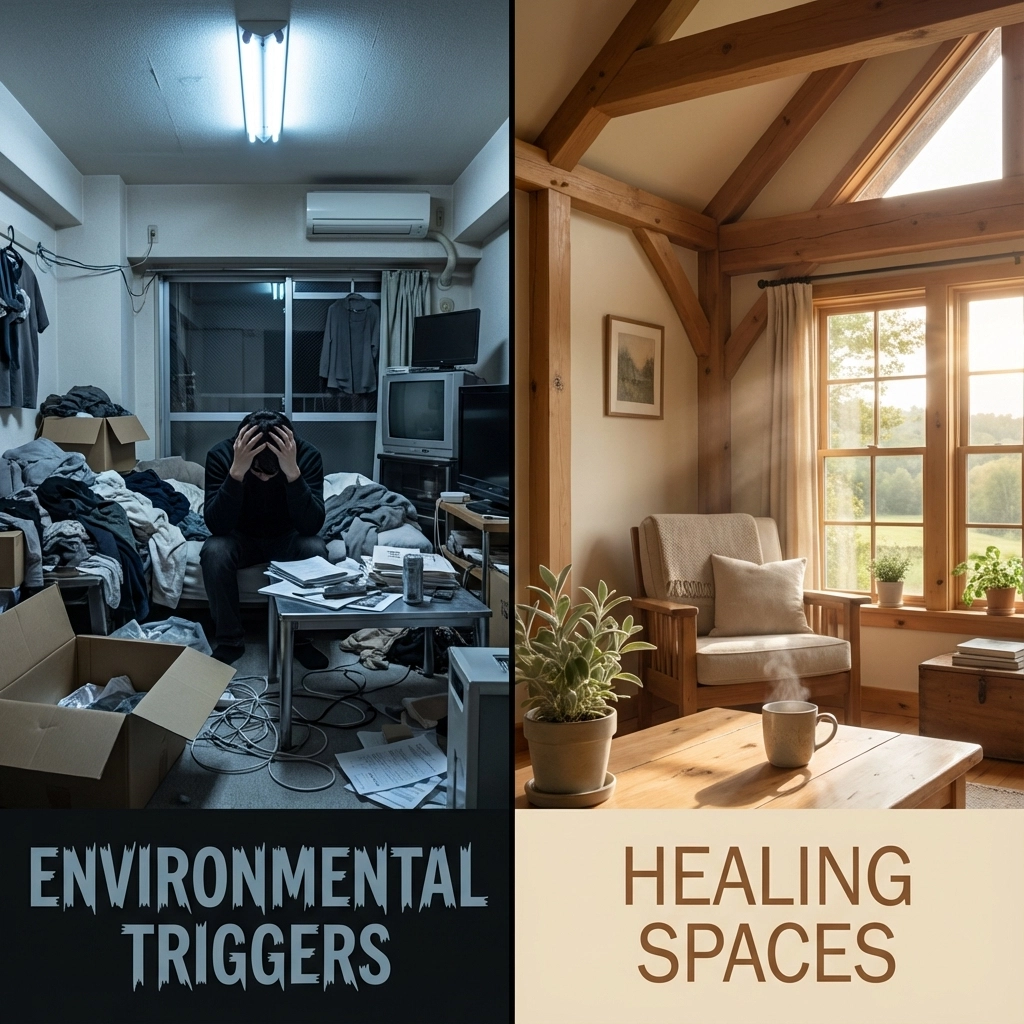
Research in behavioral psychology demonstrates that environmental context plays a massive role in habit formation and maintenance. When you're trying to break an addiction while staying in the same physical and social environment, you're essentially asking your brain to develop new patterns while being constantly reminded of old ones.
This is why inpatient addiction treatment is so effective. It's not about hiding from the real world: it's about giving your brain the breathing room it needs to develop new neural pathways without constant interference from environmental triggers.
The Therapeutic Power of Structured Seclusion
When we talk about therapeutic seclusion, we're describing something entirely different from isolation. In a residential treatment setting, you're surrounded by clinical support, peer community, and structured activities designed to promote healing. You're not alone: you're intentionally focused.
This type of environment creates several crucial conditions for recovery:
Reduced Decision Fatigue: In your daily life, you make thousands of micro-decisions that drain mental energy. Should I go to this place? Should I call this person? Should I take this route? In residential care, these decisions are eliminated, freeing up cognitive resources for the real work of recovery.
Consistent Sleep Patterns: Sleep disturbances are common in early recovery, and poor sleep makes everything harder. A structured environment promotes healthy sleep hygiene, which is essential for brain healing and emotional regulation.
Elimination of Access: Simply put, when substances aren't available, you can't use them. This might seem obvious, but it's profound. For the first time in potentially years, your brain gets to experience extended periods without the chemical interference of drugs or alcohol.
Peer Support Without Enabling: Unlike your usual social circle, which might include people who use substances or enable unhealthy behaviors, residential treatment surrounds you with peers focused on recovery goals.
The Neurobiology of Calm
Your brain heals faster in a calm environment. This isn't wishful thinking: it's measurable science. When your nervous system isn't constantly activated by external stressors, several important processes can occur:
The prefrontal cortex, which governs executive function and decision-making, begins to regain strength. In active addiction, this area is essentially hijacked by the limbic system, which prioritizes immediate gratification over long-term consequences. A peaceful environment allows the prefrontal cortex to come back online.

The hippocampus, responsible for memory formation and learning, also benefits from reduced stress. Chronic stress actually shrinks the hippocampus, making it harder to form new memories and learn new coping skills. In a calm environment, this process can reverse.
The default mode network: your brain's "idle" state: also begins to normalize. In addiction, this network becomes hyperactive, leading to rumination, craving, and obsessive thoughts about substances. Therapeutic activities and structured downtime help reset this system.
Evidence-Based Benefits of Residential Care
The effectiveness of inpatient addiction treatment isn't just theoretical: it's backed by substantial research. Studies consistently show higher success rates for residential programs compared to outpatient alternatives, particularly for individuals with severe addiction or those who have struggled with multiple failed attempts at recovery.
One key study published in the Journal of Substance Abuse Treatment found that individuals who completed residential treatment had significantly lower relapse rates at 6-month and 1-year follow-ups compared to those who received only outpatient care. The researchers attributed this success to several factors that align perfectly with the benefits of therapeutic seclusion:
- Complete removal from environmental triggers during the critical early recovery period
- Intensive, daily therapeutic intervention when the brain is most neuroplastic
- Development of coping skills in a controlled environment before facing real-world stressors
- Formation of strong therapeutic relationships without external distractions
Creating Space for Internal Work
Recovery isn't just about stopping substance use: it's about addressing the underlying issues that led to addiction in the first place. This deep therapeutic work requires mental and emotional space that's nearly impossible to create while managing daily responsibilities.
In residential care, you have the luxury of focusing entirely on your healing. Without the constant pull of work deadlines, family obligations, or social pressures, you can dive into the trauma work, family-of-origin issues, and behavioral patterns that need addressing.

This concentrated focus accelerates the therapeutic process. What might take years to uncover in weekly therapy sessions can be explored and processed in weeks when you have the time and space for intensive treatment. The brain's capacity for insight and change is dramatically enhanced when it's not constantly managing external chaos.
The Natural Healing Environment Advantage
At Ingrained Recovery, our 50-acre wooded campus isn't just aesthetically pleasing: it's therapeutically intentional. Research in environmental psychology shows that natural settings have measurable effects on stress reduction, cognitive function, and emotional well-being.
Being surrounded by nature activates the parasympathetic nervous system, which promotes healing and restoration. The absence of urban noise and visual clutter allows your brain to enter states of calm that are essential for processing trauma and developing new neural pathways.
This natural environment also provides a stark contrast to the chaotic urban or suburban settings where many people struggled with addiction. The change of scenery itself becomes part of the healing process, helping your brain associate recovery with peace rather than struggle.
When Stepping Away Becomes Stepping Forward
Choosing residential treatment isn't about running away from your problems: it's about creating the optimal conditions to face them. Just as you wouldn't try to recover from major surgery while working full-time, you shouldn't expect to recover from addiction while managing all your usual stressors.
The evidence is clear: your brain heals faster when it's given the space to do so. Inpatient addiction treatment provides that space, along with the clinical expertise, peer support, and therapeutic structure needed to make lasting changes.
If you're exhausted from trying to manage recovery while staying in the same environment where your addiction developed, it might be time to consider a different approach. Taking time away from the noise isn't giving up: it's giving yourself the best possible chance at success.
Ready to explore whether residential treatment could provide the breakthrough you've been looking for? Our clinical team understands exactly what you're facing and can help you determine if inpatient care is the right next step. Call us today to discuss your situation confidentially and learn more about how our evidence-based approach in a peaceful, rural setting could change your recovery trajectory.
Don't let another day of chaos interfere with your healing. Contact Ingrained Recovery now to take the first step toward the clarity and stability you deserve.
