Your brain is exhausted. After months or years of addiction, it's been operating in constant crisis mode: chasing the next fix, managing withdrawal, navigating the chaos that active addiction creates. The neural pathways that once supported clear thinking, emotional regulation, and healthy decision-making have been hijacked by a cycle that never stops.
This is why so many people struggle to get sober while staying in the same environment where their addiction flourished. The noise is simply too loud: both literally and figuratively: for the brain to begin the delicate work of healing.
The Overstimulated Brain in Active Addiction
When you're caught in the grip of addiction, your brain operates under constant stress. Every day brings triggers, cravings, withdrawal symptoms, relationship conflicts, and the pressure to function while everything feels like it's falling apart. This chronic overstimulation keeps your nervous system in a state of hyperarousal, making it nearly impossible to access the calm, reflective mindset that recovery requires.
The addicted brain becomes accustomed to this chaos. In fact, it starts to crave stimulation because quiet moments often bring anxiety, uncomfortable emotions, or physical withdrawal symptoms. Many people find that even when they want to stop using, the silence feels unbearable: so they return to substances just to quiet the internal noise.

This creates a cycle where the brain never gets the opportunity to reset. Without periods of genuine calm, the neural pathways that support addiction remain the strongest, most well-traveled roads in your mind. Breaking this cycle requires more than willpower: it requires a complete change of environment.
Why Therapeutic Seclusion Works
Therapeutic seclusion is fundamentally different from isolation. While isolation cuts you off from support and community, therapeutic seclusion removes you from chaos while surrounding you with the structure, safety, and clinical support your brain needs to heal.
At Ingrained Recovery, our 50-acre wooded campus provides exactly this kind of healing environment. When you step onto our grounds, you're not just leaving behind your triggers: you're entering a space specifically designed to give your brain the quiet it needs to remember how to function without substances.
The Neuroscience of Quiet Healing
Your brain has an remarkable capacity for neuroplasticity: the ability to form new neural pathways and break old ones. But this process requires the right conditions. Research shows that chronic stress and overstimulation actually inhibit neuroplasticity, while calm, supportive environments promote it.
In the peaceful setting of residential treatment, several important changes begin to happen:
Stress hormones normalize. Away from constant triggers and the pressure to "keep it together" in your regular environment, cortisol and adrenaline levels begin to return to healthy ranges. This allows your brain to shift out of survival mode and into healing mode.
Sleep patterns restore. Most people arrive at treatment with severely disrupted sleep cycles. In a quiet, structured environment with proper medical support, your brain can finally experience the deep, restorative sleep it needs to repair itself.
Emotional regulation improves. Without the constant bombardment of triggers, your brain can begin to strengthen the neural pathways responsible for emotional regulation, impulse control, and clear thinking.
The Power of Removing Environmental Triggers
One of the most significant benefits of therapeutic seclusion is the complete removal of environmental triggers. These aren't just the obvious ones: like bars, dealers, or substances themselves. Environmental triggers include:
- People who enable or encourage your addiction
- Places where you used substances
- Stressful situations that typically led to using
- Daily routines that became associated with substance use
- Technology and social media that create anxiety or FOMO
- Urban noise and stimulation that keep your nervous system activated

When these triggers are removed, something remarkable happens: your brain gets space to remember who you are without addiction. Many people describe their first few days in residential treatment as the first time in months or years that they can actually think clearly.
This clarity isn't just psychological: it's neurological. Without constant trigger-response cycles firing in your brain, healthier neural pathways have room to strengthen. You begin to rediscover interests, values, and parts of yourself that addiction had buried.
The Role of 24/7 Clinical Support
Therapeutic seclusion doesn't mean you're alone with your thoughts: quite the opposite. At Ingrained Recovery, you're surrounded by a clinical team that understands exactly what your brain needs during this vulnerable healing period.
Our medical professionals monitor your physical withdrawal symptoms and adjust medications as needed to keep you comfortable and safe. Our therapists help you process the emotions and memories that surface when the noise of addiction finally quiets. Our addiction counselors work with you to understand your patterns and develop new coping strategies.
This level of support is crucial because early recovery can feel overwhelming even in the best circumstances. When difficult emotions or memories arise: which they inevitably do: you have immediate access to professionals who can help you navigate them without returning to substances.
Creating Safety for Emotional Processing
Many people avoid getting sober because they're afraid of what they'll feel when they stop numbing themselves. Therapeutic seclusion provides a safe container for this emotional processing to happen.
In our peaceful, private setting, you can:
- Cry without embarrassment
- Express anger without judgment
- Explore trauma without fear of being triggered by your environment
- Practice new coping skills without immediately being tested by old triggers
- Build trust with a treatment team before facing external pressures
This emotional safety is essential for deep healing. When your nervous system feels safe, your brain can access memories, process experiences, and integrate new insights in ways that simply aren't possible when you're in constant survival mode.
Building the Foundation for Long-Term Recovery
The goal of therapeutic seclusion isn't to hide from the world forever: it's to give your brain the reset it needs to function effectively when you do return to daily life. Think of it as creating a strong foundation before building a house.
During residential treatment, you're not just removing substances from your system. You're:
Establishing new neural pathways that support healthy decision-making, emotional regulation, and stress management.
Developing coping strategies that you can use when you encounter triggers in the future.
Processing underlying trauma or mental health issues that may have contributed to your addiction.
Learning to identify and communicate your needs so you can build healthy relationships and support systems.
Practicing new behaviors in a supportive environment where mistakes are learning opportunities rather than crises.
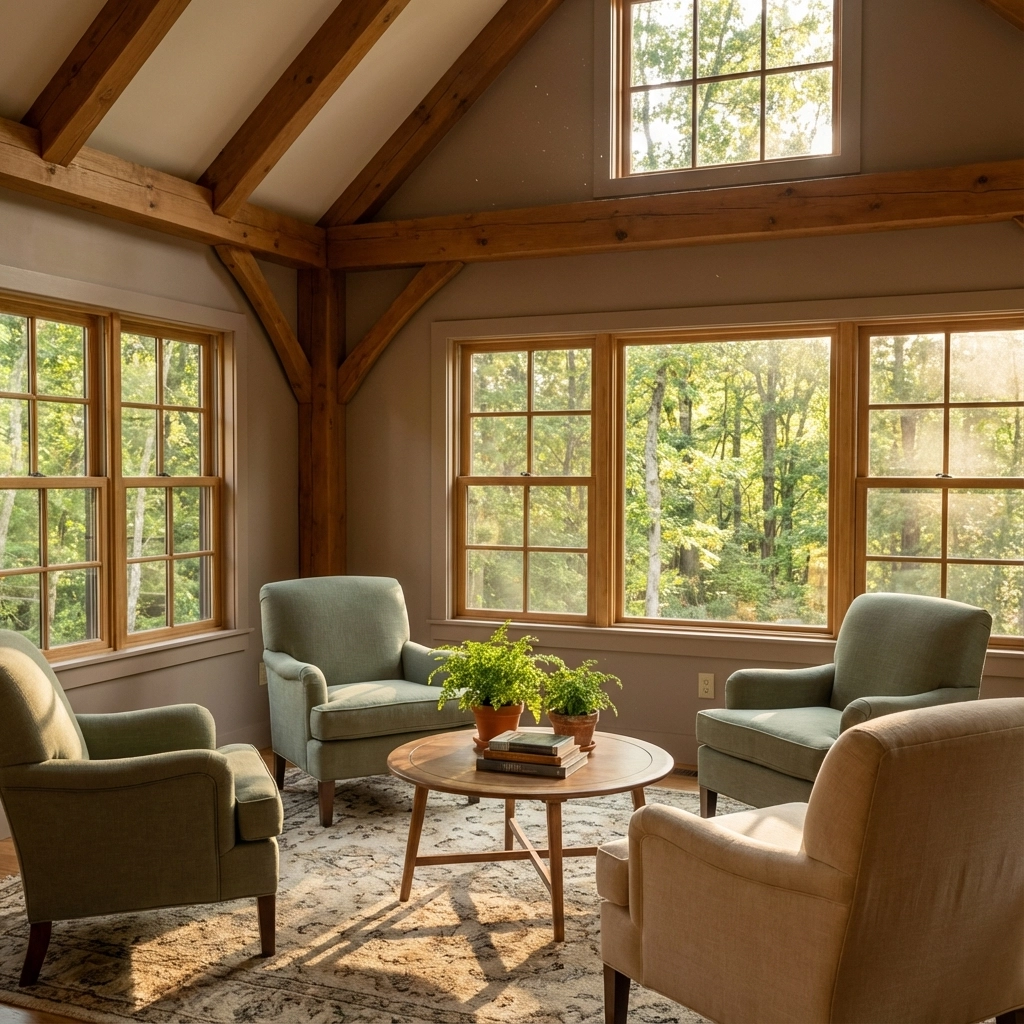
This foundation work simply cannot happen effectively while you're managing the daily chaos of active addiction. Your brain needs time, space, and support to make these fundamental changes.
The Georgia Advantage: Nature as Co-Therapist
Our location in rural Georgia provides unique advantages for brain healing. Research consistently shows that time in nature reduces stress hormones, improves mood, and promotes the kind of calm alertness that supports neuroplasticity.
The sounds of our environment: birdsong, rustling leaves, gentle breezes: actually help regulate your nervous system. Unlike the jarring sounds of traffic, sirens, and urban chaos, natural sounds activate your parasympathetic nervous system, which is responsible for "rest and digest" functions rather than "fight or flight" responses.
Many clients tell us that just walking our wooded trails helps them think more clearly than they have in years. This isn't just psychological: it's neurological. Your brain literally functions differently in a peaceful, natural environment.
When Silence Becomes Strength
Initially, many people find the quiet of residential treatment unsettling. If you're used to constant noise: whether from substances, chaotic relationships, or just the general overwhelm of active addiction: silence can feel uncomfortable or even anxiety-provoking.
This is normal and expected. Your brain has become accustomed to chaos, and it takes time to adjust to peace. With proper support, however, this silence gradually transforms from something uncomfortable into something powerful.
In the quiet, you begin to:
- Hear your own thoughts clearly
- Recognize your authentic feelings
- Identify your actual needs and desires
- Connect with parts of yourself that addiction had silenced
- Develop confidence in your ability to cope without substances
The Science of Sanctuary
What we're describing isn't just feel-good philosophy: it's evidence-based treatment. Studies show that environmental factors play a crucial role in addiction recovery outcomes. People who receive treatment in calm, supportive environments have significantly higher success rates than those who try to get sober while remaining in chaotic or triggering environments.
The concept of "sanctuary" in healthcare recognizes that healing requires the right conditions. Just as you wouldn't expect a broken bone to heal properly if you kept reinjuring it, you can't expect an addicted brain to heal while it's constantly being triggered and stressed.
Therapeutic seclusion provides the sanctuary your brain needs to:
- Detoxify safely under medical supervision
- Process trauma without retraumatization
- Learn new skills without constant testing
- Build relationships based on honesty rather than manipulation
- Experience what stability actually feels like
Taking the First Step Toward Quiet Healing
If you've been struggling with addiction while trying to maintain your regular life, you know how exhausting and futile it can feel. The noise of active addiction: the constant crisis management, the hiding, the shame, the physical discomfort: makes it nearly impossible for your brain to access its natural healing capacity.
Therapeutic seclusion isn't about running away from your problems. It's about creating the optimal conditions for your brain to solve them. In the peaceful environment of residential treatment, with 24/7 clinical support and freedom from environmental triggers, you can finally give your brain what it's been desperately needing: a chance to rest, reset, and remember how to function without substances.
The work you do in this quiet, supportive environment becomes the foundation for everything that follows. The coping strategies you develop, the insights you gain, and the neural pathways you strengthen all become resources you can draw on when you return to daily life.
Your brain is capable of remarkable healing, but it needs the right conditions to do its work. If you're ready to step out of the chaos and into the quiet space where real recovery becomes possible, we're here to support you through every step of the process.
Don't wait for the noise to get louder. Take the first step toward the peace and clarity your brain needs to heal. Call us at (844) 450-1700 to speak with someone who understands exactly what you're facing and can help you determine if residential treatment is the right choice for your situation.
Your recovery journey begins with a single phone call. Make it today.
