You’ve tried to get clean before. Maybe it was an outpatient program in the city, a few weeks in a sterile facility surrounded by traffic and concrete, or even a well-meaning urban rehab that promised results but left you feeling more disconnected than when you started.
If you’re reading this, likely something wasn’t quite right about those experiences, and you’re wondering if there’s a better way.
The truth is, where you heal matters just as much as how you heal.
While city-based rehab centers offer convenience and accessibility, there’s mounting evidence that true recovery: the kind that sticks: happens best when you can step completely away from the chaos, noise, and triggers of urban life.
The Hidden Problem with City-Based Recovery Centers
Urban rehab facilities face an inherent challenge: they’re surrounded by the very environment that contributed to addiction in the first place for many clients. Even the most well-designed city treatment center can’t shield you from the constant stimulation, stress, and triggers that urban environments naturally produce.
Think about it: you’re trying to rebuild your nervous system and rewire decades of patterns while sirens wail outside, traffic hums constantly, and the pace of city life continues just beyond the walls. Your brain, already hypersensitive from withdrawal and early recovery, struggles to find the calm it needs to actually heal.
City rehabs also mean you’re geographically close to old haunts, dealers, and using friends. Even if you’re committed to staying put, the knowledge that your old life is just a subway ride away can create a constant undercurrent of anxiety or temptation.
This proximity doesn’t just affect you psychologically: it affects the entire treatment environment, as other clients face the same geographic challenges.
Consider this: when was the last time you felt truly calm in a city setting? If you’re like most people, genuine peace is hard to find amid urban noise and energy. Yet peace: real, sustained quiet: is exactly what your recovering brain needs most.
The Science Behind Nature-Based Healing
Recent research has revealed something remarkable about how natural environments affect our brains and bodies. When you immerse yourself in a forest setting, measurable changes begin happening almost immediately.
Research on hiking and mental health has shown that a 90-minute walk in nature reduces rumination and decreases neural activity in brain regions tied to mood disorders and anxiety.
The physiological benefits extend well beyond a temporary mood boost. Forest environments trigger a 12 percent reduction in stress hormone levels, lower both blood pressure and heart rate, and boost immune function.
Even more fascinating, these benefits last for days: Japanese studies found that urban office workers experienced relaxation benefits that persisted three to five days following forest therapy sessions.
Here’s what happens when your nervous system encounters a quiet and serene environment:
- Your prefrontal cortex: responsible for executive function and emotional regulation, becomes more active
- Brain regions that anticipate threats and generate negative thought patterns quiet down
- Cortisol levels drop significantly
- Parasympathetic nervous system activation increases, promoting genuine rest and restoration
This isn’t just about feeling better temporarily. Forest environments contain volatile organic compounds released by trees that produce anti-inflammatory, antioxidant, and anxiety-reducing effects when inhaled.
The negative oxygen ions abundant in wooded areas enhance lung function, improve blood circulation, and promote better sleep quality: all crucial for addiction recovery.
What Makes an Upscale Residential Rehab in Nature Different
When you choose a wooded rehab retreat for residential treatment, you’re not just changing your scenery: you’re fundamentally altering the conditions under which your brain heals.
Natural settings provide what researchers call “soft fascination”: gentle sensory engagement that allows mental fatigue to dissipate without overwhelming your already-stressed nervous system.
The advantages of rural residential treatment include:
Complete Environmental Reset: You’re physically removed from every trigger, location, and circumstance connected to your addiction. This isn’t just about willpower: it’s about giving your brain space to form new neural pathways without constant interference.
Authentic Quiet: True silence is increasingly rare in our modern world, yet it’s essential for nervous system recovery. In a wooded setting, you can experience genuine quiet that allows your mind to settle and your body to truly rest.
Natural Stress Reduction: The forest environment automatically reduces cortisol and activates your parasympathetic nervous system, creating optimal conditions for healing without you having to work for it.
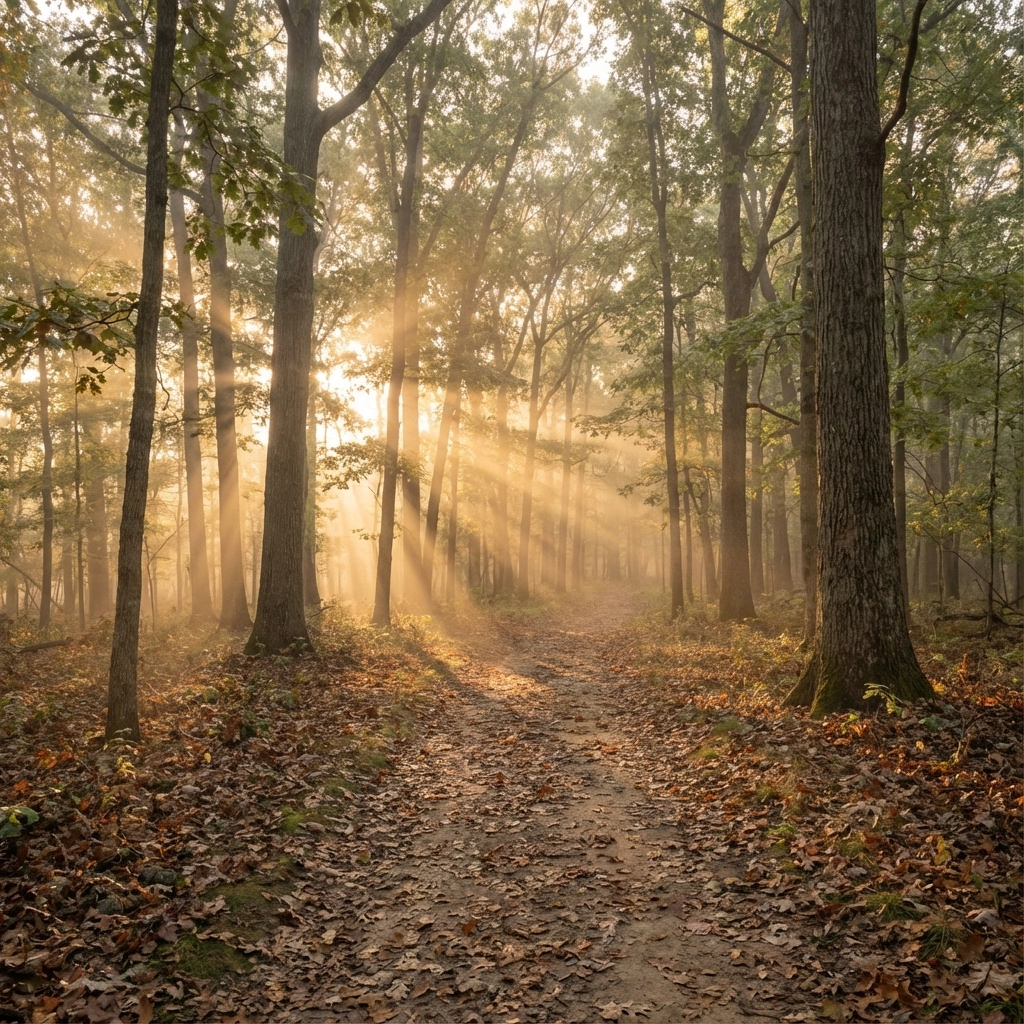
Sensory Restoration: Instead of sirens, car horns, and urban chaos, your senses are gently engaged by rustling leaves, bird songs, and the subtle scents of pine and earth. This sensory environment naturally promotes calm and present-moment awareness.
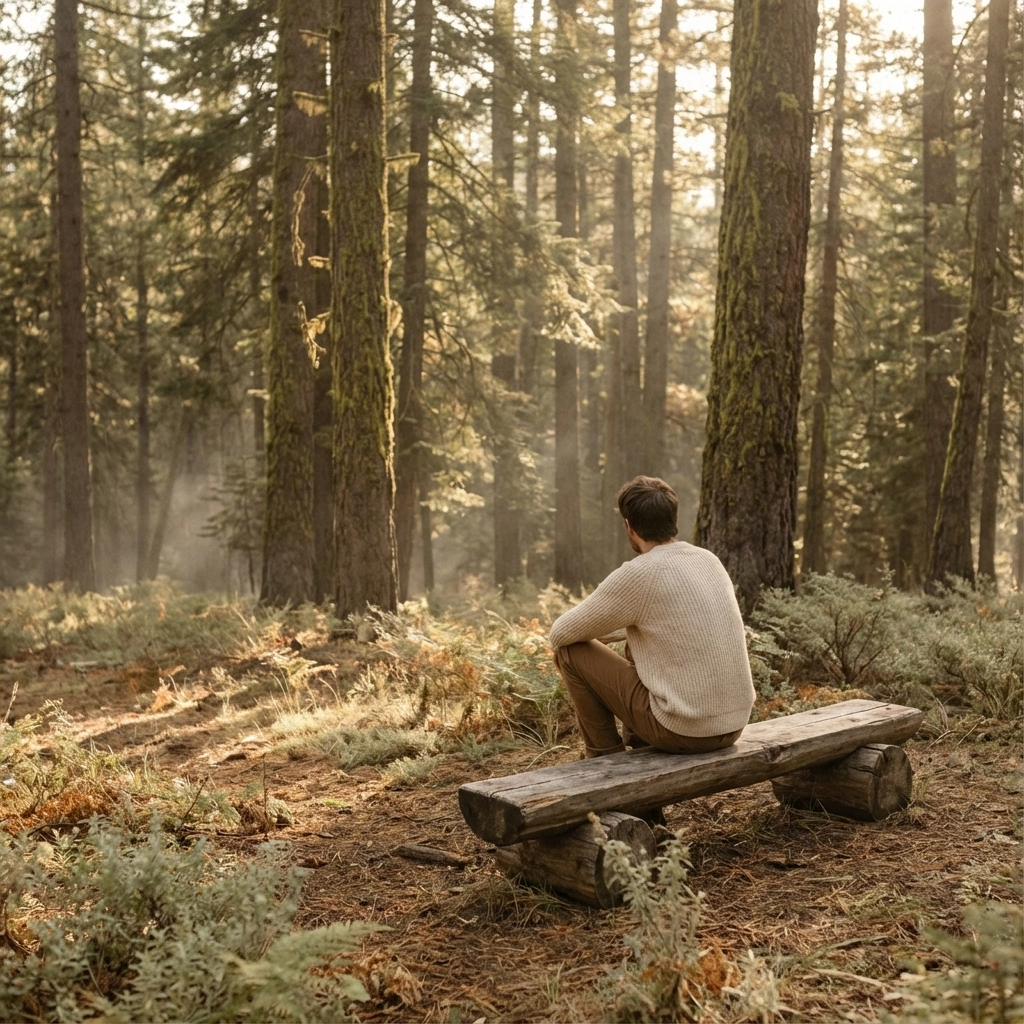
Space for Reflection: Wooded areas provide natural opportunities for contemplation and introspection that concrete environments simply can’t match. Walking forest trails or sitting quietly under trees creates ideal conditions for processing emotions and gaining clarity.
Finding Your Center Away from the Chaos
The concept of “finding your center” isn’t just recovery speak: it refers to a very real neurological and emotional state where you feel grounded, present, and authentically yourself. For people in early recovery, this centered state is often buried under layers of anxiety, shame, hypervigilance, and nervous system dysregulation.
A quiet and serene environment provides the conditions necessary for this centered state to emerge naturally. When your environment stops demanding constant alertness and adaptation, your nervous system can finally shift out of survival mode and into a healing state.
In a wooded retreat setting, finding your center happens through:
- Uninterrupted sleep cycles that allow your brain to process trauma and stress
- Natural light exposure that regulates circadian rhythms is disrupted by addiction
- Opportunities for genuine solitude where you can hear your own thoughts without external noise
- Connection with something larger than yourself that many people find in natural settings
- Physical movement in beautiful spaces that rebuilds the mind-body connection
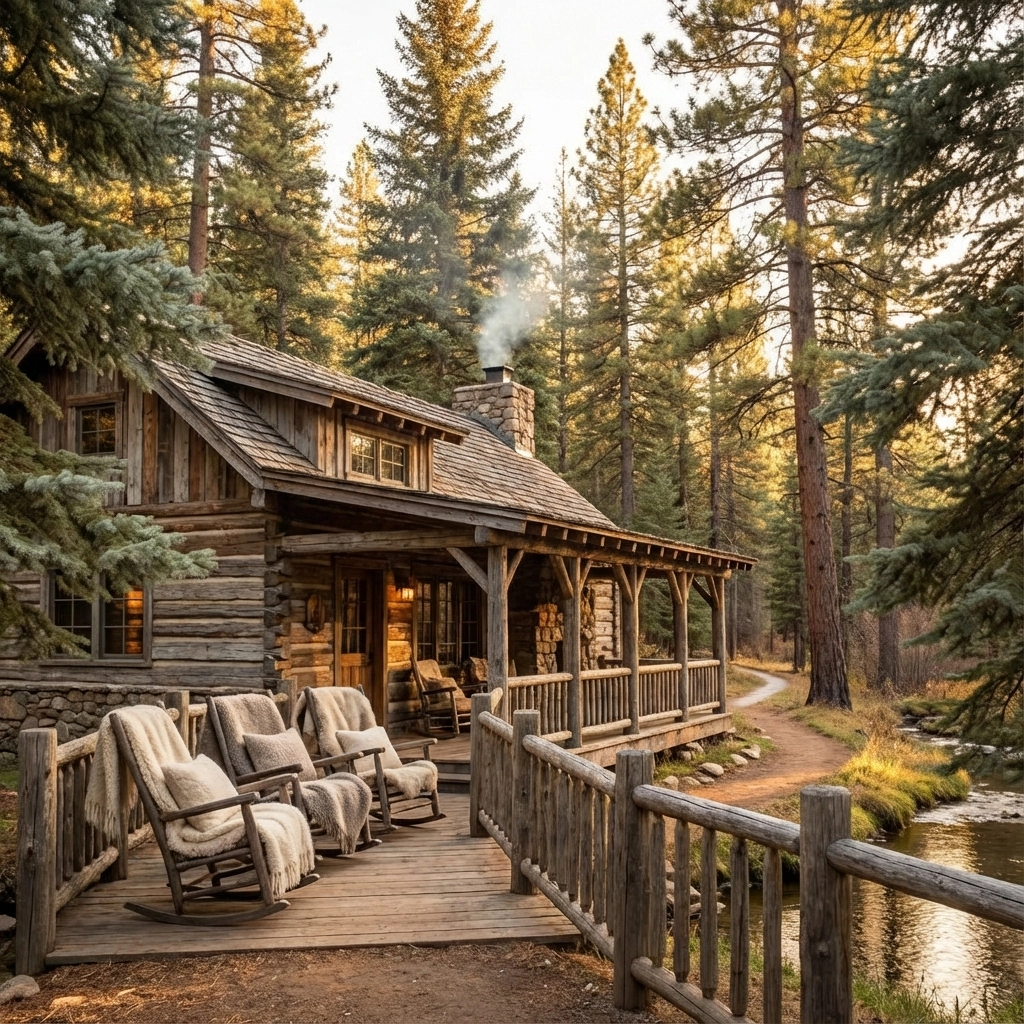
This isn’t about roughing it or going without modern amenities. The most effective wooded retreats combine the healing power of nature with upscale residential rehab amenities: comfortable accommodations, excellent clinical care, nutritious meals, and thoughtful programming that takes advantage of the natural setting.
The Clinical Advantage of Rural Residential Care
While the environmental benefits of wooded retreats are significant, the clinical advantages are equally important.
Rural residential facilities can offer a level of care intensity and focus that’s often impossible in urban settings.
When you choose an upscale residential rehab in a wooded setting at Ingrained, some of the services you will haver access to include:
- 24/7 medical supervision without urban distractions affecting staff or programming
- Extended therapy sessions that can take advantage of outdoor spaces and nature-based interventions
- Group programming with other clients who are equally removed from their triggering environments
- Family therapy in a peaceful setting that feels conducive to honest conversation
- Specialized therapies like equine-assisted therapy require rural space and resources
- Nutritional rehabilitation often features farm-to-table meals that support physical healing
The combination of intensive clinical care and natural healing environment creates conditions that simply aren’t replicable in city-based programs.
Your treatment team can focus entirely on your recovery without competing with urban stressors, and you can engage in programming without the constant pull of city energy.
Why Timing Matters for Rural Residential Treatment
If you’re considering residential treatment, the timing of when you make this decision can significantly impact your long-term success. Addiction tends to accelerate over time, and the longer you wait, the more entrenched patterns become and the harder they are to interrupt.
Rural residential treatment works best when you commit to it before reaching absolute rock bottom. When you still have some stability: some support system, some resources, some hope: you can engage more fully with programming and make better use of the healing environment.
Don’t wait for:
- Legal consequences of forcing your hand
- Health crises that can become life-threatening
- Relationships that deteriorate further or are lost altogether
- Financial resources and reserves are depleted
The opportunity to heal in a quiet, healing environment while you still have some foundation to build on is often more effective than crisis-driven treatment when everything has already collapsed.
Ingrained Offers a Wooded Retreat Setting: Reach Out for Support Today
If you’re feeling drawn to the idea of healing in a natural setting, trust that instinct. Your nervous system knows what it needs, even when your conscious mind is uncertain. The pull toward peace, quiet, and natural beauty isn’t a luxury: it’s your body’s wisdom guiding you toward conditions that promote genuine recovery.
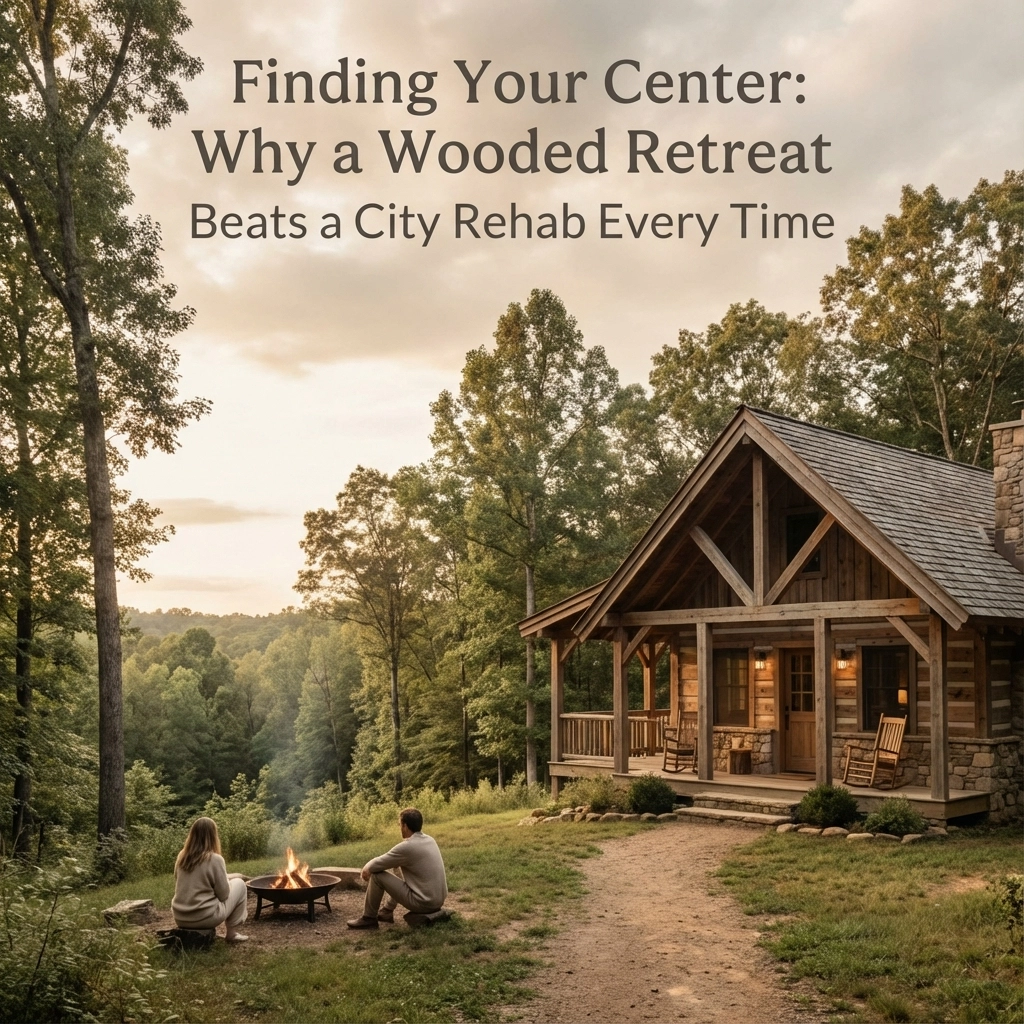
At Ingrained Recovery, we’ve created exactly this kind of environment on our 50-acre wooded campus in Georgia. We understand that finding your center requires more than just good clinical programming: it requires an environment that supports healing at every level.
You don’t have to figure this out alone. Our admissions team can help you understand whether our level of care and natural setting align with your needs. Sometimes a conversation is all it takes to gain clarity on your next steps.
Call us today to speak with someone who understands what you’re facing. We’re here to help you determine whether our upscale residential rehab program could be the turning point you’ve been looking for. All calls are confidential, so do not hesitate: reach out now for options and more information!
