Walking through those front doors for medical detox is probably one of the hardest things you'll ever do. I've watched hundreds of people take that first step onto our 50-acre property in Eastman, and the fear in their eyes is always the same. You're scared about withdrawal. You're worried about judgment. You're wondering if you can actually do this.
Let me tell you exactly what happens here, because the unknown is always worse than the reality.
The First Hour: Getting Your Bearings
When you arrive, you're not immediately thrown into a clinical environment that feels like a hospital. Our facility sits tucked into the Georgia woods, and that matters more than you might think. The setting itself starts working on your nervous system before we even begin the formal process.
You'll meet with our nursing team first. Not in a sterile exam room, but in a comfortable space where you can actually breathe. We start with simple questions: How are you feeling right now? When did you last use? What are you most worried about?
The intake assessment isn't an interrogation: it's a conversation with people who have seen this exact situation thousands of times. Our medical director will review your health history, current medications, and any previous detox experiences. We're building a complete picture so we can keep you as comfortable as possible through what comes next.

What Medical Detox Actually Looks Like Here
The first 24 hours are about stabilization. You'll have constant medical supervision: not because we're watching you like a hawk, but because withdrawal can be unpredictable. Our clinical team checks vital signs every few hours, monitors hydration levels, and adjusts medications as your body begins the detox process.
We use evidence-based protocols for withdrawal management. For alcohol detox, that might mean medications to prevent seizures and reduce anxiety. For opioid withdrawal, we have options to ease the physical discomfort that makes people want to give up. The goal isn't just safety: it's making this bearable enough that you can actually get through it.
Days 2-5 typically bring the most intense withdrawal symptoms, but you're not white-knuckling it alone. Our medical staff adjusts your comfort medications based on how you're responding. Some people need more support for sleep. Others struggle with anxiety or nausea. We treat what you're actually experiencing, not what a textbook says should be happening.
Why Our 50-Acre Setting Changes Everything
I've learned something after years of running programs: environment affects detox success more than most people realize. When you're surrounded by concrete and traffic noise, your nervous system stays activated. When you wake up to trees and quiet, something shifts.
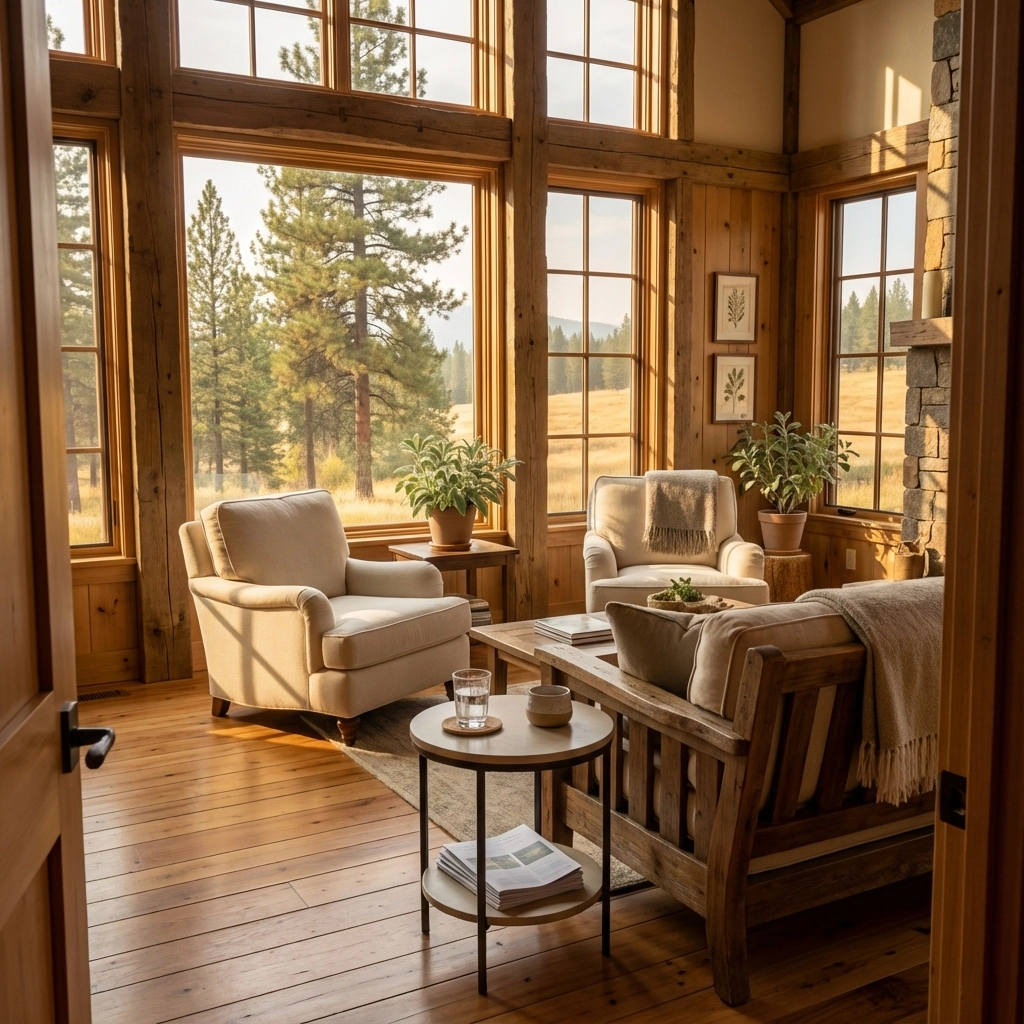
Our detox rooms overlook wooded areas, not parking lots. You can step outside onto covered porches when you need fresh air. There are walking paths when you're ready to move around. The space itself communicates safety, which helps your body relax into the healing process instead of fighting it.
The isolation works in your favor too. No familiar triggers. No well-meaning friends stopping by with "just one drink" to help you through it. No dealers calling. Just focused time to let your body reset without interference.
The Medical Supervision You Can Count On
Our physician is on-site, not on-call from somewhere across town. When complications arise: and sometimes they do: response time is measured in minutes, not hours. We have 24/7 nursing coverage with staff trained specifically in addiction medicine.
The monitoring isn't just about preventing medical emergencies. We're watching for signs that you need different support. Maybe your anxiety medications need adjustment. Maybe you're having trouble sleeping and that's making everything harder. Maybe you're getting depressed as the substances leave your system. We catch these things early and address them immediately.
Blood pressure, heart rate, temperature: we track everything that tells us how your body is responding to withdrawal. But we also pay attention to how you're feeling emotionally. Detox isn't just physical, and we treat the whole experience.
What Comfort Means During Detox
Comfort during medical detox isn't luxury: it's clinical care. When someone is as physically comfortable as possible, they're more likely to complete the process successfully. When they're miserable and scared, they're more likely to leave before their body has fully cleared the substances.
We provide comfort medications that actually work. Anti-nausea drugs when you can't keep food down. Sleep aids when withdrawal keeps you awake for days. Medications for muscle aches and restlessness. This isn't about getting you high: it's about making withdrawal symptoms manageable enough that you can get through them.
The physical environment supports comfort too. Quiet spaces when you need to rest. Common areas when you want company. Comfortable furniture that doesn't feel institutional. Food that doesn't come from a hospital cafeteria. These details matter when you're already dealing with physical and emotional upheaval.
Moving Beyond Just Getting Clean
Medical detox gets the substances out of your system, but it doesn't automatically fix everything that led you here. That's why our medical detox program is designed as the first step in a longer process, not a standalone solution.
Around day 3 or 4, when the acute physical symptoms start improving, we begin introducing you to the counseling team. Not for intensive therapy: you're not ready for that yet: but for brief conversations that start building the foundation for what comes next.
We talk about what brought you here. What's happened in previous treatment attempts. What your living situation looks like when you leave here. We're starting to plan for the next phase of care while your body is still recovering from the substances.

The Transition to Residential Treatment
Most people aren't ready to go home after detox. The statistics on that are clear: detox alone has very low success rates for long-term recovery. Your body is clean, but your coping mechanisms, living situation, and daily routines haven't changed at all.
This is where our residential program becomes crucial. You're already here on the property. You've already broken contact with your using environment. You've already gotten through the hardest physical part. Transitioning directly to residential treatment means you can build on that momentum instead of losing it.
The residential phase is where the real work happens: addressing the underlying issues, building new coping skills, and creating a sustainable plan for staying sober. But none of that is possible if you don't get through detox first, safely and completely.
What Makes This Different from Hospital Detox
Hospital detox programs focus on medical stabilization and discharge. They keep you safe through withdrawal, then send you home. That's appropriate for some situations, but not when home is where the addiction developed and thrived.
Our program combines medical safety with therapeutic environment from day one. You're not in a hospital room with medical equipment everywhere. You're in a residential setting that feels like a place where healing happens, not just where medical problems get managed.
The staff knows you'll likely be staying for residential treatment after detox completes. They're not treating you as a short-term medical case: they're beginning a longer therapeutic relationship. That changes how they interact with you and how you experience the process.
Your Next Step Forward
If you're reading this and wondering whether medical detox is the right choice, here's what I tell people: waiting doesn't make it easier. The physical dependence doesn't improve on its own. The fear doesn't go away by avoiding the process.
Medical detox is designed to be as safe and comfortable as possible while your body clears the substances. With proper medical supervision, comfort medications, and a supportive environment, most people get through it much more easily than they expected.
The question isn't whether you can survive withdrawal: with medical support, you can. The question is whether you're ready to start building something different on the other side of it.
If you're tired of the cycle and ready to take this step, we're here to walk you through it safely. The first step is always the hardest one, but you don't have to take it alone.
