Choosing Essential Oils for Detox, Withdrawal, and Recovery
Have you tried using essential oils for addiction recovery? If not, it may be a worthy addition to your recovery regimen. While aromatherapy treatment alone is not a cure-all for drug or alcohol recovery, it can be a pleasant addition to a holistic treatment plan.
In particular, people suffering from withdrawal symptoms may find these plant extracts soothing in the earliest days of recovery. But they can be used to bolster your recovery journey at any point.
At Ingrained Recovery, we take an evidence-based, holistic approach to treating addiction. While some evidence shows that certain essential oils for addiction recovery can be helpful, we only recommend them as part of an integrated treatment plan that includes counseling, dual diagnosis treatment, and aftercare planning. They are not a replacement for proper medical treatment.
We encourage you to continue reading for information about how essential oils can be calming and restorative when used in the recovery process.
Get Accredited Treatment Programs at Ingrained Recovery
Can Essential Oils Ease Drug and Alcohol Withdrawal Symptoms?
Essential oils are concentrated botanical extracts from plant parts, including the flowers, leaves, roots, and peels. The most common essential oils come from herbs and flowers.
Some people confuse fragrance oils when buying essential oils, but they’re not the same thing. Fragrance oils are usually synthetic or scent blends; essential oils are natural and helpful for inhalation or topical use.
During detox and withdrawal, essential oils can help stabilize the client’s mood and support relaxation. Some may also ease nausea or tension. It is important to know that evidence is ongoing, and results vary by person.
Holistic Drug and Alcohol Addiction Recovery Approaches That Support Mental Health
Substance use disorder (SUD) is a chronic brain disease characterized by compulsive drinking or drug abuse. It’s an umbrella term that covers alcohol use disorder (AUD), opioid use disorder (OUD), and others.
With this disease, struggling people can’t stop, despite negative legal or financial consequences, tolerance, and withdrawal symptoms.
Recovery often means seeking professional support. Just like treating any other chronic illness, like breathing or respiratory problems, for example, making progress requires medical supervision.
In the case of SUDs, most need psychological support, behavioral therapies, peer support groups, and treatment for co-occurring mental health issues.
Aromatherapy can have a small but supportive role, especially in managing mild symptoms of stress, restlessness, and mood shifts during the first weeks in treatment.
Get Proven Detox and Rehab Options at Ingrained

What are the Best Essential Oils for Drug and Alcohol Withdrawal Symptoms?
When selecting essential oils for withdrawal support, buy oils that target the most common symptoms:
- To alleviate stress and anxiety or insomnia, try lavender or chamomile
- For nausea or stomach discomfort, ginger or peppermint will often be helpful.
- If you are experiencing depression or have low energy, inhale lemon, bergamot, and rosemary oils
- To reduce brain fog and have better cognition, it’s worth trying rosemary or minty blends
Keep reading – we will discuss each of the essential oils at greater length later in this post.
Always dilute high-quality essential oils in a carrier (such as jojoba or coconut oil, which are two of the most common) to safe percentages, about 1–2% for adults, less for more sensitive users. Start with the gentlest oils and single oils first, then layer blends, which can have a greater impact.
IMPORTANT NOTE: Before we discuss the many essential oils for addiction recovery, know that plants and plant products can interact with prescription and over-the-counter medications. Before you try any of these essential oil products, check with your doctor to determine safe usage.
Using Lavender Oil for Calm and Sleep Support
Lavender essential oil is arguably one of the best-known and most studied oils to treat anxiety and uplift mood. Many aromatherapy studies have suggested that inhaling lavender oil provides relief for anxiety symptoms; the relief is short-term.
Another study has suggested that oral lavender preparations can reduce anxiety symptoms more than a placebo. Additional studies or trials have not confirmed the findings.
Sleep disruptions and restlessness are common in recovery. Using a few drops of diluted lavender oil in an electric diffuser or on a cotton pad near your pillow (not touching skin directly) may help you relax at bedtime. Always patch-test and use a carrier oil if using topically to prevent skin irritations. Most importantly, consult your doctor if you take medications affecting the brain’s neurotransmitters.
The Benefits of Ginger Oil During Detox

Ginger essential oil (from ginger root, Zingiber officinale) is widely accepted for its ability to reduce an upset stomach or nausea. Stomach issues or nausea may become a problem in detox, particularly opiate withdrawal. If that happens, gentle inhalation or diluted topical use may offer minor relief.
Clinical trials on withdrawal are limited, but ginger’s stomach-soothing properties are well known. Anecdotal reports of its use date back centuries. Use it sparingly and diluted, and discontinue if any irritation or discomfort occurs.
How Rosemary Oil Supports Focus and Clarity
Rosemary essential oil therapy may increase alertness and mental clarity. Inhaling rosemary oil or sprinkling a few drops into bath water may help ease brain fog during the recovery process.
However, rosemary is a more stimulating oil. Using it for addiction recovery may not suit every person. Use in lighter dilution and avoid in people with certain seizure disorders or hypertension. Pregnant women should not use it.
Uplifting Mood with Lemon Essential Oil
Lemon essential oil is bright and uplifting. During the emotional lows of early recovery, inhaling lemon oils can be an excellent form of self-care. Lemon also pairs nicely with bergamot — another citrus oil with mood-boosting qualities. Lemon-bergamot blends are a classic aromatherapy pairing.
Peppermint Oil for Nausea and Energy
Peppermint oil has many benefits backed by research. In one study of post-operative patients experiencing nausea, inhaling peppermint oil reduced nausea.
In the context of detox and withdrawal, peppermint may provide mild relief of stomach discomfort. A single drop on a tissue can be an effective way to inhale it, but be cautious not to overdo it, as it can be strong.
Soothing Anxiety with Chamomile Oil
Roman chamomile, Chamaemelum nobile, can be helpful for anti-anxiety and supporting better sleep. While the mechanism behind it’s effectiveness isn’t understood, a systematic review of clinical trials reported that 9 studies found chamomile effective for relaxation.
It’s wonderful blended into a fragrant massage oil and applied to the entire body.
Grapefruit Oil for Cravings and Mood Balance
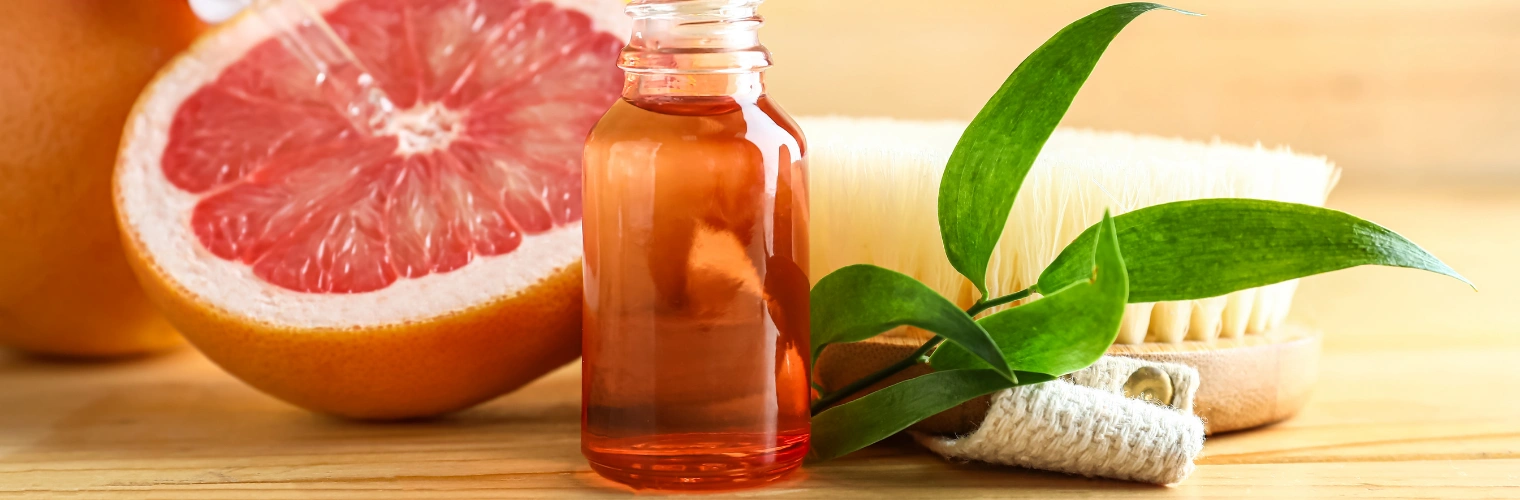
Grapefruit oil is similar to lemon – citrusy and invigorating. Some use it in a wellness setting to reduce cravings or boost a depressed mood.
Dilute it and use it only when staying indoors. It’s phototoxic, so your skin should not have direct sun exposure after application. It’s also vital to understand that it can impact liver enzymes and medications.
Store Essential Oils Properly in Dark Containers
Many people find it worth trying to use essential oils for addiction recovery. If you buy them, it’s important to know how to store them for maximum efficacy. Never transfer the products to plastic containers; they’re best left unchanged.
They usually come in dark glass containers, which help protect them from light, which can spoil them. Keep them in those containers to help them retain their healing properties.
Up To 100% of Rehab Costs Covered By Insurance
Get Professional Addiction Treatment At Ingrained Recovery
Many who try quitting substance use at home find they need professional help to stop. The depression, stress, and anxiety of addiction recovery often require help managing symptoms, counseling, and behavioral therapy.
If you’ve tried, you haven’t failed; you need professional addiction treatment to address every facet of your well-being. The team at Ingrained is here to serve as your addiction recovery support team.
At your request, our team will be glad to provide a free insurance policy review.
Contact us today – it’s free and confidential. We’d love to hear about your needs and lead you to recovery options that will help provide a holistic path to success!