When someone you love enters residential treatment, the relief is immediate, but so is the anxiety. What happens to us while they're gone? How do we heal the damage addiction has done to our family? Will they come home to the same broken dynamics that contributed to the problem in the first place?
After running a residential program for years, I've learned that treating addiction without addressing the family system is like rebuilding a house while leaving the foundation cracked. The individual gets stronger, but they're returning to relationships that haven't had the chance to heal alongside them.
That's why our approach at Ingrained Recovery goes beyond the traditional "family education session" or "visiting day." We understand that addiction fractures entire family systems, and recovery requires intentional work to rebuild those connections from the ground up.
Why Most Programs Leave Families Behind
Here's what I see happening at most treatment centers: the person struggling with addiction gets 30, 60, or 90 days of intensive care while their loved ones sit at home, often in crisis themselves, waiting for someone to return who they hope will be "fixed."
The family members are dealing with:
- Years of accumulated trauma and resentment
- Broken trust that won't magically repair itself
- Codependent patterns they don't know how to change
- Fear about what happens when their loved one comes home
- Guilt about their own role in the family dysfunction
Meanwhile, the person in treatment is learning new coping skills and building emotional regulation in a controlled environment. But when they reunite with family members who haven't had the same opportunity to heal and grow, old patterns resurface almost immediately.
I've watched too many families struggle through this disconnect. The person in recovery feels misunderstood and unsupported at home. Family members feel left out of the healing process and unprepared for the changes their loved one is making. Everyone ends up frustrated, and the risk of relapse increases significantly.
The Ingrained Difference: Healing Happens Together
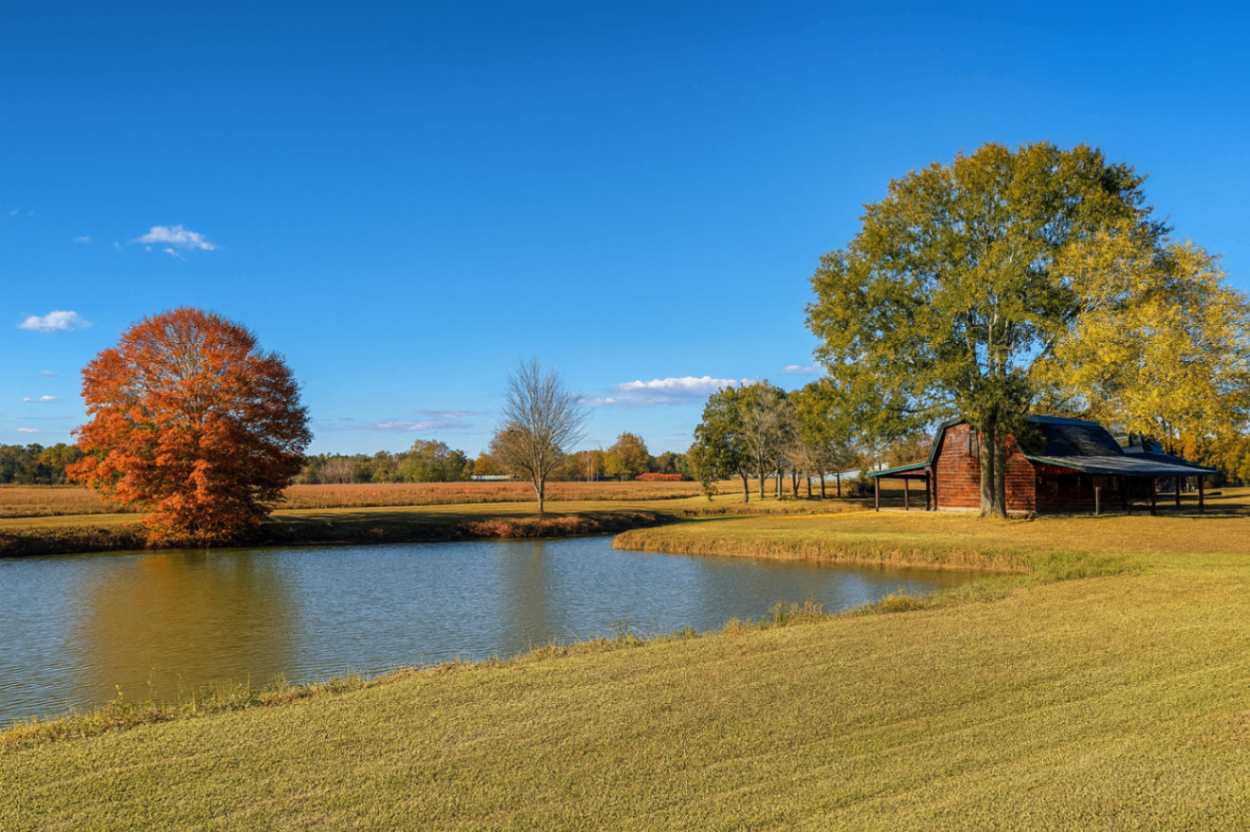
Our 50-acre facility in the Georgia woods isn't just designed for individual recovery, it's created with families in mind. When you step onto our property, you immediately understand why this environment works for rebuilding relationships. The space itself invites authentic conversation and genuine connection.
Here's how we bridge that gap between residents and their loved ones:
Family Therapy That Goes Beyond the Surface
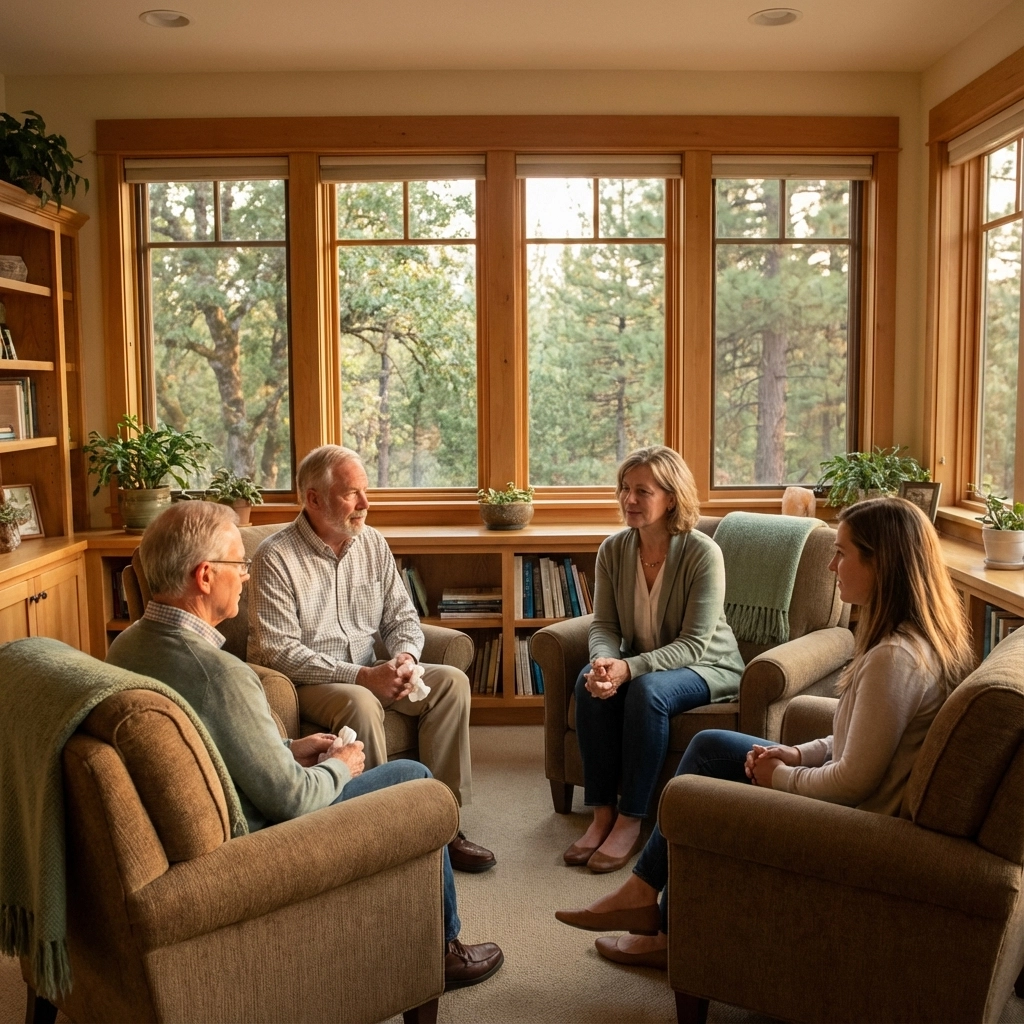
Every family that walks through our doors is dealing with layers of hurt, disappointment, and fear. Our family therapy sessions don't just scratch the surface with generic communication exercises. We dig into the specific patterns that developed around the addiction.
During these sessions, we help families:
- Identify and interrupt destructive communication cycles
- Process the trauma that addiction has caused for everyone involved
- Learn how to rebuild trust through consistent, small actions
- Understand the difference between supporting recovery and enabling addiction
- Develop healthy boundaries that protect both the person in recovery and their loved ones
Regular Family Visits on Our Grounds
Unlike facilities that limit family contact to phone calls or brief visiting room meetings, we encourage extended visits on our property. Our 50 acres provide the perfect setting for families to reconnect away from the triggers and stressors of home.
These visits aren't just social time, they're therapeutic opportunities. Families can:
- Walk our trails together and have difficult conversations in a peaceful setting
- Participate in guided activities that rebuild positive shared experiences
- Practice new communication skills they've learned in therapy
- Simply spend quality time together without the chaos that addiction typically brings to family interactions

Family Education That Actually Prepares You
Most family education programs focus on the basics of addiction as a disease. While that's important, it's not enough. Our family education goes deeper into the practical realities of what recovery looks like day-to-day.
We cover topics like:
- How to respond when your loved one is having a difficult day (without fixing or controlling)
- What to expect during different phases of early recovery
- How to rebuild intimacy and trust in relationships damaged by addiction
- Creating a home environment that supports sobriety without walking on eggshells
- Recognizing and responding to warning signs of potential relapse
Integration with Our Therapeutic Community
Your loved one isn't just receiving individual therapy, they're part of a therapeutic community that includes other residents, clinical staff, and yes, their family members. When families visit, they become part of that healing environment.
This integration helps everyone understand that recovery isn't something that happens in isolation. It's a community effort that includes professional support, peer connections, and family involvement.
Ongoing Support After Residential Treatment
The work doesn't end when your loved one completes residential treatment. We continue family therapy sessions virtually and provide ongoing consultation as families navigate the challenges of early recovery at home.
This extended support addresses the reality that healing family relationships takes time: often longer than the residential stay itself.

What This Actually Looks Like in Practice
Let me give you a real example of how this works. Recently, we worked with a family where addiction had created a pattern where the parents constantly rescued their adult child from consequences while simultaneously expressing frustration about their choices.
During family therapy, we helped them understand how this pattern, while coming from love, was actually preventing their child from developing the skills needed for sustained recovery. Through guided conversations and role-playing exercises, the family learned how to offer emotional support without financial enabling.
During family visits on our grounds, they practiced having difficult conversations about money, expectations, and boundaries. The peaceful environment of our facility made it easier for everyone to stay calm and focused on solutions rather than getting caught up in old emotional patterns.
By the time their loved one completed residential treatment, the entire family had developed new ways of relating to each other. The transition home was still challenging, but everyone had the tools and understanding needed to navigate it successfully.
The Environment Makes the Difference
There's something powerful about doing this work in the Georgia woods, away from the environment where so much pain and dysfunction developed. Our 50-acre property provides:
Physical space for emotional processing: Sometimes families need room to walk, think, and decompress during difficult conversations. Our trails and open spaces allow for natural breaks and movement during therapy sessions.
Neutral ground: Home environments often trigger old patterns automatically. Meeting on our property gives families the chance to interact differently in a space that doesn't carry the same emotional charge.
Beauty that promotes healing: The natural environment inherently calms the nervous system and makes it easier for everyone to access their capacity for empathy and understanding.
Addressing the Practical Concerns
I know what you're thinking: This sounds ideal, but how do we make it work with jobs, other kids, and the logistics of travel?
We understand these challenges and work with families to create realistic plans for involvement. Some families visit every weekend, others come monthly for longer stays. Some participate primarily through virtual sessions with periodic in-person intensives.
The key is consistency and intentionality, not frequency. We'd rather have a family participate meaningfully once a month than show up every week without being emotionally present or prepared to do the work.
The Investment in Family Healing Pays Dividends
Family involvement in treatment isn't just nice to have: it's statistically linked to better outcomes. People who complete treatment with strong family support have lower relapse rates and better long-term recovery success.
But beyond the statistics, I've seen the transformation that happens when families heal together. Children stop walking on eggshells around their parent's sobriety. Spouses rediscover intimacy and trust. Extended family members learn how to be supportive without being controlling.
The person in recovery comes home to relationships that are stronger than they were before addiction took hold. That's a foundation that can support lifelong recovery.
Your Next Step
If your loved one is considering residential treatment, or if you're struggling with addiction yourself, don't underestimate the importance of family involvement in the healing process.
At Ingrained Recovery, we've seen too many families miss the opportunity to heal together because they thought treatment was only about the individual. The truth is, recovery works best when everyone has the chance to grow and change together.
You don't have to navigate this alone. Talk with someone who understands what your family is facing and can help you determine whether our approach to family-centered care makes sense for your situation.
Recovery is possible: and it's even more powerful when the whole family is part of the journey toward healing.
