When you’re standing at the crossroads of recovery, the choices can feel overwhelming. You’ve likely heard about different “levels of care” such as outpatient programs, intensive outpatient, partial hospitalization, and residential treatment.
But here is a truth that many people don’t realize: not all treatment programs can build the same foundation for lasting recovery.
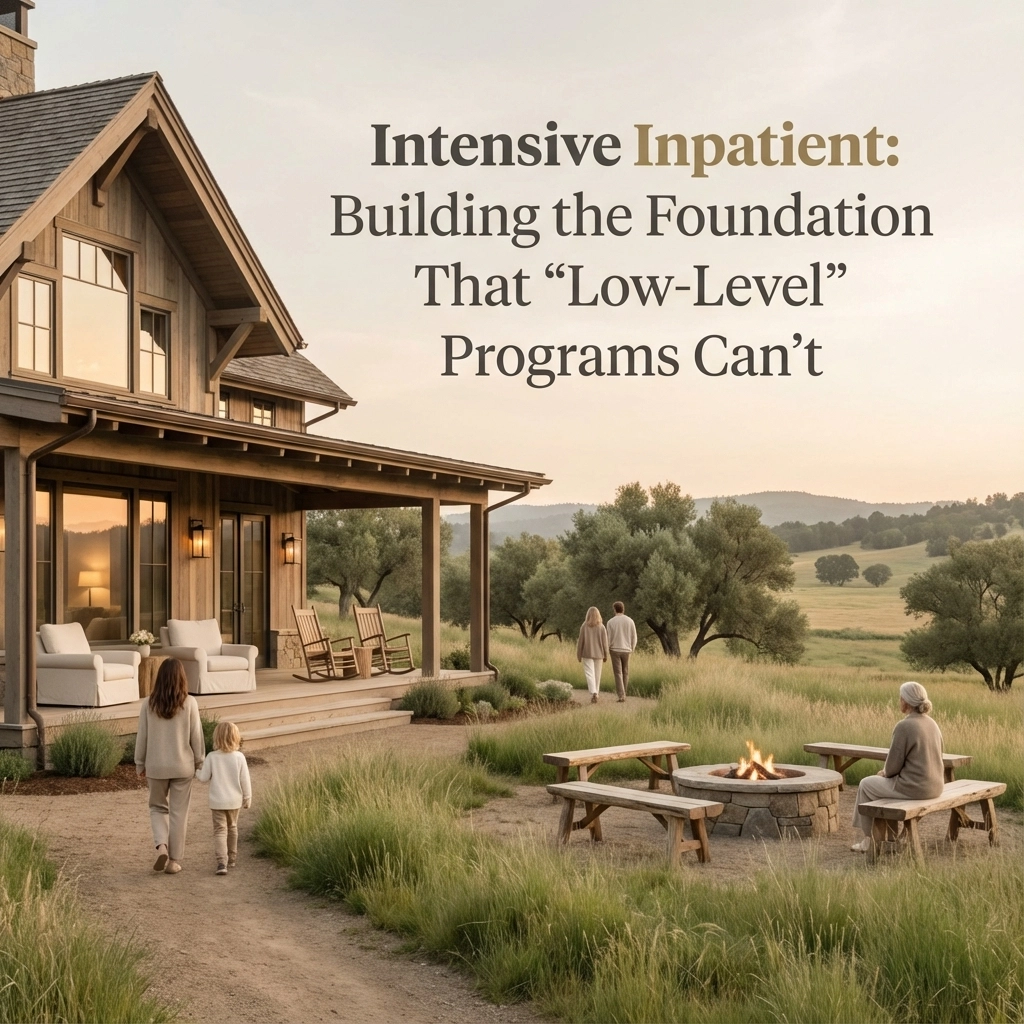
If you’re struggling with severe addiction, co-occurring mental health conditions, or have tried other approaches without success, intensive inpatient addiction treatment offers something that lower-level programs simply cannot replicate: the comprehensive, intensive foundation that makes long-term recovery possible.
The Reality About Treatment Intensity
Let’s be honest about what you’re facing. Addiction isn’t just a bad habit you can break with willpower. It’s a complex condition that affects your brain chemistry, your relationships, your daily routines, and often your physical health. When you’re dealing with something this complex, surface-level solutions rarely work.
Outpatient programs typically offer 3-9 hours of treatment per week. You attend sessions, then return to the same environment where your addiction developed. You face the same triggers, the same stressors, and the same patterns that led you here in the first place.
Residential treatment flips this equation entirely. Instead of a few hours of support scattered throughout a chaotic week, you receive comprehensive care in a structured, safe environment designed specifically for healing.
Why Your Environment Matters More Than You Think
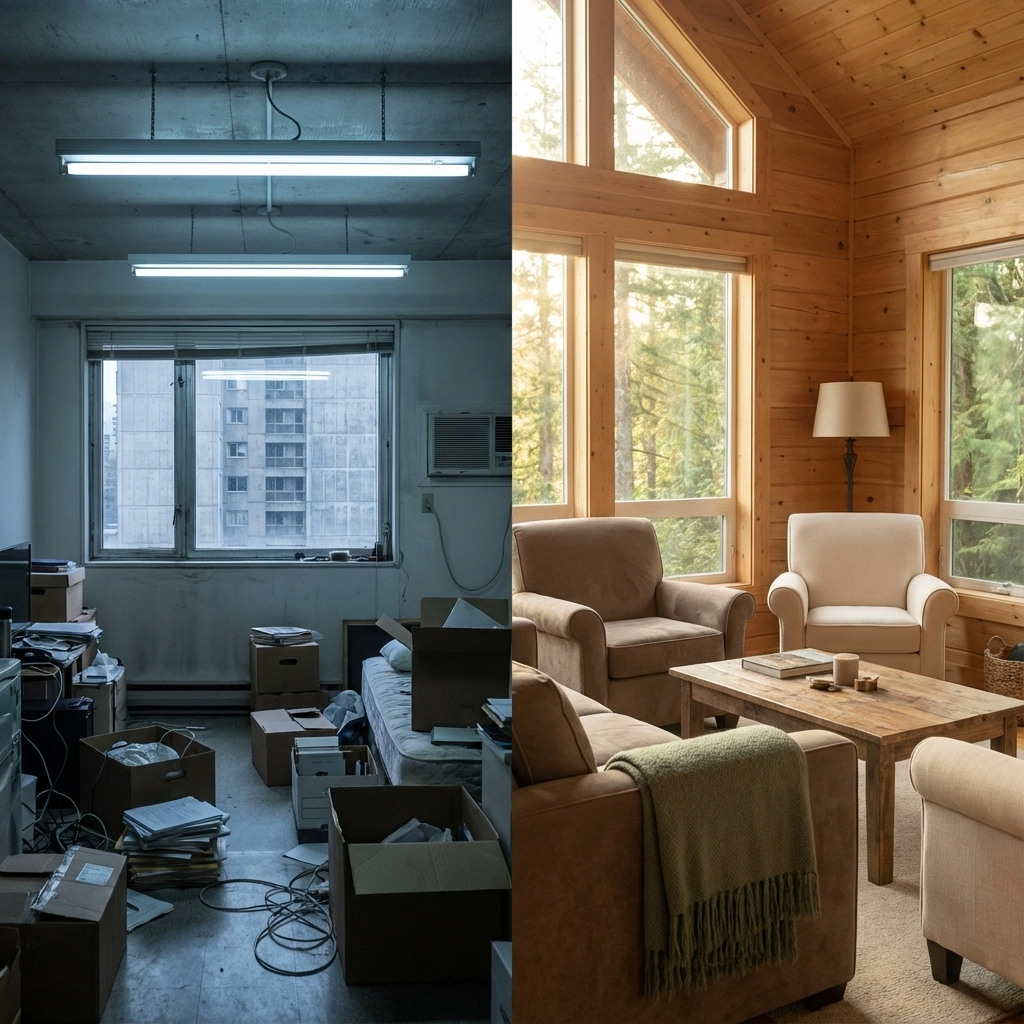
Your surroundings play a massive role in your recovery success. Think about it – if you’re trying to build new habits and thought patterns, but you are constantly surrounded by the same triggers and stressors, you’re fighting an uphill battle every single day.
Intensive inpatient treatment removes you from those environmental triggers entirely.
At Ingrained Recovery’s 50-acre wooded campus in Georgia, you’re not ‘only’ getting treatment – you are stepping into a completely different world. One where:
- Your daily schedule supports recovery, not undermines it
- You’re surrounded by people committed to the same goal
- External distractions and triggers are minimized
- You have time and space to focus entirely on healing
This isn’t about “hiding” from real life – it’s about giving yourself the protected space needed to build the skills and strength you’ll need when you return to your daily life.
The Medical Safety Net You Can’t Get Elsewhere
Here’s something that might surprise you: withdrawal from certain substances can actually be life-threatening. Alcohol, benzodiazepines, and some synthetic drugs can cause seizures, cardiac complications, and other serious medical emergencies during detox.
Lower-level programs simply cannot provide the 24/7 medical supervision needed to manage these risks safely.
In residential treatment at Ingrained, you have:
- Round-the-clock medical monitoring by qualified healthcare professionals
- Medication-assisted treatment to reduce cravings and manage withdrawal symptoms safely
- Immediate medical intervention if complications arise
- Psychiatric support for co-occurring mental health conditions
This level of medical safety is not a luxury; it is essential for people dealing with severe addiction or complex health conditions.
Ready to learn more about our medical detox program? Contact our admissions team to discuss whether intensive care is right for your situation.
The Therapy Intensive That Changes Everything
In outpatient settings, you might see a therapist once or twice a week for an hour. That’s simply not enough time to address the deep-rooted issues that fuel addiction: trauma, co-occurring mental health conditions, family dynamics, and ingrained (hence our name) thought patterns that have developed over years or decades.
Residential treatment offers something completely different:
- Daily individual therapy sessions with addiction specialists
- Group therapy multiple times per week with peers who understand your experience
- Family therapy to address relationship dynamics and build support systems
- Specialized therapies like trauma-focused treatment, cognitive-behavioral therapy, and experiential approaches

This intensive therapeutic approach allows you to do the deep work that surface-level programs simply don’t have time to address. You are learning coping skills as well as fundamentally rewiring thought patterns and healing underlying wounds.
Building Real Community and Connection
Addiction is fundamentally a disease of isolation. It convinces you that you’re alone, that no one understands, and that you’re beyond help. Residential treatment breaks through this isolation in ways that weekly outpatient sessions cannot.
When you’re living alongside other people in recovery, you experience:
- Authentic peer support from people who truly understand what you’re going through
- 24/7 accountability in a supportive, non-judgmental environment
- Shared experiences that help you realize you’re not alone in this struggle
- Practice with healthy relationships in a safe, structured setting
This community aspect isn’t simply about being emotionally supportive; it is clinically proven to improve treatment outcomes. You learn from others’ experiences, gain perspective on your own situation, and develop the social skills needed for long-term recovery.
Addressing Co-Occurring Conditions Properly
Nearly 50% of people entering treatment struggle with co-occurring mental health conditions alongside their addiction. Depression, anxiety, PTSD, bipolar disorder… these conditions don’t pause while you address your substance use.
Lower-level programs often lack the resources, time, or expertise to properly address both conditions simultaneously. They might refer you to separate providers, creating a fragmented approach to your care.
At Ingrained, our intensive inpatient treatment offers integrated dual diagnosis treatment where:
- Your addiction and mental health conditions are treated as interconnected issues
- You have access to psychiatric care, medication management, and specialized therapy
- Your treatment team communicates and coordinates your care
- You receive comprehensive support for all aspects of your health

Struggling with both addiction and mental health challenges? Don’t try to tackle them separately. Learn more about our dual diagnosis approach and how integrated treatment can address both conditions effectively.
The Time Factor: Why Duration Matters
Recovery isn’t a quick fix. Your brain needs time to heal from the neurochemical changes caused by addiction. You need time to develop new coping skills, process underlying trauma, and practice living without substances in a supportive environment.
Outpatient programs often operate on insurance-driven timelines rather than clinical need. You get a predetermined number of sessions, regardless of your individual progress or circumstances.
Residential treatment allows for individualized treatment duration based on your clinical milestones and progress. This might mean:
- 30 days for someone with a shorter addiction history and strong support systems
- 60-90 days for complex cases involving trauma or co-occurring conditions
- Extended care options for people who need additional time to stabilize
The goal isn’t to keep you in treatment longer than necessary – it’s to ensure you have sufficient time to build a foundation that will support long-term recovery.
Building Your Aftercare Foundation
One of the most critical advantages of intensive inpatient treatment is the comprehensive aftercare planning that begins from day one. Your treatment team works with you to:
- Identify your unique triggers and develop specific coping strategies
- Connect you with ongoing support in your home community
- Coordinate with outpatient providers to ensure continuity of care
- Develop a detailed relapse prevention plan based on your individual needs
This isn’t a stripped-down list of recommendations; it is a carefully crafted roadmap for maintaining your recovery after you leave the structured environment of residential treatment.
Making the Decision: Is Intensive Care Right for You?
Choosing intensive inpatient treatment is a big decision, and it’s not right for everyone. But if you’re facing any of these situations, it might be exactly what you need:
- You’ve tried outpatient treatment without lasting success
- You’re dealing with severe withdrawal symptoms or medical complications
- You have co-occurring mental health conditions that need integrated treatment
- Your home environment is full of triggers or unsupportive relationships
- You need time away from daily stressors to focus on recovery
- You’re struggling with trauma that requires intensive therapeutic work
The foundation you build in intensive treatment is about getting sober, yes, but so much more. It is also about developing the skills, insights, and strength needed to build a life worth living.
Your Next Step Forward is Found With Our Support at Ingrained Recovery
Recovery is possible, but it requires the right foundation. While lower-level programs serve an important purpose in the continuum of care, they simply cannot provide the comprehensive, intensive support that severe addiction requires.
At Ingrained Recovery, we understand that taking this step feels overwhelming. That’s why our admissions team is available to help you understand your options, verify your insurance coverage, and determine whether intensive inpatient treatment is the right choice for your situation.
You don’t have to figure this out alone. Contact us today to speak with someone who understands what you’re facing and can help you take the first step toward building a foundation for lasting recovery.