
The Realities of Functioning as an Addict and How to Get Support
When it comes to addiction, challenging stereotypes and stigma matters. People often have misconceptions about what it means to struggle with substance abuse. In cases of high-functioning addicts, this can include the fallacy that seeking help isn’t as vital as it is.
Usually, the thought process behind this goes something like, “If I can work, I’m okay,” or “I’m not as bad off as some people are.” If you have a loved one performing at a high level but still suffering from addiction or dependence on substances, this may sound a bit familiar.
However, the consequences of untreated drug and alcohol abuse are serious. They can affect anyone, even functional addicts.
If you’re wondering, “Is my loved one a functioning drug addict?” it’s a huge step in the right direction. It’s hard to watch people close to you go through substance abuse. Accepting that there’s a problem is a critical start to helping break the cycles of dependence.
Ingrained Recovery is a leading addiction and dual-diagnosis treatment center in Georgia. We’re here to guide people and those close to them through the recovery process. Keep reading to learn more about what defines a functioning addict, and remember we are only a confidential call away for immediate support and consultation.
Get Effective Detox and Rehab Options
Find Help At Ingrained Recovery
Does My Loved One Have a Functioning Addiction?
First, let’s define the term “functional addict.” A functional addict is someone who is able to maintain their daily life despite substance abuse.
For example, their job, relationships, household tasks, personal hygiene, and social responsibilities.
What are the Signs of High-Functioning Substance Abuse?
Even while maintaining the parts of life mentioned above, functional addicts often show signs of addiction. These might include, but aren’t limited to:
- Increased tolerance to drugs and alcohol.
- Withdrawal symptoms occur when one is unable to use drugs or alcohol, or when one reduces the amount they use.
- Efforts to conceal substance use (e.g., lying about how much or how often one uses drugs and alcohol, hiding bottles of booze or drug paraphernalia).
- Behavioral changes, such as mood swings, a need for privacy or secrecy, irritability, and changes in appetite or sleep patterns.
- Financial difficulties, legal issues, or health problems related to substance abuse.
Your loved one may hide these signs from people close to them. For example, one might not let others see their withdrawal symptoms. This can make it more difficult to notice a problem.
What are the Consequences of High Functioning Addiction?

Just like addiction doesn’t discriminate, the physical and psychological harm of substance misuse does not. High-functioning alcohol or drug abuse can lead to a range of severe consequences, such as:
Physical Health Complications Related to Drugs and Alcohol
High-functioning addicts do not avoid the physical health risks that come with drug and alcohol abuse. Addiction is associated with various health problems:
- An increased risk of some types of cancer. For example, heavy alcohol use is linked to a higher chance of lung, breast, mouth, throat, colon, and liver cancer development.
- Infections (e.g., heart infections, skin infections, and HIV).
- A greater likelihood of accidents and injury.
- Heart attack or stroke.
- Lung problems.
- Overdose.
When you abuse substances, these health problems can onset at any time. Even people with functional addiction can seem okay one day, but enter a critical condition the next.
Get Accredited Treatment at Ingrained
Find Help At Ingrained Recovery
New, Worsened, or Unaddressed Mental Health Issues
Many people with addiction have mental health problems before substance abuse starts. However, drug and alcohol use can also cause psychological harm. This includes new or worsened symptoms of various mental health conditions.
There are a number of common comorbidities in people with substance use disorders. For example:
- Anxiety.
- Depression.
- Bipolar disorder.
- Personality disorders.
- Attention-deficit hyperactivity disorder.
- Schizophrenia and related disorders.
Ideally, a treatment center will address mental health concerns alongside addiction. This means that a person with a substance abuse problem who doesn’t seek treatment may not get help for other mental health conditions they have.
Financial and Legal Repercussions from Functioning Addiction
It’s no secret that alcohol and drug use can be costly. Even if people go to great lengths to hide their addiction, financial problems may arise, especially as time goes on. This is another repercussion of substance abuse that a person might attempt to hide.
Similarly, people can end up with legal issues from substance use, no matter how functional they are. One could get caught with drugs in their possession, or they might attempt to operate a vehicle while under the influence, just as a couple of examples.
Strained Relationships and Mounting Effects on Loved Ones
If you’re reading this, it probably won’t surprise you that high-functioning addiction can still have very real consequences on loved ones. Children, partners, friends, and parents can be significantly affected by issues like impaired trust.
One of the goals we focus on in treatment is helping people rebuild the relationships they have with their loved ones. But if a person doesn’t get help, the implications of addiction on their interpersonal connections can get worse.
Many loved ones of high-functioning alcoholics or drug addicts experience a great deal of stress. It’s important that loved ones have support for this reason.
The Fear of Seeking Help as a High Functioning Drug Addict
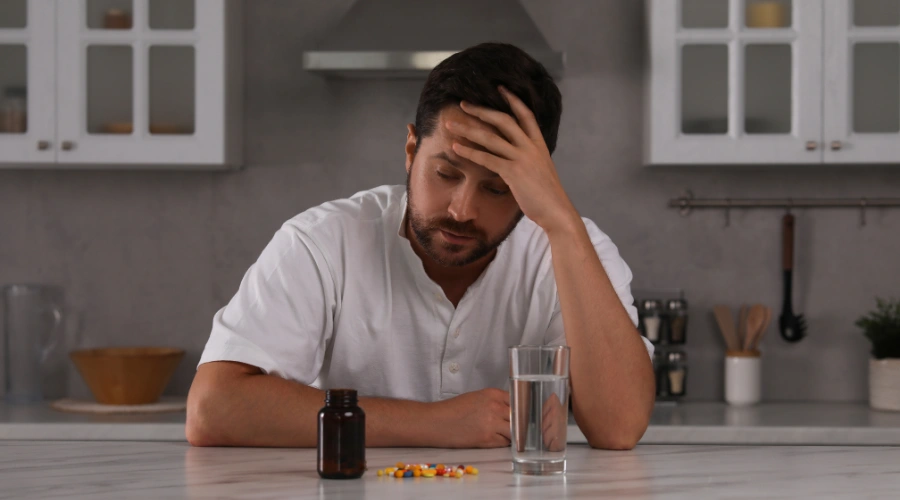
Many high-functioning addicts don’t realize the extent of their problem or the impact that it has on their lives. Or they might be in denial about having a problem. When it comes to looking for help, though, fear is another possible barrier. That’s part of where we come in.
As an example, high-functioning addicts may worry about what will happen with their jobs if they go to drug and alcohol rehab. We have an executive drug rehab program for this reason, which accommodates working professionals who need help with substance use.
Every addiction treatment center is different. Specialized programs are just one of the things that set Ingrained Recovery apart. We offer personalized treatment plans, diverse therapies, and an alumni program that offers ongoing support for former clients.
The Importance of Treatment for High Functioning Substance Use Disorders
Some people remain high functioning for a very, very long time. As addiction progresses, issues like health deterioration from substance abuse typically get harder to hide or reverse. While the earliest possible intervention is imperative for this reason, that’s not all there is to it.
It is a myth that high-functioning people with addiction have “less of a problem.” Substance use disorders can have just as strong a grip on someone with high-functioning addiction. It can be helpful to remember that drug and alcohol use tends to have a function in a person’s life.
If someone uses stimulants to stay awake, for energy, or for appetite suppression, they might be afraid of what’ll happen if they stop. If someone uses alcohol to numb their emotions or to avoid withdrawal symptoms, it can be very intimidating to cease alcohol use.
There are many factors that play into the development of addiction, ranging from roadblocks like these to genetics. Effective treatment options will address addiction comprehensively and provide the skills necessary for preventing relapse.
And once treatment is presented in a positive light, it can be that much easier to get your loved one to address their issues and take what often feels like an enormous weight off their shoulders.
How Can Loved Ones Support Recovery for a High Function Addict or Alcoholic?

Family involvement is associated with better recovery outcomes. For example, long-term recovery and abstinence. Family can encompass anyone close to your loved one. It’s not limited to immediate relatives and can also include people like friends and romantic partners.
Ingrained Recovery strongly encourages family therapy as a part of the treatment process. Participating in these sessions is a great way to support your loved one. Family therapy helps you navigate issues such as communication, boundary setting, and rebuilding trust.
Again, it’s also essential that loved ones have a safe environment to get support for the emotional toll addiction takes on them. Support groups, therapy, and resources from leading treatment centers like Ingrained Recovery can help.
Up To 100% of Rehab Covered By Insurance
Find Help At Ingrained Recovery
Call Ingrained Now for Support to End High Functioning Addiction
Ingrained Recovery is a detox and residential treatment center in Georgia. Our tranquil facility is set on 50 acres, with comfortable rooms, flexible technology policies, a fully stocked fish pond, exercise equipment, walking trails, and other amenities for clients.
We know what it feels like to reach out for help. Whether you yourself are a high-functioning alcoholic or drug addict or have a person in your life whom you are concerned about, our team is here to support you.
Call Ingrained Recovery to learn more about getting help for yourself or your loved one today. All calls are kept strictly confidential, so please reach out in confidence now for support.
References
- U.S. Department of Health and Human Services. (2025, January 8). Addiction and health. National Institutes of Health.
- U.S. National Library of Medicine. (n.d.). Common comorbidities with Substance Use Disorders Research Report. National Center for Biotechnology Information.
- Substance abuse and mental health services administration advisory page 1 of 10. (n.d.-e).