There's something powerful about the three-hour mark. Not too close that familiar triggers feel within reach. Not so far that family feels unreachable. Just enough distance to create the space where real change becomes possible.
If you're reading this from Atlanta, Macon, Augusta, Savannah, or Columbus, you're exactly three hours away from a different kind of recovery experience. One that understands geography isn't just about location: it's about liberation.
The Clinical Reality of Distance
Recovery specialists have known for decades that environment shapes outcomes. When you stay in the same place where addiction took hold, you're fighting an uphill battle against muscle memory. Your brain recognizes every corner store, every stress trigger, every person and place that became part of the using pattern.
The three-hour drive to Eastman isn't just about getting to treatment. It's about stepping outside the ecosystem that addiction created around your daily life.
Think about it this way: if you're struggling with alcohol and you drive the same route to work every day, passing the same liquor store, your brain is processing dozens of subtle cues that you're not even consciously aware of. The recovery industry calls this "environmental cueing," and it's one of the biggest reasons why people relapse within their first 30 days.
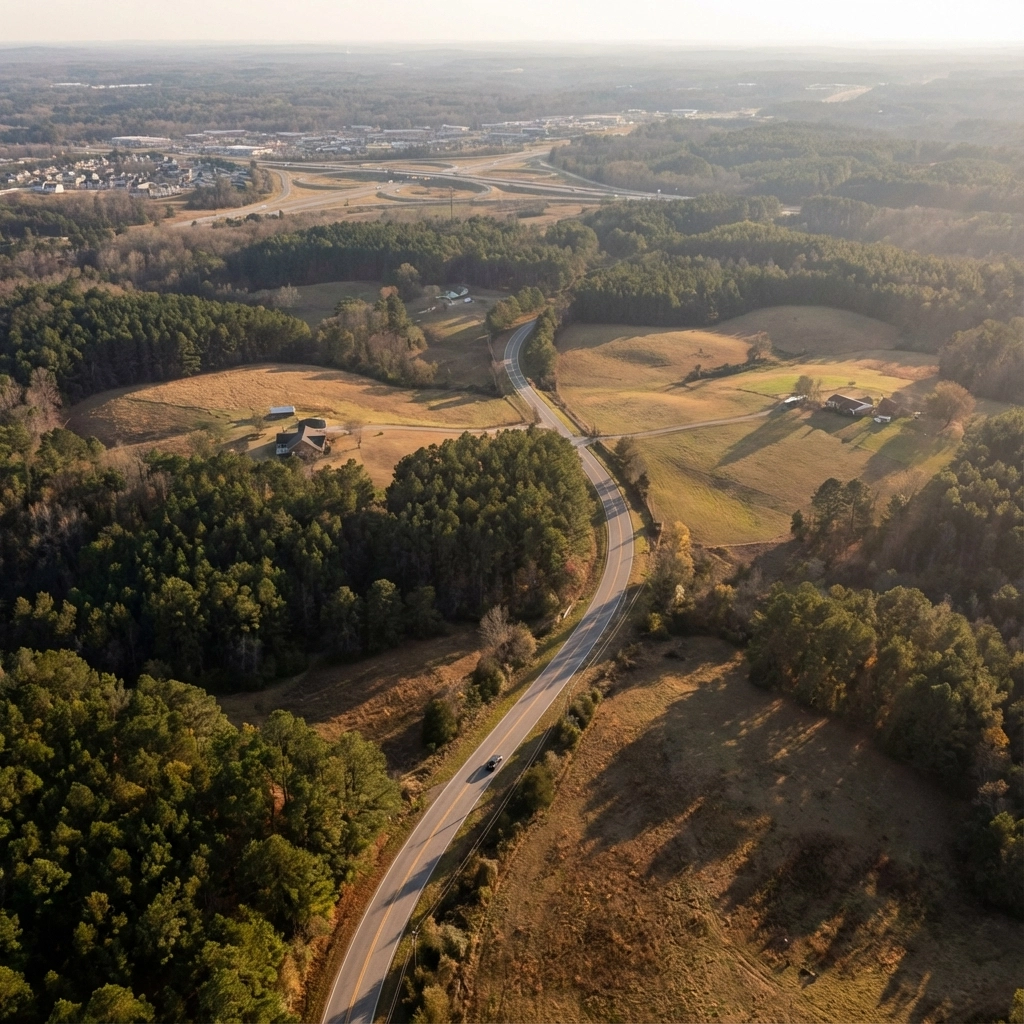
Why Three Hours Is the Sweet Spot
Close enough for family involvement. Your support system can visit. They can participate in family therapy sessions. You're not isolated from the people who care about you.
Far enough to break the pattern. You can't easily slip back into old routines. The drive itself becomes a conscious choice, not an impulsive decision.
Accessible but intentional. If you need to leave treatment for a medical emergency or family crisis, you can. But casual, trigger-driven trips back to familiar territory require planning and consideration.
Geographic safety net. When you're ready to transition back home, you've had weeks or months to practice new coping skills without the constant pressure of immediate access to old habits.
Major Cities Within Our Healing Radius
From our 50-acre wooded campus in Eastman, you're strategically positioned at the center of Georgia's recovery revolution:
Atlanta (2 hours, 45 minutes): Escape the constant pace and pressure of the metro area. Trade traffic stress for horse therapy sessions and hiking trails.
Macon (1 hour, 15 minutes): Close enough for family visits, far enough to focus entirely on your recovery without hometown distractions.
Augusta (2 hours, 30 minutes): Step away from familiar social circles and into a community focused solely on healing and growth.
Savannah (3 hours): Leave coastal triggers behind and discover what recovery looks like surrounded by Georgia pines instead of party scenes.
Columbus (2 hours, 15 minutes): Military families especially appreciate our trauma-informed care and the peace that comes with rural recovery settings.
Warner Robins (1 hour, 45 minutes): Perfect distance for families who want to stay involved while giving their loved one the space to rebuild their foundation.
The Science Behind Geographic Healing

Neuroscience research shows that addiction literally rewires your brain's reward pathways. But here's what's encouraging: those same pathways can be rewired toward healing: if you give your brain the right environment to do it.
When you remove yourself from familiar environments, several powerful things happen:
Stress hormones normalize. Cortisol levels drop when you're not constantly navigating known triggers. Lower stress hormones mean better sleep, clearer thinking, and more emotional stability.
New neural pathways form faster. Your brain is naturally more receptive to building new habits when it's not fighting old environmental cues every few hours.
Decision-making clarity improves. Without the constant low-level anxiety of managing triggers, you can actually focus on learning new coping strategies instead of just surviving.
Identity shifts become possible. It's harder to see yourself differently when everyone around you remembers who you used to be. Distance allows you to practice being the person you're becoming.
The First 72 Hours: Why Distance Matters Most
The early days of recovery are when your brain is most vulnerable to environmental triggers. Research from the National Institute on Drug Abuse shows that people who begin recovery in unfamiliar settings have significantly higher completion rates than those who stay close to home.
During medical detox, your nervous system is already working overtime. Adding the stress of navigating familiar trigger zones can overwhelm your body's ability to heal safely. The three-hour buffer zone gives your system permission to focus entirely on stabilization.
Why Families Choose the Drive
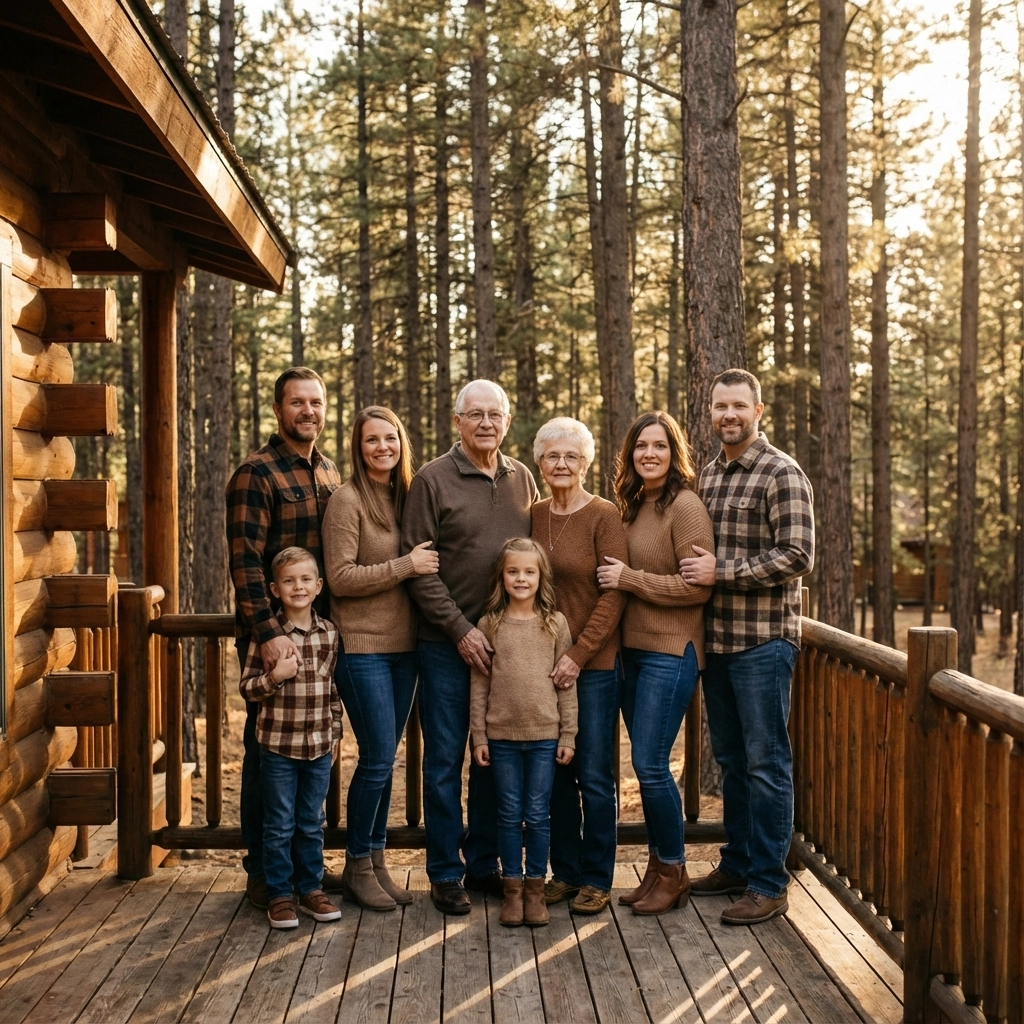
We regularly hear from families who initially worried about the distance, only to realize it became their greatest advantage.
"At first, I was worried about my daughter being so far from home," shares a mother from Atlanta whose daughter completed our residential program. "But I realized that 'home' had become the problem. The drive to Eastman became our weekly chance to reconnect without all the chaos we'd been living in."
For parents: The distance forces you to step back from crisis management mode and focus on your own healing while your loved one focuses on theirs.
For partners: You get space to rebuild your own life while your partner rebuilds theirs, without the daily triggers that kept both of you stuck in unhealthy patterns.
For adult children: You can focus on recovery without the constant pressure of managing family dynamics that may have contributed to the addiction cycle.
Travel Assistance That Removes Barriers
We understand that the decision to seek treatment is already overwhelming. Adding travel logistics shouldn't make it harder.
Our admission team coordinates transportation from major Georgia cities, including:
- Insurance verification for travel-related medical transportation
- Connection with families who volunteer to help with rides
- Coordination with ride-sharing services for budget-conscious families
- Scheduling that works with your timeline, not ours
The Rural Recovery Advantage
Eastman isn't just geographically strategic: it's therapeutically optimal. Rural settings provide advantages that urban treatment centers simply can't match:
Quiet that allows processing. Without constant noise pollution, your nervous system can actually relax enough for deep therapeutic work.
Natural anxiety reducers. Time spent in wooded settings measurably reduces cortisol production and improves mood regulation.
Slower pace equals sustainable change. Recovery skills learned in a rushed environment often don't transfer to real life. Skills learned at a sustainable pace become lasting habits.
Community without chaos. Small-town recovery communities provide accountability without the overstimulation that can trigger relapse in people with trauma histories.
When the Drive Becomes the First Step
Many people tell us that the drive to Eastman was when they first felt hopeful about recovery. Something about the physical act of moving toward help, combined with watching the landscape change from urban stress to rural peace, creates a mental shift that begins healing before they even arrive.
"I realized about halfway through the drive that I hadn't thought about using in over an hour," one client shared. "For the first time in months, my brain was focused on moving toward something instead of running away from something."
Making the Drive Work for Your Family
Plan for arrival day. Having a family member make the drive with you provides support while beginning the healthy separation that treatment requires.
Use drive time intentionally. Many families use the car ride to have conversations that have been impossible at home. The contained space and focused time can be surprisingly therapeutic.
Pack thoughtfully. Bringing meaningful items from home provides comfort without bringing triggers. Our admissions team provides specific guidance about what helps versus what hinders early recovery.
Prepare for visits. The drive shouldn't feel like a burden for family visits. We help families plan visit schedules that support treatment goals while maintaining important relationships.
Your Insurance Covers More Than You Think
One of the biggest misconceptions about residential treatment is that insurance won't cover programs that require travel. In reality, most major insurance plans recognize that effective treatment often requires stepping outside familiar environments.
Our benefits verification team works directly with your insurance provider to confirm:
- Coverage for our residential program level
- Transportation benefits available through your plan
- Out-of-network benefits if needed
- Timeline for approval that works with your schedule
Ready to learn what your insurance covers? Call (844) 450-1700 for immediate benefits verification. Our team can confirm coverage and help coordinate travel assistance within 24 hours.

The Return Trip: Why Distance Helps Long-Term
Here's what many people don't consider: the three-hour drive isn't just about getting to treatment. It's about the return trip: and all the return trips after that.
When you're ready to come home, you'll make that drive with new skills, new perspectives, and new confidence. But you'll also have the knowledge that Eastman is still there. That the peace you found is still just three hours away if you need to reconnect with your recovery community.
Many graduates return for our alumni events, bringing family members who want to see where healing began. Others come back for intensive outpatient sessions when life gets overwhelming. The distance that once felt scary becomes a source of comfort: a place where you know recovery is always possible.
Taking the First Step
If you're reading this and feeling ready to make the drive, or if you're a family member researching options for someone you love, the next step doesn't have to be complicated.
Start with a phone call. Our admission specialists understand that choosing treatment: especially treatment that requires travel: involves many considerations. They're trained to help you think through practical concerns while keeping the focus on what actually creates lasting change.
The three-hour drive to Eastman might be the most important journey you ever make. Not because it's easy, but because it's exactly the right distance between where you've been and where you're ready to go.
Ready to verify your insurance and learn about travel assistance? Call (844) 450-1700. Our team is standing by to help you take the first step toward the recovery you deserve.
