The Risks of Gabapentin and Xanax Polysubstance Dependence
There’s nothing “wrong” with wanting relief from anxiety, nerve pain, or sleepless nights. And, when medications help you feel calmer or relieve pain, it’s easy to believe they’re safe to take together. But gabapentin and Xanax have powerful effects that should be respected.
These two prescription drugs are helpful when used correctly, but can quickly become dangerous when combined or when misused. It’s easier to use them safely and know when you may be at risk when you understand how these prescription drugs interact and what dependence looks like.
Enter our resource from the expert staff at Ingrained Recovery. This guide gives you a guideline on the risks of combining Xanax and gabapentin, so that you know the risks as well as when to reach out for more help from a leading treatment center like Ingrained.
Get Accredited Treatment Programs at Ingrained Recovery
Is Mixing Gabapentin and Xanax Dangerous?
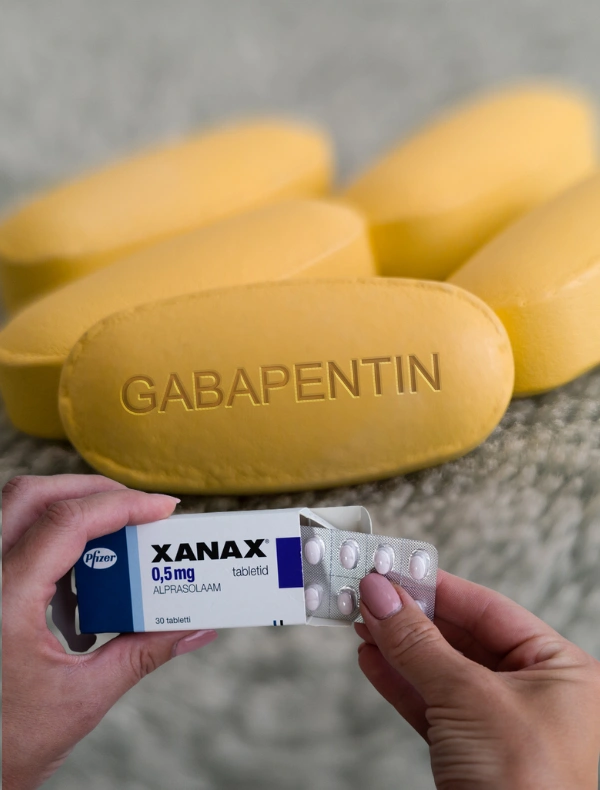
Few people realize the potentially dangerous side effects they might experience after mixing gabapentin and Xanax. These risks are even greater if you aren’t taking them as prescribed, or if the prescribing healthcare professionals are unaware that you’re taking both medications.
The risks come from the way these medications slow down your central nervous system (CNS). You might just feel drowsy and have difficulty concentrating, but there’s also a risk of life-threatening respiratory depression. This happens when breathing becomes shallow, often after an accidental overdose.
It’s easy to feel like the medications are acting normally at first, making you relax and relieving your pain. This is what makes combining Xanax and gabapentin so dangerous.
How Do Gabapentin and Xanax Affect Your Central Nervous System?
Gabapentin might be prescribed to treat seizures, neuropathic pain, or generalized anxiety disorder. It calms activity in your nerves and can also be used to treat sleep disorders or restless leg syndrome.
Xanax reduces how alert you feel by lowering brain arousal. It affects your GABA (gamma aminobutyric acid) neurotransmitter system, and it might be prescribed for panic disorder or acute anxiety. Usually, it’s prescribed when alternative treatment options don’t work.
When the effects of these medications overlap, they amplify one another’s sedative effects. Feeling so dizzy, tired, and mentally foggy can interfere with work, driving, and your day-to-day life.
Can Mixing Xanax and Gabapentin Cause Memory Problems?
Many people who have taken Xanax and gabapentin together experience “blank spots”. It gets hard to remember conversations, or even what you were doing moments before.
This happens because combining these prescription drugs makes it harder for your brain to form and store information.
Other common drug combinations with Xanax that can lead to issues include:
- Xanax and weed
- Xanax and alcohol
- Xanax and cocaine
- Xanax and meth
- Klonopin and alcohol
- among other combinations, with one constant being that benzodiazepines affecting memory retention for many users.
Can Gabapentin and Xanax Together Trigger Mood Swings or Anxiety Disorders?
You may have effectively treated your anxiety symptoms with gabapentin or Xanax in the past, especially if you have a diagnosed anxiety disorder. But that doesn’t mean you’ll get the reaction you are looking for when mixing them. Instead, your emotions get unpredictable when you aren’t under the influence.
When Xanax and gabapentin misuse starts feeling normal, it’s hard to function without it. You might panic when sober or have rebound anxiety. Irritability and extreme mood swings are also common.
Get Proven Detox and Rehab Options at Ingrained

Will My Healthcare Provider Prescribe Gabapentin and Xanax Together?
It’s very rare for a doctor to prescribe Xanax and gabapentin because of the risks. If you have severe neuropathic pain and panic attacks, you may be prescribed low doses under close medical supervision.
Even when prescribed, this combo can be dangerous. You might experience respiratory depression, causing symptoms like a slower heart rate and breathing, that can be fatal.
Severe respiratory depression is most common when taking dangerous drug combinations like these or other CNS depressants, including alcohol. There’s also an increased risk of polysubstance dependence and severe withdrawal symptoms when you quit.
Is Taking Xanax and Gabapentin for Pain Relief a Form of Drug Abuse?
It isn’t considered drug abuse when you’re taking medications as they are prescribed to you. Often, though, drug abuse starts with legitimate prescription drugs for pain, anxiety, or nerve damage. You might then start increasing your dose, or just taking pills closer together, because it feels like the only way to get relief.
Most people with substance use disorders don’t end up that way intentionally.
With Xanax and gabapentin, it can be as simple as being so anxious or in so much pain that you need more than your normal dose to cope. Watch for this. It can be a sign you’re becoming dependent on either (or both) drugs.
Does Combining Xanax and Gabapentin Cause a Higher Risk of Physical Dependence?
Xanax and gabapentin both impact your CNS, but they do it in a different way. By taking both, your brain starts needing both of them to feel normal. You might feel you can’t sleep, relax, or calm down without them.
After you become dependent, it’s much harder to quit. It becomes more than a mental obstacle because even with tapering, the withdrawal process can be uncomfortable or dangerous.
What Makes Xanax and Gabapentin So Habit-Forming When Used Together?
Whether you’re taking a Xanax or gabapentin dose, you are changing how your brain receives pain messages and stress signals. These are strong, impactful drugs you start to rely on.
Your brain starts to see this relief as something necessary for survival. It feels that you cannot function without them. This is where habits start to form, even if you never intended to misuse anything.
Do I Need Rehab for Gabapentin and Xanax Dependence?

Even when medication is prescribed, it doesn’t mean that you can’t become dependent on it. It’s very easy to cross that line between “managing symptoms” and “relying on medication to function”.
This makes prescription drug addiction very common. It’s as easy to become addicted to prescription drugs as it is to a controlled substance.
You might think that you don’t need rehab or be worried about the stigma. But with benzodiazepines (the generic form of Xanax), quitting can cause life-threatening symptoms.
Professional help at a treatment center like Ingrained Recovery provides a way you can safely make it through detox and overcome withdrawals as comfortably as possible. From there, we help you find the most sustainable path to long-term recovery.
How Can Residential Treatment Help with the Increased Risk of Post Acuted Withdrawal Symptoms?
Quitting benzos and other CNS depressants on your own, without supervision from a healthcare provider, can be dangerous. You may even find yourself in need of immediate medical attention, which is where inpatient rehab at Ingrained can help.
We monitor your symptoms day and night. By tapering your dosage or providing addiction medication, we help relieve these symptoms. It isn’t as hard (or dangerous) to go through detox.
By reducing extreme anxiety, seizures, and other adverse effects you might have when you try to quit, it’s easier to commit to getting sober. You’ll also find yourself supported as you deal with the emotional stress many people experience during the detox and post acute withdrawal process.
What Should I Expect During Treatment for Gabapentin and Xanax Dependence?

We believe in a personalized polysubstance dependence approach. That said, most people struggling with polysubstance abuse start with medically supervised detox to manage withdrawal symptoms. This makes detox and symptoms like tremors, anxiety, heart palpitations, and even seizures safer.
After detox, you can focus on healing. You learn to manage pain and anxiety in different, healthier ways. We can help you rebuild sleep routines, process stress, and find coping strategies outside of medication.
From there, Ingrained provides robust aftercare and sobriety planning for our alumni. We can help you find mental health professionals, support groups, and other local resources to continue your sobriety successfully, no matter where you may call home, across the country.
How Can Dual Diagnosis Treatment Help with Polysubstance Abuse?
Many people who end up misusing Xanax and gabapentin are also dealing with anxiety disorders, trauma, chronic stress, or untreated depression.
With our dual diagnosis treatment programs, you address both addiction and underlying emotional conditions.
By treating anxiety disorders, mood swings, or past trauma directly, it’s easier to manage cravings. Recovery becomes more manageable and stable. By contrast, when you treat one without the other, there’s a greater chance of relapse.
Up To 100% of Rehab Costs Covered By Insurance
Start to Heal from Xanax and Gabapentin at Ingrained Recovery
Try not to feel “stuck” or embarrassed if you’ve become dependent on medications that were supposed to help. Many people have been in the exact situation. When you’re living with chronic pain, anxiety, or sleep issues, why wouldn’t you turn to whatever helps to get some relief?
At Ingrained Recovery, we understand how easy it is to fall into this pattern. That’s why we prioritize compassion.
From detox support to our healing environment, our holistic approach can give your mind and body the reset that it needs. We can help you move forward in your life, no longer controlled by worries about when it’s time to take your next dose.
Please reach out confidentially now, and get proven support options with us today!