The Risks of Mixing Alcohol and Marijuana for Polysubstance Dependence
You may not think twice about getting cross-faded, an emerging term for mixing cannabis with drinking. You might be trying to unwind after a long week or just have a good time with friends.
But just like you don’t think twice about mixing weed and alcohol, you probably also don’t realize the risks that can accumulate from becoming dependent on these substances.
In the early days, it can feel like you’re getting the relaxation you were seeking. After days turn to weeks, and weeks to months and even years of daily drinking and weed use, this combo becomes less and less effective.
And when daily drinking and smoking have become expected by your body, dependence and putting off the symptoms of withdrawal will begin to replace relaxation too.
That is why understanding how combining weed and alcohol interact and why they are risky when combined is essential for making safer choices, and for recognizing when it’s time to turn to our treatment programs at Ingrained Recovery for professional support.
Read on for all the details, and remember a confidential consultation is only a call away!
Get Accredited Treatment Programs at Ingrained Recovery
Cross-Faded: What Happens When Mixing Alcohol and Cannabis?
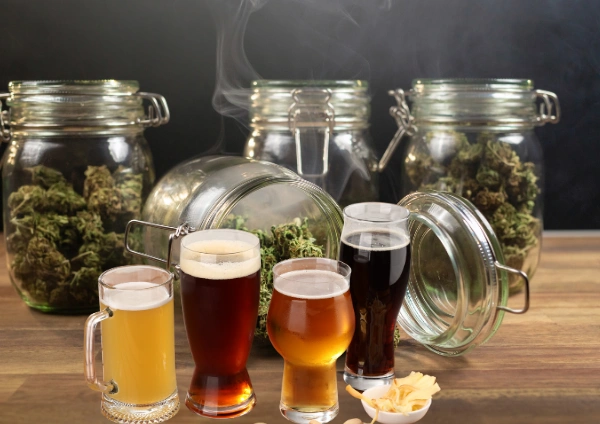
Have you ever been “cross-faded”? It’s a fairly unique experience caused by feeling the effects of marijuana and alcohol at the same time. You might feel relaxed, detached, and euphoric… but it’s all too easy for this feeling to become dangerous.
When you drink, it increases the rate that your body absorbs THC. Marijuana’s effects also come into play, as cannabis makes it harder to notice how alcohol use is affecting you. It becomes easy to get so intoxicated that your good time morphs into a dangerous situation.
Here is just one example: a beer or two over dinner may keep you under the legal limit if you try to drive, but combining an after-meal joint and then hitting the road can mean your perception and response time are altered in ways you likely won’t even perceive.
How Will the Combined Effects of Alcohol and Weed Affect You?
Alcohol consumed with marijuana can affect your brain and body in a lot of different ways. You might notice a slower motor response and issues with coordination. It’s easy to feel confused, have memory issues, or make decisions you might not usually. You can even have trouble standing or walking.
As your reaction time slows, it’s easier to make risky decisions. For example, continuing to drink even after you’ve reached dangerous levels of intoxication. Cross-fading also has a way of sneaking up on people. You might not notice your symptoms until they get severe, or in the case of the example above, an accident occurs.
Is Mixing Weed and Alcohol Considered Drug Abuse?
Alcohol and marijuana are both fairly commonly consumed recreational substances. You might be trying to unwind or have a good time with friends. Not everyone who combines drinking with marijuana is trying to get recklessly high or intoxicated.
According to a national alcohol survey, marijuana is one of the most commonly used substances with alcohol in young adults. This happens despite any negative effects or worries about addiction.
Many people do it, so when you mix marijuana use and alcohol consumption, it looks and feels casual. But that doesn’t mean that there isn’t a problem if it goes beyond these occasional social settings. Things like feeling unable to control use or using concurrent use as a way to escape emotions or stress are warning signs of addiction.
Get Proven Detox and Rehab Options at Ingrained

Can Harm Reduction Strategies Prevent Alcohol Poisoning When Mixing Drinking With Marijuana?
When presented properly, harm reduction doesn’t encourage drug use. Instead, it minimizes the risk of danger. It’s all too easy to mix weed and alcohol, even knowing the risks, especially with friends in the midst of a party, concert, festival, or other event.
Using these strategies can reduce immediate harm:
- Use both substances when you’re with people instead of alone
- Drink water between alcoholic drinks
- Eat before and during to slow absorption
- Avoid high-THC strains or edibles while drinking
- Know the signs of alcohol poisoning
These strategies can’t guarantee safety when combining alcohol and weed. But they can make a difference.
Be aware that alcohol poisoning can come on quickly, especially if cannabis consumption is masking symptoms and making it hard to know how intoxicated you feel.
Can Mixing Alcohol and Weed Be Dangerous?
Yes. Alcohol and marijuana seem like casual drugs, but concurrent alcohol and weed (cannabis) use can quickly become life-threatening. It often starts with a risk of injury from impaired motor control and poor physical coordination, and the example we provide of getting behind the wheel is only one instance of the risks.
Extreme intoxication, vomiting and aspiration, and alcohol poisoning can all happen when mixing cannabis and alcohol consumption.
Some people also experience panic, paranoia, and blackouts. Your risk is a lot higher if you are binge drinking, using high-potency THC, or don’t have experience mixing these substances.
Other common substances that are combined with alcohol include:
- Alcohol and meth
- Alcohol and xanax
- Klonopin and alcohol
- as well as drugs like opiates and opioids, among others
Why Are Blackouts More Likely When Drinking Alcohol and Using Cannabis Together?
“Blackouts” happen when you are conscious, but your brain cannot store memories. When you use cannabis with alcohol, it makes alcohol intoxication appear (and feel) much milder. You end up drinking more than you usually would, or at least more than you realize.
Sure, you look fine to the people around you. You’re talking and moving around, but your brain isn’t forming memories. This is a major sign of impending alcohol poisoning, so stay aware and stay safe.
Why is Vomiting Dangerous When Someone is Extremely Intoxicated?

Vomiting is your body’s typical response if it were being poisoned, so when you take in large amounts of alcohol, it often does its job by making you nauseous. Unfortunately, alcohol can slow your gag reflex and smoking weed only makes this effect worse.
If you can’t expel the vomit, there’s a risk of inhaling or aspirating it into your lungs. It’s possible to choke if you go to sleep or lose consciousness.
You might even become so dehydrated that your body goes into shock. Be careful once you reach this point because immediate medical attention might be necessary.
Can Alcohol and Cannabis Trigger Severe Anxiety or Panic Attacks?
Mixing cannabis and alcohol usually starts with the intention of relaxing. When combined, though, it can have the opposite effect. Your brain chemicals are thrown out of balance and your heart races, making you feel anxiety physically.
Shaking, rapid heartbeat, and difficulty breathing can throw you into panic. You may feel like you’re losing control, particularly if you’re predisposed to anxiety disorders.
Does Regular Cannabis Use Reduce Your Ability to Sense Alcohol Intoxication?

Consuming weed dulls sensations, and that includes the signals your body is sending that blood alcohol levels are too high. You might drink more without noticing early warning signs like nausea, dizziness, or slurred speech.
This is one of the major reasons that cross-fading can lead to alcohol poisoning. You keep drinking long after you should have stopped.
Can Mixing Weed with Alcohol Lead to Long-Term Addiction?
It’s very easy to get your hands on alcohol or cannabis, which might make you think they are safer than “harder drugs”. Unfortunately, this isn’t true, especially when the two substances are used together. And eventually our brains start relying on these substances for relaxation and to cope on a daily basis.
Long-term cross-fading increases your risk of alcohol and/or cannabis use disorder. It can also increase your risk of mood disorders, sleep disturbances, and emotional dysregulation.
Why Is Alcohol Addiction More Likely When Combined with Cannabis?
Cannabis makes drinking alcohol feel much less intense, so you consume more than you might when you aren’t smoking. Your brain and body respond to this by getting used to the higher alcohol levels, which can make you become dependent much faster.
Still, the signs of substance use disorder can start subtly. If you find yourself unable to relax, sleep, or manage stress without sleeping, or if you’re drinking alone, these could be red flags.
As with using weed alongside Xanax regularly, combining alcohol with marijuana can cause a dependence that requires medical detox to address safely and without the risks of seizures or other severe withdrawal symptoms.
Once your brain adapts to this pattern of use, it’s extremely difficult to quit without treatment.
How Do I Know if I Need to Get Treatment for Alcohol and Weed Use?

If you’re starting to rely on mixing weed and alcohol to function, it might be time to take a deeper look at substance use. Other signs are trying to quit (but being unable) or having negative side effects.
For example, if being cross-faded is affecting your relationships and responsibilities, causing anxiety or withdrawal when you aren’t under the influence, or leading to blacking out or vomiting.
Why Does Dual Diagnosis Treatment Matter for Weed and Alcohol?
In dual diagnosis, we treat substance use alongside mental health issues. Often, the cross-fading habit comes from needing an escape. This “need” might come from living with constant anxiety, trauma, depression, ADHD, or emotional dysregulation.
If substance abuse is treated without taking a look at mental health, there’s a greater risk of relapse once you leave treatment. It puts a temporary band-aid on substance use disorder, but it isn’t really sustainable.
What Does Treatment for Marijuana and Alcohol Abuse Look Like?
Everyone’s circumstances are different, so exactly what treatment might look like for you varies with your level of usage and history. Some people need medical detox before starting treatment, because of the alcohol use disorder withdrawal symptoms they experience when they try to quit.
Others will be clear to enter residential treatment, without the need for detox, but if alcohol is being used regularly, detox will very likely be a part of the treatment plan.
At Ingrained Recovery, treatment will also include individual counseling, group therapy, and holistic support. From experiential activities to life skills training, our team at Ingrained is ready to set you up for success, no matter what that may look like for you.
Up To 100% of Rehab Costs Covered By Insurance
Find Support at Ingrained to Put Alcohol and Weed in the Past
Substance abuse is serious, even when you’re talking about two largely legal substances like alcohol and marijuana. It’s possible to overdo it with either, but the risks grow substantially when you’re getting cross-faded on a regular basis. And the effects can be profound, taking over your life and making every moment revolve around drinking and getting high.
At Ingrained Recovery, we will help you take an honest look at using alcohol and marijuana. From there, we’ll help you find the best course to achieve your recovery goals. Remember that you don’t have to go through this alone, especially if you’re surrounded by people who think drinking and using marijuana is “no big deal”.
Get proven support options at Ingrained. Call us confidentially and get options now!