The Role and Benefits of Exercise for Sobriety Success
It is a truism that anyone struggling with alcohol or drug dependency knows all too well: addiction takes a toll on your body and mind.
And, correspondingly, most people tend to find that their recovery journey is better supported when they attend to their overall physical and mental health. For many, exercise is an important tool, and it’s often included in effective treatment programs for a reason.
Ingrained Recovery takes a whole-person approach to dual diagnosis and addiction treatment. This includes offering an extensive range of on-site physical activity opportunities for the people in our programs.
But let’s get specific: what are the benefits of exercise in addiction recovery?
Exercise can alleviate physical and emotional symptoms that may otherwise disrupt your quality of life and functioning. Let’s talk about what the research says about how physical activity can support your well-being as you overcome addiction.
Get Effective Detox and Rehab Options
Find Help At Ingrained Recovery
What are the Benefits of Exercise in Addiction Recovery? How Physical Activity Supports Success in Sobriety
For those in addiction recovery, even for those experiencing high-functioning forms of addiction, exercise can be a saving grace. It’s a possible coping mechanism and hobby, but the physical and mental health benefits are also very well-researched. Physical activity can:
Exercise Can Help Manage Drug Cravings
Research shows that exercise can reduce drug cravings effectively. A systematic review of 26 studies found this was particularly true for aerobic exercise. However, this does not mean that other forms of physical activity aren’t helpful.
For example, yoga can reduce stress and promote inhibitory control. It can also activate the brain’s reward system. Many recovery programs offer activities like yoga as a complementary treatment.
Any form of physical activity can act as a healthy distraction and support your mental health, making it an excellent outlet for those facing drug cravings and other triggers.
Physical Exertion Can Boost Mood and Reduce Depression
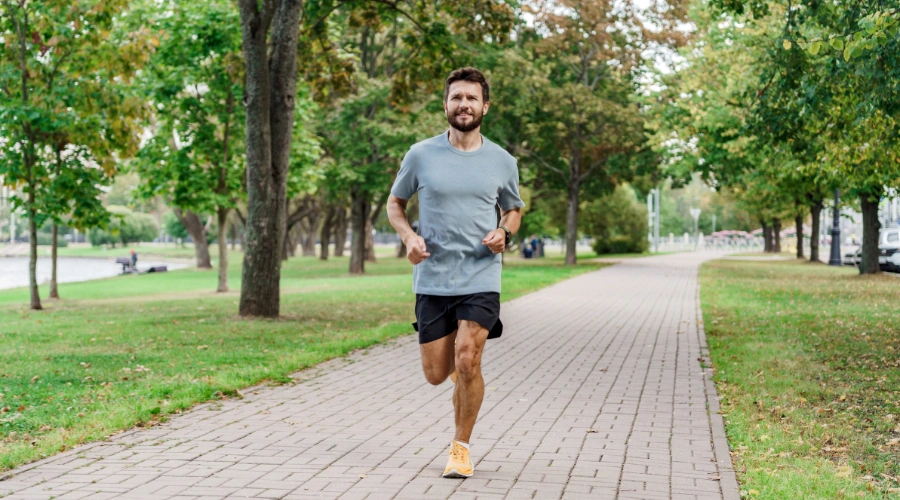
Exercise is associated with positive mood and well-being. Many studies suggest that it can be a helpful add-on treatment not just for substance abuse, but for other conditions, like depressive disorders. Why might that be the case?
Physical activity triggers the release of neurotransmitters, such as serotonin, dopamine, and endorphins. It can promote self-esteem, better energy levels, and social interaction, all of which can support depression management.
Lower Anxiety Levels by Working Out and Physical Exertion
Similar to depression, extensive research supports physical activity as an add-on treatment for anxiety. Moderate to high-intensity, regular aerobic exercise, yoga, and other types of physical activity have been shown to aid in anxiety relief.
Since persons with drug or alcohol addiction often have co-occurring disorders like anxiety, this is worth taking note of. By reducing stress, you may find that physical activity helps your overall mental health.
Get Accredited Treatment at Ingrained
Find Help At Ingrained Recovery
Exercise Can Encourage Better Sleep Patterns
Getting enough quality sleep is essential for mental and physical wellness. There’s no way to replace or reduce the need for adequate sleep. Unfortunately, difficulty sleeping is a common challenge. Research has found that exercise can support one’s ability to:
- Fall asleep.
- Stay asleep.
- Get quality sleep.
Like mental health conditions, sleep disorders can co-occur with substance use disorders. Alleviating symptoms of these conditions can be a possible treatment goal. Exercise has shown promise in aiding the management of conditions like insomnia.
Being well-rested can also help you make good choices, as it aids self-control. Returning to the topic of navigating cravings for drugs and alcohol, this can be crucial for people overcoming substance abuse.
Provide a Sense of Routine and Structure

One of the treatment goals we focus on at Ingrained Recovery is helping people build healthy routines. These routines can include eating regularly, getting enough sleep, participating in meetings and therapy sessions, physical activity, and other components of self-care.
A structured schedule can act as an anchor and help you stay on track. And, if there are times when you don’t follow every routine, solidifying these habits and recognizing their benefits can help you return to them.
Improve Brain Function
Drugs and alcohol can change your brain structure, function, and cognitive health. Usually, the effects of drug and alcohol abuse on brain health start to reverse and continue to improve with sustained sobriety.
Movement can be supportive of this. There are various ways in which physical activity can boost your brain health. For example, it can support problem-solving, memory, and learning.
Protect Your Physical Health
Drug and alcohol use are linked to a variety of serious health issues, but regular exercise can help your body function optimally. Here are just a few examples of the physical health benefits:
- Protective effects on cardiovascular health.
- A decreased risk of type II diabetes.
- A lower risk of some types of cancer.
It can also reduce inflammation, promote digestive health, and support immune function.
How is Exercise Used in Alcohol and Drug Abuse Treatment?
Physical activity isn’t a standalone treatment for addiction. It’s best used alongside traditional treatment methods for substance use disorders. It can be considered an adjunct treatment and is linked to positive outcomes, such as lower rates of returning to substance use.
Exercise can help support people through all stages of the recovery process. This includes early recovery, different transitional phases, and long-term sobriety.
Ingrained Offers Opportunities to Incorporate Physical Activity Into Daily Life During Recovery

Our residential inpatient program presents a perfect opportunity for an easy entry point into incorporating regular exercise into your daily life. Amenities and offerings that promote physical exercise at Ingrained Recovery include:
- Walking trails. Ingrained Recovery is located on a beautiful 50-acre campus with walking trails.
- Gym equipment. We have a fully equipped exercise area on-site, with strength training and cardio machines.
- Exercise therapy. Ingrained offers exercise therapy and recreational activities that integrate physical activity, alongside the most evidence-based therapies for addiction and mental health.
These give you the chance to find an active hobby you like. Enjoying movement, whether it’s dancing, yoga, strength training, walking, running, exercise classes, or something else, plays a crucial role in helping people continue the habit.
Up To 100% of Rehab Covered By Insurance
Find Help At Ingrained Recovery
Call Ingrained for Treatment That Supports Whole-Person Health
Nearly everyone can benefit from implementing movement into their daily life. For those in alcoholism or addiction recovery, exercise serves a wide variety of purposes, from helping people reduce stress to serving as an enjoyable way to fill idle time.
At Ingained, we are here to help you through every part of addiction recovery. Our detox program will help you get through withdrawal symptoms, whereas our inpatient treatment program will help you build the self-confidence, skills, and healthy habits you need to find healing and peace.
Our whole-person approach is just one of the things that set us apart. Call our caring staff today to find out how we can help you or your loved one meet their recovery goals with support and understanding.
References
- Effect of exercise on cravings levels in individuals with drug dependency: A systematic review. (n.d.).
- Singh, N. (2025, December 10). Neurobiological basis for the application of Yoga in drug addiction. Frontiers.
- Hossain, M. N., Lee, J., Choi, H., Kwak, Y.-S., & Kim, J. (2024, June). The impact of exercise on depression: How moving makes your brain and body feel better. Physical activity and nutrition.
- Lin, Y., & Gao, W. (2025, December 10). The effects of physical exercise on anxiety symptoms of college students: A meta-analysis. Frontiers.
- Alnawwar, M. A., Alraddadi, M. I., Algethmi, R. A., Salem, G. A., Salem, M. A., & Alharbi, A. A. (2023, August 16). The effect of physical activity on sleep quality and sleep disorder: A systematic review. Cureus.
- Pilcher, J. J., Morris, D. M., Donnelly, J., & Feigl, H. B. (2015, May 11). Interactions between sleep habits and self-control. Frontiers in human neuroscience.
- Centers for Disease Control and Prevention. (n.d.). Physical activity boosts brain health. Centers for Disease Control and Prevention.
- Centers for Disease Control and Prevention. (n.d.). Benefits of physical activity. Centers for Disease Control and Prevention.
- The intersection of Physical Activity, Wellness, and Recovery. SAMHSA Library. (n.d.).