Our Programs for Co-Occurring Disorders at Ingrained Recovery
The struggle to stop using drugs or drinking is made even harder when you or a loved one are dealing with depression, bipolar disorder, or other mental health concerns. At times, it can feel like an impossible task. However, this is not the case and effective treatment for co-occurring disorders is available in the Peach State.
If you are searching for ‘dual diagnosis treatment centers Georgia,’ you have come to the right resource, with our acclaimed programs at Ingrained Recovery.
Evidence now suggests that a large portion of substance abuse cases are combined with a significant mental health challenge. These mental health disorders lie directly beneath the surface of a substance abuse issue – acting as the unknown driving factor that leads to abuse.
In the past, the consensus was that substance abuse led to mental health disorders, but now, we’re finding it’s the exact opposite.
If you or someone you love is struggling with a substance abuse issue, and are potentially displaying signs of mental anguish, you should read this until the end. We can offer a solution to your challenges and get support options with Ingrained at our treatment center in Georgia!
Get Effective Dual Diagnosis Treatment at Ingrained Today!

Our Georgia Dual Diagnosis Treatment Offering: Addressing the Root Causes of Addiction
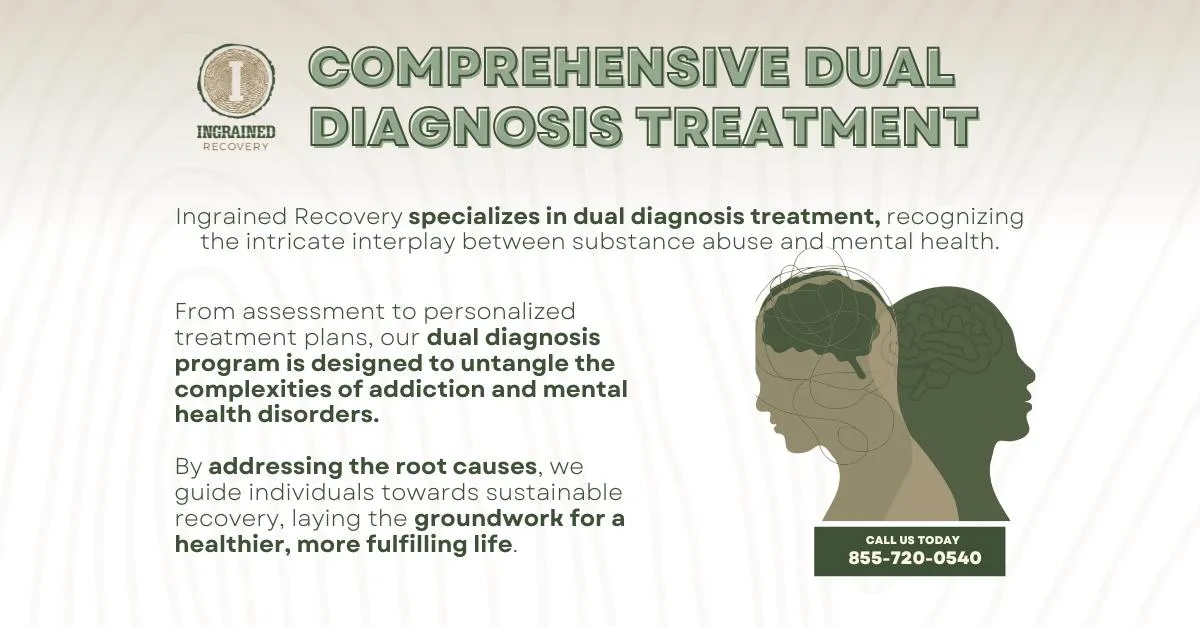
One of the key benefits of dual-diagnosis modalities is the ability to address the root causes of addiction. Treating the surface symptoms as opposed to the addiction itself is a recipe for a subsequent trip back to substance abuse rehab or counseling. Treating mental health disorders and addiction as co-occurring disorders – as in simultaneously, rather than separately, produces a more viable, long-term solution instead of a short-term relief.
Furthermore, a dual-diagnosis treatment program like Ingrained Recovery provides a supportive and understanding environment. Rather than steer more toward one side or the other – Ingrained Recovery takes a comprehensive approach to client therapy, opting for a powerful combination that leverages the best of holistic and evidence-based approaches.
In fact, holistic treatment is more widely accepted now than ever before – and yields enough successful results to be considered evidence-based in its own right. By combining the most up-to-date methods with tried and true therapeutic options, we’re able to create a unique path to healing for every client on a case-by-case basis. At Ingrained Recovery, we treat the root cause and not the symptom, increasing the chances of long-term recovery.
Let’s take a look at how our array of treatment programs at Ingrained combines holistic mental health approaches and specialized therapies to create a dual diagnosis strategy that treats both your mental health condition and substance use disorder.
Dual Diagnosis Treatment Centers Georgia: Ingrained Leads the Way
Many times, when someone has a mental health disorder or mental illness, the client is not acutely aware of the presence of their mental health symptoms.
This is especially true in the case of a dual diagnosis. It might seem contrary, as the client is using a substance to remedy the mental health disorder – but this is often an involuntary action taking place. This is what makes it so difficult to treat dual diagnosis.
Since it’s become a subconscious issue, it must be treated in a more natural, subconscious way.
Holistic methods for dual diagnosis embrace the concept that true healing encompasses the mind, body, and spirit. While evidence-based behavioral techniques certainly have their place in the treatment of co-occurring disorders, holistic therapies offer a complementary and sometimes more effective approach for many individuals.
Common Dual Diagnoses We Treat
Both substance use and mental health disorders can be unique to the individual experiencing them. This means that the exact dual diagnosis a person may be experiencing will often differ from other clients in our care.
With that said, there are a few common co-occurring disorders that we offer treatment for in our dual diagnosis program. These include:
- Depression and alcohol
- Anxiety and benzodiazepines
- Meth and bipolar or meth and psychosis
- Chronic pain and opioids
- Depressive disorders and bipolar and cocaine
These are just a few examples of the co-occurring issues we offer help for. If you or a loved one is struggling with a dual diagnosis, we are here to offer the compassionate care necessary to achieve lasting recovery.
Tailor-Made Treatment Plans
One of the core principles of holistic therapy is the recognition that healing is not a one-size-fits-all process. It emphasizes the individual’s unique needs and the importance of addressing the underlying causes of their addiction and mental health issues. Holistic approaches for mental health care often include a combination of various therapies such as meditation, yoga, acupuncture, art therapy, and mindfulness practices.
At Ingrained Recovery in Eastman, we rely heavily on equine therapy, along with other powerful evidence-based treatment methods, to combat dual diagnosis challenges and bring clients long-lasting results that align with client goals.
Dual Diagnosis and Meditation

Meditation, for instance, can help clients gain better control over their thoughts and emotions, reducing anxiety and stress, which are common triggers for both addiction and mental health disorders. Yoga promotes physical and mental well-being, improving self-esteem and fostering a sense of balance. Art therapy work and practices provide a non-verbal outlet for clients’ emotions, allowing them to express and identify thought patterns and feelings in a similar way to behavioral therapy.
Simply put, holistic therapy recognizes the role of the spirit in the dual diagnosis healing process. This doesn’t require religious beliefs – although it can – but rather a sense of purpose, inner peace, and self-connection. By allowing clients to reconnect with their inner selves, holistic therapy encourages a deeper understanding of one’s identity, values, and aspirations.
Dual Diagnosis Treatment and Finding Yourself
You may have heard those with substance abuse or mental health issues speak about “losing their true selves” or “not knowing who they are” any longer. This can be a scary and demoralizing feeling. However, it doesn’t have to be permanent.
This helps accomplish the important goal of “finding yourself” during dual diagnosis treatment. Incorporating holistic methods into dual-diagnosis treatment can lead to a more profound and lasting transformation.
As a part of 12 step facilitation therapy or simply as a peer support offering, many people with co-occurring disorders turn to Dual Recovery Anonymous for help from those who have been down the same road.
Just as with AA and SMART Recovery, peer support is about helping you overcome immediate challenges and embarking on a journey of self-discovery and personal growth.
7 Benefits of Equine Therapy for Dual Diagnosis Treatment in GA
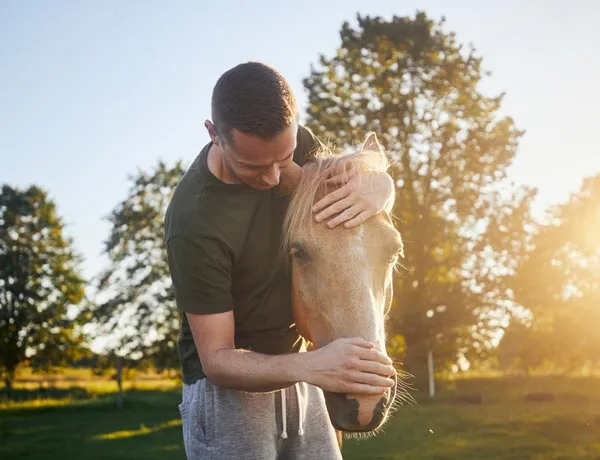
An integral part of Ingrained Recovery is our equine therapy program. Because equine therapy is a holistic, more unorthodox type of treatment – many of those close to mental health and addiction treatment are unfamiliar with its benefits. It certainly hasn’t been a standard form of care in the context of dual diagnosis treatment.
Equine-assisted therapy, better known as equine therapy, has gained steam as a holistic approach in the context of dual diagnosis treatment. This form of mental illness treatment involves interactions with horses under the guidance of trained professionals. It’s been making waves in the mental illness and substance abuse treatment world, primarily because of its impact in the following areas:

1) Making Emotional Connections
Many people who suffer from behavioral health problems often report a mental or emotional disconnect from people. Horses are extremely intuitive, and many believe they’re able to sense and react to human emotions.
For those who struggle with the ability to regulate their emotions, this can have an unprecedented impact. This interaction leads them to remain more aware of their feelings, emotions, and behaviors – resulting in more efficient management of their reactions.
2) Trust Factor and Communication
Gaining the trust of a horse is no easy task. It requires the construction of a relationship and crystal-clear communication. Many people who suffer from dual diagnosis and co-occurring disorders often struggle with severed communication and a lack of trust because of their mental illness or substance misuse challenges.
Equine therapy allows clients to rebuild these essential skills – including clear communication, outlining boundaries, and building trust and rapport – with the animal and themselves.
3) Confidence and Self-Esteem
Accomplishing something as simple as being able to care for a horse can deliver a significant boost in self-esteem. Many clients who suffer from co-occurring disorders have a difficult time managing their lack of self-esteem or confidence, leading to deeper levels of abuse.
However, as clients continue to accomplish and learn steps to care for and train their horses, they gain confidence and self-esteem in multiple areas.
Up to 100% of Treatment Costs Covered by Insurance
4) Remaining In the Present
Equine therapy is based on teaching clients to remain in the present moment and not let their emotions or fears get the best of them. Training and caring for a horse require an acute awareness of your actions, surroundings, and small nuances in the horse’s behaviors. Dealing with co-occurring disorders in an effective way also requires managing racing thoughts, anxieties, and the triggers and signs that these situations are developing.
5) Non-Verbal Communication
Horses don’t directly respond to a verbal command the same way another human or even a dog would. Learning how to convey what you’re feeling through body language can not only help you read other people but also become aware of what your own non-verbal cues consist of, helping you to keep your emotions in check and focus on the true intention of the message you’d like to send.
6) Effectiveness in Treating Bipolar Disorder and PTSD
Clients who suffer from bipolar disorder often find their emotions in a constant state of flux, unable to control a wide swing of thoughts, behaviors, and feelings. This can lead to self-medication in many cases, especially when traditional pharma-therapy has run its course with less than favorable results.
Equine therapy can help clients to adopt a more level balance of these emotions in an effort to successfully train and care for these emotionally-sensitive animals. Clients are often able to carry over the techniques they use during equine therapy into their daily lives after completing inpatient treatment.
7) Calming Anxiety as a Form of Mental Health Disorders
The calming properties of caring for a horse can have a profound impact on anxiety disorder in addition to substance abuse challenges.
Using equine therapy as a remedy for co-occurring substance abuse disorders can be just as powerful as treatment from a counselor in the form of dialectical behavior therapy.
These are the strides Ingrained Recovery is making daily – finding ways to replicate results from strategies like dialectical behavior therapy and cognitive behavioral therapy using a new and groundbreaking holistic dual diagnosis program – in the solitude of Eastman, Georgia.
Find Dual Diagnosis Support At Ingrained Recovery
Get Treatment Services for Dual Diagnoses at Ingrained
At Ingrained Recovery, we’re working hard daily to deliver clients more efficient, reliable strategies to combat substance abuse and avoid relapse If you or your loved one has struggled with substance abuse in the past and found little to no relief with other attempts at rehab, or you’ve recently been diagnosed with a mental health disorder after an extended period of drug abuse, there’s light at the end of the tunnel.
Ingrained Recovery helps clients in your position overcome the same challenges daily, and we’re waiting to help more clients just like you achieve lasting recovery. To find out more about how our residential treatment centers can help you or your loved one navigate the journey to long-term recovery, reach out today to a member of our admissions team!