When you're struggling with addiction, meaningful connections often feel impossible. Years of substance use can erode trust, damage relationships, and leave you feeling isolated from both people and your own emotions. Traditional talk therapy, while valuable, sometimes isn't enough to break through the walls that addiction builds around your heart.
This is where the profound healing power of equine therapy comes in: and why residential treatment creates the perfect environment for this transformative work.
The Struggle: When Human Connections Feel Broken
After months or years of addiction, many people find themselves unable to form authentic connections. The shame, guilt, and defensive behaviors that come with substance use create barriers that feel insurmountable. You may have hurt people you love, broken promises repeatedly, or simply lost the ability to trust yourself and others.
In outpatient settings, you might attend therapy sessions twice a week, but then return to the same environment where these patterns developed. There's limited time to practice new ways of connecting, and the familiar triggers immediately pull you back into old behaviors.
The Realization: Why Traditional Settings Aren't Enough for Deep Healing
Equine therapy isn't just about spending time with horses: it's about rebuilding your capacity for honest, vulnerable connection. Horses are incredibly sensitive to human emotions and energy. They respond to what you're actually feeling, not what you're trying to project. This creates an environment where authenticity becomes necessary, not optional.
However, this kind of deep emotional work requires:
- Consistent daily practice to build new neural pathways
- Freedom from external pressures that trigger defensive responses
- Time to process intense emotions that surface during sessions
- A safe environment where vulnerability feels possible
- Professional support to navigate breakthroughs and setbacks
These conditions are nearly impossible to create while managing work, family responsibilities, and the chaos of active addiction recovery in your regular environment.
The Turning Point: Why Residential Care Creates the Perfect Storm for Connection
Residential treatment provides the unique combination of time, structure, and safety that allows equine therapy to work at its deepest level. When you step away from your familiar environment and commit to 30, 60, or 90 days of focused healing, something remarkable happens.
Uninterrupted Time for Relationship Building
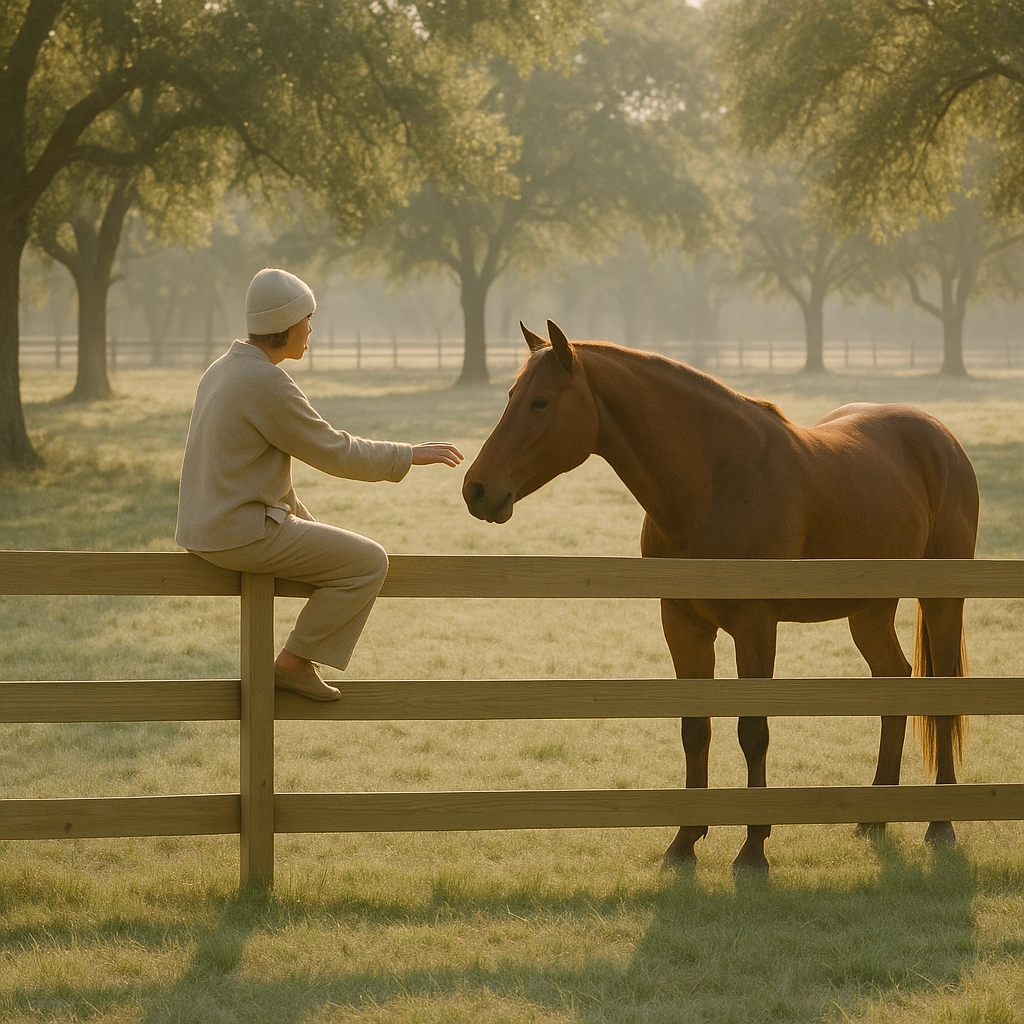
In residential treatment, you have daily opportunities to work with the horses. This consistency is crucial because trust: both with horses and humans: builds slowly, through repeated positive interactions. You can't rush the process of learning to be vulnerable again.
Each session builds on the last. Maybe on day three, a horse named Thunder finally approaches you. By day seven, you're leading him around the arena with confidence. By day fourteen, you realize you haven't thought about using substances during your time in the stables. This progression requires time that outpatient programs simply can't provide.
Freedom from Daily Triggers
When you're living in residential treatment, you're removed from the people, places, and situations that typically trigger your defensive responses. This creates space for the horses to meet the real you: not the version of yourself that's constantly managing stress, avoiding conflict, or numbing difficult emotions.
Without these external pressures, you can focus entirely on the present moment with your equine partner. This is where the magic happens: learning to be fully present, honest about your emotions, and responsive to another being's needs.
Professional Integration of Insights
Residential care means you have immediate access to therapists and counselors who can help you process what happens during equine sessions. If a horse's behavior triggers a memory about trust, you can explore that with your therapist that same day. If you have a breakthrough about vulnerability, you can discuss it in group therapy that evening.
This integration is crucial because equine therapy often brings up intense emotions and memories. Having professional support available 24/7 ensures you can work through these experiences safely and constructively.
The Science Behind Equine Connection in Residential Settings
Research shows that horses have a remarkable ability to mirror human emotional states and provide immediate feedback about authenticity. Their responses aren't clouded by words or social expectations: they simply react to the energy and intentions you bring to the interaction.
In a residential setting, this creates a unique laboratory for practicing new relationship skills:
- Non-verbal communication: Horses teach you to pay attention to body language and energy
- Boundary setting: You learn to be assertive without being aggressive
- Trust building: Small, consistent actions create safety for both you and the horse
- Emotional regulation: Horses won't approach if you're anxious or aggressive, teaching you to manage your internal state
These skills transfer directly to human relationships, but the learning process requires the time and safety that only residential care can provide.

What Daily Equine Therapy Looks Like in Residential Treatment
In upscale residential treatment programs, equine therapy becomes a regular part of your weekly routine. You might work with horses three times per week, with each session lasting 60-90 minutes. This consistent schedule allows for:
Progressive Skill Building
Week 1-2: Basic interaction and observation
You learn to approach horses safely, observe their behavior, and practice being present without agenda. Many people are surprised by how calming this feels.
Week 3-4: Groundwork and leading
You begin working with horses on basic exercises like leading, stopping, and turning. This teaches communication, patience, and trust-building.
Week 5-8: Advanced emotional work
Depending on your comfort level, you might engage in exercises specifically designed to address trauma, trust issues, or emotional regulation.
Integration with Traditional Therapy
Your residential treatment team works together to connect insights from equine therapy with your broader recovery goals. If working with horses reveals patterns about control or trust, those themes are explored in individual therapy and group sessions.
The Unique Advantages of Horses in Recovery
Horses offer something that human relationships often can't during early recovery: complete non-judgment combined with honest feedback. They don't care about your past mistakes or current struggles. They only respond to who you are in this moment.
This creates a safe space to practice:
- Being authentic without fear of judgment
- Setting healthy boundaries without guilt
- Asking for help when you need it
- Leading with confidence rather than control
- Staying present instead of escaping into fantasy
These skills are essential for sustainable recovery, but they're difficult to practice when you're managing the stress and triggers of everyday life.
Breaking Through Resistance in a Supportive Environment
Many people initially resist equine therapy, especially if they've never spent time around horses. Common concerns include:
- Fear of large animals
- Feeling silly or uncomfortable
- Skepticism about "alternative" therapies
- Concern about being vulnerable in front of others
Residential treatment provides the perfect environment to work through this resistance. You have time to observe others participating in equine sessions, talk through concerns with staff, and approach the experience at your own pace. There's no pressure to rush into anything, but there's also consistent gentle encouragement to try new things.
The supportive community of peers who are also exploring equine therapy creates additional motivation. When you see someone who was initially terrified of horses leading one confidently around the arena, it opens up possibilities you might not have considered.
Long-Term Benefits of Connecting with Horses During Residential Care
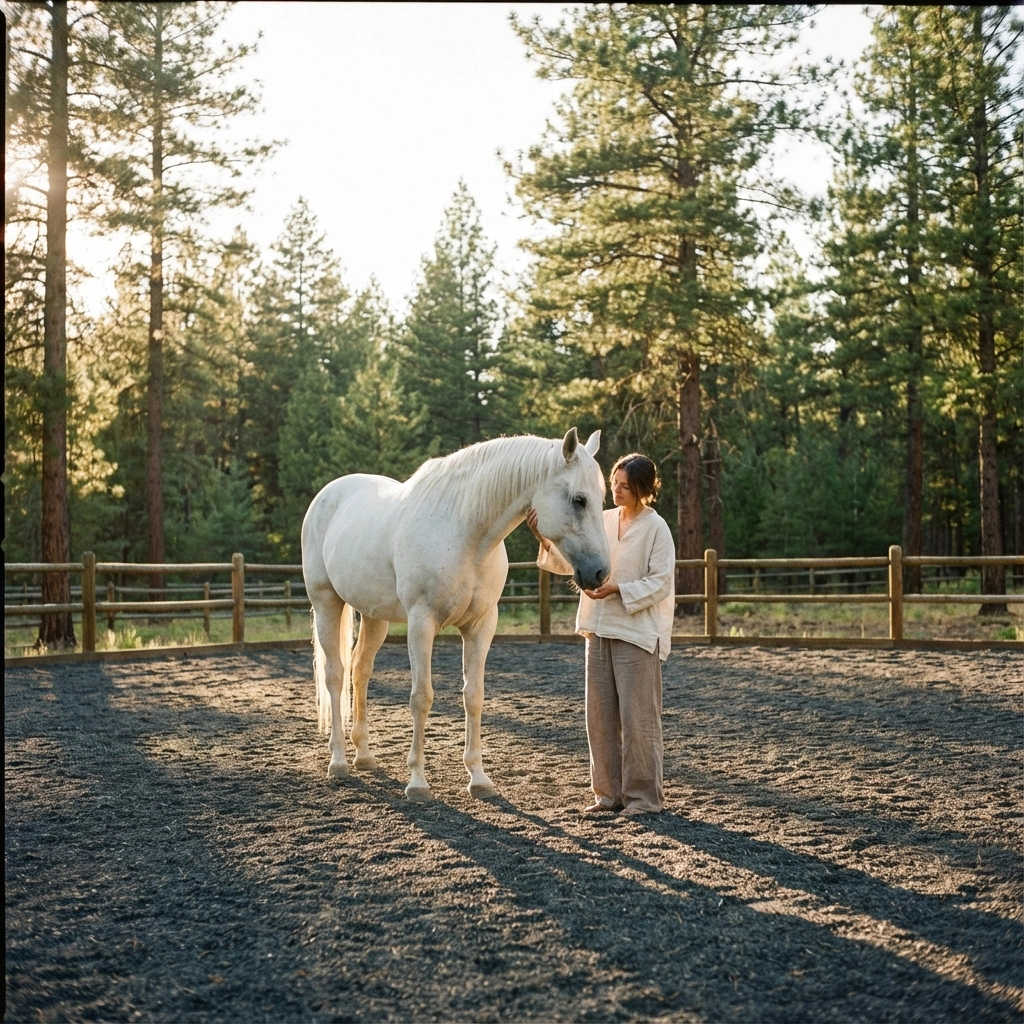
The relationship skills you develop with horses during residential treatment create a foundation for healthier human relationships throughout your recovery journey. Graduates often report:
- Improved ability to read social situations and respond appropriately
- Greater confidence in setting boundaries with family and friends
- Reduced anxiety in social situations
- Better emotional regulation during stressful interactions
- Increased empathy and patience with others' struggles
These benefits compound over time, supporting long-term sobriety and improved quality of life.
Take the First Step Toward Connection and Healing
If you're struggling with addiction and finding it difficult to connect with others: or yourself: residential treatment with equine therapy might be the turning point you've been seeking. The combination of time, safety, and professional support creates conditions where real healing becomes possible.
Don't let another day pass feeling isolated and disconnected. Talk with someone who understands what you're facing. Our admissions team can help you understand whether residential treatment with equine therapy is right for your situation.
Call Ingrained Recovery today to learn more about our comprehensive residential program and how equine therapy can be part of your healing journey. You don't have to navigate this alone: both our professional team and our gentle horses are here to support your recovery.
The herd is waiting to welcome you home to yourself. Take the first step toward authentic connection and lasting healing.
