You've tried to get clean before. Maybe you made it a week, maybe a month. But somehow, you found yourself back where you started: surrounded by the same triggers, the same stress, the same people and places that pulled you back into old patterns.
It's exhausting to feel like nothing sticks. The truth is, many people reach this point after trying to manage recovery while staying in their familiar environment. What you're experiencing isn't failure: it's the reality that meaningful change often requires stepping away from everything that reinforces the problem.
Why Your Environment Controls Your Recovery
Your brain is wired to associate specific places, people, and routines with using. Every corner of your usual world holds triggers you don't even realize are there. The stress of your daily commute. The bar you pass on the way to work. Even the couch where you used to drink or use.
Recovery isn't just about willpower: it's about giving your brain the space to rewire itself without constant interference. When you're trying to change fundamental patterns while surrounded by the same environmental cues, you're fighting an uphill battle that most people simply can't win on their own.
That's where a rural escape becomes more than just a change of scenery. It becomes a strategic advantage.
The Power of 50 Acres of Distance
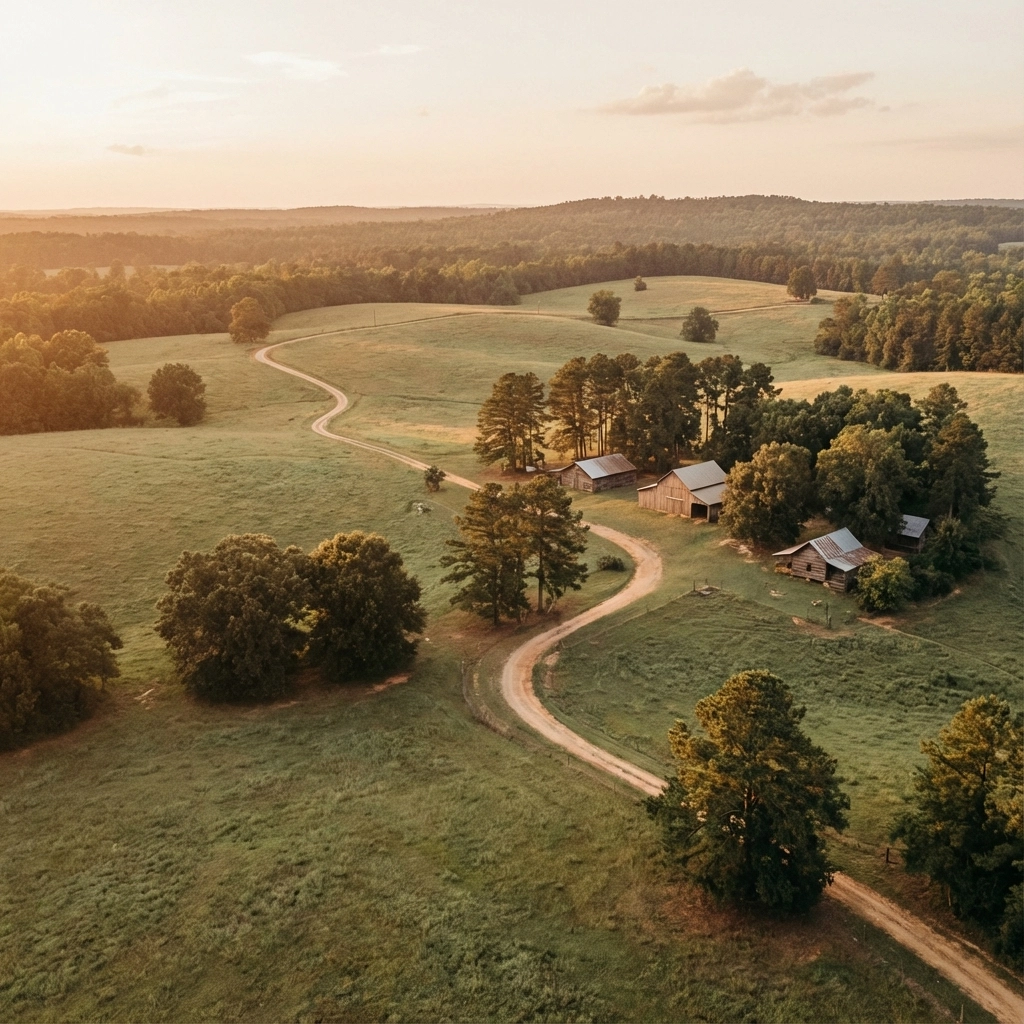
At Ingrained Recovery, our 50-acre campus in Eastman, Georgia isn't just beautiful: it's intentionally secluded. We're not hiding you away; we're creating the optimal conditions for your brain to focus on one thing: healing.
Here's what happens when you remove yourself from familiar triggers:
• Your stress hormones begin to regulate without constant environmental activation
• Sleep patterns improve in a peaceful setting free from urban noise and chaos
• Mental clarity increases when you're not constantly navigating familiar temptations
• Authentic self-reflection becomes possible without external distractions competing for your attention
• New, healthy routines take root in an environment designed specifically for recovery
The first 30 days of sobriety are when your brain is most vulnerable and most capable of change. This is when neural pathways are being rebuilt, when new habits are taking shape, and when the foundation for long-term recovery is established. You need an environment that supports this delicate process: not one that undermines it.
What Makes Rural Treatment Different
Silence That Heals
In the city, silence doesn't exist. There's always traffic, sirens, neighbors, construction: a constant low-level stress that keeps your nervous system activated. On our wooded campus, you'll hear birds, wind through the trees, and the kind of quiet that lets your mind actually rest.
This isn't just nice to have: it's clinically important. Your nervous system needs to downregulate from the hypervigilance that addiction creates. True quiet helps your body remember what calm feels like.
Space to Process Without Pressure
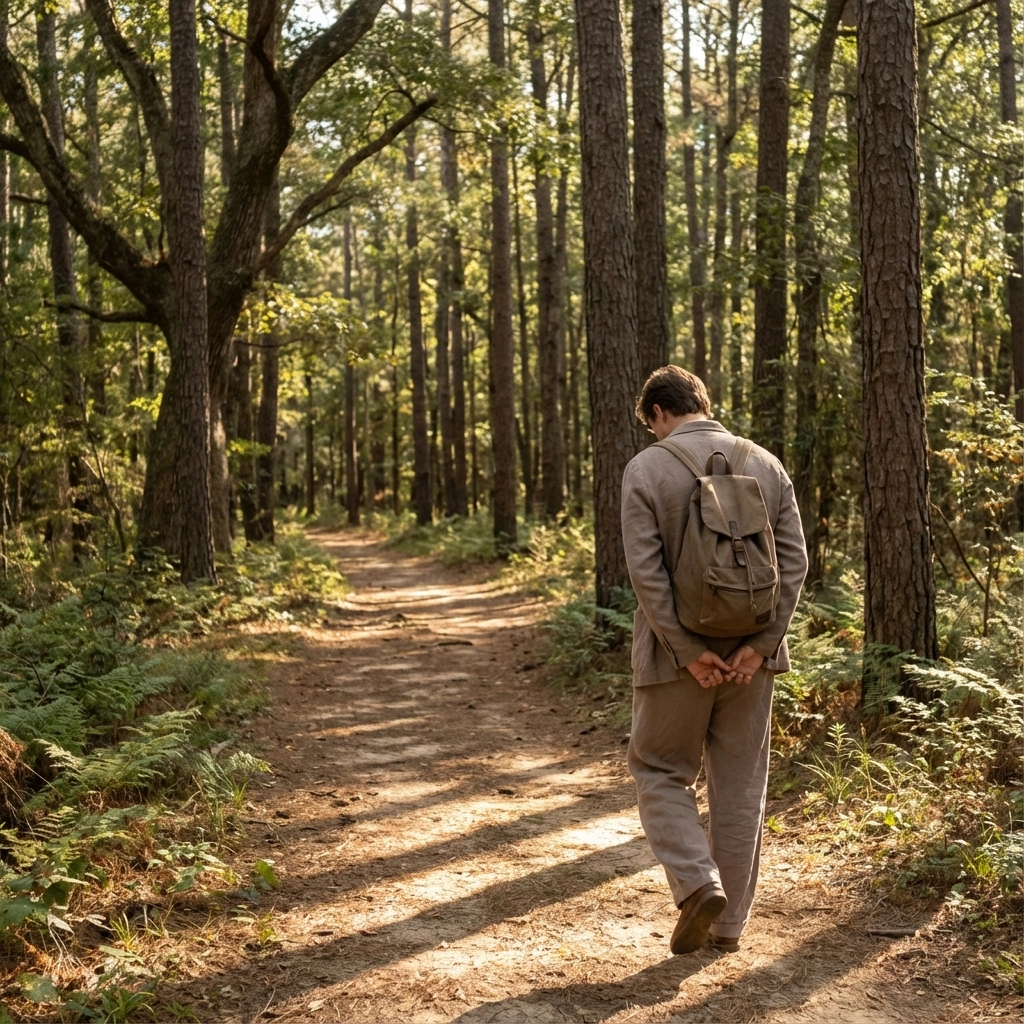
When you're crammed into a city facility with limited outdoor space, there's nowhere to go when emotions feel overwhelming. Our 50 acres give you room to walk, think, and process without feeling trapped or watched.
Some of our clients take long walks through the property when they're working through difficult memories or emotions. Others find a quiet spot under the Georgia pines to journal or just sit with their thoughts. This space isn't luxury: it's necessary for the kind of deep work recovery requires.
Freedom from Digital Overwhelm
Your phone has probably been both your connection to substances and your escape from reality. The constant notifications, social media triggers, and access to dealers or drinking buddies make early sobriety nearly impossible.
Our rural setting naturally limits these distractions. While we don't ban phones entirely, the environment encourages you to disconnect from the digital noise that often fuels addictive behaviors. Many clients tell us this digital break is one of the most valuable aspects of their stay.
Why the First 30 Days Require This Level of Protection
Your Brain Is Physically Changing
During the first month of sobriety, your brain is literally rewiring itself. Dopamine receptors are healing, neural pathways associated with substance use are weakening, and new connections are forming. This process is fragile and easily disrupted by familiar triggers.
Think of it like physical rehabilitation after surgery. You wouldn't try to run a marathon while your bones are still healing. Your brain deserves the same level of protection during early recovery.
Emotional Regulation Is Still Developing
Without substances to numb difficult emotions, everything feels intense during early sobriety. Anger, sadness, anxiety, and even joy can feel overwhelming. In a rural setting, you have space to experience these emotions without immediately reaching for a familiar coping mechanism.
Our clients often describe their first few weeks as emotionally raw but clearer than they've felt in years. The peaceful environment gives them room to feel without judgment or pressure to "get better faster."

The Clinical Advantage of Rural Residential Care
24/7 Medical Support in a Healing Environment
Medical detox and residential treatment work best when you don't have to worry about anything except getting better. Our rural campus provides medical supervision and clinical care in an environment that actually supports healing, not just manages symptoms.
You're not just checking a box or getting through a program: you're building the foundation for a completely different life. That requires time, space, and the highest level of clinical care.
Intensive Therapy Without Urban Distractions
When your therapy sessions aren't interrupted by car alarms or your mind isn't wandering to the bar down the street, you can engage in the deep work that actually creates change. Individual therapy, group sessions, and family work all become more effective when they're happening in a space designed for healing.
Structure That Supports Long-Term Change
Our rural environment allows us to create daily routines that support recovery without the chaos of city life disrupting progress. Meals, therapy sessions, and recreational activities all flow naturally in a setting where the only priority is your health.
What 30 Days of Rural Recovery Looks Like
Week 1-2: Stabilization and Safety
The first two weeks focus on medical stabilization, basic routine establishment, and beginning to feel safe in your own skin. The quiet environment helps your nervous system settle while clinical staff ensure you're physically stable and mentally ready for deeper work.
Week 3-4: Deep Work and Foundation Building
As your brain clears and emotional regulation improves, you'll engage in more intensive therapy work. This is when many clients tackle difficult family relationships, past trauma, or long-standing patterns. The rural setting provides the emotional safety to explore these issues without feeling exposed or vulnerable to outside judgment.

Building Skills for Real-World Application
By the end of 30 days, you'll have practiced new coping skills, established healthy routines, and rebuilt confidence in your ability to handle stress without substances. The peaceful environment has given your brain time to heal and your body time to remember what health feels like.
Why Distance from Home Creates Lasting Change
Breaking the Cycle of Familiar Patterns
When you stay close to home for treatment, it's easy to slip back into old routines during evening hours or weekends. Rural residential care creates a complete break from these patterns, allowing new ones to take root without competition from familiar triggers.
Time to Rebuild Relationships Intentionally
Family relationships often need healing, but that's hard to do when you're living in the middle of ongoing family stress. Distance allows you to work on these relationships in therapy first, then rebuild them from a position of strength rather than desperation.
Perspective That Only Comes with Space
Many clients tell us that getting away from their daily environment helped them see their addiction: and their life: more clearly than ever before. Sometimes you need physical distance to gain emotional clarity about what needs to change.
Ready to Take the First Step?
If you've been trying to get clean while staying in the same environment where your addiction developed, you're not failing: you're just using the wrong strategy. Recovery works best when people are removed from daily triggers and given space to focus entirely on healing.
Our 50-acre campus in Eastman, Georgia provides the peaceful, secure environment where lasting change becomes possible. With medical detox, residential treatment, and round-the-clock clinical support, we create the optimal conditions for your brain and body to heal.
Don't wait for the situation to get worse. The longer you stay in an environment that reinforces old patterns, the harder it becomes to break free.
Call us today to verify your insurance coverage and learn about same-day placement. Take the first step toward the kind of recovery that actually sticks: in a place designed specifically for healing.
Your new life is waiting. It just requires the courage to step away from the old one long enough to build it.
