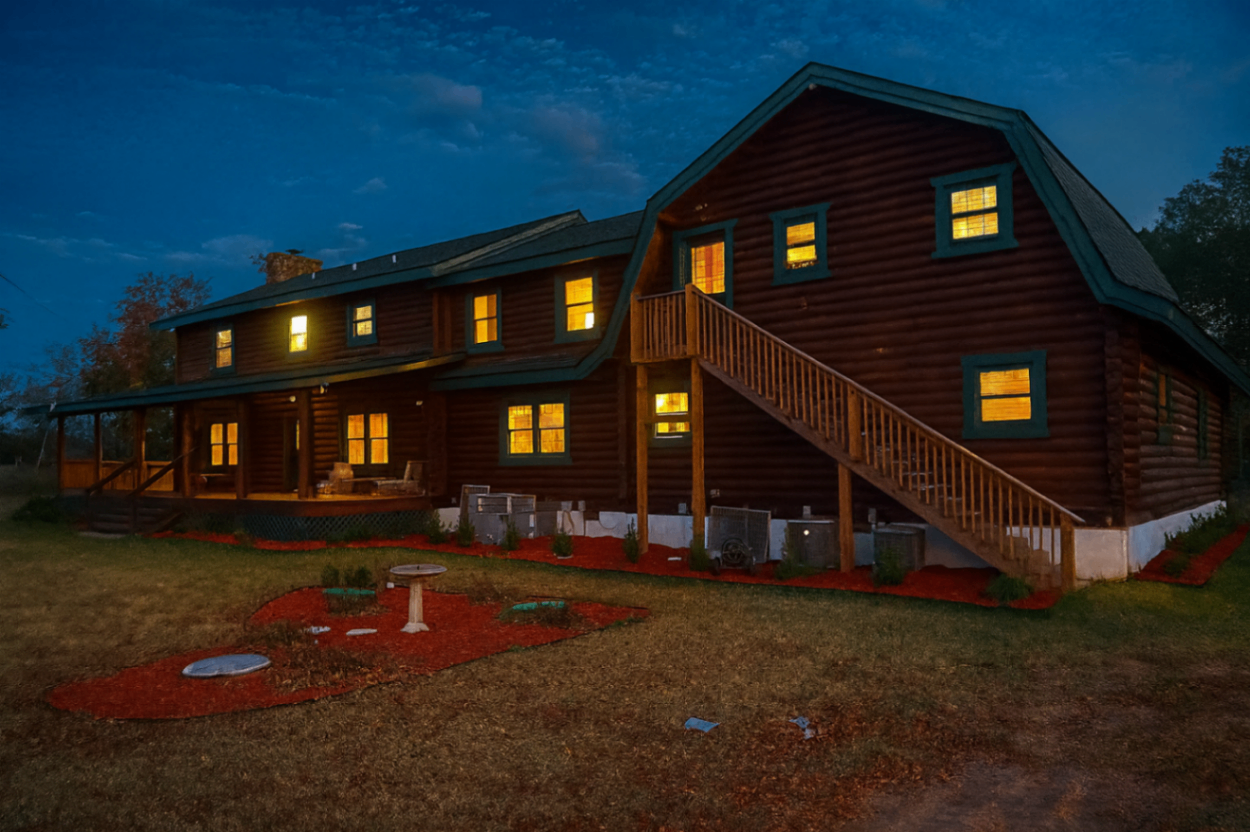
The drive away from our 50-acre facility hits differently than you expect. After 30, 60, or 90 days surrounded by woods, horses, and the quiet rhythm of structured recovery, the outside world feels loud again. Too bright. Too fast. Too full of the same triggers that brought you here in the first place.
We've watched thousands of people navigate this moment. Some white-knuckle it, thinking they just need to "stay strong." Others panic, convinced they're not ready. But here's what we've learned from running a residential program: leaving treatment isn't graduation: it's transition. And transitions require a different kind of support than what got you stable in the first place.
The Reality Check: Why "Just Stay Sober" Isn't Enough
Most people leave treatment with a toolkit of coping strategies, a handful of phone numbers, and genuine motivation to stay clean. That's not the problem. The problem is that life outside doesn't pause while you figure out how to use what you learned.
Your dealer's number is still in your phone. Your drinking buddies are still at the same bar. Your family still has the same unresolved issues that contributed to your using in the first place. The difference is that now you're supposed to handle all of this while rebuilding your life, finding new routines, and proving to everyone (including yourself) that this time is different.
We see this pattern repeatedly: people do well for the first few weeks, maybe even months. They follow their aftercare plan, attend meetings, check in regularly. Then life gets complicated: a job stress, a relationship issue, a family crisis: and suddenly the tools that worked in our controlled environment feel inadequate for real-world chaos.
This isn't a failure of willpower. It's what happens when you try to maintain recovery without the right support structure. And it's exactly why we built our aftercare program the way we did.
The Ingrained Difference: Support That Adapts to Your Life
When we designed our continuum of care, we didn't just think about getting people stable: we thought about keeping them stable. That means understanding that your needs six months after leaving residential are different from your needs in the first six weeks.
Immediate Transition Support (Days 1-30)
The first month after residential is when most people either find their footing or start sliding backward. You're dealing with reverse culture shock: adjusting to noise, crowds, and constant decision-making after weeks of structured simplicity.
Our immediate aftercare includes:
- Weekly check-ins with your primary therapist (not a random counselor who doesn't know your story)
- Access to our psychiatric team for medication adjustments as you navigate real-world stressors
- Crisis support line staffed by clinicians who understand our treatment approach
- Alumni peer support connecting you with graduates who've successfully navigated similar transitions
But here's what makes this different from typical aftercare: we don't just ask "How are you doing?" We ask specific questions about the situations we prepared for during residential. Are you sleeping? How are you handling grocery stores? What's happening with your family dynamics? These aren't casual check-ins: they're targeted support based on what we know trips people up.
Building Your Extended Support Network (Months 2-6)
Most aftercare programs taper off just when people need them most. We've found that months two through six are when the initial motivation fades and the real work of rebuilding begins. This is when you're facing job interviews, repairing relationships, and dealing with the accumulated consequences of your addiction.
Our extended support includes:
- Monthly group sessions with other alumni navigating similar challenges
- Family therapy continuation because your recovery affects everyone, and everyone's reaction affects your recovery
- Professional development support helping you rebuild your career or find new direction
- Relapse prevention planning that gets updated as your life circumstances change
The Alumni Network: Your Lifeline to the Ingrained Mindset
One of our strongest retention tools isn't clinical: it's community. Our alumni network isn't just a social club; it's a living reminder of what's possible when people commit to long-term recovery.

Every few months, we host alumni gatherings back on our property. People return to the same fire pit where they first started opening up, the same pastures where they learned to trust again during equine therapy sessions. They see our horses, walk our trails, and remember what it felt like to have space to think clearly.
But more importantly, they connect with others who understand the specific challenges of maintaining recovery in a world that doesn't always support it. These aren't theoretical support groups: they're relationships built on shared experience in the same physical space where everyone got their start.
Mentor Matching Program
We match newer alumni with graduates who have at least two years of sustained recovery. This isn't random pairing: we match based on similar backgrounds, career paths, or family situations. Your mentor understands not just addiction recovery, but the specific challenges of rebuilding the kind of life you're trying to create.
Your mentor has their sponsor or therapist. You have them. It creates accountability layers that extend far beyond any formal program.
The Ingrained Mindset: What You Take With You
During residential treatment, you absorbed more than coping strategies and therapy techniques. You absorbed a way of thinking that we call the "Ingrained mindset": the habits of thought and action that develop when you have time and space to get honest about what isn't working.
This mindset includes:
Radical honesty about what you can and cannot control. In our 50-acre environment, away from the constant noise of regular life, you learned to distinguish between the things you can influence and the things you need to accept. This clarity becomes essential when you're back in environments full of things you cannot control.
Comfort with seeking help before problems become crises. In residential, you learned that asking for support is a sign of wisdom, not weakness. Maintaining this attitude in the outside world: where independence is often valued over connection: requires intentional practice.
Understanding that recovery is a lifestyle, not a destination. The daily routines that supported your healing don't disappear because you left our facility. Morning meditation, regular exercise, honest conversation, and meaningful work remain the foundation of sustainable recovery.

When Life Gets Complicated: Crisis Support That Works
Even with the best planning, life happens. Job loss, family illness, relationship problems, unexpected triggers: these situations can overwhelm anyone, but they're particularly dangerous for people in early recovery.
Our crisis support isn't just a hotline. It's immediate access to clinicians who know your history, understand your triggers, and can help you navigate specific situations using the tools you developed during residential treatment.
More importantly, we can provide short-term intensive support when life gets overwhelming. This might mean additional therapy sessions, temporary medication adjustments, or even short-term readmission if necessary. The goal isn't to keep you dependent on our services: it's to provide the level of support you need when you need it, so temporary setbacks don't become permanent relapses.
Long-Term Success: What We Track and Why It Matters
We don't just measure success by sobriety days. We track quality of life indicators: stable housing, meaningful work, healthy relationships, financial stability, and overall life satisfaction. Because recovery isn't just about not using: it's about building a life you don't want to escape from.
Our one-year check-ins focus on these broader measures of stability. Are you sleeping well? Do you have people you can call when you're struggling? Are you engaged in work that feels meaningful? Do you have financial stability? These factors predict long-term recovery better than any clinical assessment.
Your Recovery Continues Here
The work you started in our residential program doesn't end when you leave. It evolves. The foundation you built in our quiet woods, with our horses and our team, becomes the base for everything you build next.
But you don't build it alone. Our aftercare support, alumni network, and crisis resources remain available as long as you need them. Because we've learned that recovery isn't a solo journey: it's a community effort that extends far beyond any single treatment episode.
If you're currently in treatment with us, start thinking now about what your transition will look like. If you're an alum reading this, remember that asking for continued support isn't moving backward: it's moving forward with wisdom.
Your recovery journey didn't end when you left Eastman. In many ways, it just began. And we're here to support every step of what comes next.
Ready to learn more about our aftercare and alumni services? Talk with someone who understands what you're facing. Call us at our main number or connect with our alumni coordinator. Your next chapter starts with a conversation.
