Experience the Healing Benefits of Horses at Ingrained
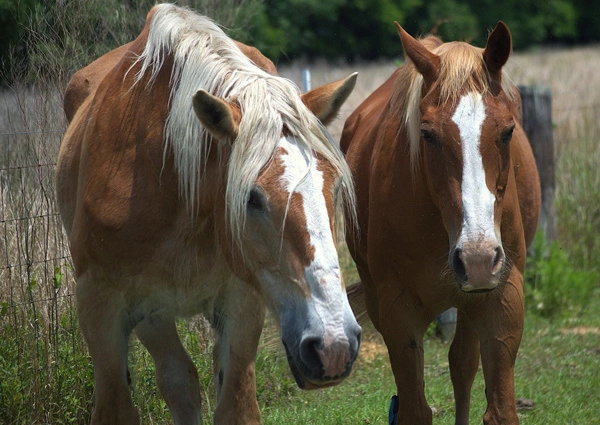
Equine-assisted therapy Georgia programs are closer than you might think. Picture this. You see a serene, still, and green landscape with no distractions but the sounds of birds happily chirping. Majestic horses calmly graze in the low-rolling countryside. The idyllic views are so beautiful that you must pinch yourself to see that it’s real. This stunning setting can be your new reality – healing with the support of equine-assisted psychotherapy.
This experiential approach gives you the best of two worlds. Here, you find proven techniques to heal substance use disorders and hope for a new beginning. This scene is horse therapy at Ingrained Recovery.
Our mental health professionals know that the trail to your new, sober life is as personal as the incidents that led you here. Equine Assisted Therapy (EAT) provides you with a remarkable approach. It’s a technique where the bonds you form with these noble creatures serve as a mirror to your inner self, fostering emotional growth and learning in the process.
The equine-assisted therapies will provide you with fresh insights and the ability to address emotional issues such as depression, anxiety, eating disorders, and addiction, promoting self-confidence and emotional growth.
You’ll also achieve breakthroughs that cannot be accomplished through conventional methods. Our horses are more than therapists. Rather, they are gentle guides who can lead you to a place of self-awareness without judging you.
Read to learn how to start this ride to restore your health in the rolling landscape of Eastman, Georgia at Ingrained!
Explore Equine Assisted Therapy at Ingrained Recovery!
Understanding Equine-Assisted Psychotherapy
EAT is a holistic trail ride that meshes your emotional and psychological health with the intuitive nature of horses. This therapeutic approach uses horses to promote human growth and healing.
Unlike traditional therapy settings, EAT takes place in a calming, natural setting, where the serene presence of horses (and certified instructors) plays a crucial role. A horse has incredible responsiveness to human emotions – ideal for healing from addiction and mental illnesses.
The principle behind EAT is that the bond between a person and a horse can facilitate wellness. Horses can mirror human emotions, providing immediate feedback on your actions or feelings.
This reflection helps people from all walks of life better understand their behaviors, emotions, and patterns, paving the way for meaningful change.
Ingrained Recovery’s equine-assisted therapy employs the OK Corral can help heal many issues. Working alongside our horses teaches you to build trust, develop social skills, and increase self-esteem. Each of these skills is, of course, a key to unlocking sobriety.
Learning the Benefits of Equine-Assisted Activities
The restorative power of Equine-assisted therapy shatters the limits of conventional counseling and psychological strategies. Our team has witnessed the considerable strides that EAT can provide in overcoming the following concerns:
- Mental health challenges
- Drug and alcohol addictions of all kinds
- Behavioral disorders
Equine interactions offer distinguishable advantages that contribute mightily to healing.
A Leading Alcohol and Drug Rehab With Horses as Therapy
One of the best benefits of EAT is its influence on emotional health. While both children and adults can benefit from equine therapy support, our programs at Ingrained serve adults only at this time.
For many people, regardless of their background, horses provide a safe space to open up and explore their vulnerabilities.
This interaction fosters a sense of acceptance and understanding needed when dealing with emotional trauma. Caring for and communicating with a horse can help develop emotional regulation.
A few of the conditions that benefit from equine-assisted activities for adults are:
- Depression: Treatment for depression means understanding your triggers and how to avoid them. EAT can assist with this self-discovery.
- Post-traumatic Stress Disorder: Horses can help discover new ways to cope with the root trauma. We often help veterans suffering from the pain encountered during military service.
- Generalized Anxiety Disorder: The calming nature of our gentle giants is incredibly calming. As you gain confidence, you’ll develop new tools to overcome anxiety.
- Alcohol and Substance Abuse Disorders: Whether you struggle with alcohol or drug abuse, the skills you master in EAT can help break the cycle of your substance abuse disorder.
- Healing After a Loss: Grief is a common reason clients develop behavioral health issues. Our horses can assist you in ending your daily suffering by finding healthier coping strategies.
- Eating Disorders: Working with the support of a horse can increase body acceptance and learning emotional regulation. You can have a more realistic body image and new relationship with food with the proper treatment program.
- Mental Health Disorders: Equine therapy is particularly effective for a wide range of mental health disorders, including serious mental illness, providing a unique environment for healing and emotional growth.
- Mental Health Problems: The holistic approach of EAT, combined with other experiential therapies, offers comprehensive support for those dealing with mental health problems, fostering a sense of well-being and self-worth.
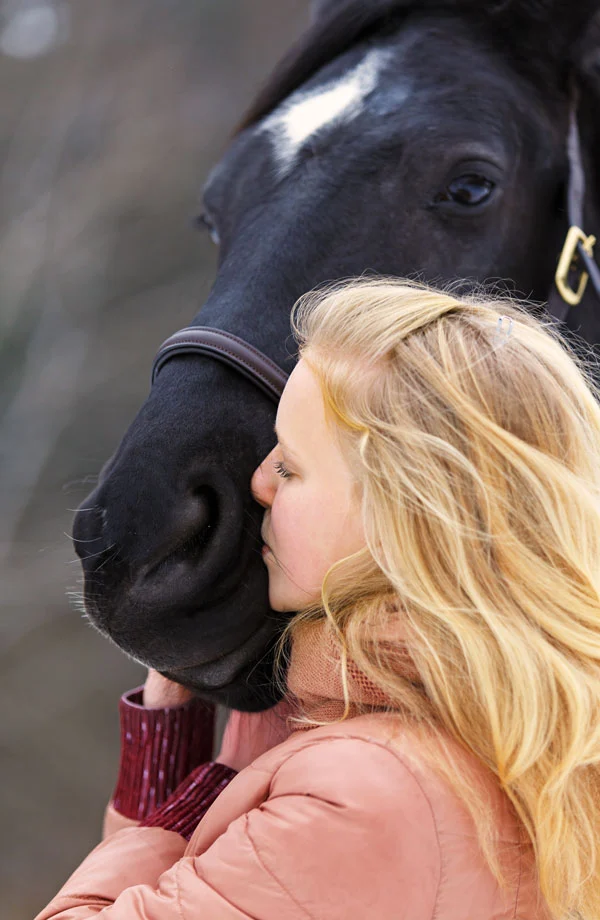
Do you struggle with mental health issues? Behavioral health concerns? Addictions? EAT can help. You don’t need to worry about human judgment and reactions with horses. You’ll discover a constructive path forward – a place where you feel free to express your most complex emotions in a supportive environment.
Dual Diagnosis and Horse-Assisted Therapy
Many adults find themselves in a tricky situation – a combination of two or more mental or behavioral health disorders. That scenario is called a dual diagnosis. Any client can have any combination of two or more of the conditions we listed in the section above. Indeed, it is more common than not that a client arrives in GA asking for help. After arriving at our clinic, clients frequently learn that the development of their addiction was because they were covering up another problem.
Learning they have an additional diagnosis often comes as a surprise to our clients. But it certainly explains why they need a helping hand. Our support – and those of our horse helpers – can get you back on the right path.
Understanding that you have a dual diagnosis helps in the development of a custom program that includes animal assisted therapy to help you heal the addiction and end your struggles.
Veterans Often Benefit From Our Horse Therapy Services
Veterans may seem tough on the exterior. After all, they’re trained to do battle. But even the VA admits that they often need support in building life skills when returning to their civilian lives. The transition is often a time of stress and strained relationships.
EAT can be an incredible tool for those veterans struggling with stress after service. Many of our success stories are veterans who found new hope through horses.
Building Self-Confidence and Self-Esteem with Horses
Working with equines demands assertiveness and self-awareness. You’ll grow more self-confident as you learn to lead, groom, and interact with these large animals. The sense of accomplishment from successful interactions with horses is empowering.
Support for Social Skills and Communication
Equine therapy is a good environment to improve your social skills and communication. You will learn to interpret and respond to a horse’s non-verbal cues.
In turn, EAT and equine therapy therapeutic riding (as a part of Hippotherapy) increases your ability to understand and communicate with humans. This skill is particularly beneficial if you have social anxiety or other difficulties in social settings. While EAT focuses on healing your mind, Hippotherapy focuses on healing your body.
Physical Health Benefits Working with a Horse
EAT requires a moderate amount of physical activity. Caring for a horse – grooming, walking, and riding the trails – can improve physical fitness. As you heal your mind from the grips of addiction, you’ll also start reclaiming physical health.
The advantages of Equine Assisted Therapy reach far and wide. Our program will fully focus on your psychological needs along with your physical well-being. At Ingrained Recovery, we can help you harness these rewards, making way for a clear path to a meaningful new life.
Find Hope And Help In Georgia At Ingrained Recovery.

The Ingrained Recovery Approach to Equine Assisted Therapy
Ingrained Recovery’s approach to EAT is holistic, incorporating experiential therapies such as equine therapy as part of a broader range of therapeutic activities. We integrate it seamlessly with our comprehensive addiction treatment plans, which include adventure and arts programs alongside equine therapy.
Our unique approach to EAT, as a core component of experiential therapies, is more than a therapy session. Instead, it is a transformative experience meeting the needs and challenges of each person we help, promoting healing, trust-building, developing coping skills, and gaining insight into behavior.
Using Equine Therapy for Addiction Recovery Success
We provide our clients (what other facilities might refer to as patients) with a range of EAT programs specifically intended for mental health and addiction recovery. These substance abuse treatment programs are designed to offer a specialized and individualized approach to healing.
But when you are not working with horses, you will also have some traditional treatment for a well-rounded experience at our residential treatment center.
Our treatment center includes the following additional treatment services:
- Individual therapy sessions
- Group therapy
- Family therapy
These specialized programs at our residential treatment center will touch on your trauma, relationship-building, communication skills, and self-esteem. Our treatment programs ensure you reap maximum rewards from spending time with the horses.
At both the detox and inpatient levels, our programs featuring equine therapies are covered by insurance in most cases, and exact details can be confirmed via a confidential call to our Admissions team.
Ingrained Recovery will help you lay a strong foundation by integrating proven traditional therapies with the magic of horses, offering a comprehensive care approach that includes a variety of therapies.
Qualifications of Equine Therapy Mental Health Professionals
Our team of EAT mental health professionals includes licensed therapists and well-experienced equine specialists.
Our mental health professionals are all skilled in their respective fields and understanding of human emotions and their role as our clients seek to overcome addiction.
They are also committed to helping you get well. They bring a wealth of knowledge in mental health, addiction recovery, and equine care. You will get the help you need in a safe, respectful, and effective therapeutic environment.
Working with an Equine Specialist Can Heal Your Family
What sets Ingrained Recovery apart in the field of EAT? Our EAT program takes a comprehensive approach that centers on your complete health. We recognize that real, lasting healing involves the mind, body, and spirit.
That is why our recovery center in Georgia goes beyond traditional offerings and seeks to address the underlying causes of alcohol and substance abuse.
As a result, your equine specialist does more than help you learn about horses. Instead, they assist clients as they translate horse interactions into life skills.
One of the greatest takeaways of our program is hope for restoring damaged relationships.
Equine assisted growth through holistic therapies in a core part of how we support the recovery process, and one our clients often embrace despite any initial misgivings
You start learning to build healthy relationships and families in this supportive environment. The horses live in a herd – often metaphors for families – the support system you’ll need to maintain sobriety.
Integrated Treatment Approach for Substance Use Disorders
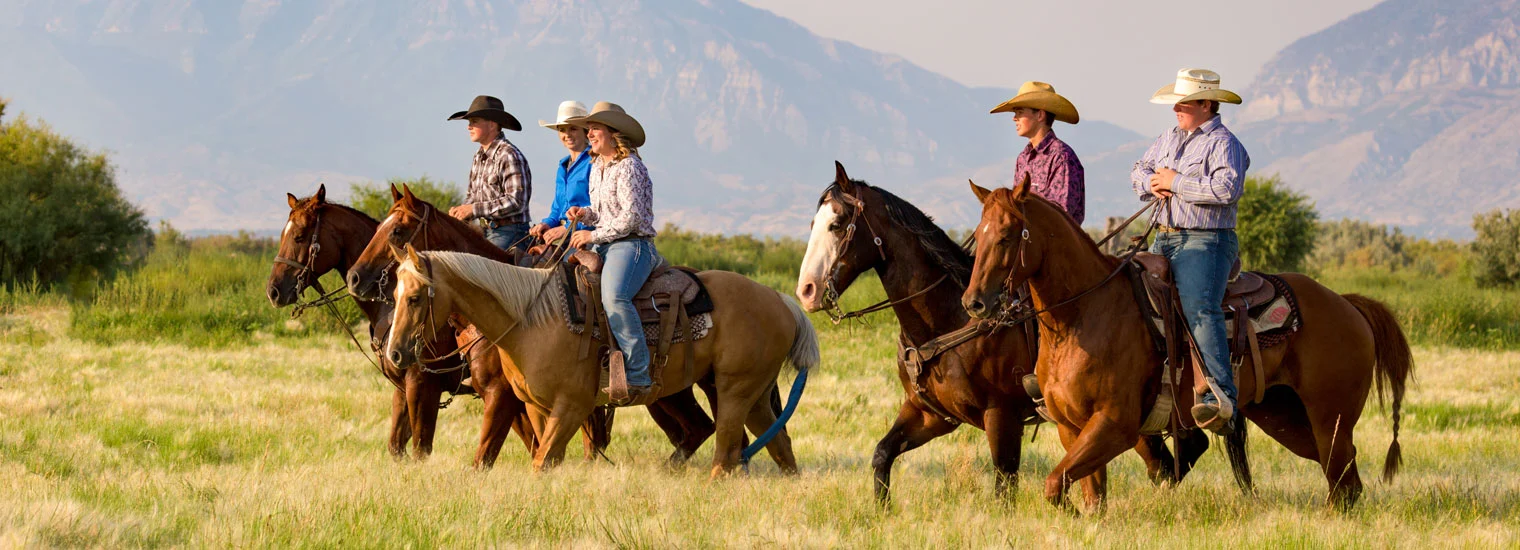
We emphasize the importance of an integrated treatment approach in addressing substance addiction. Our EAT offerings and equine assisted treatment program as a whole, seamlessly complements other therapeutic modalities in our drug rehab treatment.
Besides working with the horses, which aids in the development of trust and the identification and improvement of harmful behaviors associated with drug addiction, you’ll receive customized therapies.
These often include cognitive-behavioral therapy, mindfulness practices, and medical treatment, offering a comprehensive approach to heal in a safe environment. We provide you with well-rounded services that focus on the entirety of substance use disorders.
Choosing Ingrained Recovery gives you a path that addresses the challenges of addiction and mental health issues comprehensively. It also means personal growth, resilience, and a new zeal for life.
Get Solutions and Find Help at Ingrained Recovery Now
Start an Equine Therapy Program at Ingrained Recovery, Georgia
Equine-assisted therapy at Ingrained Recovery is a decision that has changed countless lives by ending struggles and suffering. And – even more – we transform your life, too!
Taking the first step can feel overwhelming. However, we make the process easy!
The first step is to reach out to us. Our dedicated staff is available to guide you through the enrollment process. Your free, confidential call is when we can discuss your challenges. We are diligent in trying to understand your situation. As a result of our individualized attention, we can ensure that our EAT program perfectly supports your recovery.
When you arrive at our GA facility, you start addressing the challenges of addiction or mental health. Additionally, you immediately start cracking open the stall door and finding a new, healthy way of life.
In this new life, balance, well-being, and inner peace are yours for the taking. We invite you to contact us today and discover how an Equine Assisted Therapy program can be an integral part of your journey to recovery and wellness.
We are here to help you heal – let’s connect and start your program today.