When you picture equine therapy, you might imagine someone riding a horse through a peaceful pasture: a calming, recreational experience that feels more like a break from treatment than actual therapy. But in residential treatment centers in Georgia and other high-level care facilities, equine-assisted therapy represents something far more sophisticated: a powerful clinical intervention that can breakthrough emotional barriers when traditional talk therapy alone isn't enough.
If you're considering residential treatment for yourself or a loved one, understanding the true scope of equine therapy can help you recognize why this specialized approach might be exactly what's needed to create lasting change.
The Reality of Equine-Assisted Therapy in Clinical Settings
Real equine-assisted therapy in residential treatment goes far beyond horseback riding. In fact, most therapeutic work happens entirely on the ground, where the most profound emotional breakthroughs often occur. Licensed therapists, equine specialists, and carefully selected horses work together to create a unique therapeutic environment where healing happens through interaction, observation, and trust-building exercises.
This isn't recreation disguised as treatment: it's a legitimate clinical modality that addresses trauma, addiction, and mental health challenges through carefully structured activities designed to mirror real-life relationship dynamics and emotional patterns.
Ground Work: Where the Real Therapy Happens
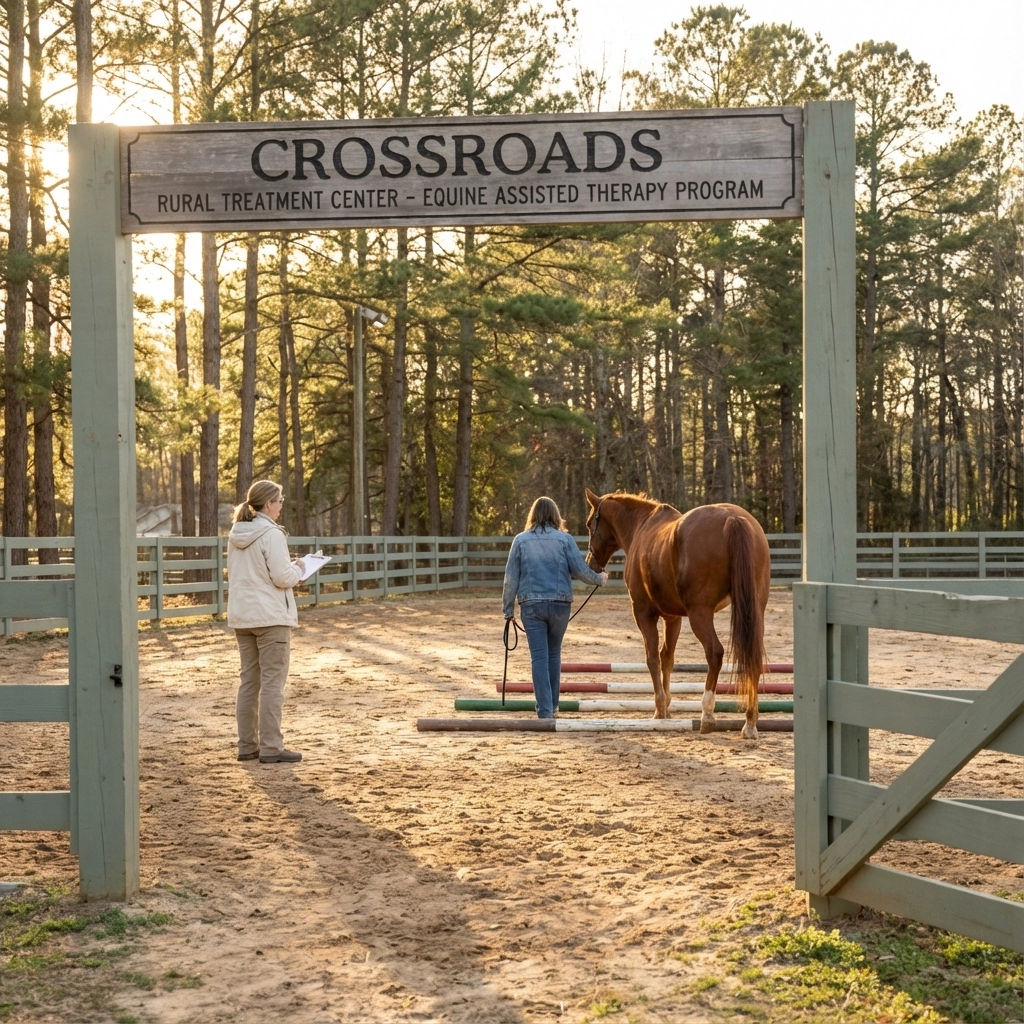
The most therapeutic aspects of equine-assisted therapy often take place with both feet firmly on the ground. Ground work involves activities like leading a horse through obstacles, grooming, or simply observing horse behavior: each designed to reveal important insights about your emotional patterns, communication style, and relationship dynamics.
Why Ground Work Matters More Than Riding
When you're working with a 1,200-pound animal that responds to your energy, body language, and emotional state, there's nowhere to hide. Horses are incredibly sensitive to human emotions: they can sense fear, anger, sadness, or anxiety before you might even recognize these feelings in yourself. This immediate feedback creates powerful opportunities for self-awareness and emotional growth.
In ground work exercises, you might discover that you approach the horse the same way you approach relationships in your life: perhaps with hesitation born from past trauma, or with control-seeking behavior that stems from addiction patterns. The horse's honest response gives you real-time feedback about these patterns in a way that's both gentle and undeniable.
The Clinical Framework Behind Equine Therapy
In residential treatment centers, equine-assisted therapy operates within a structured clinical framework. Licensed mental health professionals guide sessions with specific therapeutic goals, whether that's processing trauma, building emotional regulation skills, or developing healthier relationship patterns.
Trauma Processing Through Equine Interaction
For many people entering residential treatment, traditional talk therapy can feel overwhelming or triggering. Horses provide a non-threatening way to begin processing difficult emotions. Their large, calm presence can help you feel grounded while their sensitivity to your emotional state helps you recognize and work through feelings that might be too painful to address directly.
The process works because horses live entirely in the present moment. They don't judge your past or worry about your future: they respond only to who you are right now, in this moment. This can be incredibly healing for people carrying shame or guilt about their addiction or past trauma.
Building Trust and Emotional Regulation
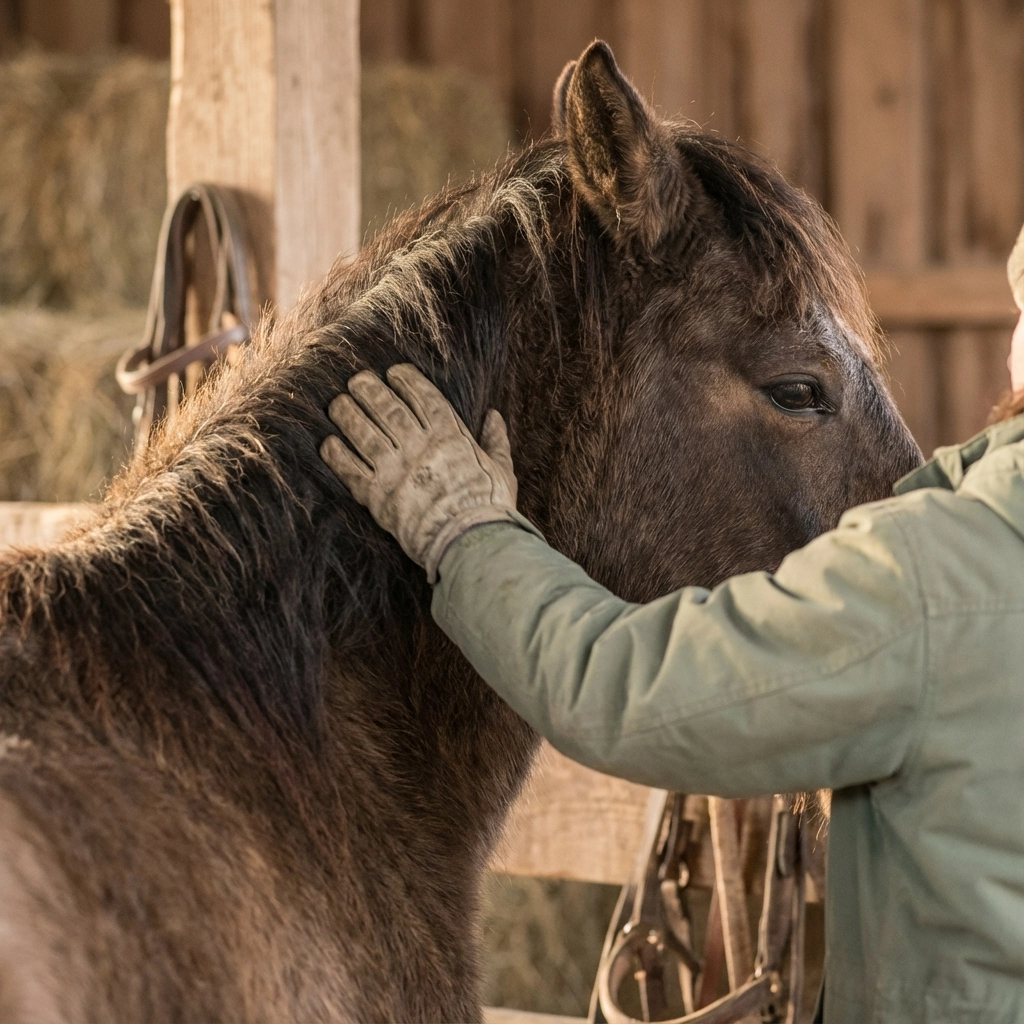
One of the most powerful aspects of equine-assisted therapy in residential treatment is how it rebuilds your capacity for trust and emotional regulation. Many people struggling with addiction or trauma have learned to disconnect from their emotions as a survival mechanism. Horses help you reconnect with these feelings in a safe, controlled environment.
Learning to Regulate Through Connection
When you're standing next to a horse, you quickly learn that your emotional state directly affects their behavior. If you're anxious or agitated, the horse will likely become restless. If you can find calm within yourself, the horse often mirrors that peaceful energy. This teaches you that you have more control over your emotional state than you might have realized: a crucial skill for long-term recovery.
This real-time feedback loop helps you practice emotional regulation in a way that feels natural and immediate. You're not just talking about managing emotions; you're actively learning to do it through your interaction with the horse.
Why Residential Treatment Enhances Equine Therapy
Equine-assisted therapy becomes even more powerful when it's part of a comprehensive residential treatment program. In a residential setting, you have time to process and integrate the insights you gain during equine sessions. You're not rushing back to the same environment and stressors that contributed to your addiction or mental health challenges.
The Power of Consistent Environment
In residential treatment centers in Georgia like Ingrained Recovery, you can engage in equine therapy as part of a broader healing process that includes individual therapy, group work, and other experiential therapies. This consistency allows for deeper therapeutic work because insights from your equine sessions can be explored and reinforced throughout your daily treatment experience.
The peaceful, rural setting also enhances the therapeutic value of equine work. Away from the noise and triggers of daily life, you can focus entirely on your healing process and the lessons your interactions with horses are teaching you.
Addressing Specific Therapeutic Goals
Professional equine-assisted therapy in residential settings addresses specific therapeutic objectives that align with your individual treatment plan. Whether you're working on trust issues, communication skills, or trauma processing, equine sessions are designed with clear clinical goals in mind.
Communication and Boundary Setting
Horses require clear, consistent communication. Working with them teaches you to be direct about your intentions and to maintain appropriate boundaries: skills that directly translate to healthier human relationships. If you struggle with codependency or people-pleasing behaviors, horses will teach you the importance of clear communication and personal boundaries.
Self-Efficacy and Confidence Building
Successfully completing tasks with horses: whether it's leading them through an obstacle course or simply earning their trust during grooming: builds genuine self-confidence. This isn't artificial praise or empty encouragement; it's real accomplishment that you can see and feel in the horse's response to your presence.

The Integration Process in High-Level Care
What makes equine-assisted therapy particularly effective in residential treatment is how insights from horse interactions are integrated into your broader therapeutic work. Your treatment team can help you understand how patterns that emerge during equine sessions relate to your addiction, trauma, or mental health challenges.
Processing Insights with Your Treatment Team
After equine sessions, you'll typically meet with your therapist to process what occurred and how it relates to your recovery goals. This integration ensures that the powerful moments of insight and connection you experience with horses become lasting changes in your thinking and behavior patterns.
The residential setting provides the time and therapeutic support necessary for this integration process. You're not just having meaningful experiences with horses; you're learning to apply the insights from those experiences to create lasting change in your life.
Taking the Next Step Toward Healing
If you're considering residential treatment and wondering whether equine-assisted therapy might be helpful, the most important step is to talk with professionals who understand both your specific situation and how equine therapy can address your therapeutic needs.
Equine-assisted therapy isn't right for everyone, but for many people struggling with addiction, trauma, or mental health challenges, it provides a unique pathway to healing that complements traditional therapeutic approaches. In the supportive environment of residential treatment, these powerful animal-assisted interventions can help you develop the emotional regulation, trust, and self-awareness necessary for lasting recovery.
Ready to explore whether equine-assisted therapy could be part of your healing journey? Our team at Ingrained Recovery understands how powerful these interventions can be when integrated into comprehensive residential treatment. We're here to answer your questions about our equine program and help you determine whether our approach aligns with your recovery needs.
Don't wait to get the support you deserve. Call us today to learn more about how our residential treatment program, including equine-assisted therapy, can provide the foundation for lasting change. Your healing journey deserves every tool available; and sometimes, that includes the wisdom of horses.
