
Clinically Reviewed By

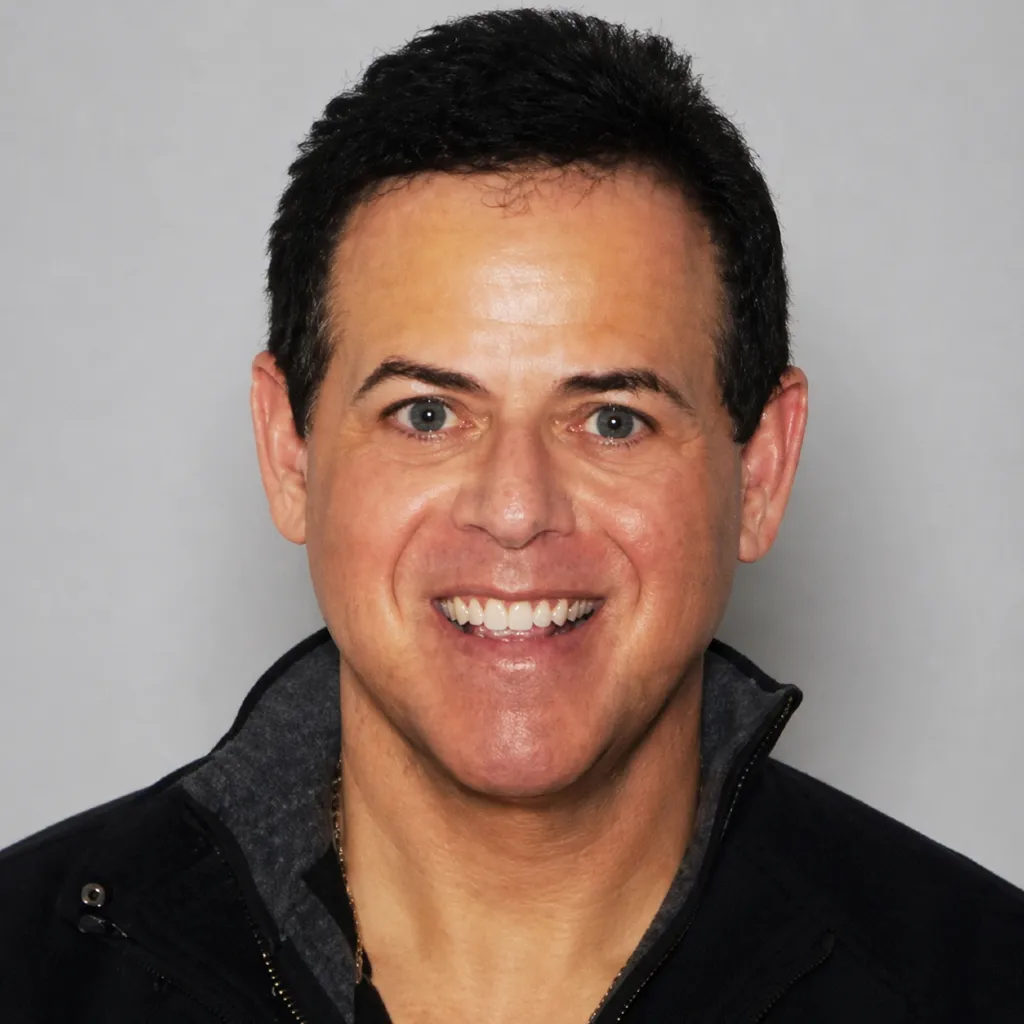
Christa Patterson, LMHC, is Clinical Director and reviewer for Ingrained Recovery in Eastman, Georgia.
Christa Patterson, LMHC, is a licensed mental health counselor with over a decade of experience in substance use and behavioral health treatment.
Insurance Accepted
Free Insurance Benefits Check
Call Ingrained Recovery’s admissions team to discuss potential benefits and out-of-pocket costs.
View Insurance InformationAsk our admissions team about privacy practices before sharing personal information.
Admissions
Contact Admissions
Our approach blends evidence‑based therapies with compassionate, personalized care.
Explore Insurance Benefits for Equine Therapy at Ingrained Recovery
In recent years, equine therapy has gained recognition as a powerful treatment for mental health and addiction recovery. At its core, equine-assisted psychotherapy leverages the unique bond between humans and horses to support emotional and psychological healing.
It is highly effective, especially when paired with comprehensive inpatient services. However, a common question arises: Does insurance cover equine therapy?
At Ingrained Recovery, equine therapy is part of our adult substance-use treatment, with support for co-occurring mental health needs. Working with horses offers a hands-on way to engage with your recovery.
Read on to learn more about equine-facilitated psychotherapy and your insurance coverage, and remember you can reach out to us at Ingrained Recovery at any time for more details on our programs and availability!
Does Your Insurance Cover Equine Therapy?
Free Insurance Benefits Check at Ingrained
National Equine Assisted Therapy Organizations Have Touted Horse Therapy
Many national organizations dedicated to advancing equine-assisted activities have used the therapeutic power of horses to help people with mental health challenges and addictions.
The various programs set and comply with national standards and best practices to ensure the highest quality of care. Organizations such as the Professional Association of Therapeutic Horsemanship International (PATH Intl.) help set these standards and provide accreditation to therapy centers.
Nationwide, equine-assisted psychotherapy addresses a variety of mental health issues, including:
- Post-traumatic stress disorder (PTSD)
- Substance use disorder (SUD)
- Anxiety and panic disorders
- Emotional disabilities and disorders
- Behavioral disorders
Once they connect with an equine specialist, individuals and families can achieve their recovery goals.
Besides mental illness and SUDs, other conditions served well by therapeutic horseback riding include visual impairments, autism, or other special needs.
What Is Equine Assisted Psychotherapy?

Equine therapy, aka horse-assisted therapy, uses therapeutic activities with horses to promote mental and emotional well-being. It includes various forms, such as Equine-Assisted Psychotherapy (EAP) and Equine-Assisted Learning (EAL), to address specific therapeutic goals.
The benefits of horse-assisted therapy are well-documented. Anticipated outcomes can range from improved emotional regulation from equine therapy and reduced anxiety to enhanced self-esteem and better coping strategies for addiction recovery.
The Core Types of Equine Therapy
- Equine-Assisted Psychotherapy: EAP addresses emotional and psychological issues through structured interactions with horses. Each activity is guided by a licensed therapist or mental health professional and creates trust between horses and humans.
- Equine-Assisted Learning: EAL helps develop life skills and personal growth through relationship-building activities with horses. The result is personal development and emotional healing.
Custom-designed programs at Ingrained Recovery allow our residential clients to work with the horses while also receiving other therapy while recovering.
Research Shows the Value of Equine-Assisted Therapy
A 2022 research paper shows how equine-assisted therapy shows great promise in healing substance use disorders. It notes how it can help with emotional control, self-esteem and self-confidence, and the restoration of physical health.
It also notes how participants receive the greatest benefits when an equine-assisted therapy session is guided by specialty therapists who can address all aspects of each individual’s unique, special needs.
This example is just one of many studies that show horse grooming and riding under the watch of an equine therapist can benefit inpatients.
Therapeutic Riding as an Inpatient Treatment Strategy
Equine-facilitated therapy is a core component of our inpatient services. Our sprawling property provides clients with a serene and supportive environment for clients to heal.
Integrated with other evidence-based therapies, equine therapy offers a comprehensive approach to addressing mental health and addiction issues. Our treatment plans are personalized; each client receives the specific support they need to achieve sustainable recovery.
What Are the Benefits of Equine-Facilitated Psychotherapy?

Inpatient clients benefit from the continuous support and structured environment of our equine therapy program. They participate in feeding, grooming, riding, and learning. Interacting each day with our horses helps clients develop trust, build self-confidence, and learn other essential skills.
Besides those mental health boosts, many riders say that riding is beneficial because it improves balance and coordination and can provide unique workout opportunities.
This experiential therapy is particularly effective in helping clients navigate the early stages of recovery, reducing the risk of relapse while promoting emotional growth.
Get Effective Detox and Rehab Options
Find Help At Ingrained Recovery
Using Insurance Coverage for Equine Therapy
Coverage for equine therapy depends on the specific plan and service. Ingrained Recovery accepts insurance, and our admissions team can help you explore your benefits before you make treatment plans.
Coverage for substance-use or mental health treatment does not by itself confirm coverage for equine therapy. Ask admissions to review how your plan may apply to treatment at Ingrained.
Bring your questions about the following to our admissions team:
- Type of Insurance Plan: Ask how your own plan may apply to the treatment being considered. Ingrained Recovery does not accept Medicare or Medicaid.
- Plan Details: Ask about benefits, limits and exclusions relevant to the services being considered.
- Medical Necessity: A recommendation for equine therapy does not confirm that your plan will cover it.
Common Insurance Policies and Equine-Assisted Psychotherapy

Different policies can raise different payment questions. Our admissions team can help you explore your benefits and discuss potential costs at Ingrained:
Private Insurance and Equine-Assisted Psychotherapy
If you have private insurance, admissions can review your benefits and discuss your questions about treatment at Ingrained.
Any authorization requirements need to be reviewed for your own plan and proposed care. A benefits check does not guarantee coverage, authorization or admission.
Insurance Guides for Your Coverage Questions
Your insurance card is a starting point for a conversation about treatment costs. Call admissions to discuss your plan and the services you are considering.
The guides below are a starting point for your questions. Ask admissions about your specific plan; inclusion here does not confirm equine-therapy coverage or network participation:
- Aetna
- Blue Cross Blue Shield
- Carelon (Beacon)
- Cigna
- GEHA (Government Employees)
- Optum
- UnitedHealthcare
- TRICARE
- Other plans: speak with admissions about your insurance
Call our admissions team at Ingrained Recovery for a no-charge benefits check and a conversation about potential costs.
Medicaid and Medicare and Working With Horses to Heal
Public-payer benefits should not be assumed to include equine therapy. Eligibility and service coverage need an individual review.
Ingrained Recovery does not accept Medicare or Medicaid. Call our admissions team to discuss treatment options and payment questions.
Disability Coverage and Horse Therapy
If disability benefits are part of your situation, bring your questions about treatment costs and insurance to our admissions team. An individual benefits review is needed before assuming that equine therapy is covered.
Is Equine Therapy Safe?

Equine therapy is widely regarded as a safe and beneficial treatment for adults (even children) dealing with physical and psychological disorders. The structured environment of equine therapy sessions supports the safety of both the human and the horse. Horse therapists control interactions carefully, creating a supportive atmosphere where individuals can experience the therapeutic benefits of working with a horse.
One of the key safety measures is the facility’s commercial equine package care. This comprehensive insurance policy covers liability, horse mortality, major medical expenses, and property, providing financial protection and peace of mind for equine therapy centers. This policy ensures that the facilities and horses are well-maintained. It also guarantees that any incidents are swiftly managed, contributing to a safe therapeutic environment.
Equine therapy offers numerous benefits that most feel outweigh any potential pitfalls. These include improved self-esteem, emotional regulation, and physical coordination. The horse riding sessions are engaging and non-threatening.
Horses allow adults to build trust and confidence in a controlled setting. The interaction with horses helps participants develop empathy, patience, and communication skills that lead to much-improved mental and emotional health.
Ingrained Recovery Can Help You Verify Insurance Benefits
You do not need to work through these questions alone. Our admissions team can help with a no-charge benefits check and discuss your next steps.
Call us today with your questions about insurance and treatment at Ingrained. We can discuss your plan, treatment options and potential costs so you can make an informed next step.
Let us help you explore your options and take the next step toward recovery.
We Accept Insurance
Find Help At Ingrained Recovery
Connect With Us to Explore Equine Therapy at Ingrained
If you are seeking help with drug or alcohol use and co-occurring mental health needs, we welcome your call. Ask about equine therapy as part of adult substance-use treatment and how your insurance may apply.
When you reach out to us, our admissions team can discuss program fit, current availability and your next steps. We look forward to helping you explore a path toward recovery.