When you're struggling with addiction, the concepts of patience and healthy boundaries can feel like foreign languages. You might find yourself stuck in cycles of instant gratification, people-pleasing, or swinging between rigid control and complete chaos. It's exhausting to navigate relationships when your internal compass feels broken, and even more overwhelming when you realize that learning these skills is essential for lasting recovery.
What many people don't expect is that some of the most profound teachers of patience and boundaries walk on four legs and communicate without saying a word. At our residential treatment facility, nestled on 50 acres of peaceful Georgia countryside, our resident horses have become unexpected mentors in the life skills training that forms the backbone of successful recovery.
The Mirror That Doesn't Lie
Horses possess an uncanny ability to reflect exactly what you're bringing to any interaction. Unlike humans, they don't have hidden agendas, manipulation tactics, or the ability to overlook dysfunction for the sake of politeness. When you approach a horse feeling anxious, scattered, or aggressive, they'll show you immediately through their body language and response.
This instant feedback becomes invaluable in a residential rehab setting where you're learning to rebuild your relationship with yourself and others. Many of our clients discover that their first interactions with our horses reveal patterns they've been unconscious of for years – the inability to stay present, the tendency to rush through important moments, or the habit of ignoring subtle warning signs before situations escalate.
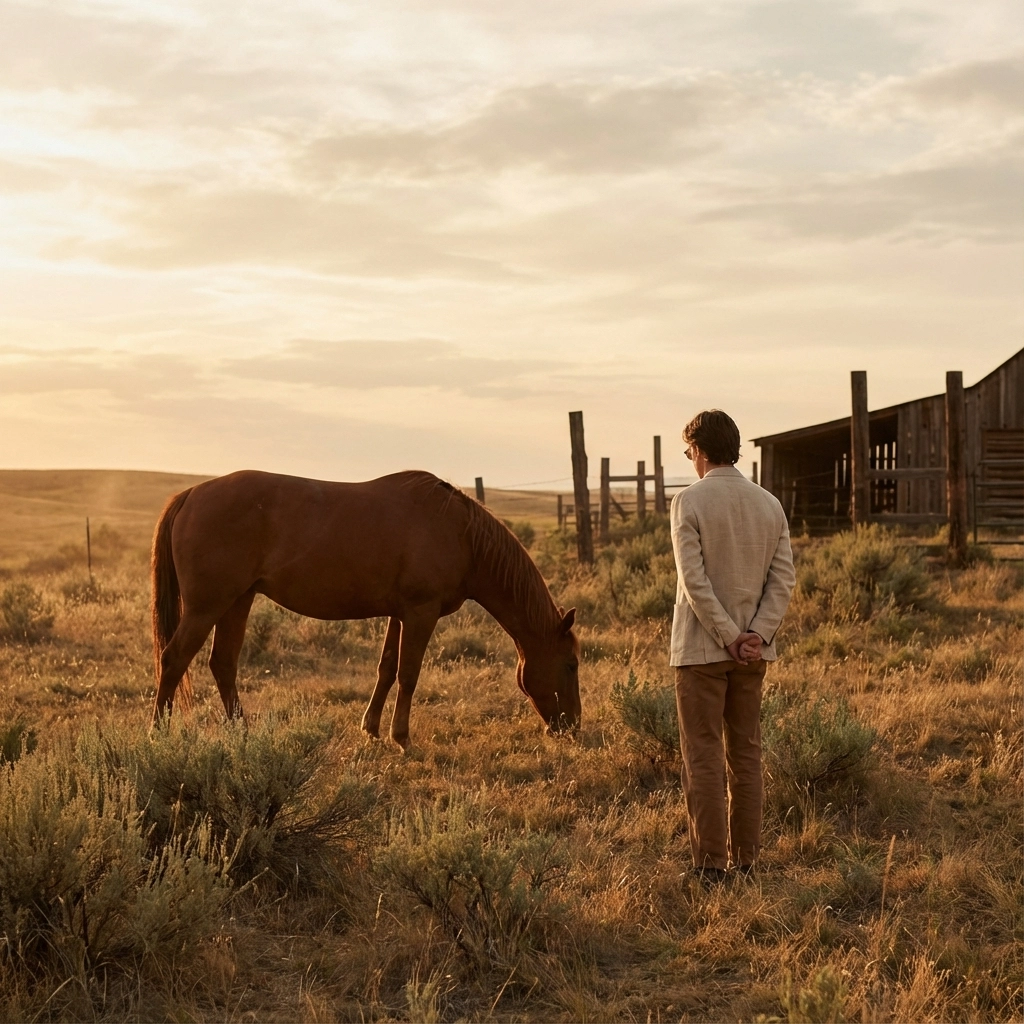
Sarah, who completed our program last year, described her first encounter with our gentle giant, Duke: "I walked up to him the same way I approached everything in my life – fast, loud, and expecting immediate results. Duke just turned his back on me and walked away. It was the first time I realized that my energy was pushing people away before I even opened my mouth."
Patience: The Foundation of Trust
Horses teach patience in the most organic way possible – they simply won't engage with you until you slow down and meet them where they are. There's no rushing a 1,200-pound animal who has decided you're moving too fast or bringing chaotic energy to the interaction.
In our equine-assisted therapy sessions, clients quickly learn that patience isn't passive waiting – it's active presence. True patience requires:
- Staying grounded in your body while allowing someone else to move at their own pace
- Reading non-verbal cues and adjusting your approach accordingly
- Maintaining calm energy even when things don't go according to your timeline
- Building trust slowly rather than demanding immediate connection
These skills directly translate to the relationships you'll need to repair and rebuild in recovery. The impatience that often drives addictive behavior – the need for instant relief, immediate gratification, or quick fixes – gets challenged every time you work with horses who operate on their own natural rhythm.
Boundaries: Clear, Kind, and Non-Negotiable
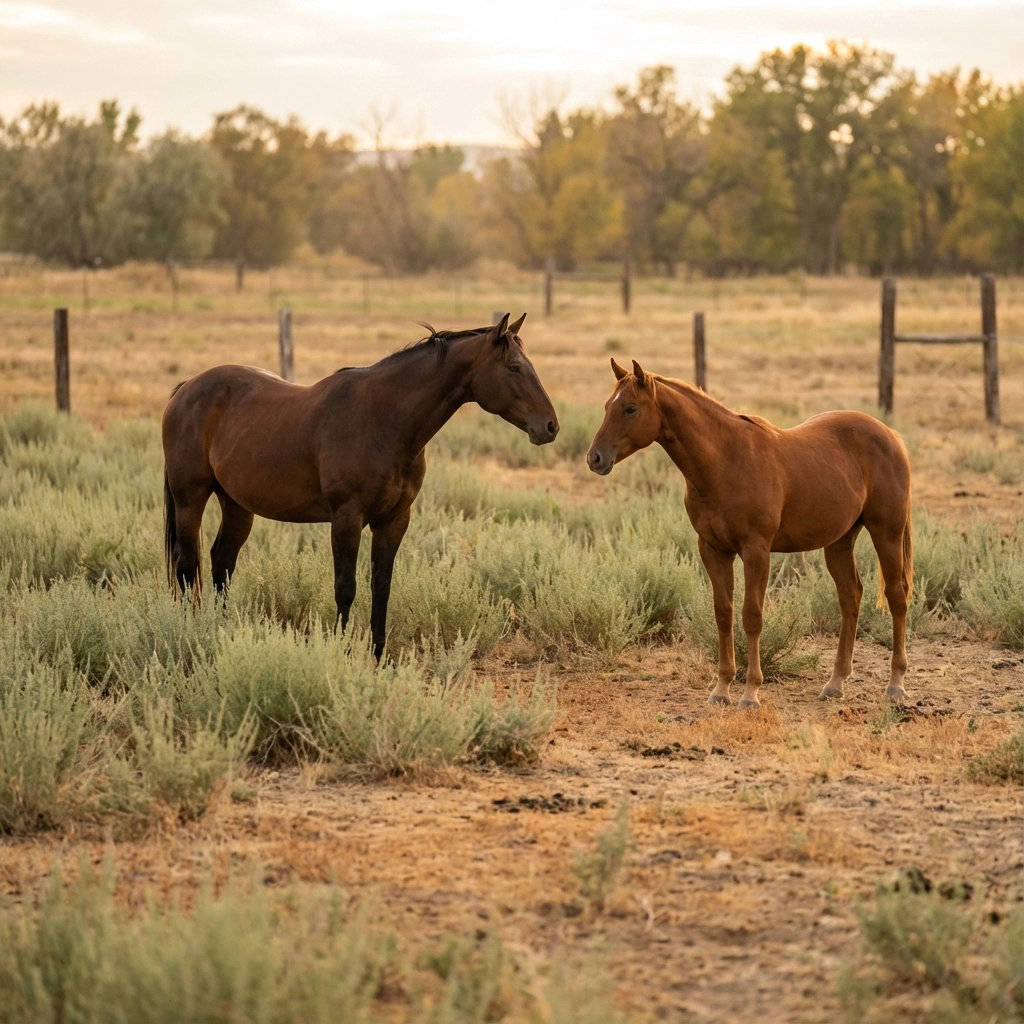
Perhaps the most powerful lessons our horses teach involve healthy boundary setting. Unlike humans, horses communicate their limits clearly and immediately. When a horse needs space, they don't hint, manipulate, or store up resentment – they communicate directly through body language, and if that's not respected, they escalate their communication just enough to be heard.
What's remarkable is that horses maintain connection while setting boundaries. They're not saying "I don't want to be in relationship with you" – they're saying "I want to be in relationship with you AND I need you to respect my space." This distinction is crucial for people in recovery who often struggle with all-or-nothing thinking around relationships.
The Horse Model of Healthy Boundaries
Our equine partners demonstrate several key principles of healthy boundary setting:
Immediate Communication: Horses address boundary violations in the moment, not hours or days later. They don't let resentment build up.
Proportional Response: They use the minimum energy necessary to communicate their needs, escalating only if the initial message isn't received.
Return to Neutral: Once the boundary is respected, horses don't punish or withdraw from the relationship – they simply return to connection.
Consistent Enforcement: Horses maintain their boundaries regardless of who is testing them or what mood they're in.
In our life skills training groups, we explore how these principles can transform the way you approach relationships in recovery. Many clients realize they've spent years either having no boundaries at all or creating walls so high that genuine connection becomes impossible.
Learning Leadership Without Control
Working with horses teaches a nuanced form of leadership that has nothing to do with domination or control. Instead, it's about creating a safe container within which another being can choose to cooperate and connect.
This lesson proves invaluable for people in recovery who may have confused control with safety, or who have swung between being controlling and being completely passive. Horses show you that true leadership involves:
- Creating safety through consistent, predictable behavior
- Offering clear communication about expectations and boundaries
- Following through on what you say you'll do
- Staying calm under pressure
- Earning respect rather than demanding it
These leadership skills become essential as you rebuild trust with family members, colleagues, and friends. The person who emerges from treatment needs to be someone others can rely on – not because they're controlling every outcome, but because they've learned to be trustworthy and consistent.
The Residential Advantage: Time and Space to Learn
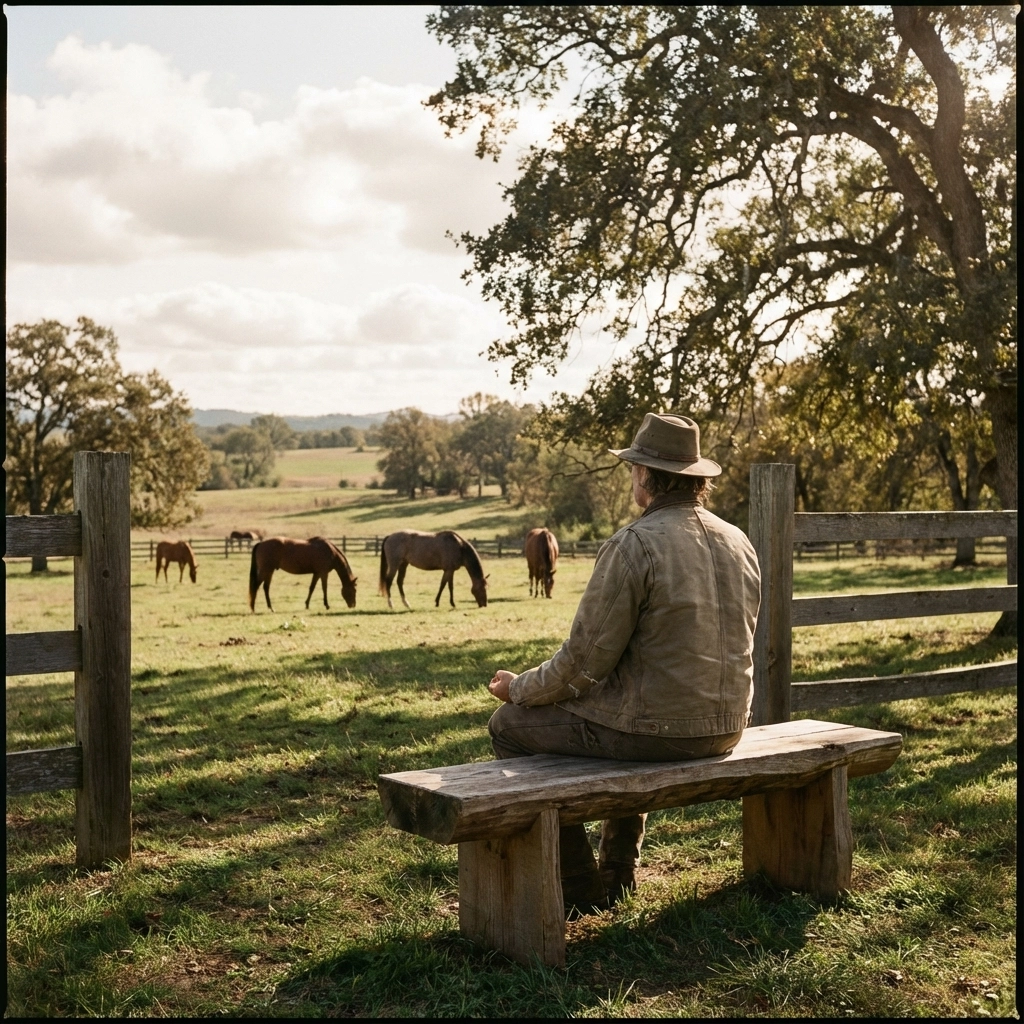
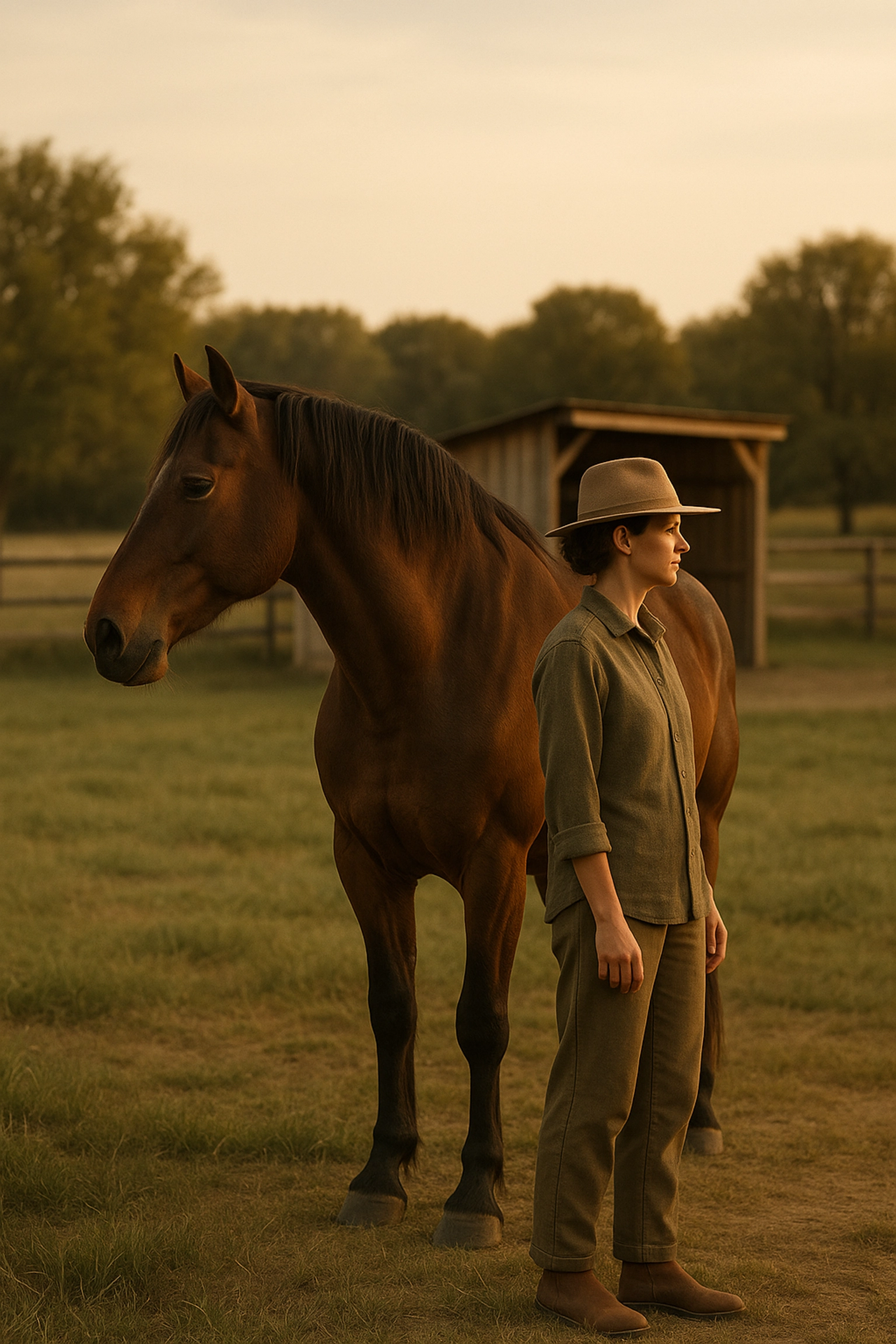
The profound lessons horses offer can't be rushed or squeezed into an hour-long session after work. In our residential rehab setting, you have the luxury of time – time to sit quietly with the horses, to observe their interactions with each other, and to practice these skills repeatedly without the pressure of returning to the same environment that contributed to your struggles.
Many clients spend their morning reflection time near the pastures, watching how our herd navigates conflict, establishes hierarchy, and maintains connection. These observations often lead to breakthrough moments in individual therapy sessions, where the parallels between horse behavior and healthy human relationships become clear.
The residential environment also allows for the integration of equine lessons into other aspects of treatment. The patience you practice with horses carries over into group therapy discussions. The boundary-setting skills you learn in the pasture get reinforced during family sessions. The leadership qualities you develop with our gentle giants become part of your discharge planning as you prepare to return home as a different version of yourself.
Beyond the Pasture: Integrating Lessons into Daily Life
The goal isn't to become a horse whisperer – it's to internalize the principles these remarkable animals teach so naturally. In our program, we help you identify specific ways to apply equine wisdom to real-world situations:
In Family Relationships: Using the horse model of clear, immediate communication instead of passive-aggressive patterns or explosive confrontations.
In Work Settings: Practicing the patience you've learned with horses when dealing with difficult colleagues or stressful deadlines.
In Dating and Friendships: Establishing boundaries that maintain connection rather than walls that prevent intimacy.
In Parenting: Leading through consistency and safety rather than control and fear.
The life skills training you receive in our residential program extends far beyond traditional therapy models. By working with horses, you're not just talking about healthy relationships – you're practicing them with beings who will give you immediate, honest feedback about how you're doing.
Your Next Step Toward Healing
If you're reading this and recognizing yourself in the struggle with patience and boundaries, you're not alone. These skills can be learned, but they require the right environment and enough time to practice them safely. Our residential program offers both – the seclusion you need to step away from old patterns and the gentle teachers who can show you a new way of being in relationship.
The horses are waiting, and they don't care about your past mistakes or how many times you've tried and failed before. They only care about who you choose to be in this moment, and the next, and the one after that.
Ready to learn what our horses have to teach? Contact our admissions team to discuss whether residential treatment might be the right next step for you. These conversations are confidential, and our team understands exactly what you're facing. You don't have to figure this out alone.
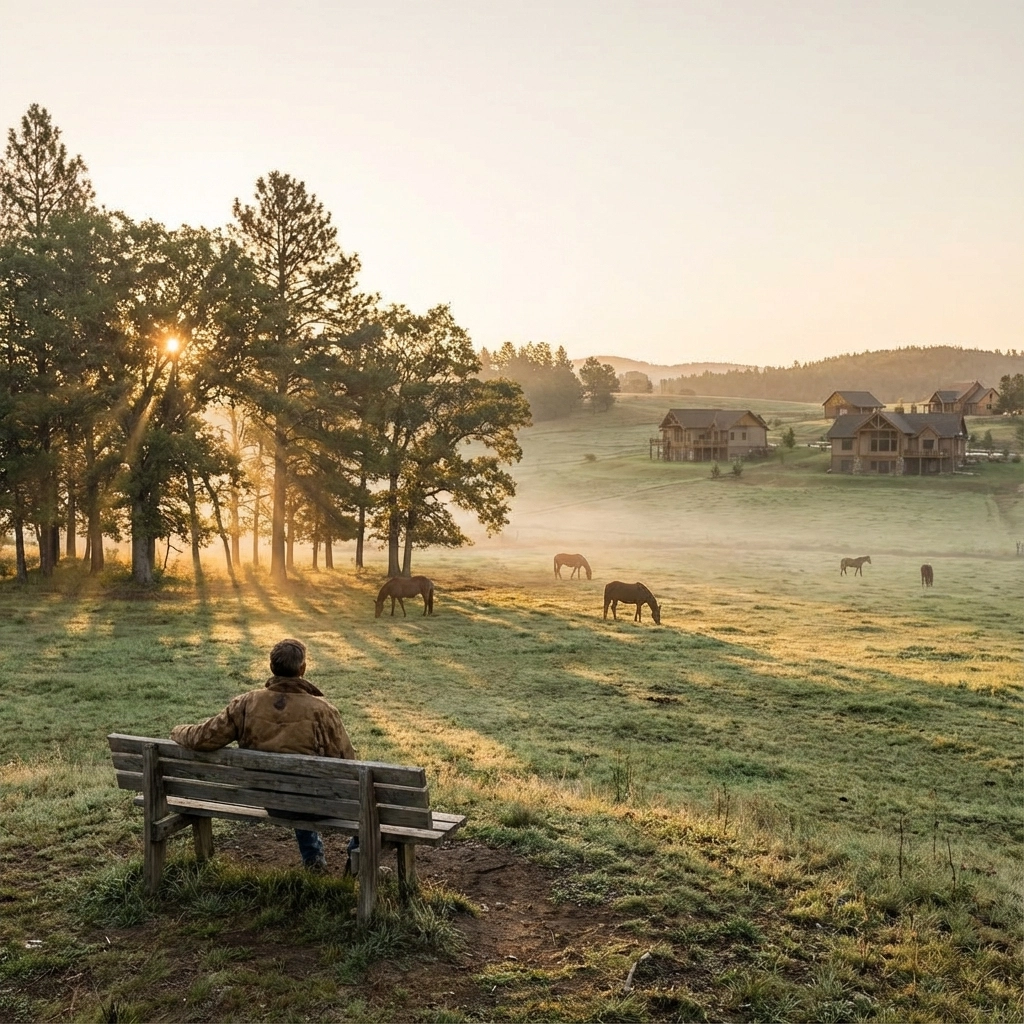
The path to recovery isn't just about stopping destructive behaviors – it's about learning to live differently. Sometimes the most powerful teachers come in unexpected forms, and healing happens in ways you never imagined. Our horses, our team, and our peaceful Georgia setting are here when you're ready to take that next step.
