Effective Addiction and Dual Diagnosis Treatment Services in GA
The beautiful state of Georgia is known for many things. Peaches come to mind as a major source of pride and economic power for this part of the country, along with the thriving metropolis of Atlanta, many great educational institutions, outdoor adventures, and on and on.
Another important contribution offered by the state of Georgia is the growing number of excellent rehab facilities located throughout the state. Ingrained Recovery is proud to be a leading Georgia recovery center that can help people overcome an addiction to drugs or alcohol. Everything that is needed to go through a comprehensive treatment program can be found here, and long-term recovery will be within reach as a result.
On this page, we are going to highlight some of the many advantages of seeking addiction treatment in Georgia at Ingrained Recovery. If any questions come up as you review this page, please feel free to contact us directly using the numbers here on our site. One of our admissions coordinators will be happy to discuss your situation with you, answer any questions you may have, and advise you as to the next steps in the process. We are here to help, even long before you arrive at our facility for treatment. Reach out today to get started.
Ingrained: A Recovery Center for the Peach State
A recovery center like Ingrained Recovery is a facility that has been specifically designed to help individuals dealing with addictions. Substance abuse can have a negative impact on every part of life, whether it is the result of drug or alcohol use. The good news is that Georgia is a state that has many treatment options available and those treatments can be customized to serve the needs of each individual.
As you’ll see below, treatment options in Georgia are wide-ranging and diverse. If there is a specific type of treatment that you believe would be a good fit for your situation, you can be sure that it’s available at a Georgia facility.
Options include rehab retreats, couples rehab, non-12 step rehab, 12-step addiction treatment, and much more.
Alcohol rehab and drug rehab are offered at Ingrained at detox and residential levels, and through accredited partner facilities for partial hospitalization program options as well as IOP programs (intensive outpatient support) and traditional outpatient services.
Insurance will often cover most or all of the cost of care, and coverage can be verified by a confidential call to our caring Admissions staff. Please explore the rest of this page to learn more about the options offered by rehab facilities in Georgia.
Find Hope And Help In Georgia At Ingrained Recovery.
Addiction Treatment in Georgia
With addictions to drugs and alcohol continuing to be an issue that affects millions of people across the country, addiction treatment is a vital service for overall public health. Addiction treatment for drugs or alcohol involves a variety of therapies and, in some cases, medication assisted treatment support, the combination of which can be used to create a custom plan tailored to the needs of each individual.
In Georgia, the culture around addiction treatment is as strong as anywhere else in the country. Between actions by government agencies to promote the availability of addiction and mental health treatments and the thriving culture of recovery and growth around the metropolis of Atlanta, this is a state well-positioned to help people overcome addiction.
Our Georgia Detox Program
Medically supervised detox is often the first step in an addiction treatment process. The period of detox is designed to safely and effectively eliminate the chemical dependency of the body on the substance in question.
While getting away from using drugs or alcohol is essential for addiction treatment, it has to be done safely and under the guidance of trained professionals.
That’s exactly how it will happen here at Ingrained Recovery. We use a complete medical detox under the supervision of our clinical staff, including doctors, nurses, and therapists. Full supervision is provided around the clock to keep all individuals safe and comfortable throughout the detox.
Withdrawal symptoms are proactively addressed, and the client can go through the process in a secluded location where it is possible to focus completely on their recovery.
Georgia Residential Addiction Treatment
The structured emotional support provided by living at a rehab facility like Ingrained Recovery is what makes residential addiction treatment so effective.
With an experienced staff of medical professionals available to offer addiction treatment whenever it is needed, residents can receive care that is perfectly matched to their needs.
Going through a residential program successfully means the individual is actively building a foundation for lasting success after the program is finished.
The supportive community environment that will be enjoyed offers clients the guidance that is needed, while also providing the personal space required for self-discovery, and after completing the program, it will be possible to transition to aftercare that can keep individuals on a healthy, positive path moving forward.
A Georgia Rehab Center Like No Other
Attending a Georgia rehab center is a suitable choice for individuals dealing with either an alcohol or drug addiction. If you choose to turn to Ingrained Recovery for treatment, you’ll have a customized plan based on your situation as an individual and the substances or substances that currently make up your addiction.
- Alcohol rehab in Georgia. Rehab from alcohol addiction can be a complex and challenging process. There are typically many factors connected to an alcohol addiction, including emotional, physical, and psychological elements. A facility like Ingrained Recovery will use a blend of evidence-based therapies, counseling, support groups, and more to help individuals move toward sustained, long term sobriety.
- Drug rehab in Georgia. Many different drugs can be at the heart of an addiction issue. For some individuals, it will be just one serious drug and alcohol addiction that is posing a problem, while others will have multiple drug addictions to confront simultaneously. Among the many drug addictions that can be faced at a Georgia rehab center include opioids, cocaine, methamphetamine, prescription medications, and more.
What is Treated in a Georgia Recovery Center?
There are treatments available in Georgia recovery centers for a variety of health issues. Working with a rehab facility that offers the right treatment options for your needs is an important step on your journey on the path toward healing.
- Addiction treatment: The process of addiction treatment requires the use of a range of therapies and support services to address an addiction to drugs or alcohol. Getting treatment in a licensed and certified rehabilitation facility is a huge step toward a future free from addiction issues.
- Mental health treatment: There is a deeply connected nature between addiction and mental health disorders. For many individuals, it will be important to work with a recovery center that is able to address mental health concerns along with substance abuse patterns.
- Dual diagnosis treatment: When an individual receives a dual diagnosis, that indicates they have concurring disorders with both a mental health diagnosis and an addiction diagnosis. Since addiction is actually a symptom of another problem that has underlying causes someone is struggling with in their life, using this type of treatment is an excellent way to get to the bottom of the root cause of the addiction.
From there, a plan can be crafted to address the root cause and move on to handle the substance addiction, as well.

What to Expect in a Georgia Recovery Center?
What kinds of rehab treatment choices will you be able to find in facilities throughout Georgia? While different facilities offer different collections of services and various programs, the list below highlights some of the standard offerings.
- Couples rehab: Addiction often impacts both partners in a relationship, so couples rehab is a popular way to approach this challenge together and strengthen their relationship in the recovery process.
- Holistic addiction treatment: With holistic rehab programs and treatment, all aspects of the individual are considered, including spiritual well-being, mental, and physical components.
- Luxury rehabs: It’s possible to have a luxury treatment experience when going to rehab by attending a facility that offers high-end amenities and upscale accommodations along with the needed therapies and services.
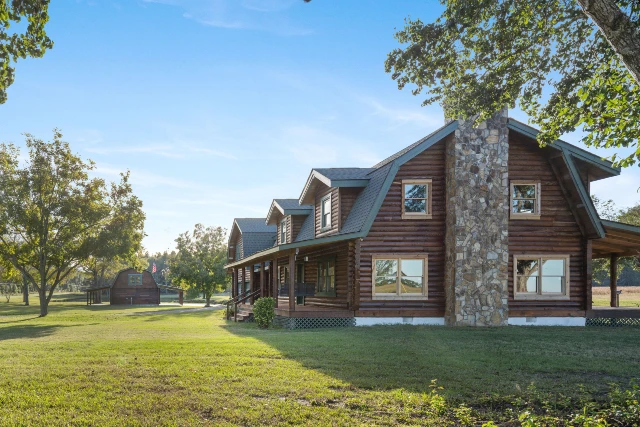
- Rehab ranches: Going to rehab on a ranch is a great way to connect with the tranquility of nature, something that has been shown to help achieve successful outcomes.
- Rehab retreats: Going to a retreat is an excellent way to get away from the stresses of regular life to focus on a specific goal. That certainly applies to rehab, where the individual in this setting will be able to focus their energy on working through a custom treatment plan.
- Evidence-based rehabs: This type of rehab leans on methods that are proven to be effective by rigorous science, including therapies and interventions that have been demonstrated to be effective.
- Court Mandated Programs: Whether for clients seeking programs to help complete probation successfully or those seeking DUI rehab options to prevent further charges, Ingrained offers proven programs of support.
- 12-step and Non-12-Step addiction treatment: The framework of a 12-step program is known to be effective, especially when paired with the mutual support of others who are in a similar situation. Ingrained also offers alternatives to accommodate clients not interested in 12-step approaches.
What Kinds of Therapy Can I Expect?

It will be necessary to have a precise treatment plan created when working with your chosen treatment center, at which time the therapies that will be used can be selected. With that said, many different therapies are offered at Georgia facilities like Ingrained Recovery, such as those below –
- One-on-One Therapy: As the name suggests, this is direct one-on-one therapy that is focused specifically on the needs of the individual receiving treatment.
- Group Therapy: In a group setting, it’s possible for individuals to build a sense of community and connect with others in a similar situation.
- Adventure Therapy: This type of therapy sees individuals face challenges that may be new and exciting, which can help to build self-esteem, a sense of teamwork, and develop important coping skills.
- Equine Therapy: Horses have a deep and meaningful connection with humans, and that bond can be used to help encourage emotional expression, the building of trust, and personal growth. This is why equine therapy offerings play such a pivotal role in dual diagnosis treatment and our programs at Ingrained.
- Exercise Therapy: Consistent, regular exercise offers a long list of benefits for all people, including those in treatment for addiction. Stress reduction and an improvement in overall well-being are among the valuable benefits of this approach, especially on the beautiful campus of Ingrained Recovery.
- Dialectical Behavioral Therapy: Known as DBT, this type of therapy uses mindfulness and acceptance techniques to address emotional challenges and build interpersonal skills.
- Cognitive Behavioral Therapy: Maladaptive thought patterns are a common problem among individuals with street drugs, prescription drugs, or alcohol addictions. CBT aims to give people the tools needed to address those thought processes in a healthy manner.
- 12-Step Groups: Mutual support is at the heart of 12-step groups, and this approach has proven to be effective for countless individuals who have gone through such programs.
- Vocational Therapy: Building career-related skills can provide individuals with a sense of purpose and direction and lend an air of optimism for the future.
- EMDR: This form of therapy is Eye Movement Desensitization and Reprocessing, and it is known to be particularly effective for individuals with trauma-related issues to overcome.
- EBT: Emotional freedom techniques provide individuals with the ability to manage stress successfully while addressing problems with emotional distress that may be contributing to an addiction.
- REBT: Rational Emotive Behavior Therapy helps individuals find the irrational thoughts and belief patterns that run through their minds. With the help of this therapy, those thoughts can be challenged and redirected appropriately.
What are the Benefits of Seeking Treatment in Our Georgia Recovery Center?
To be sure, you have plenty of options for destinations when looking for a recovery center. So, why pick Georgia? It starts with the large recovery community that is in place here. With many quality facilities available – including Ingrained Recovery – more and more professionals in this field are gathering here to deliver excellent care to patients with a variety of addictions.
It’s not only the treatment programs that are available that make Georgia a good option, but also the abundant aftercare options. A successful visit to a rehab facility is only going to be the life-changing event that it should be if the results are able to last for a lifetime.
With plenty of support available through things like 12-step programs, churches, and licensed therapists you’ll be set up for success. That’s particularly true if you select Ingrained Recovery, as we give everyone in our programs a detailed plan for aftercare and long-term recovery.
Get Effective Addiction Treatment Support at Ingrained

Traveling to Georgia for Drug and Alcohol Rehab
If you are thinking of coming to Georgia for rehab from out of state, there are many reasons that will make that a great choice.
Some of the biggest advantages to picking Ingrained in Georgia for drug & alcohol rehab include the following:
- Easy access: Hartsfield-Jackson Atlanta International Airport is the busiest airport on the planet. Nearly 100 million passengers move through this huge airport annually, meaning there are always flights available to get to this hub from anywhere around the U.S. Once in Atlanta, it will be a relatively short drive to anywhere else in the state where a rehab facility may be located.
- Great weather: The rather moderate weather that Georgia enjoys all year long is another big selling point. The state sees warm summers and somewhat cool winters, but it does not have the kinds of extremes that are seen in many other parts of the country.
- Natural beauty: A big part of rehab is reconnecting with the natural world and finding a greater purpose outside of yourself. While nature alone does not make a rehab program, being in a pretty place is a good start toward achieving your treatment goals. There is abundant natural beauty and wonder throughout Georgia, again making this an appealing place for a treatment program.
- An established culture of healing: You would be far from the first person to travel to Georgia to seek treatment for an addiction to drugs or alcohol. This is a popular destination for such care, and everything is in place to make your visit a successful one.
How Much Does a Georgia Recovery Center Cost?
The exact costs of going through rehab in Georgia will depend on a variety of factors, including the facility you attend, the type of rehab needed, and the length of your stay.
Fortunately, as we will discuss below, insurance can greatly aid in paying for your visit to a treatment facility. Using insurance can dramatically cut down on the cost of going to a recovery center, making it an affordable option for many more people.
Is Insurance Accepted for Addiction Treatment at Ingrained?
Generally speaking, yes, insurance will be accepted to cover most of all of the costs associated with your rehab in Georgia. If you have an active medical insurance policy, that policy will include coverage for substance abuse disorder treatment and related issues.
To confirm that your insurance will be accepted by a given facility, it’s best to contact that facility directly to have an insurance check performed. For example, if you call us at Ingrained Recovery, we will be happy to check your insurance quickly and at no cost to you.
That check will allow us to inform you of the treatments that will be covered by your policy and what out-of-pocket costs you may need to cover.
Doing this check as soon as possible will help you understand the financial picture and will make it easier to get started on your treatment with confidence.
How to Pick a Georgia Recovery Center?

Although addiction is something that affects millions of people, each of those cases is unique. If you are currently facing an addiction, there are subtleties and nuances to that addiction that make it unique to you. As you pick a Georgia recovery center, you need to keep in mind that the chances of success will go up as the treatment program is increasingly customized to serve your needs.
At Ingrained Recovery, all treatment programs are designed specifically for the individual. You are too important to be treated with a one-size-fits-all approach to drug or alcohol rehab. We are proud to have achieved impressive results with our program and that success can be directly attributed to the way our care is tailored to the individual.
In addition to customized care, it’s also important to confirm that any facility you work with is licensed and certified. If a given facility doesn’t have its certifications in place, simply move on to another option. Ingrained Recovery is fully licensed and certified to offer these treatments in the state of Georgia, so you will be in good hands from the start.
Ingrained also offers a confidential, free consultation to help you or your loved one determine the right level of care and support needed from the very start.
Convenient for Residents Across Georgia
With our location in Eastman, Ingrained is less than half a day’s travel for residents throughout the Peach State. We offer free transportation to rehab for clients within the state, and are proud to welcome clients from the following cities, counties, and towns in our great state, among others:
- Alpharetta
- Albany
- Atlanta
- Athens
- Augusta
- Brunswick
- Columbus
- Cumming
- DeKalb County
- Fort Benning
- Macon
- Roswell
- South Fulton
- Sandy Springs
- Savannah
- Valdosta
- Warner Robins
- as well as being a top IATSE rehab for union members in Georgia
- and many other cities and towns!
Start Your Addiction-Free Journey At Ingrained Recovery!
Get Support at Our Georgia Recovery Center Today
Getting started with our leading Georgia recovery center is as easy as picking up the phone and calling today. Help is available right now, as our admissions coordinators are ready to speak with you and offer a friendly, patient, and understanding ear.
As you’ve seen throughout this page, Georgia is one of the best places in the country to pursue treatment for a drug or alcohol addiction. With a wide range of treatment options available, a supportive community to help you through the process, abundant aftercare options, easy travel, and much more, there is a lot to love about choosing Georgia as the place to receive a customized treatment plan.
Today is the day to start healing. Ingrained Recovery is here to support you, listen to your needs, and forge a path forward that will lead to lasting results. To put the wheels in motion, simply give us a call now, and let’s get started together. Recovery starts here!