You've probably heard the term "high-level residential care" thrown around by treatment centers, but what does that actually mean when you walk through the doors? After running a residential program on 50 acres in rural Georgia, I can tell you there's a massive difference between what most places call "residential" and what truly intensive, comprehensive care looks like in practice.
If you're exhausted from short-term solutions that didn't stick, or if you've watched someone cycle through programs without lasting change, you need to understand what separates surface-level treatment from the kind of deep, structural work that actually rewires how someone approaches life in recovery.
What "High-Level" Actually Means in Practice
High-level residential care isn't about luxury amenities or impressive websites. It's about creating an environment where your brain has enough time and space to actually heal: not just detox and leave.
Most residential programs give you 30 days. We've learned that meaningful neurological recovery requires months, not weeks. During the first 90 days of sobriety, your brain is literally rewiring itself, relearning how to produce natural feel-good chemicals that addiction hijacked. Rushing this process is like leaving surgery before the incision heals.
Here's what high-level care includes that shorter programs can't provide:
- Medically supervised stabilization that goes beyond basic detox to address underlying health issues
- Intensive therapy using evidence-based approaches like cognitive-behavioral therapy and dialectical behavior therapy
- Trauma-informed care that addresses root causes, not just symptoms
- Dual-diagnosis treatment for co-occurring depression, anxiety, ADHD, and trauma
- Comprehensive discharge planning that starts weeks before you leave
The difference is integration. Instead of treating addiction as a single issue, we address the complete picture of what brought someone here and what needs to change for them to build a different life.

A Day in the Life at Ingrained Recovery
Walk onto our 50-acre campus at 7 AM, and you'll notice the silence first. No traffic, no city noise: just the sound of horses moving in pastures and the rustle of trees. This isn't accidental. Your nervous system needs to calm down before real work can happen.
Morning (7:00-11:00 AM)
Your day starts with structure, not chaos. After breakfast, you'll attend group therapy where you process emotions and challenges with others who understand exactly what you're facing. These aren't superficial check-ins: they're intensive sessions where trained therapists help you identify patterns that keep pulling you back to old behaviors.
Midday (11:00 AM-2:00 PM)
This is where our approach differs significantly. Instead of more traditional talk therapy, you might find yourself working with one of our therapy horses. Equine-assisted therapy isn't about riding: it's about learning to read emotional cues, establish boundaries, and build trust with a 1,200-pound animal that mirrors your emotional state back to you immediately.
Afternoon (2:00-6:00 PM)
Individual therapy sessions dive deep into trauma, family dynamics, and the specific triggers that led to relapse cycles. Between sessions, you have access to walking trails where you can process emotions, manage cravings, and develop exercise habits that will serve you long after treatment.
Evening (6:00-10:00 PM)
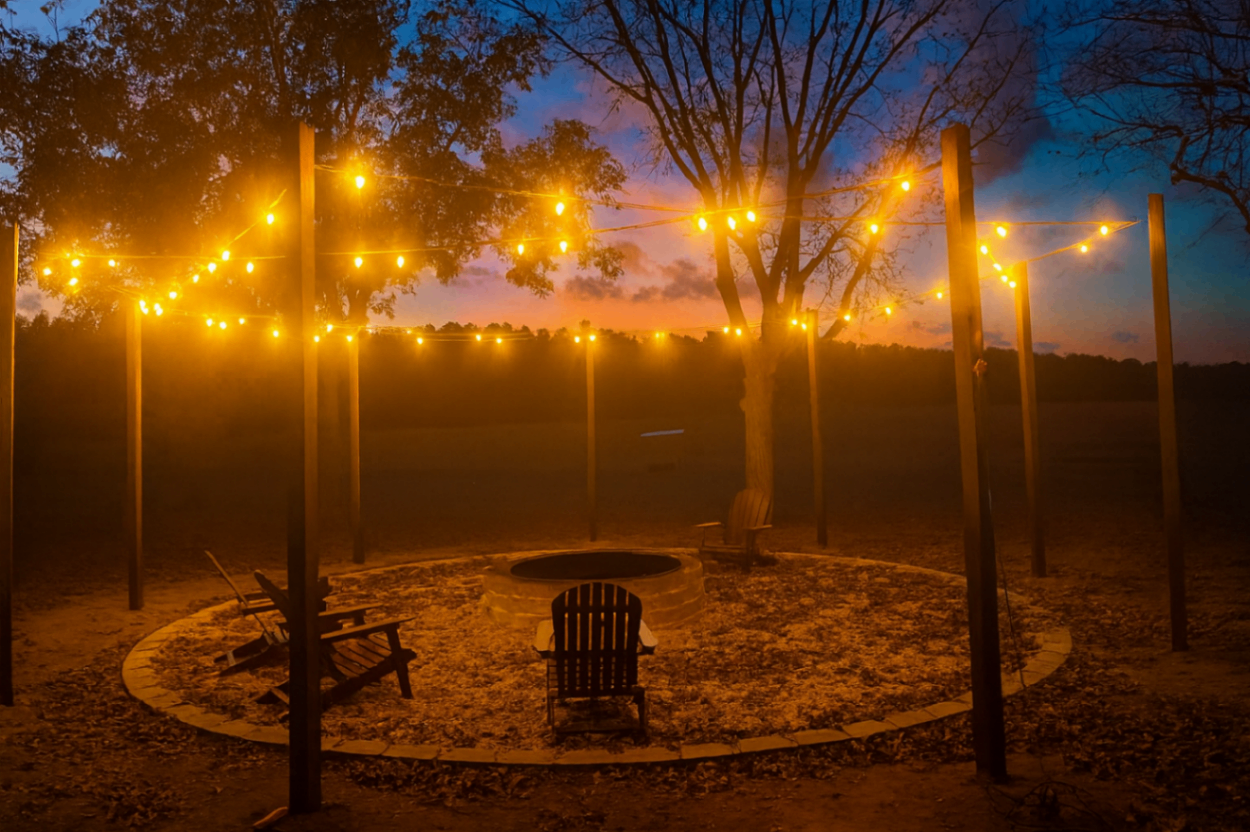
Evenings focus on life skills and social connection. You might participate in group activities around our fire pit, practice mindfulness techniques, or work on discharge planning with your counselor.
The Ingrained Philosophy: Why Recovery "Sticks"
The name "Ingrained" reflects our core belief: recovery has to become as deeply embedded in your daily habits and thinking patterns as addiction once was. Surface-level changes don't last when you return to the same environment, relationships, and stressors that contributed to the original problem.
We've seen too many people cycle through 30-day programs, get temporarily sober, then return to the exact same life circumstances that triggered their addiction in the first place. That's not their failure: it's a predictable outcome when treatment doesn't address the complete picture.
Our philosophy centers on three key principles:
Time Creates Clarity
Your judgment improves dramatically after 90+ days of sobriety. Decisions you make in early recovery often reflect the chaos addiction created in your life. With extended time, you can make choices based on who you want to become, not who you were when everything fell apart.
Environment Shapes Behavior
You can't think your way out of an environment designed to trigger you. Our 50 acres provide complete separation from the people, places, and situations that made staying sober feel impossible. This distance isn't avoidance: it's creating space to build new patterns without constant interference.
Integration Takes Time
Learning coping skills in group therapy is different from applying them consistently under stress. Extended residential care gives you months to practice new responses until they become automatic, not something you have to consciously remember during a crisis.
Evidence-Based Care Meets Holistic Healing
We combine clinical approaches that research has proven effective with holistic therapies that address aspects of healing traditional treatment often misses.
Clinical Foundation:
- Cognitive Behavioral Therapy (CBT) to identify and change destructive thought patterns
- Dialectical Behavior Therapy (DBT) for emotional regulation and distress tolerance
- Trauma-informed therapy to address underlying trauma that fuels addiction
- Medical management for co-occurring mental health conditions
Holistic Integration:
- Equine-assisted therapy for emotional awareness and boundary-setting
- Mindfulness and meditation practices for stress management
- Physical fitness and outdoor activities for overall wellness
- Art and music therapy for emotional expression
This isn't about choosing between medical treatment and alternative approaches. It's about using every tool available to address the complex factors that contribute to addiction and relapse.

The 50-Acre Difference
Location matters more than most people realize. Urban treatment centers, no matter how well-intentioned, can't provide the level of separation needed for deep healing. When you're 20 minutes from your dealer, your ex, or the bar where everything went wrong, part of your brain is always calculating escape routes.
Our 50 acres in rural Georgia create what we call "therapeutic distance." You're completely removed from triggers, but you're not isolated from support. The expansive ranch-style campus includes:
- Walking trails for processing emotions and managing cravings between sessions
- Therapy horse pastures where you learn emotional regulation through animal interaction
- Quiet spaces for individual reflection and meditation
- Group gathering areas for building healthy social connections
The natural environment itself becomes part of treatment. Research shows that time in nature reduces cortisol levels, improves mood, and enhances cognitive function: all critical factors in early recovery when your brain is healing from chemical damage.

Why This Level of Care Changes Everything
The difference between 30-day programs and extended residential care isn't just about length: it's about depth. Short-term treatment often focuses on crisis stabilization: get someone sober, teach basic coping skills, and hope for the best. Extended care allows for fundamental restructuring of how someone approaches life.
Weeks 1-4: Stabilization
Physical detox, initial therapy, and basic emotional regulation skills
Weeks 5-12: Deep Work
Trauma processing, family therapy, identifying core triggers and developing personalized strategies
Weeks 13+: Integration
Practicing new skills under supervised conditions, discharge planning, building support networks
People who complete extended residential treatment show significantly better outcomes at the one-year mark: lower relapse rates, improved employment, and healthier relationships. This isn't because they're more motivated: it's because they had enough time to build recovery into their identity, not just their behavior.
When You're Ready for Real Change
If you're tired of temporary solutions, if you've watched short-term programs fail repeatedly, or if you know that going back to the same environment means going back to the same patterns, high-level residential care might be the reset you need.
The question isn't whether you deserve this level of support: you do. The question is whether you're ready to commit to the kind of deep work that creates lasting change instead of temporary relief.
Recovery isn't about willpower or motivation. It's about creating the right conditions for healing and giving yourself enough time for new patterns to take root. In our experience, people don't fail recovery programs: programs fail people by not providing adequate time, distance, and comprehensive care.
If you want to understand whether this level of care makes sense for your situation, talk with someone who understands what you're facing. Get clarity on whether the chaos can finally stop and stability can begin.
Your life doesn't have to be managed crisis to crisis. Sometimes the boldest thing you can do is step completely out of familiar patterns and give yourself the space to build something entirely different.
