
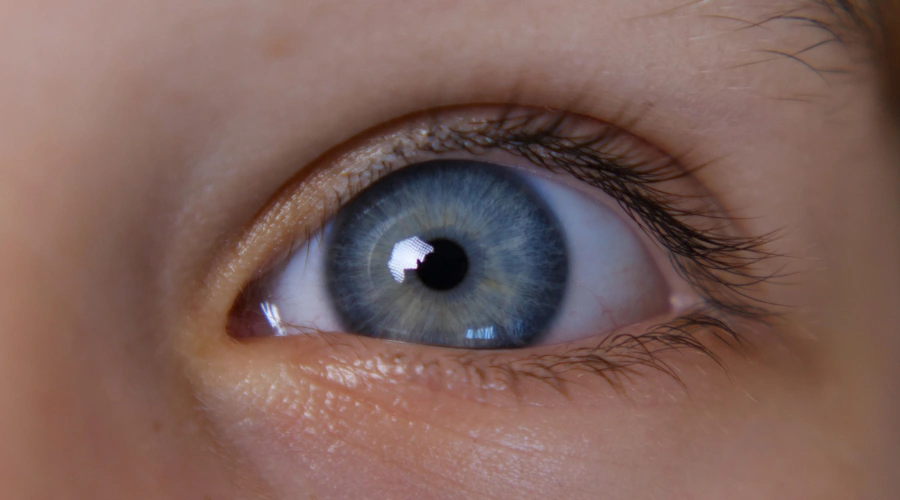
If you’ve noticed someone you care about has unusually small pupils that don’t seem to change with the light, you’re right to pay attention. Pinpoint pupils can be a visible warning sign of drug use, overdose, or a serious medical condition.
This guide, written with insights from the clinical staff at Ingrained Recovery, explains what drugs cause pinpoint pupils, when this sign becomes a medical emergency, and what you can do to help.
Quick Takeaways
- Pinpoint pupils are abnormally constricted pupils, typically measuring less than 2–3 millimeters in diameter, that remain constricted even in dim lighting. They do not respond to changes in light the way healthy pupils should.
- Opioids are the most common cause of pinpoint pupils. Pinpoint pupils often indicate opioid overdose or toxicity, but other medications, toxins, and medical conditions can also be responsible.
- Pinpoint pupils combined with slow or stopped breathing, blue lips, or unresponsiveness can signal an opioid overdose-a life-threatening situation that requires calling 911 immediately.
- Only healthcare professionals can confirm the underlying cause. If you notice sudden or unexplained pupil changes in a loved one, do not ignore them.
- Ingrained Recovery’s clinical team can help families worried about possible opioid use or opioid addiction with confidential assessment and guidance.
Get Accredited Treatment at Ingrained
Find Help At Ingrained Recovery
What Are Pinpoint Pupils (Miosis)?
Pinpoint pupils are abnormally small pupils that stay very constricted-often 2 mm or less-even in low light. The medical term for this is miosis, and “pinpoint pupils” describes an extreme form where the black center of the eye appears nearly dot-sized.
Under normal conditions, pupils constrict in bright light to limit how much light enters the eye and dilate in the dark to let more light in. Pinpoint pupils measure less than 2–3 millimeters in diameter and do not dilate appropriately when lighting changes. This failure to respond to light changes is what makes the condition medically significant.
Pinpoint pupils can be caused by drug use, prescription medications, environmental toxins, and certain medical conditions-not only illicit substances. Lighting and other conditions can affect pupil size naturally, so a sudden change from someone’s baseline is more concerning than someone who has always had small pupils. If you’ve noticed this change in someone you love, it can be frightening. Trust your instincts-it’s an important clue worth investigating.
How Drugs Affect Pupil Size
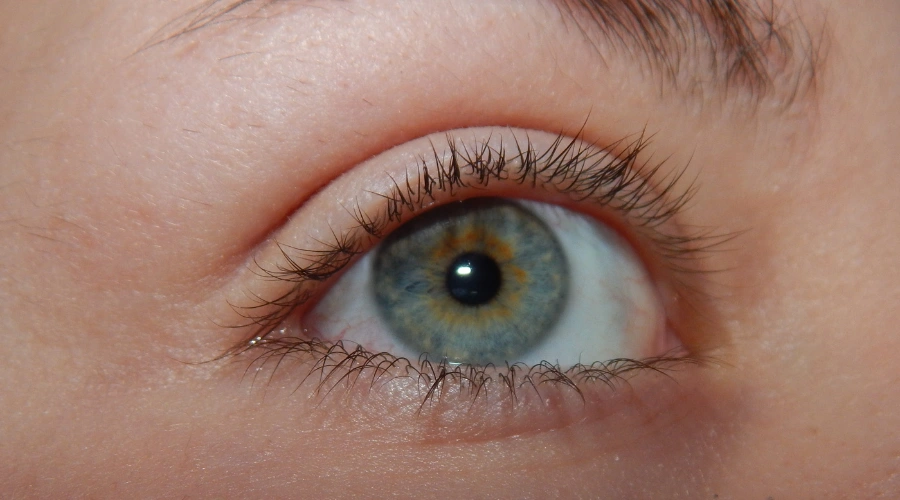
Pupil size is controlled by two small muscles in the iris, regulated by the autonomic nervous system. The sympathetic nervous system triggers pupil dilation (larger pupils), while the parasympathetic nervous system drives pupil constriction (smaller pupils). These two systems work in balance.
Drugs can tip this balance. Some substances stimulate the parasympathetic pathway or block sympathetic signals, leading to constricted pupils. Others do the opposite, causing dilated pupils. Opioids affect pupil size by increasing parasympathetic activity through their action on the central nervous system, specifically in the brainstem. Central nervous system depressants, in general, can alter this balance in ways that affect pupil size.
What matters most for a worried family member: if someone’s pupils are persistently very small and you can’t explain it by bright light or a known medication, it deserves further attention.
Opioids: The Most Common Drugs That Cause Pinpoint Pupils
Opioid use and opioid overdose are the leading drug-related causes of pinpoint pupils seen by healthcare providers. Opioids are the most common cause of pinpoint pupils by a wide margin. Common prescription and illicit opioids that cause pinpoint pupils include heroin, fentanyl and fentanyl analogs, morphine, oxycodone and hydrocodone, codeine, methadone, and buprenorphine.
Opioids cause pinpoint pupils by activating mu-opioid receptors in the brainstem. This activation reduces inhibitory signals on the parasympathetic outflow to the iris sphincter muscles, causing them to contract and the pupils to become very small. Opioids commonly cause pinpoint pupils measuring less than 2 mm, and opioids can cause pupils to constrict to 2–3 millimeters even at moderate doses.
The classic opioid toxidrome triad consists of pinpoint pupils, respiratory depression (slowed or stopped breathing), and decreased consciousness. Respiratory depression often accompanies pinpoint pupils in opioid use, making this combination especially dangerous.
Physical signs associated with opioid use include drowsiness and slowed motor function. Persistent opioid use-whether prescribed medications or illicit-can lead to substance use disorder, and pupil changes may be one visible sign alongside “nodding off,” missing pills, or behavioral shifts. If a loved one regularly has pinpoint pupils with other symptoms, it’s time to seek professional help.
Other Prescription and Over-the-Counter Drugs That Can Cause Pinpoint Pupils
Not all pinpoint pupils are due to opioids. Several non-opioid prescription medications can constrict pupils as a side effect or in overdose. Cholinergic agents can result in pupil constriction by directly stimulating the iris sphincter muscle.
| Drug Category | Examples | Notes |
|---|---|---|
| Alpha-2 adrenergic agonists | Clonidine (used for high blood pressure, ADHD) | Clonidine can cause pinpoint pupils in overdose situations, which has been documented in toxicology literature |
| Benzodiazepines | Xanax (alprazolam), diazepam | Benzodiazepines like Xanax can lead to constricted pupils, particularly at high doses |
| Antipsychotics | Chlorpromazine, haloperidol, olanzapine, quetiapine | Antipsychotics like chlorpromazine may result in pinpoint pupils, especially with high doses |
| Antiemetics | Droperidol, metoclopramide | Reported in some cases, less reliable than opioid-induced miosis |
| Glaucoma eye drops | Pilocarpine and other miotics | Cause pupil constriction directly; may affect both eyes if absorbed |
| Cholinergic medications | Donepezil, physostigmine, pyridostigmine | Used for Alzheimer’s and myasthenia gravis; stimulate parasympathetic activity |
For most of these drugs, pronounced miosis is less common and usually occurs with high doses, overdose, or in sensitive individuals. If you notice new constricted pupils after a recent prescription change, review all medications with a healthcare provider.
Never stop prescribed medications suddenly without medical guidance, even if you suspect a side effect like opioid induced miosis or other pupil changes.
Toxins, Poisons, and Environmental Exposures That Cause Pinpoint Pupils

Certain toxins and chemical exposures can strongly affect the central nervous system and cause pronounced miosis. Common examples include organophosphate pesticides used in agriculture and around homes, nerve agents such as sarin (rare but severe), and some toxic mushrooms with cholinergic properties.
Organophosphate pesticides can cause pronounced miosis. Organophosphate poisoning leads to pronounced miosis and respiratory distress, along with heavy sweating, drooling, vomiting, diarrhea, trouble breathing, and confusion. In clinical studies, a majority of organophosphate poisoning patients present with miosis as a symptom.
Suspected pesticide or chemical poisoning is a medical emergency requiring immediate medical evaluation in an emergency department. Families in rural or farming communities should be especially alert if someone develops pinpoint pupils after known contact with pesticides or chemicals-call emergency services without delay.
Medical Conditions That Can Cause Constricted or Pinpoint Pupils (Without Drugs)
Pinpoint or unusually small pupils can sometimes result from underlying medical conditions, not substance misuse. Key medical causes include:
- Horner’s syndrome – a nerve pathway disruption that causes constricted pupils and eyelid drooping on one side of the face, sometimes with reduced sweating. Causes include stroke, tumor, or nerve injury. (Mayo Clinic overview)
- Brainstem strokes or hemorrhages – pontine hemorrhage may result in bilateral pinpoint pupils, usually in critically ill patients with other symptoms like coma or weakness.
- Eye conditions – anterior uveitis can cause pupil constriction due to inflammation, and conditions like iritis or acute angle-closure glaucoma may change pupil shape and size, often with eye pain and redness affecting eye health.
- Cluster headaches – cluster headaches can temporarily cause pupil changes during episodes, sometimes with tearing and nasal congestion on one side.
These conditions usually come with other symptoms like severe headache, vision changes, drooping eyelid, weakness, or confusion. If pinpoint pupils appear alongside neurological changes-sudden weakness, slurred speech, trouble walking-even when drug abuse is not suspected, seek medical attention urgently.
Only a qualified medical professional can sort out drug-related versus medical causes through examination and testing.
Pinpoint Pupils vs Dilated Pupils Due to Drugs: What Are the Differences?

There is a significant difference between constricted pupils (miosis) and dilated pupils (mydriasis). Constricted pupils appear as tiny dark dots, while dilated pupils look wide and dark, leaving little visible iris.
Substances that commonly cause constricted pupils include opioids, clonidine, cholinergic drugs, and some toxins. Other depressants like benzodiazepines can also cause pinpoint pupils. In contrast, substances that tend to cause pupil dilation include cocaine, methamphetamine, MDMA, LSD, and many antidepressants-drugs that stimulate the sympathetic nervous system or block parasympathetic activity.
Both pinpoint and dilated pupils can signal dangerous drug use or overdose. Polydrug use-mixing multiple substances-can make pupil diameter less predictable, so healthcare providers look at the full picture of other symptoms, mental status, and overall health rather than pupil size alone.
For loved ones, pay attention to broader patterns: sudden changes in eye appearance, behavior, and consciousness together can raise concerns more reliably than pupil size in isolation.
When Pinpoint Pupils Signal an Opioid Overdose Emergency
Pinpoint pupils combined with slow, shallow, or absent breathing are a hallmark of life-threatening opioid overdose. Pinpoint pupils indicate potential opioid toxicity or overdose when they appear alongside respiratory changes.
Respiratory depression is a dangerous effect of opioid overdose because opioids suppress the brainstem’s drive to breathe, starving the brain and heart of oxygen.
Critical warning signs for families to recognize include: very small “pinpoint” pupils that don’t change much with light, breathing that is slow, irregular, shallow, or stopped, blue or gray lips or fingertips, unresponsiveness or inability to be woken up, gurgling, snoring, or choking sounds from the airway, and pale, clammy skin with a limp body. Difficulty breathing is often the most dangerous sign.
Not everyone will show every sign. But if pinpoint pupils are present with any major breathing changes or unresponsiveness, treat it as a medical emergency. Timely medical intervention is critical for suspected opioid overdose. Acting quickly-even if you’re not fully sure-can save a life, and emergency responders are experienced with these situations.
Get Effective Detox and Rehab Options
Find Help At Ingrained Recovery
What to Do Right Away if You Suspect an Opioid Overdose
If symptoms develop that suggest opioid intoxication or overdose, follow these steps:
- Call 911 immediately and state that you suspect an opioid overdose. Mention pinpoint pupils, respiratory distress, or difficulty breathing if present.
- Administer naloxone (Narcan) if available, following the package directions (nasal spray or injection). Naloxone can reverse opioid-induced respiratory depression and is a critical tool for immediate medical intervention.
- Position the person on their back to give naloxone, then place them in the recovery position (on their side) once they start breathing but remain unconscious.
- Begin rescue breathing or CPR if trained, and the person is not breathing or has no pulse, until help arrives.
- Stay with the person and be prepared to give a second dose of naloxone if there is no response within 2–3 minutes.
Naloxone only reverses opioid effects. It will not worsen things if the person takes a different drug, so it is safe to use when in doubt. Timely treatment is crucial for opioid overdose with pinpoint pupils.
Keep naloxone on hand if anyone in the home uses opioids, whether prescribed or not. In 2026, it is increasingly available at pharmacies and through community programs.
Good Samaritan laws in many U.S. states protect people who call for help during an overdose, so do not delay out of fear of legal consequences.
Other Signs of Drug Use and Opioid Addiction Beyond Pupil Changes
Loved ones often notice multiple changes, not just the eyes, when someone is struggling with chronic substance use. Common physical signs of ongoing opioid use or opioid addiction include frequent drowsiness or “nodding off,” slowed movements and slurred speech, unexplained weight loss or gain, itching or skin picking, and needle marks if injecting.
Chronic drug use indicates the continued presence of substances affecting the nervous system and may also trigger withdrawal symptoms when the substance is unavailable.
Behavioral and emotional warning signs include secretive behavior or lying, mood swings and irritability, neglecting work or family responsibilities, changes in friend groups or social isolation, and missing money or unexplained financial problems. These signs touch on the psychological aspects of substance abuse as well as the physical signs.
None of these signs-including persistent pinpoint pupils-“prove” addiction on their own. But a pattern over time should prompt a compassionate conversation and the seeking of professional evaluation. Prescription drug misuse, in particular, can be harder to spot because the person may have a legitimate prescription.
Getting Help: How Ingrained Recovery Supports Individuals and Families

Substance use disorder-including opioid addiction-is a treatable medical condition, not a moral failure. Recovery from substance abuse is possible with proper support and the right treatment programs.
Evidence-based treatment approaches at Ingrained Recovery include cognitive behavioral therapy, medication-assisted treatment (MAT) with buprenorphine or methadone when appropriate, individual counseling and group therapy focusing on coping skills and relapse prevention, family education and support, and coordination with medical and mental health providers to address co-occurring conditions.
The clinical staff’s role includes assessing health concerns such as persistent pinpoint pupils, reviewing drug use history, and screening for medical conditions that might also affect pupil size. If you’re worried about possible opioid use, overdose risk, or unexplained pupil changes in someone you love, reach out for a confidential consultation-even if you’re not sure it’s “bad enough” yet.
Noticing signs like pinpoint pupils is an act of caring. Seek professional guidance early. It can prevent serious complications and open the door to lasting recovery.
All calls to Ingrained are strictly confidential, so please reach out today for compassionate, expert support.
Many Forms of Insurance Accepted
Find Help At Ingrained Recovery
FAQs on Drugs That Cause Pinpoint or Dilated Pupils
Can someone have naturally small pupils without drug use?
Some people naturally have smaller pupils than others, and pupil size tends to decrease with age. However, “pinpoint pupils” refers specifically to very small pupils that stay constricted even in dim light and usually come with other symptoms.
A sudden change-especially if both pupils become very tiny-should always prompt immediate medical evaluation. An eye doctor or primary care clinician can tell the difference between normal variation and medically concerning miosis.
Do stress or anxiety cause pinpoint pupils?
Stress and anxiety typically activate the “fight-or-flight” response, which tends to cause pupil dilation rather than pupil constriction. Brief pupil changes can happen with strong emotion, but sustained pinpoint pupils are not a typical sign of anxiety.
Do not dismiss persistent constricted pupils as “just stress”-seek medical advice if concerned about someone’s overall health.
How long do drug-related pinpoint pupils usually last?

The duration depends on the specific drug, dose, and the person’s metabolism. Short-acting opioids like heroin may cause pronounced miosis for a few hours, while long-acting opioids like methadone (with a half-life of 8–59 hours) or potent synthetics like fentanyl can cause constriction for much longer.
As the drug clears the body, pupils generally return to normal size. If someone has pinpoint pupils for many hours along with drowsiness, confusion, or slow breathing, seek medical attention urgently.
Can alcohol alone cause pinpoint pupils?
Alcohol by itself does not typically cause classic pinpoint pupils. It may cause red eyes or slightly altered pupil reactions but not extreme miosis.
However, alcohol combined with opioids or other central nervous system depressants can worsen drowsiness and respiratory depression, dramatically increasing overdose risk even if pupil size appears “normal.” Treat any combination of substance use with signs like slow breathing or unresponsiveness as a medical emergency.
Should I confront my loved one if I notice pinpoint pupils?
Approach the person calmly and without judgment, focusing on concern for their safety rather than accusations-for example, “I’ve noticed your eyes and breathing seem different, and I’m worried about you.” Choose a time when they are as sober and calm as possible, not during a crisis.
Offer support and options, such as talking to a doctor or contacting Ingrained Recovery, rather than issuing ultimatums. If safety is an immediate concern-signs of overdose, blood flow changes like blue lips, or self-harm risk-prioritize calling emergency services first and address treatment discussions later.
References
- Adeyinka, A., Muco, E., & Regina, A. C. (2023, November 12). Organophosphates. In StatPearls. StatPearls Publishing. https://www.ncbi.nlm.nih.gov/books/NBK470430/
- Centers for Disease Control and Prevention. (2025, November 21). 5 things to know about naloxone. https://www.cdc.gov/overdose-prevention/reversing-overdose/about-naloxone.html
- Centers for Disease Control and Prevention. (2025, November 14). What to do if you think someone is overdosing. https://www.cdc.gov/stop-overdose/response/index.html
- Centers for Disease Control and Prevention. (2026, January 6). Preventing opioid overdose. https://www.cdc.gov/overdose-prevention/prevention/index.html
- Herman, T. F., Cascella, M., & Muzio, M. R. (2024, June 8). Mu receptors. In StatPearls. StatPearls Publishing. https://www.ncbi.nlm.nih.gov/books/NBK551554/
- Mayo Clinic. (2022, May 13). Horner syndrome: Symptoms and causes. https://www.mayoclinic.org/diseases-conditions/horner-syndrome/symptoms-causes/syc-20373547
- Regina, A. C., Goyal, A., & Mechanic, O. J. (2025, January 22). Opioid toxicity. In StatPearls. StatPearls Publishing. https://www.ncbi.nlm.nih.gov/books/NBK470415/
- Sutter, M. E., & Gerona, R. R. (2011). Keeping patients safe from methadone overdoses. PMC. https://pmc.ncbi.nlm.nih.gov/articles/PMC3171821/ (used for the 8–59 hour methadone half-life figure — also confirmed by SAMHSA’s identical figure)