I've watched hundreds of people walk through our doors, and there's one pattern I see over and over: the ones who travel the farthest often do the best. Not always, but often enough that it's become impossible to ignore.
It's not about the distance itself. It's about what happens when you completely step away from the environment that's been feeding the cycle you're trying to break.
The Problem with Staying Close to Home
Here's what I've learned after years of running residential treatment: your environment is either working for you or against you. There's no neutral.
When someone tries to get sober while staying in the same town, sleeping in the same bedroom, driving past the same liquor store every day, they're essentially trying to build a house while the foundation keeps shifting beneath them.
I can't count the number of intake calls where someone says, "I've tried outpatient twice, but I keep slipping." Of course you do. You're trying to change everything about your life while keeping everything about your life exactly the same.
The triggers aren't just the obvious ones: the bars, the dealers, the drinking buddies. It's the intersection where you had your first panic attack. It's the grocery store where you used to buy wine every Tuesday. It's your bedroom ceiling that you've stared at through a thousand sleepless, anxious nights.
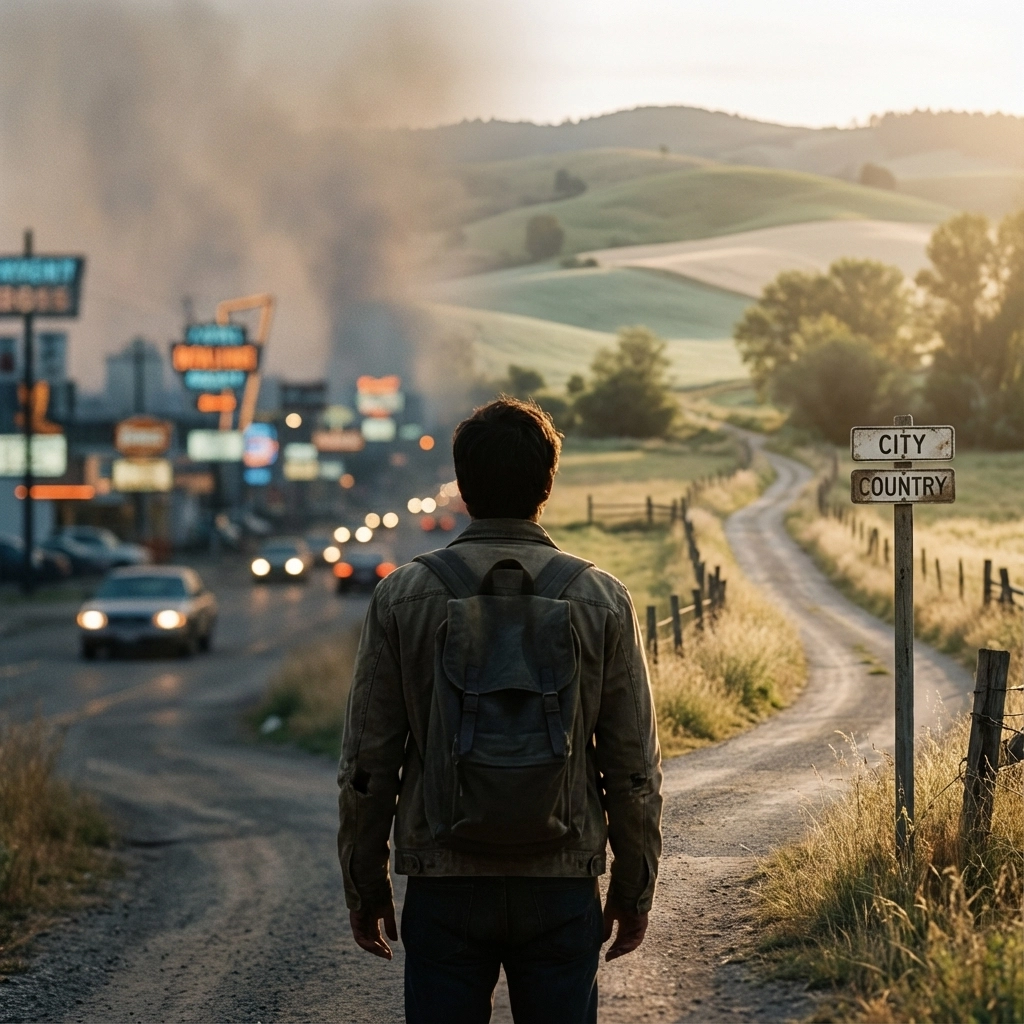
Your brain has mapped every corner of your hometown with emotional memory. Recovery isn't just about stopping the substance: it's about rewiring those neural pathways. That's nearly impossible when you're surrounded by the same environmental cues that trigger the old patterns.
Why Georgia Changes Everything
When someone calls and tells me they're considering traveling from Ohio or New Jersey or California to come to our facility in Eastman, Georgia, I already know they have a better shot than the local referrals.
It's not because they're more motivated (though sometimes they are). It's because they're willing to do what recovery actually requires: step completely outside the system that created the problem.
Eastman sits in the heart of Middle Georgia, about two hours southeast of Atlanta. It's far enough from any major city that you can't just "run into" your old life. The nearest airport is an hour away. This isn't an accident: it's by design.
When you can't easily go back to your old environment, you're forced to sit with the discomfort of change instead of running from it. That discomfort is where the real work happens.
The Operator's Perspective: What Actually Works
I've been running residential treatment long enough to see the same mistakes repeated across the industry. Most facilities focus on keeping people busy: group therapy, art therapy, yoga, life skills classes. That's all fine, but it misses the point.
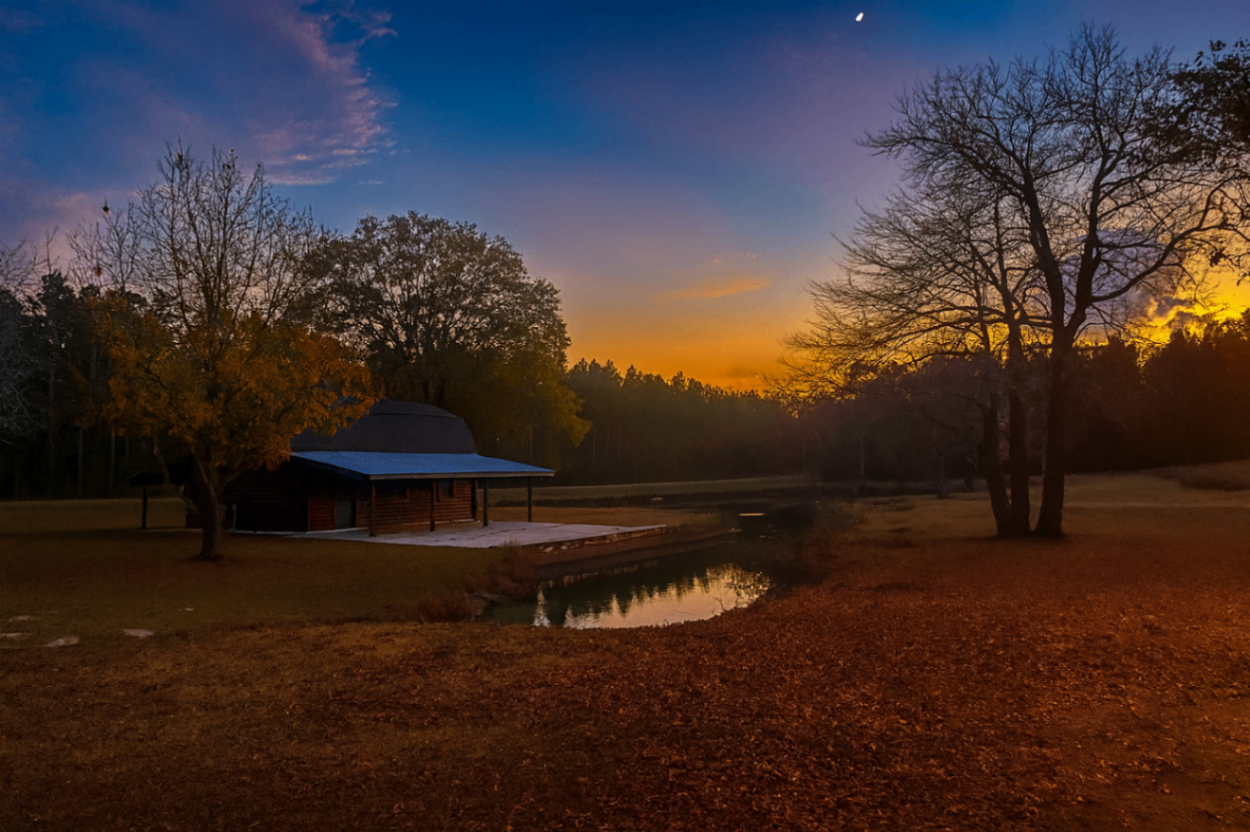
The magic happens in the quiet moments. It happens when someone has been here for three weeks and realizes they haven't thought about their ex-dealer in five days. It happens when they walk our 50-acre property at sunset and remember what it feels like to be present in their own body.
That's why our facility is structured the way it is. We're not trying to simulate the real world: we're trying to create a completely different world where new patterns can take root.
Breaking the Cycle Requires Breaking the Environment
Here's something most people don't understand about addiction: it's not just a brain disease or a character flaw. It's an adaptation to an environment. Your brain learned to cope with stress, trauma, and pain in a specific context. Remove that context, and suddenly the old coping mechanisms don't make sense anymore.
When someone comes to Eastman from Portland or Miami or Chicago, they're not just changing their zip code. They're changing their entire operational context. Different air, different sounds, different rhythm of life. Different everything.
Our clients often tell me the first thing they notice is the silence. Not the absence of sound: the woods are full of life: but the absence of urban anxiety. No sirens, no traffic, no constant underlying hum of a city that never sleeps.
The Science of Environment and Recovery
This isn't just feel-good therapy talk. Environmental psychology shows us that our physical surroundings directly influence our mental state and decision-making capacity. When every environmental cue in your hometown is connected to using, you're essentially trying to recover while being triggered 50 times a day.
Moving to a completely different environment: especially a rural, peaceful one: gives your nervous system permission to downregulate. For many people, this is the first time in years they've experienced genuine calm.
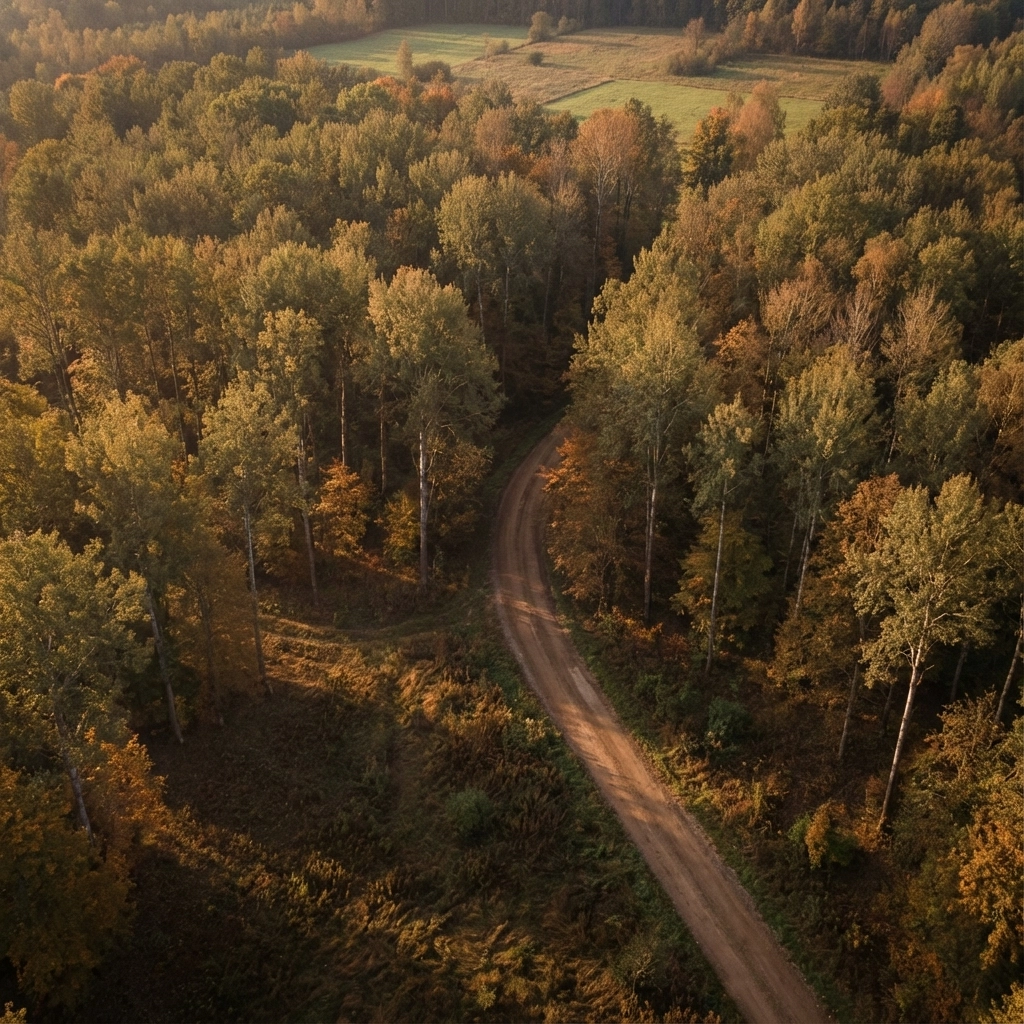
Our medical detox program takes advantage of this environmental reset. When someone is going through withdrawal in our quiet, wooded setting with round-the-clock medical supervision, their body can focus on healing instead of managing environmental stress.
What Makes Eastman Different
I chose this location after visiting dozens of potential sites across the Southeast. Eastman offered something unique: true seclusion without isolation. We're far enough from major cities to provide that crucial environmental break, but close enough to access medical resources when needed.
The town itself has a population of about 5,000 people. Everyone knows everyone, which means accountability without anonymity. Our clients can walk to the local coffee shop or bookstore without worrying about running into dealers or drinking buddies.
The pace of life here is fundamentally different from what most of our clients are used to. Time moves differently in small-town Georgia. People make eye contact on the street. Conversations happen without agenda. This social environment becomes part of the healing process.
The Facility as Healing Environment
Our 50-acre campus was designed with environmental therapy in mind. The main residential building sits on a hill overlooking a natural pond, surrounded by hardwood forest. Clients often tell me this is the first place they've lived where they can see the stars.

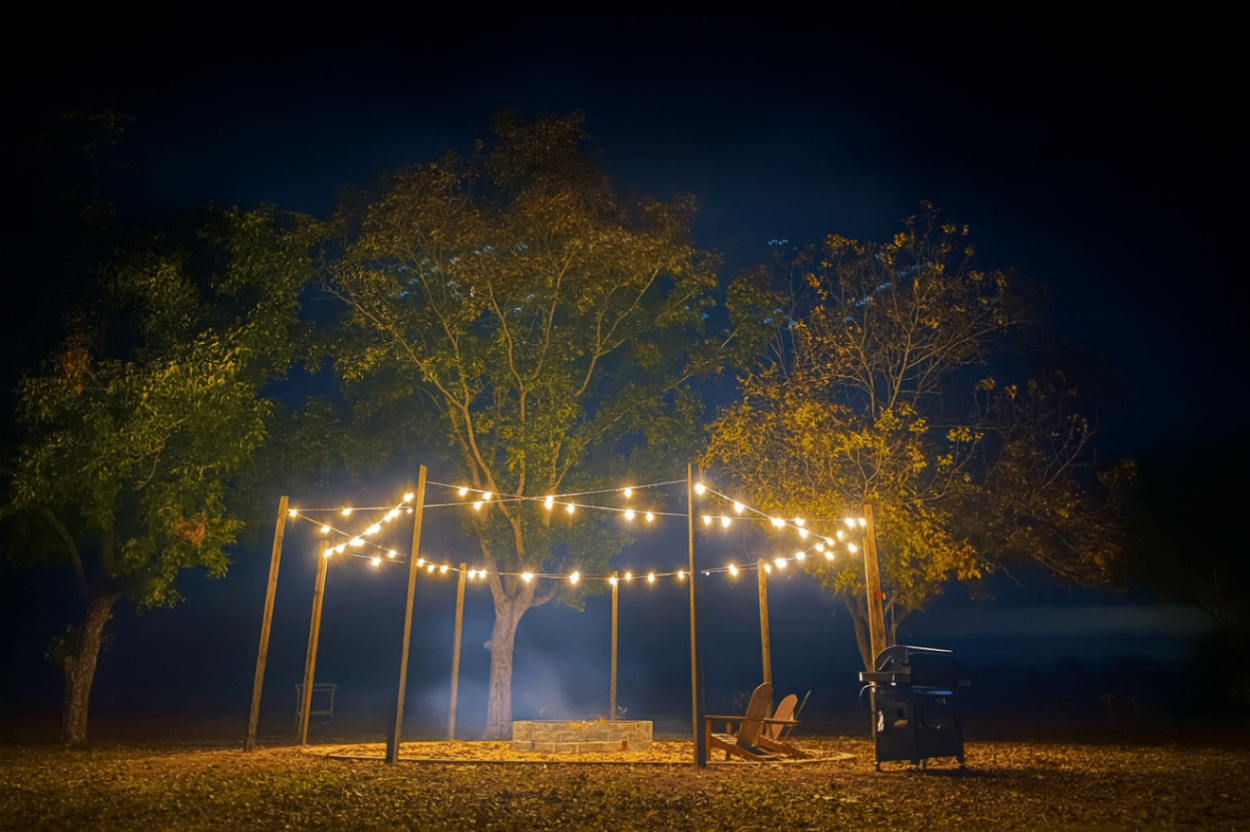
We have multiple outdoor spaces: fire pits, walking trails, quiet spots by the water: because recovery happens differently for different people. Some need the structure of our group rooms. Others need the solitude of the woods. Most need both, at different times.
Our equine therapy program takes place right on the property. There's something about working with horses in this setting that cuts through intellectual defenses faster than anything I've seen. The horses don't care about your story or your excuses. They respond to your authentic emotional state in real time.
The Fresh Start Mindset
When someone travels across state lines to get sober, they've already made a crucial psychological shift. They've admitted that their current environment isn't working. They've chosen disruption over comfort.
This mindset carries through the entire treatment process. Instead of viewing recovery as returning to their old life minus the substance, they start viewing it as building a completely new life. Different priorities, different relationships, different daily rhythms.
Our residential program is designed to support this fresh start mentality. We don't just help people stop using: we help them discover who they are when they're not constantly managing crisis.
Practical Considerations for Traveling to Treatment
I know what you're thinking: traveling for treatment sounds expensive and complicated. It can be, but it doesn't have to be more complicated than necessary.
Most insurance plans cover out-of-state treatment at the same rate as in-state. We handle all the insurance verification and can usually tell you within 24 hours what your coverage looks like.
For transportation, we've found that clients do better when family members drive them rather than flying. The drive provides transition time and often becomes the first real conversation they've had with loved ones in months.
We also coordinate with families to ship personal belongings rather than trying to pack everything for the trip. This reduces stress and helps reinforce the fresh start mentality.
The Investment in Distance
Traveling to Georgia for treatment isn't just a logistical decision: it's an investment in the likelihood of success. When someone is willing to leave everything familiar behind for 30, 60, or 90 days, they're demonstrating a level of commitment that predicts better outcomes.
I've seen too many people fail in local programs, not because the programs were bad, but because they couldn't escape the gravitational pull of their old environment. Every weekend, every evening, every moment of uncertainty became an opportunity to slip back into familiar patterns.
When you're in Eastman, those patterns aren't an option. You're forced to find new ways to manage discomfort, new ways to connect with others, new ways to spend your time. These new patterns become the foundation of long-term recovery.
The Path Forward
If you're reading this and recognizing yourself in these patterns: if you've tried local treatment and found yourself back where you started: maybe it's time to consider a different approach.
Recovery isn't about willpower or moral strength. It's about creating conditions where change becomes possible. Sometimes those conditions require geographic distance from everything familiar.
Our admissions team understands the complexity of making this decision. They can walk you through the practical considerations and help you determine whether our level of care and environmental approach makes sense for your situation.
The fresh start you're looking for might be waiting in the woods of Middle Georgia, where the pace is slower, the air is cleaner, and the space exists to remember who you are underneath the chaos.
Don't let another month pass trying to change everything while changing nothing. Sometimes the biggest step forward is the one that takes you the furthest from where you've been stuck.
